
For some people with profound blindness, an implanted device made that idea possible. Argus II created patterns of light that could help users locate objects and navigate simple environments. Its vision was limited, but it established that an electronic implant could provide useful visual information through surviving nerve pathways.
- Bionic eyes convert visual information into electrical signals.
- Selected people with profound blindness can gain limited visual information.
- Artificial vision remains different from normal sight.
Core idea
A bionic eye is a visual prosthesis: a device that converts information about the outside world into electrical signals the nervous system can interpret. It supports part of the visual process without replacing the entire eye.
The best-known early example is Argus II, co-invented by ophthalmologist and biomedical engineer Dr Mark Humayun and developed by a multidisciplinary team. In February 2013, it became the first retinal prosthesis approved by the US Food and Drug Administration. Its indication was severe to profound retinitis pigmentosa, an inherited group of retinal disorders.
That milestone now has a historical place. Argus II is no longer commercially available. Newer systems are exploring different ways to restore limited vision, with different target diseases and levels of clinical evidence.
Why this technology is futuristic
Vision begins when photoreceptors in the retina convert light into signals. In retinal degeneration, these light-sensing cells can die while some of the cells that carry information onward remain functional. A prosthesis can use those surviving pathways to deliver information from a camera.
This turns a medical device into a working connection between electronics and the nervous system. Success depends on more than placing a chip in the eye. The stimulation must be useful to the individual, and the person must learn to interpret an unfamiliar visual experience.
The doctor behind the milestone
Dr. Mark Humayun brought clinical eye care and engineering together. USC reports that watching his grandmother lose her sight helped shape his interest in ophthalmology. His work on retinal prostheses involved researchers across medicine and engineering, with Second Sight developing the commercial Argus II system. In May 2016, President Barack Obama presented him with the National Medal of Technology and Innovation.
Key mechanisms and emerging approaches
Argus II stimulates the retinal surface
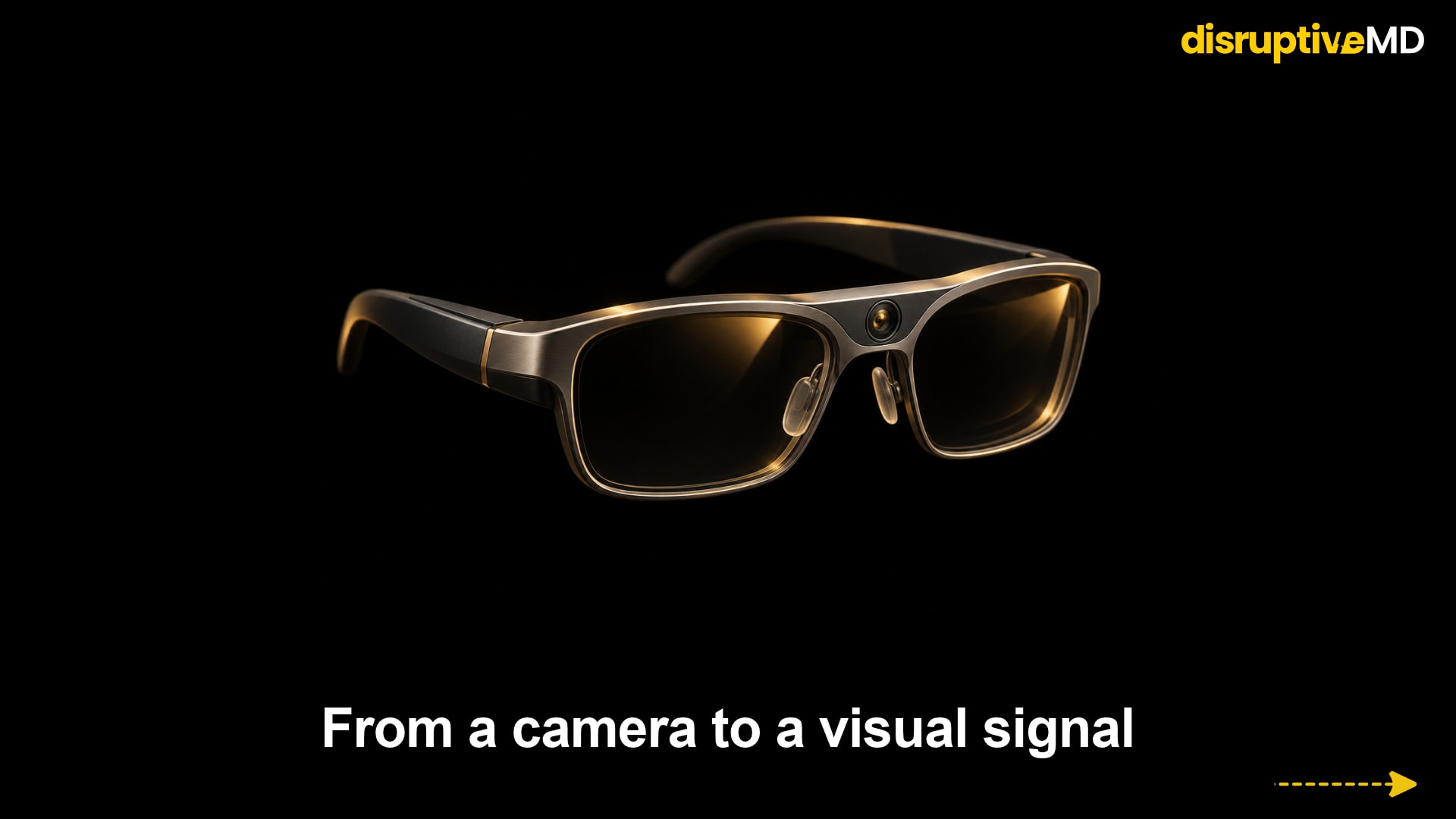
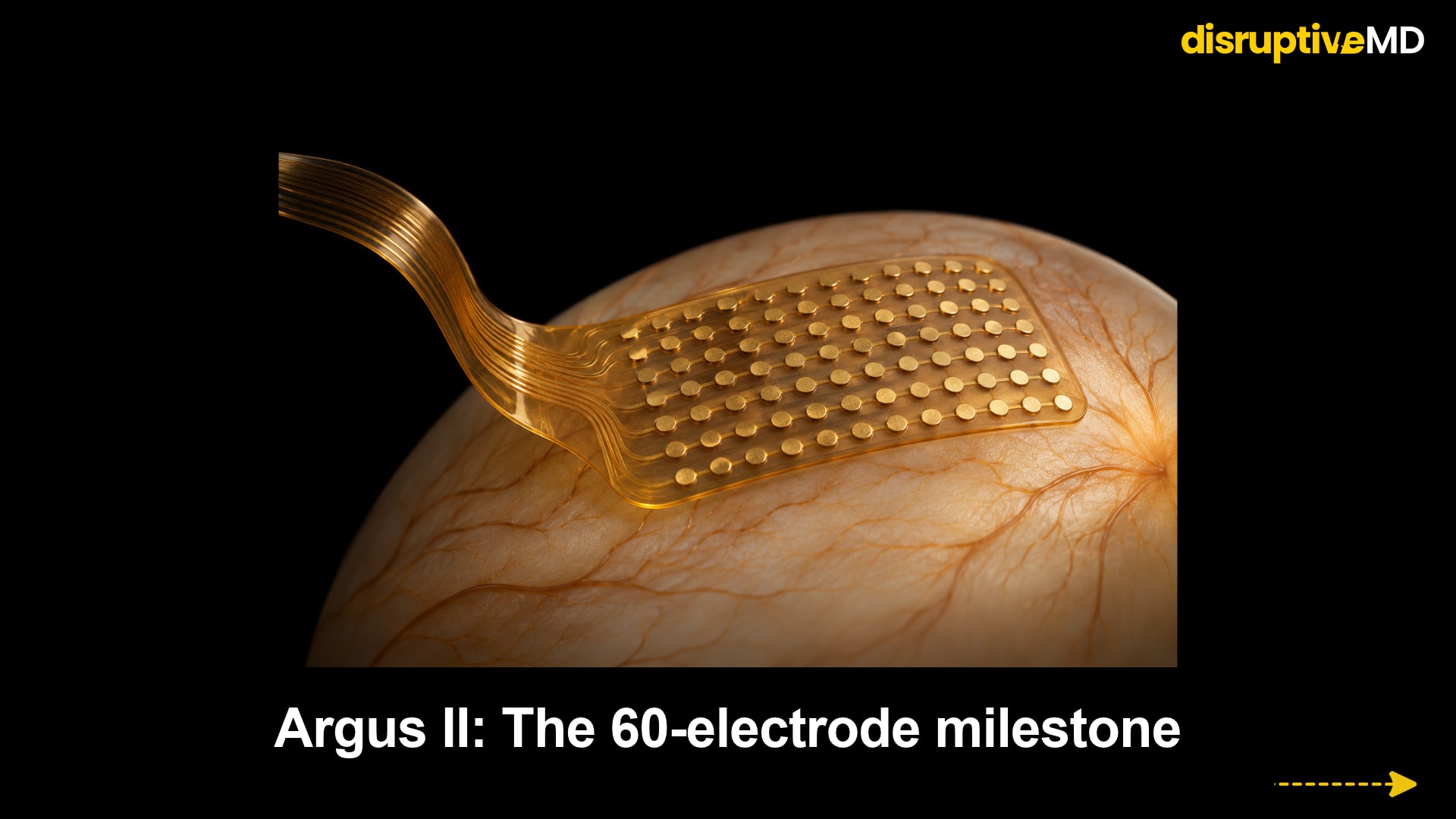
The system combined a camera on glasses, a portable video processor, wireless communication, and an implanted array of 60 electrodes. The camera recorded a scene; the processor converted it into stimulation instructions. The electrodes activated surviving retinal cells, allowing signals to travel through the optic nerve toward the brain.
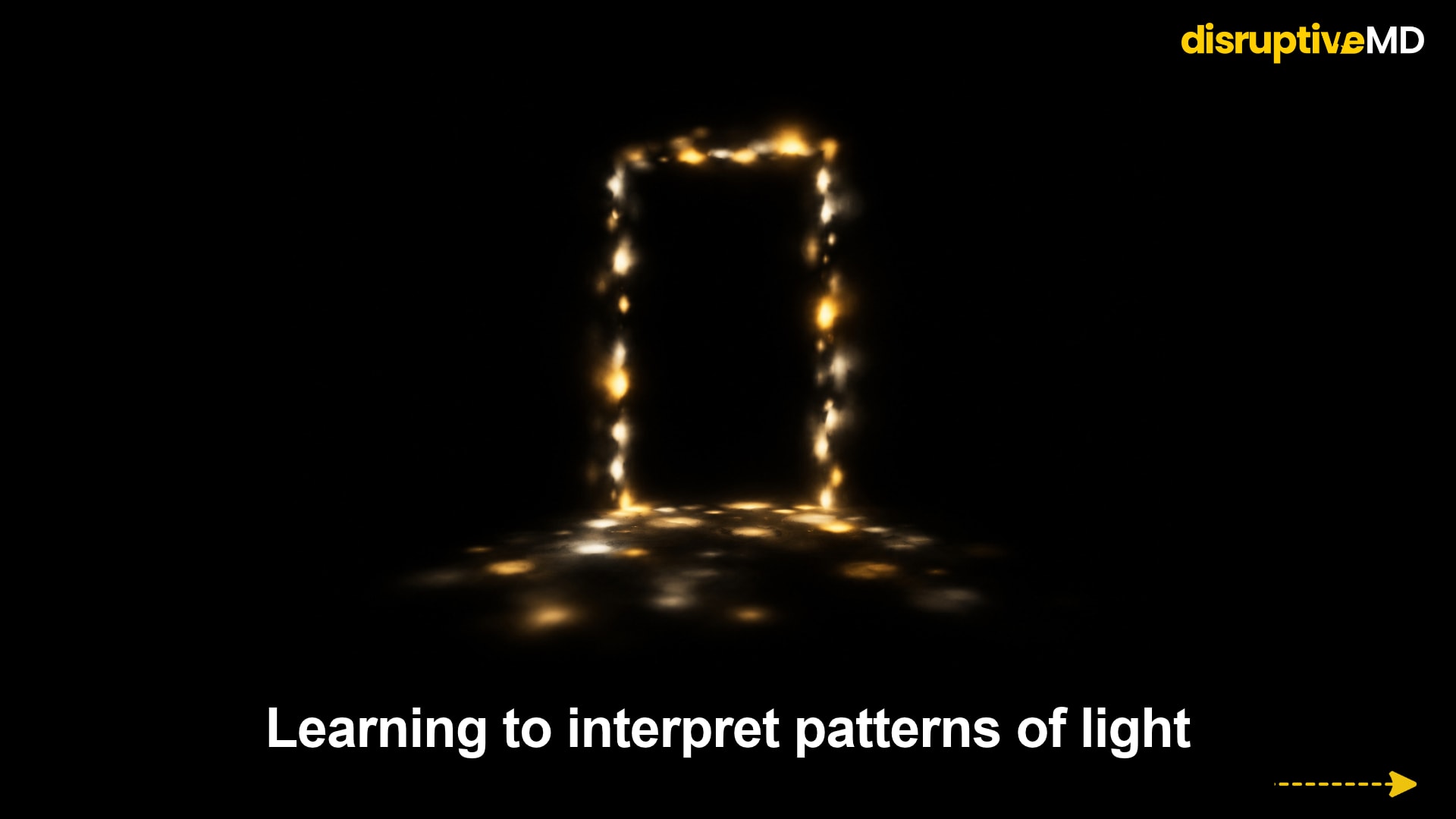
Users perceived spots or patterns of light, often called phosphenes. With rehabilitation, some could use this information to locate objects or identify large letters. The device did not provide the detailed visual scene a normally sighted person experiences. Not every electrode produced a separate usable spot, so describing it as a simple 60-pixel screen is misleading.
Patient selection was essential. The original US indication included adults aged at least 25 with bare or no light perception in both eyes and a previous history of useful form vision. Appropriate surviving retinal function and the ability to complete follow-up and rehabilitation were also necessary. Significant optic nerve disease could prevent the system from working.
PRIMA uses light to power a retinal implant
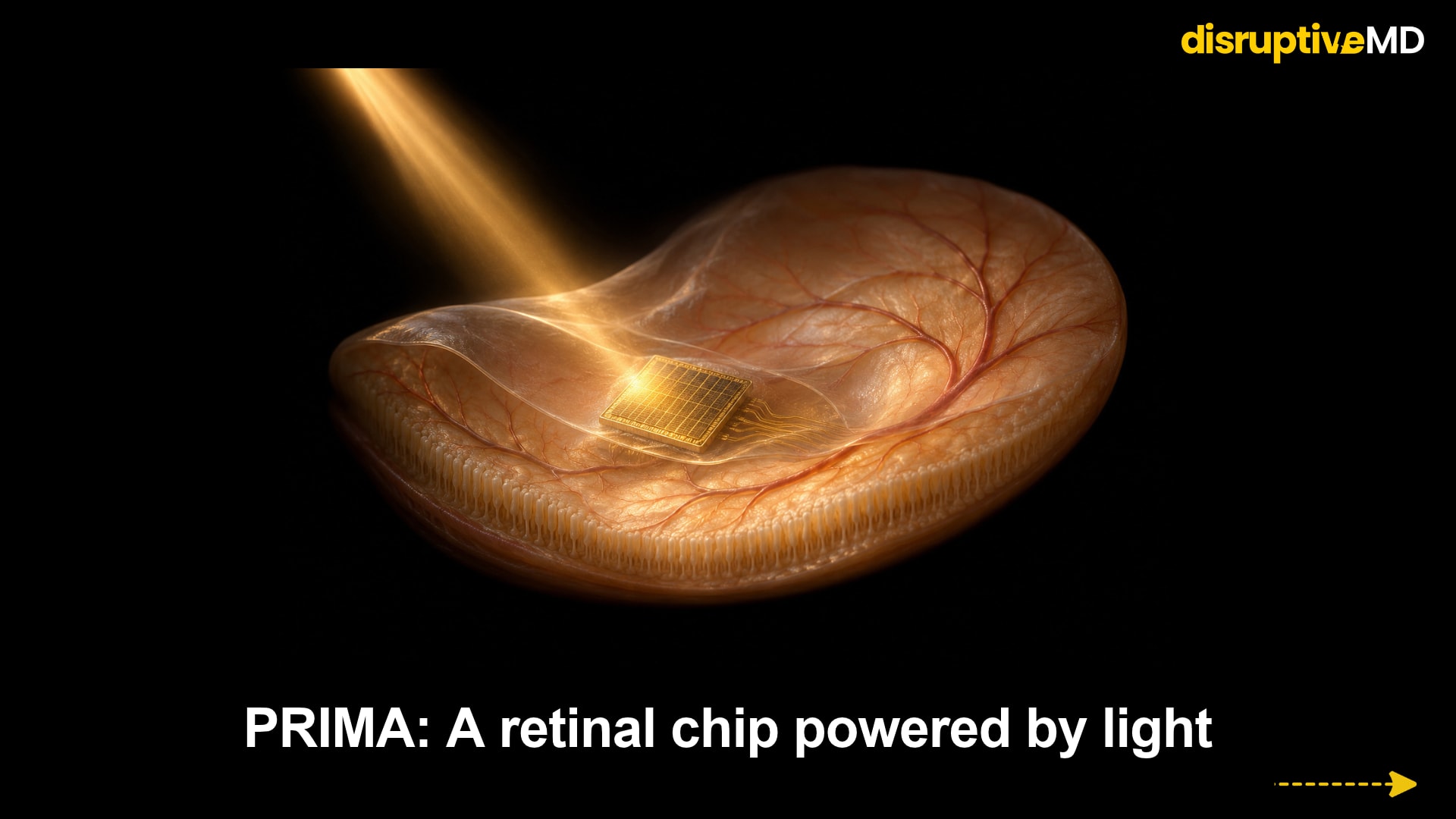
PRIMA takes a different approach. A tiny chip sits beneath the retina, and specialised glasses project near-infrared light onto it. Photovoltaic pixels convert that light into electrical stimulation of the remaining retinal circuitry. The glasses also allow image enhancement and magnification.
Its pivotal study focused on geographic atrophy caused by age-related macular degeneration, which damages the central retina. This differs from the profound retinal blindness targeted by Argus II. The published results showed improvement in visual acuity, but the systems were studied in different populations and should not be treated as a direct head-to-head comparison.
There has also been a regulatory change. Science Corporation announced European CE marking and commercial launch in July 2026. Its October update reported availability in Europe and the United Kingdom, while US FDA approval remained pending. Regulatory permission does not itself establish access at every hospital or reimbursement for every eligible patient.
In October 2026, the company reported three-year PRIMAvera follow-up presented at EURETINA. Among 18 participants assessed for visual performance, the mean gain was 29 eye-chart letters compared with baseline. That is encouraging, but the original cohort contained 38 people. These company-reported conference findings require separate consideration from the peer-reviewed one-year results.
Orion stimulates the visual cortex
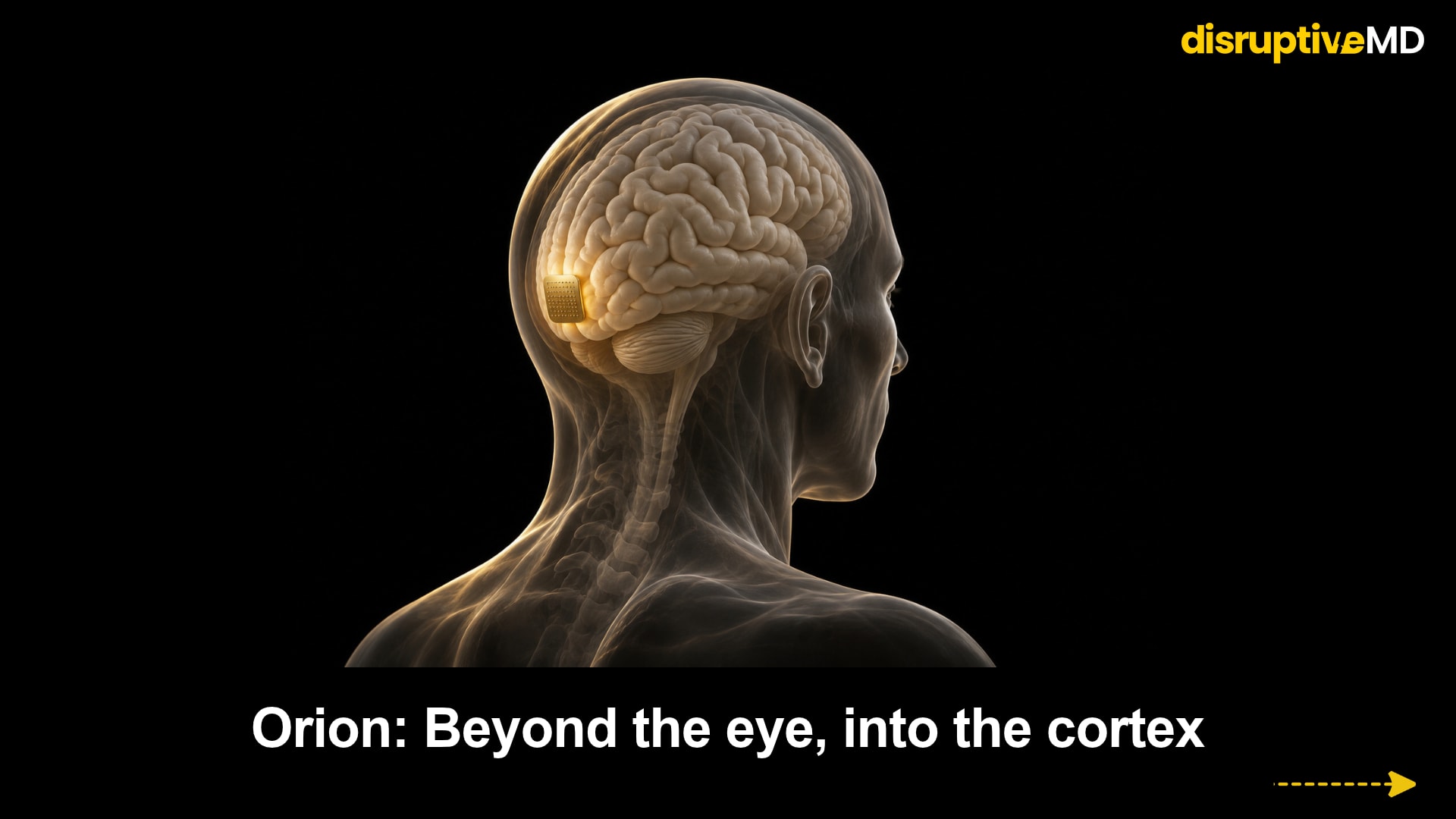
Orion moves the electrode array to the surface of the brain region involved in vision. The aim is to bypass damaged structures earlier in the visual pathway. Cortigent reports a completed six-year early feasibility study involving six participants. Orion remains in development and is not approved for commercial sale. Its small feasibility study cannot establish broad effectiveness across causes of blindness.
Challenges and limits
Useful artificial vision remains different from normal sight. Resolution, contrast, the size of the visible area, and the ability to interpret signals all matter. Improvements on a controlled test do not automatically translate into effortless reading, recognising faces, or independent navigation.
Surgery also carries risks. Argus II studies documented complications including tissue erosion, low eye pressure, infection, and retinal detachment. Some systems failed or were removed. Newer retinal implants require their own safety assessment; a promising result with one design does not establish safety for another.
Rehabilitation and continuing care are part of the treatment. Devices must be fitted and programmed for the individual, and users may still need their usual mobility aids. The implant, external hardware, software, and clinical support all contribute to whether the system remains useful over time.
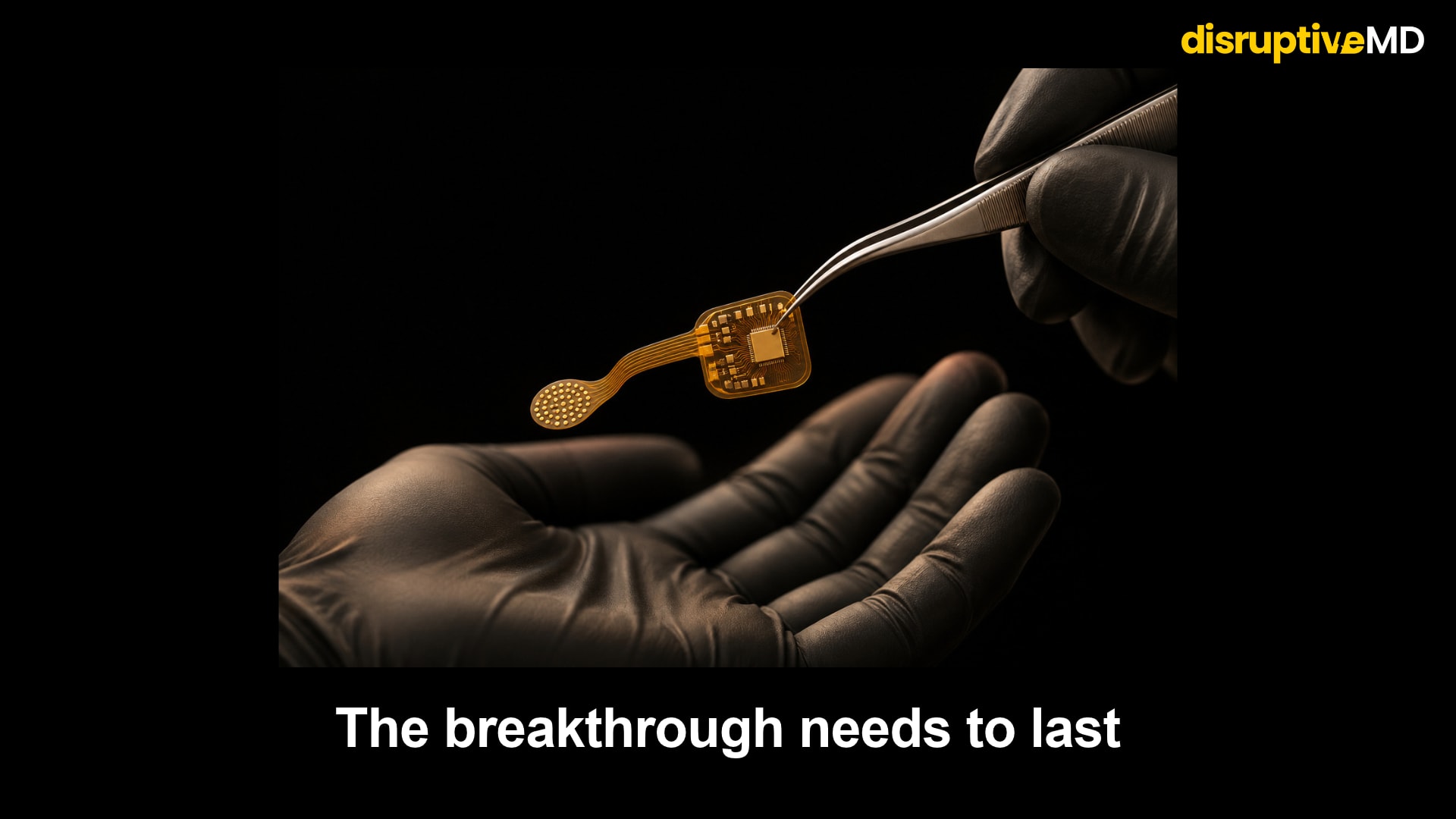
Commercial durability matters too. Cortigent states that Argus II was marketed from 2011 to 2019 and implanted in more than 350 people. Its discontinuation makes long-term maintenance and support a practical consideration for future implant programmes.
Fact Base
- Argus II approval: The FDA decision is dated 13 February 2013. Approval used the Humanitarian Device Exemption pathway, which requires evidence of safety and probable benefit and exempts the device from the usual effectiveness requirement.
- Argus II follow-up: A five-year study enrolled 30 people at 10 centres. Twenty-four had functioning implanted systems at five years. Group performance was better with the device on than off. Only 20 or 21 completed the different visual-performance tests at that time, which limits interpretation.
- Argus II safety: The same study recorded 24 serious device- or surgery-related adverse events in 12 participants over five years. Benefits therefore need to be considered alongside the risks of implantation and ongoing follow-up.
- PRIMA results: The study published online in the New England Journal of Medicine in October 2025 implanted 38 participants. At 12 months, 26 of the 32 assessed participants, or 81%, met the study threshold of at least two eye-chart lines of improvement. This was an open-label, single-group study.
- PRIMA safety: The one-year report recorded 26 serious adverse events in 19 participants. Most occurred soon after surgery. Mean natural peripheral visual acuity remained equivalent to baseline.
- Current status: Argus II is no longer commercially available. Science reports PRIMA availability in Europe and the UK, with US approval pending. Orion remains investigational. These statuses describe different devices and must not be used interchangeably.
Key Takeaway
Mark Humayun and the Argus II team helped demonstrate that an electronic implant could give selected people with profound blindness useful visual information. That achievement was real, even though the resulting sight was limited and the product was later discontinued.
The field is now testing how much clearer and more useful artificial vision can become. Light-powered retinal implants and direct stimulation of the visual cortex offer different routes. Their value will be determined by durable everyday benefit, acceptable surgical risk, and care that continues for as long as the patient needs it.
References
Sources checked 13 November 2026. Manufacturer updates are identified separately from peer-reviewed studies.
-
US Food and Drug Administration. Argus II Retinal Prosthesis System. Humanitarian Device Exemption H110002. Decision dated 13 February 2013. FDA approval record
-
US Food and Drug Administration. Argus II Summary of Safety and Probable Benefit. 2013. FDA safety and benefit review
-
Second Sight Medical Products. Argus II device labelling and patient manual, hosted by the FDA. Device and patient information
-
University of Southern California. Retinal Implant Wins FDA Approval. 14 February 2013. USC report
-
University of Southern California. Mark Humayun receives the National Medal from President Obama. 2016. USC report on the award
-
National Eye Institute. NEI-Funded Device for People with RP Gets FDA Approval. 18 February 2013. NEI explanation of the system
-
da Cruz L, Dorn JD, Humayun MS, et al. Five-Year Safety and Performance Results from the Argus II Retinal Prosthesis System Clinical Trial. Ophthalmology. 2016;123:2248-2254. doi:10.1016/j.ophtha.2016.06.049. Open access clinical study
-
Cortigent. Technology Legacy. Current company information on Argus II commercial history and discontinuation. Argus II technology history
-
Holz FG, Le Mer Y, Muqit MMK, et al. Subretinal Photovoltaic Implant to Restore Vision in Geographic Atrophy Due to AMD. N Engl J Med. 2026;394:232-242. Published online 20 October 2025. doi:10.1056/NEJMoa2501396. Peer-reviewed PRIMA trial
-
Stanford Medicine. Eye prosthesis is the first to restore sight lost to macular degeneration. 20 October 2025. Research team explanation
-
Science Corporation. European commercial launch of PRIMA. 22 July 2026. Manufacturer announcement. European regulatory and launch update
-
Science Corporation. Long-term 36-month results of the PRIMA clinical trial. 5 October 2026. Company report of EURETINA conference findings. Three-year update and stated availability
-
Cortigent. Clinical Development. Current company summary of the Orion early feasibility study and development status. Orion study and regulatory status


