
One of the oldest gym supplements is suddenly being discussed as a brain supplement. Is the hype justified?
For decades, creatine had a very specific image.
It belonged in gyms.
Bodybuilders used it to gain muscle. Athletes used it to improve power. Strength coaches recommended it for training performance.
And that reputation was largely deserved.
Creatine is one of the most extensively studied sports supplements available, with strong evidence supporting improvements in strength, repeated high-intensity exercise performance and resistance-training adaptations.
But something interesting has happened.
Creatine has escaped the weight room.
It is now being discussed in conversations about healthy ageing, sarcopenia, women’s health, rehabilitation, cognition, sleep deprivation, depression and brain-energy metabolism.
On social media, the transformation has been even more dramatic.
Creatine is increasingly described as a “brain supplement,” a nootropic and even a longevity intervention.
That raises a much more important question than whether creatine works:
Is creatine becoming a serious healthspan supplement — or is a proven muscle supplement being turned into an overhyped brain pill?
The answer depends on separating three things:
What creatine clearly does.
What creatine might do.
And what the internet wishes it did.











- Creatine is a naturally occurring compound made by the body and also obtained through diet.
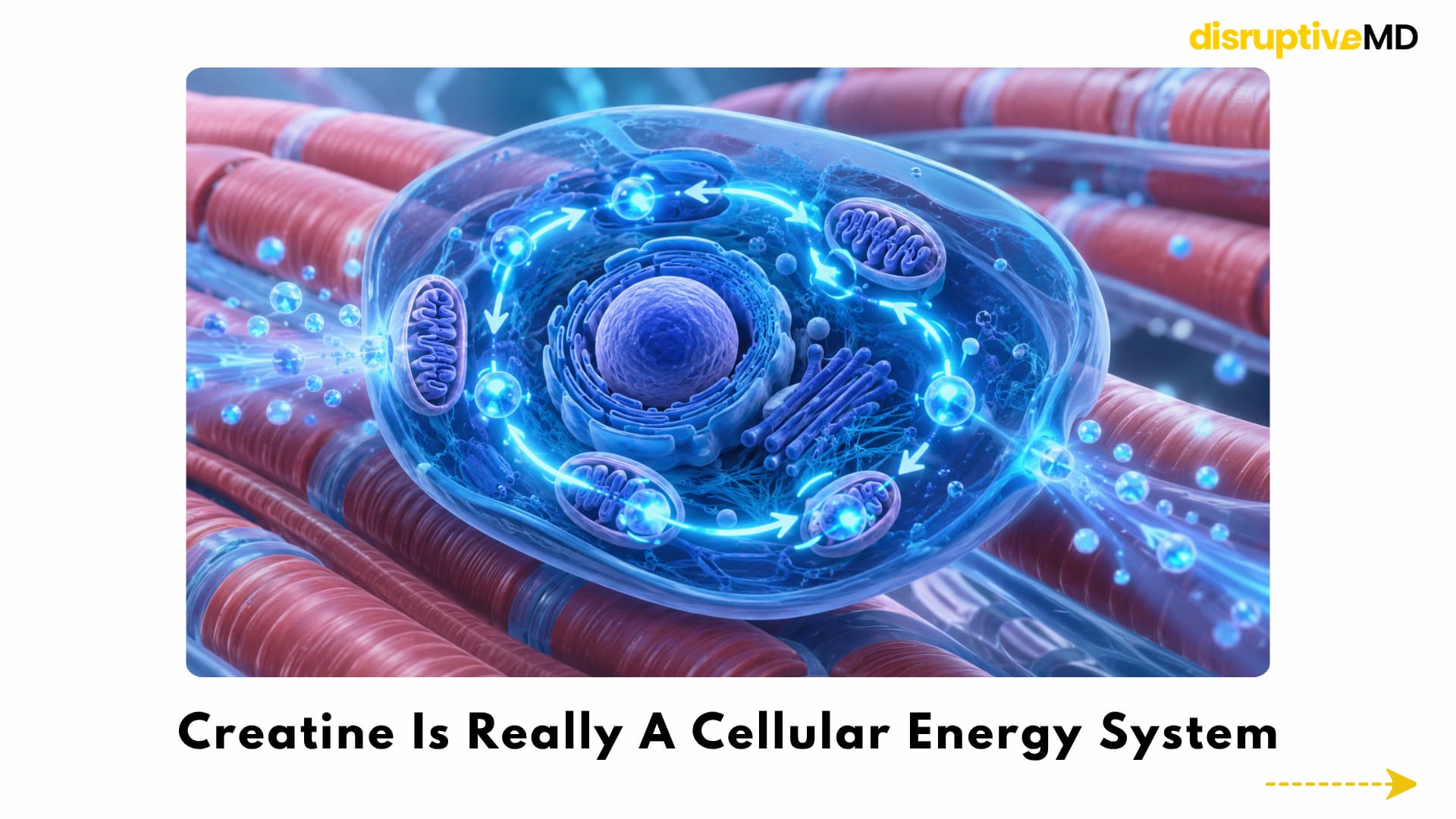
- Creatine helps cells rapidly recycle ATP — the immediate energy currency used by cells.
- The creatine–phosphocreatine system works like a cellular energy buffer during high energy demand.
CREATINE IS REALLY A CELLULAR ENERGY SYSTEM
Creatine is not a steroid.
It is not a hormone.
It is not a stimulant.
It is a naturally occurring compound that the body synthesises and that can also be obtained through the diet, particularly from meat and fish.
Its biological role is remarkably fundamental.
Creatine helps cells rapidly recycle ATP.
ATP — adenosine triphosphate — is the immediate energy currency used by cells.
But cells cannot store unlimited amounts of it.
During sudden periods of high energy demand, phosphocreatine can donate a phosphate group to ADP, rapidly helping regenerate ATP.
Think of the creatine–phosphocreatine system as a cellular energy buffer.
When a muscle suddenly has to generate enormous force during a sprint, jump, heavy lift or repeated explosive movement, the system helps maintain rapid energy availability.
This is why creatine became famous in sport.
But skeletal muscle is not the only tissue that depends on energy.
The brain does too.
And that is where the modern creatine story becomes much more interesting.
WHAT CREATINE CLEARLY DOES
Before talking about cognition, neuroprotection or longevity, the foundation matters.
Creatine’s strongest evidence remains physical.
Creatine supplementation — particularly creatine monohydrate — is well supported for improving aspects of:
- strength
- power
- repeated high-intensity performance
- resistance-training capacity
- lean mass gains when combined with resistance training
- muscular adaptation to training
A 2024 meta-analysis examining adults younger than 50 found that adding creatine to resistance training significantly improved both upper- and lower-body strength compared with resistance training alone.
Another 2024 meta-analysis found that creatine added to resistance training increased lean body mass by approximately 1.14 kg more than resistance training alone in the studies analysed.
But creatine does not simply “manufacture muscle.”
A more useful way to think about it is this:
Creatine can increase the energetic capacity to perform high-quality training.
One more repetition.
A little more power.
Slightly greater training volume.
Better repeated effort.
Those differences may look small during one workout.
Across months of consistent training, they can become meaningful.
That is the real foundation of creatine.
MUSCLE MAY BE THE MOST IMPORTANT LONGEVITY CONNECTION
Why has an old sports supplement suddenly entered the longevity conversation?
Because the way we think about muscle is changing.
Muscle is not merely something that makes a person look athletic.
Skeletal muscle is deeply connected to:
- mobility
- physical independence
- balance
- glucose metabolism
- metabolic health
- exercise capacity
- bone loading
- recovery from illness
- resilience against frailty
Ageing is often accompanied by declining muscle mass, strength and especially muscular power.
This matters because the ability to stand up, climb stairs, carry groceries, recover from illness and prevent falls can determine whether someone remains independent later in life.
Creatine therefore enters longevity medicine through a very practical pathway:
If it helps preserve training quality, muscle and strength, it may help support physical healthspan.
That does not make creatine an anti-ageing drug.
It makes it a potentially useful tool inside something far more powerful: maintaining muscle throughout life.
CREATINE AND SARCOPENIA
Sarcopenia refers to age-associated deterioration in muscle strength and muscle quantity or quality, often accompanied by declining physical performance.
And this is one area where creatine becomes particularly interesting.
A 2025 systematic review and meta-analysis examining creatine alongside resistance training in older adults found improvements in lean tissue mass and lower-body strength compared with resistance training plus placebo.
A newer 2026 meta-analysis similarly found that creatine added to resistance training produced a modest improvement in strength, although additional effects on muscle mass and overall physical function were less certain.
That nuance is important.
Creatine should not be marketed as a passive treatment for muscle ageing.
The more defensible message is:
Creatine may support muscle ageing best when paired with resistance training — not as a passive anti-ageing pill.
Training supplies the stimulus.
Adequate nutrition supplies the building materials.
Creatine may help support the energetic environment in which adaptation occurs.
WOMEN’S HEALTH MAY BE ONE OF CREATINE’S MOST IMPORTANT NEXT CHAPTERS
For most of its commercial history, creatine was marketed overwhelmingly toward young men.
That image is beginning to change.
Researchers are increasingly examining creatine across female physiology and ageing, particularly around strength, lean mass and menopause.
A 2026 systematic review and meta-analysis of seven randomized trials involving 608 postmenopausal women found that creatine supplementation produced a small increase in lean mass and improved leg-press strength.
The clearest benefits were seen when at least 5 g/day was combined with resistance training.
At the same time, bone mineral density was not significantly improved overall.
That gives us an important distinction. Creatine may become useful in conversations about maintaining muscle and strength in women as they age. But that does not mean it has been proven to treat menopause or osteoporosis. The muscle story is considerably stronger than the bone story.
VEGETARIANS, VEGANS AND THE IMPORTANCE OF BASELINE CREATINE
Creatine is naturally present in animal-derived foods, particularly meat and fish.
People consuming little or no animal food may therefore obtain less creatine through their diet.
This introduces an interesting concept:
Not everyone starts from the same creatine baseline.
Muscle creatine concentrations can differ according to diet, and vegetarians can experience substantial increases in tissue creatine following supplementation.
Some cognition studies have also raised the possibility that people with lower baseline dietary creatine exposure may respond differently.
But the exact relationship between diet, baseline creatine status and the magnitude of every clinical benefit remains unsettled.
The important lesson is broader:
Individual response matters.
Diet.
Age.
Muscle mass.
Training status.
Baseline creatine stores.
Potentially genetics and other metabolic factors.
This is another reason why “everyone needs creatine” is much harder to defend than “creatine can be useful.”
CREATINE AND BRAIN
This is where creatine went from familiar to futuristic.
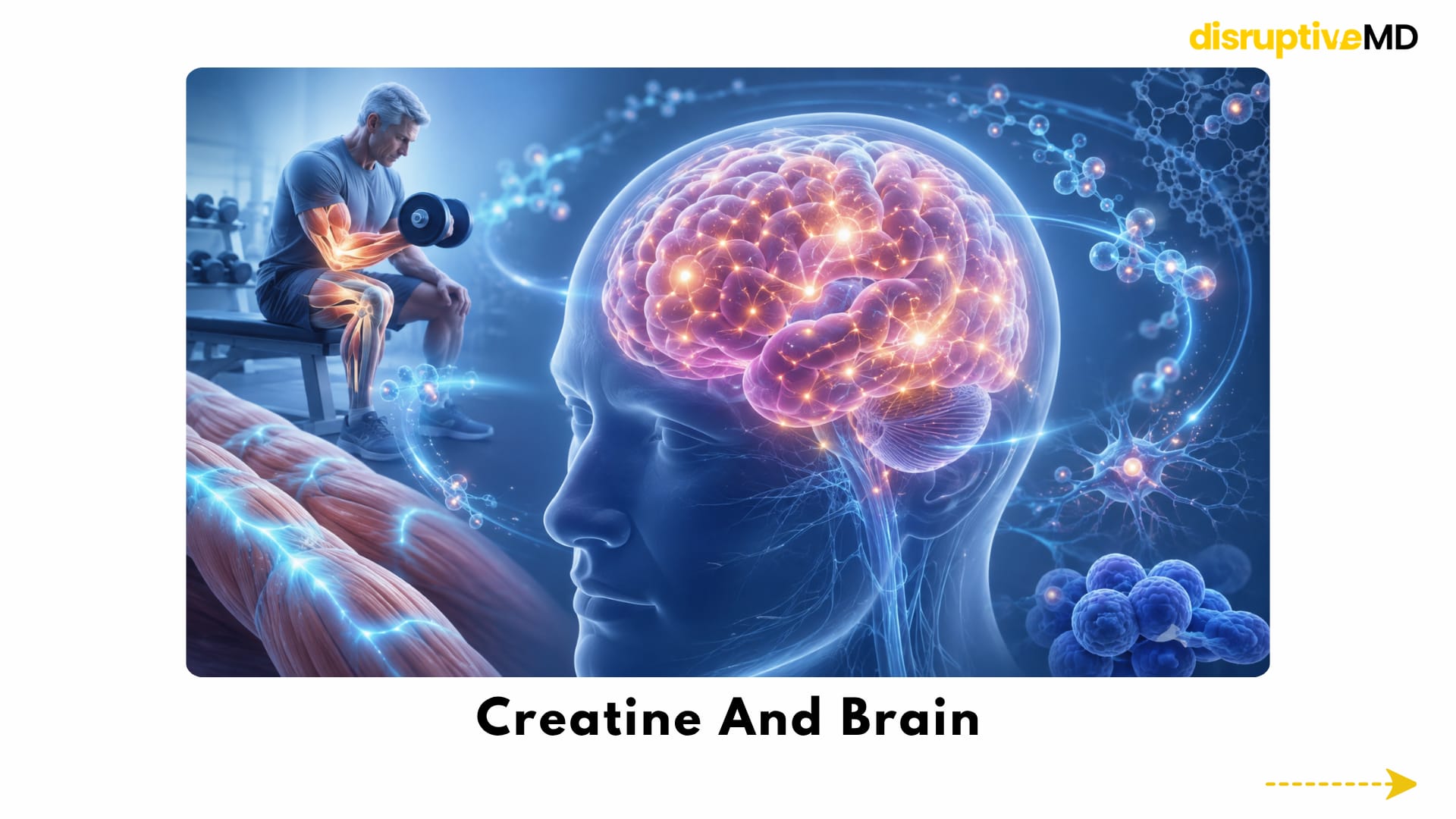
The brain may account for only a small fraction of total body mass, but it is exceptionally energy demanding.
Neurons continuously need energy to maintain membrane potentials, transmit signals, recycle neurotransmitters and sustain cellular function.
The creatine–phosphocreatine system also exists in the brain.
So researchers began asking a logical question:
If creatine can help buffer energy in muscle, could it also support the brain?
Mechanistically, the idea makes sense.
Clinically, things become much more complicated.
A major 2026 review concluded that creatine has promising potential for brain health but emphasized that the existing literature remains small and inconsistent, with significant challenges involving brain-creatine measurement, dosing and interpretation.
This is where the hype begins to run ahead of the science.
THE BRAIN IS HARDER TO “LOAD” THAN MUSCLE
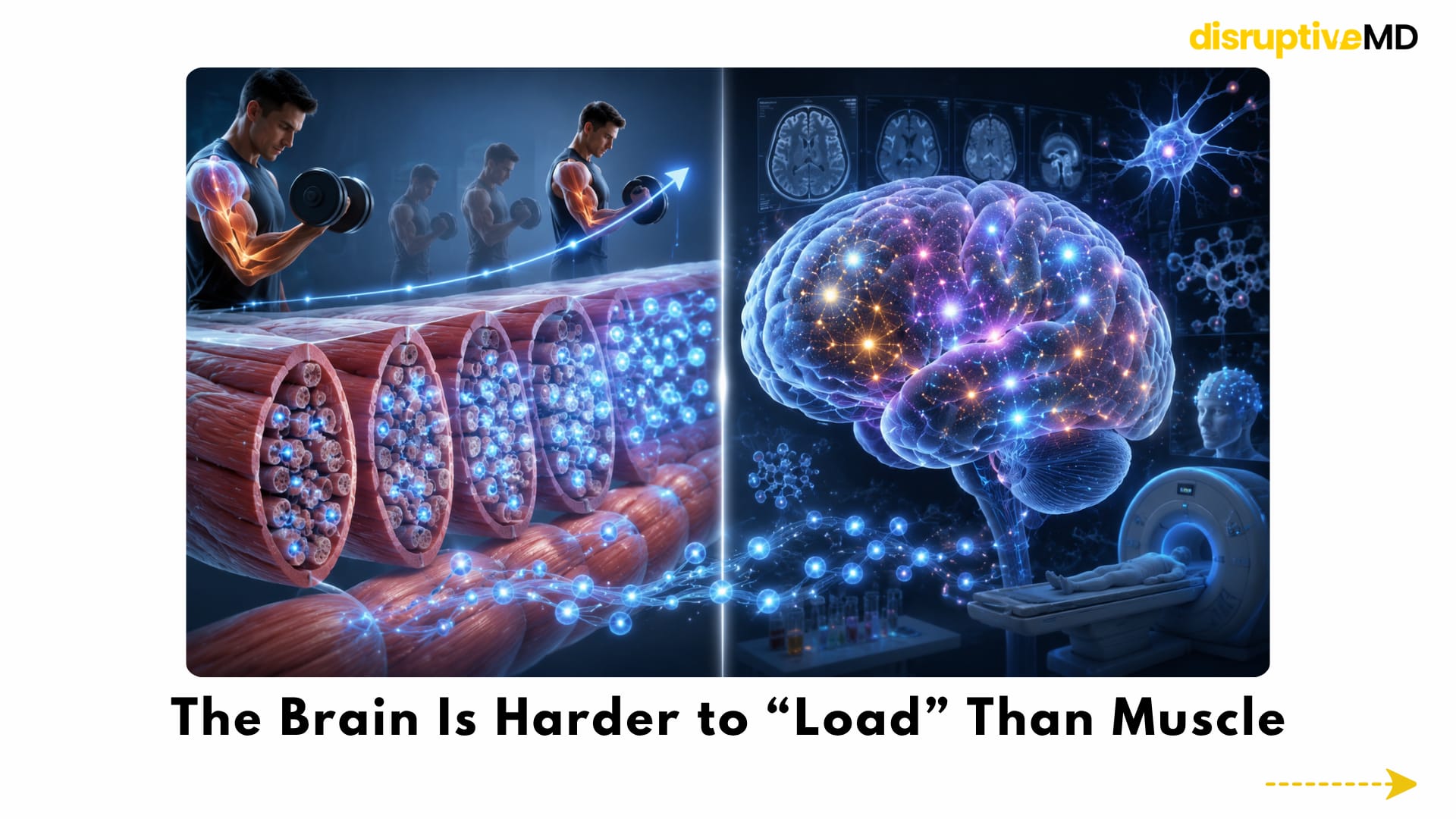
Give someone creatine consistently and skeletal-muscle creatine stores generally rise.
The brain is not so simple.
Creatine entry and regulation in the central nervous system are more tightly controlled, and increases in brain creatine after supplementation appear less predictable than increases in skeletal muscle.
Researchers also face a measurement problem.
Brain creatine is often assessed using magnetic resonance spectroscopy, but results can be influenced by:
- the brain region being measured
- imaging methodology
- baseline creatine levels
- supplementation dose
- duration of supplementation
- individual biological variation
The 2026 review of creatine and brain health specifically identified difficulties in the accuracy, reproducibility and interpretation of brain-creatine measurements as a major obstacle in the field.
That matters because the simplistic internet story looks like this:
Take creatine → brain creatine rises → cognition improves.
The actual biology is much less predictable.
COGNITION: PROMISING, BUT FAR FROM SETTLED
Does creatine improve memory?
Attention?
Processing speed?
Focus?
The answer currently depends heavily on which study, population and cognitive test you examine.
A 2024 systematic review and meta-analysis reported improvements in some measures of memory, attention time and processing speed, but did not find significant improvements in every cognitive domain.
Meanwhile, a formal 2024 scientific evaluation concluded that the available evidence was insufficient to establish a general cause-and-effect claim that creatine improves cognitive function.
The disagreement itself is informative.
It means there are signals worth investigating, but the evidence is not yet consistent enough to say:
“Creatine makes everyone smarter.”
It probably does not.
And it should not currently be marketed as a guaranteed memory or focus supplement.
MAYBE WE HAVE BEEN ASKING THE WRONG BRAIN QUESTION
The most interesting new direction in creatine research may not be whether it enhances a healthy, rested brain.
It may be whether creatine helps when the brain is energetically stressed.
This changes the question from:
Can creatine make normal cognition better?
to:
Can creatine help maintain cognition when energy demand becomes unusually high?
That could include situations such as:
- sleep deprivation
- intense mental fatigue
- hypoxia
- prolonged physiological stress
- certain neurological conditions
The distinction could become extremely important.
A healthy, rested brain may already have enough energetic reserve.
A metabolically stressed brain may be a different biological environment.
SLEEP DEPRIVATION MAY BE ONE OF THE MOST INTERESTING FRONTIERS
A 2024 controlled experiment examined a high single dose of creatine during 21 hours of sleep deprivation.
The researchers observed changes in cerebral high-energy phosphate metabolism alongside improvements in several measures of cognitive performance.
The effect did not appear instantly. It emerged over several hours and was sustained during the period of sleep loss.
That study generated substantial interest because it suggested that creatine might become more relevant precisely when cerebral energy metabolism is under pressure.
But it was one study under a very specific condition.
A 2026 systematic review of creatine during acute sleep deprivation found only five eligible studies. Overall results showed a favourable trend, but effects varied by cognitive domain and the authors emphasized that the evidence remained sparse.
That gives us perhaps the most accurate current interpretation:
Creatine may be more convincing as brain-energy support under metabolic stress than as a universal nootropic.
That is a much more interesting scientific hypothesis — and a much less marketable slogan.
WHAT ABOUT COGNITIVE AGEING?
Ageing brings together many factors that could theoretically make creatine relevant.
Older adults may experience changes in:
- muscle mass
- physical activity
- dietary intake
- metabolic health
- mitochondrial function
- brain-energy regulation
So naturally, researchers are investigating whether creatine could influence cognitive ageing.
A systematic review published in Nutrition Reviews examined the evidence specifically in adults aged 55 and older.
Only six eligible studies were identified.
Five reported some positive association between creatine and cognition, particularly memory and attention.
But there was a major limitation:
Only two were supplementation interventions, while four were cross-sectional studies estimating dietary creatine intake. Study quality also varied considerably.
The review therefore concluded that higher-quality clinical trials are needed.
Its methodology and interpretation have subsequently also been challenged in published commentary, further emphasizing how unsettled the field remains.
So the current position is straightforward:
Creatine and ageing muscle: increasingly convincing.
Creatine and ageing cognition: still a hypothesis being tested.
CREATINE AND DEPRESSION
Another surprising research direction is psychiatry.
Why would a sports supplement be investigated in depression?
Again, the connection is energy.
Altered cerebral energy metabolism and mitochondrial function have been investigated in mood disorders, creating interest in whether creatine could potentially work as an adjunct to conventional treatment.
A 2025 systematic review and meta-analysis examined 11 trials involving 1,093 participants.
Creatine was associated with a small-to-moderate average reduction in depressive symptoms, but the certainty of evidence was rated very low, heterogeneity was substantial, and the average effect did not reach the study’s threshold for clinical importance.
The authors concluded that the true effect could be small or even negligible.
So this is an area of genuine research interest.
It is not evidence that creatine can replace:
- antidepressant medication
- psychotherapy
- psychiatric assessment
- established mental-health care
Creatine belongs in the research conversation.
Not as a DIY replacement for treatment.
COULD CREATINE HELP REHABILITATION?
Creatine also has obvious appeal in rehabilitation.
Injury, surgery, immobilisation and illness can all produce:
- muscle loss
- reduced strength
- disuse
- reduced training tolerance
- slower return to physical function
If creatine can support muscle performance and adaptation, could it help during rehabilitation?
Potential areas include:
- post-injury strength recovery
- age-related weakness
- return to resistance training
- periods of reduced activity
- sarcopenia
- some clinical populations at risk of functional decline
A 2024 systematic review examining patients at risk of functional disability found improvements in several muscle and physical-function outcomes, but rated the underlying evidence as low or very low quality and called for better trials.
That makes creatine interesting as a rehabilitation adjunct.
It does not make it rehabilitation itself.
It cannot replace progressive loading, physiotherapy, adequate protein, appropriate sleep or necessary medical and surgical treatment.
CREATINE IS NOT A STEROID
This myth deserves to disappear.
Anabolic steroids act through hormone pathways, particularly androgen signalling.
Creatine does not.
Creatine is a nutrient-like compound involved in energy metabolism.
The fact that creatine can help someone gain more lean mass while resistance training does not turn it into a steroid.
Those are fundamentally different biological mechanisms.
Creatine may help you train better.
Steroids alter hormonal signalling.
They are not remotely the same category.
AND WHAT ABOUT THE KIDNEYS?
This may be the most persistent concern around creatine.
Part of the confusion comes from another word:
creatinine.
Creatinine is a breakdown product related to creatine metabolism and is commonly measured in blood as an indirect marker used to estimate kidney function.
Creatine supplementation can increase serum creatinine.
That can look alarming on a laboratory report.
But increased creatinine does not automatically mean that creatine has injured the kidneys.
A 2026 systematic review and meta-analysis of randomized trials found that creatine supplementation was associated with a modest rise in serum creatinine but no significant difference in urea or estimated glomerular filtration rate — eGFR — compared with controls.
Another recent meta-analysis reached a broadly similar conclusion regarding conventional kidney-function measures.
That said, the evidence should not be stretched into:
“Creatine is safe for absolutely everybody.”
Most reassuring safety data apply to studied doses and populations, particularly people without significant kidney disease.
Anyone with:
- known kidney disease
- significant chronic illness
- complex medication use
- unusual laboratory results
- pregnancy or other situations requiring individualized medical advice
should not assume that general supplement research automatically applies to them.
THE BORING FORM IS STILL THE BEST-SUPPORTED FORM
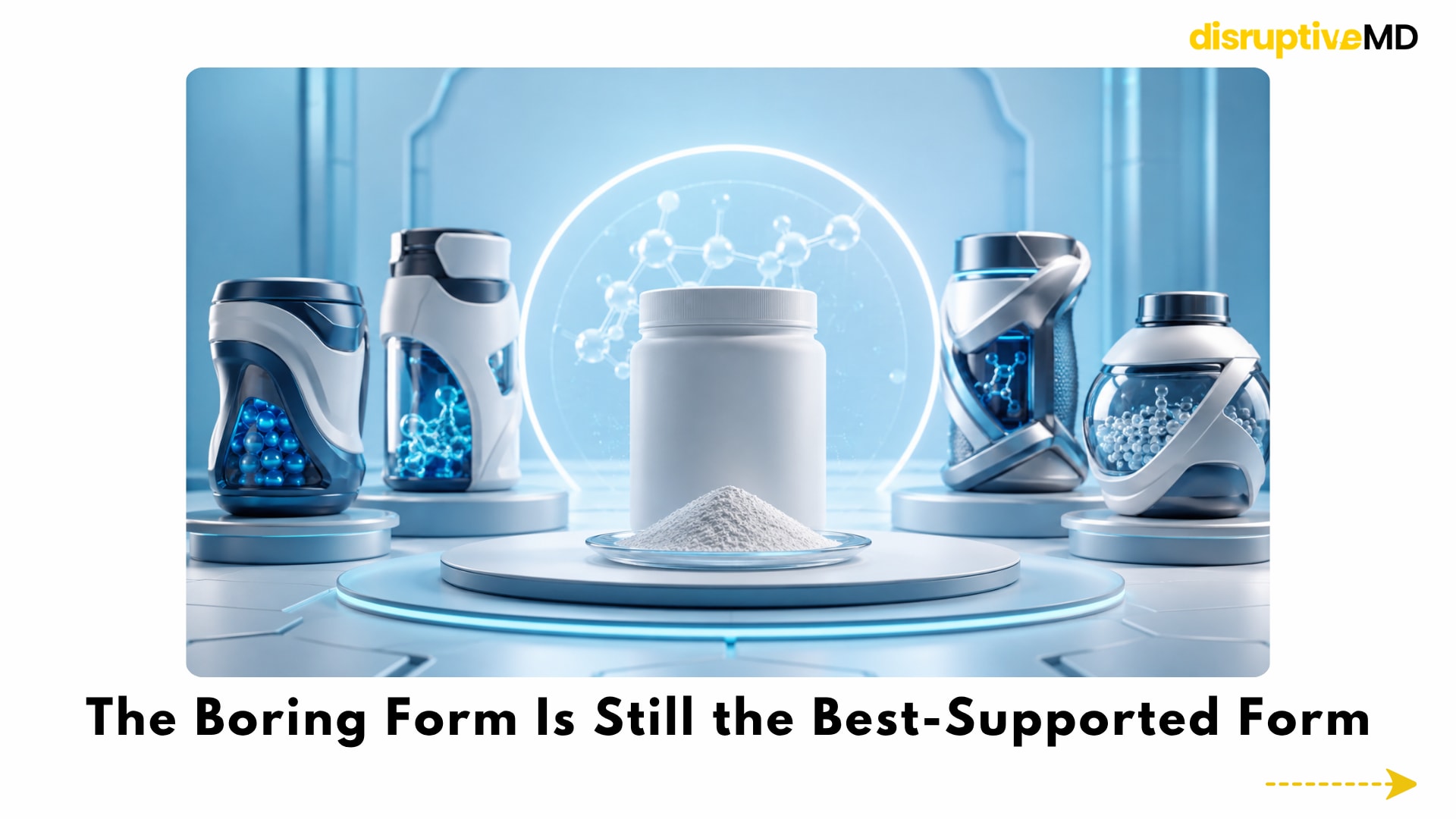
Supplement marketing has produced an impressive collection of creatine varieties.
Creatine hydrochloride.
Buffered creatine.
Creatine nitrate.
Creatine citrate.
Special delivery systems.
“Advanced” creatine.
“Ultra-absorbable” creatine.
Yet the form supported by the deepest body of evidence remains remarkably boring:
Creatine monohydrate.
A comprehensive review of alternative formulations concluded that creatine monohydrate remains the form with the strongest evidence for bioavailability, efficacy and safety, while other forms have not demonstrated consistent superiority.
This creates one of the most useful lessons in supplement science:
Newer is not automatically better.
And expensive is not automatically more effective.
HOW MUCH CREATINE?
For conventional muscle supplementation, one of the simplest commonly used approaches is:
Around 3–5 grams of creatine monohydrate per day.
A loading phase can increase muscle creatine stores more rapidly.
A commonly studied loading protocol is approximately:
20–25 grams per day, divided into several smaller doses, for around 5–7 days, followed by a lower maintenance dose.
But loading is optional.
Using a smaller daily dose can also increase muscle creatine over time; it simply takes longer.
This becomes more complicated when discussing the brain.
Experimental brain studies sometimes use very different doses and protocols from ordinary sports supplementation.
That does not mean people should reproduce high-dose research protocols themselves.
The dose that reliably increases muscle creatine cannot automatically be assumed to be the optimal dose for every potential neurological application.
That question is still being investigated.
WHAT IS REAL TODAY?
There is enough creatine hype that a simple reality check is useful.
What is strongly supported
- Creatine can improve muscular strength.
- Creatine can support repeated high-intensity exercise performance.
- Creatine can enhance resistance-training adaptations.
- Creatine can increase lean mass when combined with resistance training.
- Creatine monohydrate is the most extensively studied formulation.
- Creatine can be useful outside competitive bodybuilding.
- Creatine combined with resistance training may support strength in older adults.
- Its safety profile is generally reassuring in healthy people at studied doses.
What is promising
- Supporting healthy ageing through muscle preservation.
- Some applications in postmenopausal muscle health.
- Physical rehabilitation and recovery from periods of disuse.
- Brain-energy support.
- Cognitive resilience during sleep deprivation.
- Cognition under metabolic stress.
- Cognitive ageing.
- Adjunctive research in depression.
What is not fully real yet
- Creatine as a guaranteed brain supplement.
- Creatine as a proven memory enhancer for everyone.
- Creatine as a universal nootropic.
- Creatine preventing dementia.
- Creatine as an anti-ageing drug.
- Creatine replacing resistance training.
- Creatine replacing adequate protein intake.
- Creatine compensating for chronic sleep deprivation.
- Creatine replacing medical or psychiatric care.
- Expensive creatine formulations being clearly superior to monohydrate.
- Universal benefit in every person.
- Strong proof of broad neuroprotection in healthy adults.
WHY CREATINE HAS BECOME FUTURISTIC AGAIN
There is something unusual about creatine.
Most futuristic health technologies begin with something new.
A new drug.
A new implant.
A new gene-editing platform.
A new AI system.
Creatine is almost the opposite.
The molecule is old.
The supplement is familiar.
The price is relatively low.
And its basic biology has been studied for decades.
What is changing is the question being asked.
For years, researchers largely asked:
Can creatine make muscles perform better?
Now the questions are becoming much bigger:
Can cellular energy support help preserve ageing muscle?
Could it improve physical resilience during rehabilitation?
Could people with low dietary creatine respond differently?
Can increased creatine availability protect cognitive performance when the brain is under energetic stress?
Could brain-energy metabolism become a therapeutic target in selected neurological or psychiatric conditions?
Those questions are what make creatine scientifically exciting again.
Not because creatine suddenly became a miracle supplement.
But because an old molecule may have more biology left to reveal.
KEY TAKEAWAY
Creatine has clearly outgrown its reputation as a supplement meant only for bodybuilders.
Its strongest and most established role remains in muscle and physical performance — improving strength, repeated high-intensity exercise capacity and resistance-training adaptation.
That foundation is supported by decades of research.
Its relevance to healthy ageing is also becoming increasingly important because preserving muscle strength and physical capacity is central to maintaining mobility and independence later in life.
But here, the most convincing model is not:
Take creatine and slow ageing.
It is:
Train your muscles — and creatine may help support the adaptation.
The brain story is different.
Creatine is clearly involved in cerebral energy metabolism, and emerging research in sleep deprivation, cognitive stress, ageing and depression is scientifically intriguing.
But the evidence is not yet strong or consistent enough to describe creatine as a universal nootropic, memory enhancer or brain-protective supplement.
That produces a remarkably simple hierarchy:
Muscle benefits are established.
Healthy-ageing applications are increasingly compelling.
Brain effects are promising — but still being defined.
And perhaps that is exactly why creatine deserves attention.
It does not need to be marketed as a miracle to be interesting.
The science we already have is impressive enough.
Creatine is no longer just a bodybuilding supplement — but the most honest science still says: proven for muscle, promising for the brain, and overhyped when sold as a miracle.
FACT BASE
1. Creatine’s strongest evidence remains muscular
Creatine monohydrate has extensive evidence supporting increased intramuscular creatine availability, high-intensity exercise capacity and resistance-training adaptations. More recent meta-analyses continue to show additional gains in strength and lean mass when creatine is paired with resistance training.
2. The ageing story is strongest when creatine is combined with resistance training
A 2025 meta-analysis found that creatine plus resistance training improved lower-body strength and lean tissue mass in older adults. A 2026 analysis found a modest additional strength benefit but greater uncertainty for muscle mass and physical function, reinforcing that creatine should be viewed as an adjunct rather than a standalone treatment for muscle ageing.
3. Postmenopausal women may gain muscle-related benefits
A 2026 systematic review and meta-analysis of seven randomized trials found small improvements in lean mass and leg-press strength, particularly when at least 5 g/day of creatine was combined with resistance training. Bone mineral density did not significantly improve overall.
4. Brain-creatine biology is real, but the clinical translation remains difficult
A 2026 review found plausible potential for creatine to support cerebral energetics, especially under metabolically demanding conditions, while emphasizing major uncertainties involving brain-creatine measurement, dosing, duration and cognitive outcomes.
5. Cognitive evidence remains mixed
A 2024 meta-analysis found benefits in selected cognitive domains, but the literature is heterogeneous and not all cognitive outcomes improved. More recent methodological commentary has also raised concerns about how some of this literature has been pooled and interpreted.
6. Sleep deprivation is one of the most interesting emerging areas
A 2026 systematic review identified only five relevant studies but found an overall favourable trend toward preserving aspects of cognitive performance during acute sleep deprivation. The evidence remains too sparse for broad clinical recommendations.
7. Creatine and cognitive ageing remain investigational
A systematic review of adults aged 55 and older identified only six eligible studies, only two of which were supplementation interventions. The findings were encouraging enough to justify further trials but insufficient to establish creatine as a routine intervention for cognitive ageing.
8. Depression research is promising but highly uncertain
A 2025 meta-analysis of 11 trials found a small-to-moderate average improvement in depressive symptoms, but the certainty of evidence was very low and the average improvement fell below the authors’ threshold for clinical importance.
9. Current kidney data are generally reassuring in studied populations
A 2026 meta-analysis found a modest increase in serum creatinine with supplementation but no significant difference in urea or eGFR. Because creatinine is itself related to creatine metabolism, an increase in serum creatinine does not automatically indicate kidney injury. Long-term evidence in higher-risk populations remains more limited.
10. Creatine monohydrate remains the benchmark
Despite numerous alternative formulations, creatine monohydrate continues to have the strongest overall evidence for bioavailability, efficacy and safety, and other marketed forms have not consistently demonstrated superiority.
REFERENCES
- Kreider RB, et al. International Society of Sports Nutrition position stand: safety and efficacy of creatine supplementation in exercise, sport, and medicine. Journal of the International Society of Sports Nutrition. 2017;14:18. DOI: 10.1186/s12970-017-0173-z.
- Wang Z, et al. Effects of Creatine Supplementation and Resistance Training on Muscle Strength Gains in Adults <50 Years of Age: A Systematic Review and Meta-Analysis. Nutrients. 2024;16(21):3665. DOI: 10.3390/nu16213665.
- Desai I, et al. The Effect of Creatine Supplementation on Resistance Training-Based Changes to Body Composition: A Systematic Review and Meta-analysis. Journal of Strength and Conditioning Research. 2024;38(10):1813–1821. DOI: 10.1519/JSC.0000000000004862.
- Liu S, et al. The impact of creatine supplementation associated with resistance training on muscular strength and lean tissue mass in the aged: a systematic review and meta-analysis. European Review of Aging and Physical Activity. 2025;22:26. DOI: 10.1186/s11556-025-00392-9.
- Naddafha S, et al. Creatine monohydrate for lean mass, strength, and bone density in postmenopausal women: a systematic review and meta-analysis. Journal of the International Society of Sports Nutrition. 2026;23(1):2668435. DOI: 10.1080/15502783.2026.2668435.
- Pratt J, Fuchs CJ, van Loon LJC, Kennerley AJ, Sale C. Creatine supplementation and brain health: Methodological challenges, current evidence, and translational perspectives. The Journal of Nutritional Physiology. 2026;5:100017. DOI: 10.1016/j.jnphys.2026.100017.
- Xu C, Bi S, Zhang W, Luo L. The effects of creatine supplementation on cognitive function in adults: a systematic review and meta-analysis. Frontiers in Nutrition. 2024;11:1424972. DOI: 10.3389/fnut.2024.1424972.
- Marshall S, et al. Creatine and Cognition in Aging: A Systematic Review of Evidence in Older Adults. Nutrition Reviews. 2026;84(2):333–344. DOI: 10.1093/nutrit/nuaf135.
- Williams NB, Hurley RB, Cevallos ME. Creatine Supplementation and Acute Sleep Deprivation: A Systematic Review of Cognitive, Psychomotor, and Mood Outcomes. 2026. DOI: 10.1177/27683605261456529.
- Eckert I, Lima J, Dariva AA. Creatine supplementation for treating symptoms of depression: a systematic review and meta-analysis. British Journal of Nutrition. 2025;134(11):947–959. DOI: 10.1017/S0007114525105588.
- Davies TW, et al. Creatine supplementation for optimization of physical function in the patient at risk of functional disability: A systematic review and meta-analysis. Journal of Parenteral and Enteral Nutrition. 2024;48(4):389–405. DOI: 10.1002/jpen.2607.
- Tsiaras A, et al. The effect of creatine supplementation on kidney function: a systematic review and meta-analysis of randomized controlled trials. Journal of Renal Nutrition. 2026. DOI: 10.1053/j.jrn.2026.04.010.
- Kreider RB, Jäger R, Purpura M. Bioavailability, Efficacy, Safety, and Regulatory Status of Creatine and Related Compounds: A Critical Review. Nutrients. 2022;14(5):1035. DOI: 10.3390/nu14051035.