
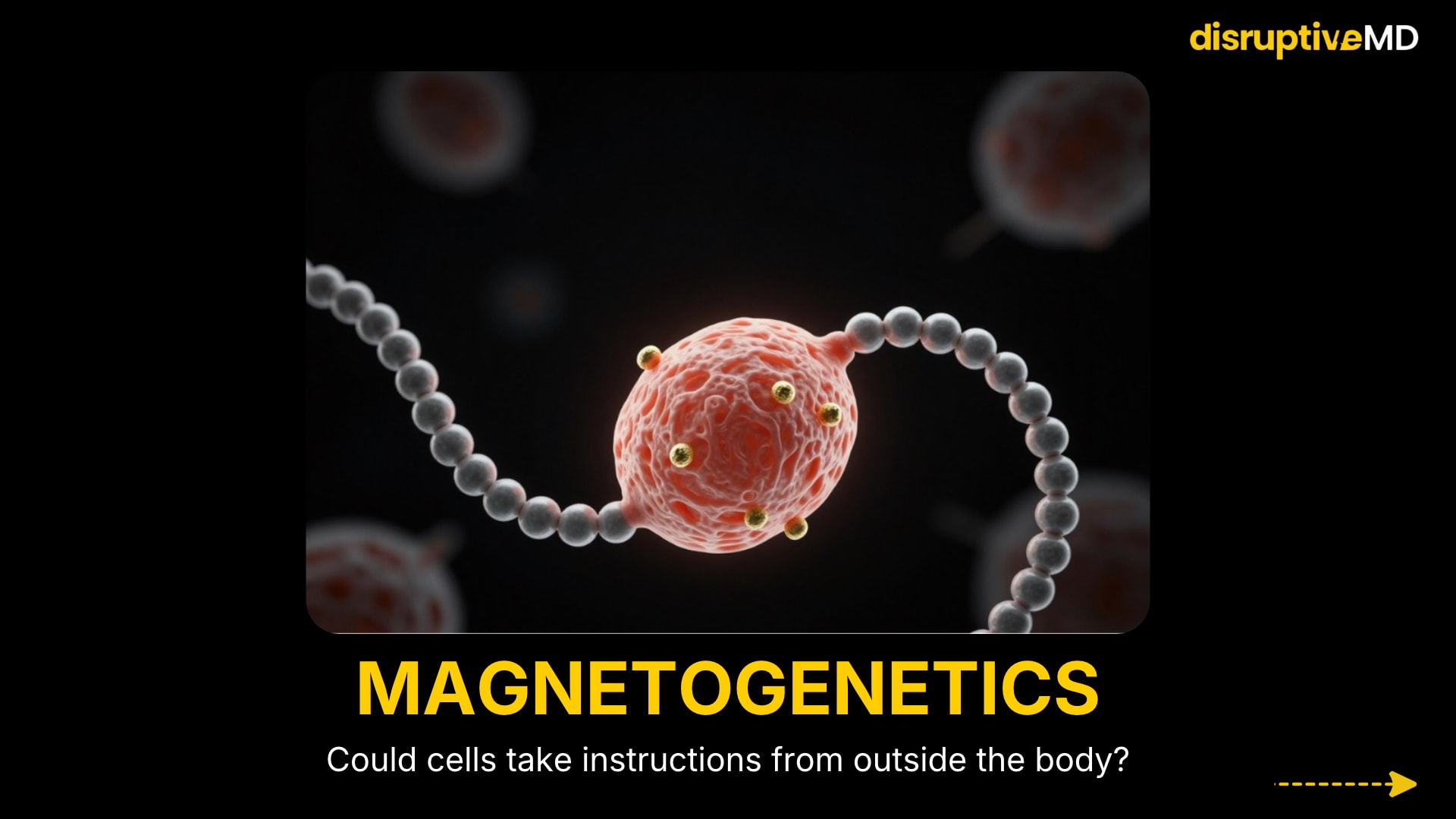
A small population of therapeutic cells could one day receive an instruction from outside the body: release a protein, alter a nerve signal, or activate a repair pathway. The instruction would arrive as a magnetic field, with specially designed particles helping cells respond.
This is the ambition behind magnetogenetics. Laboratory and animal studies have demonstrated several forms of magnetic cellular control, but reliable treatment in humans remains unproven. Researchers must engineer both the biological response and the physical mechanism that triggers it.
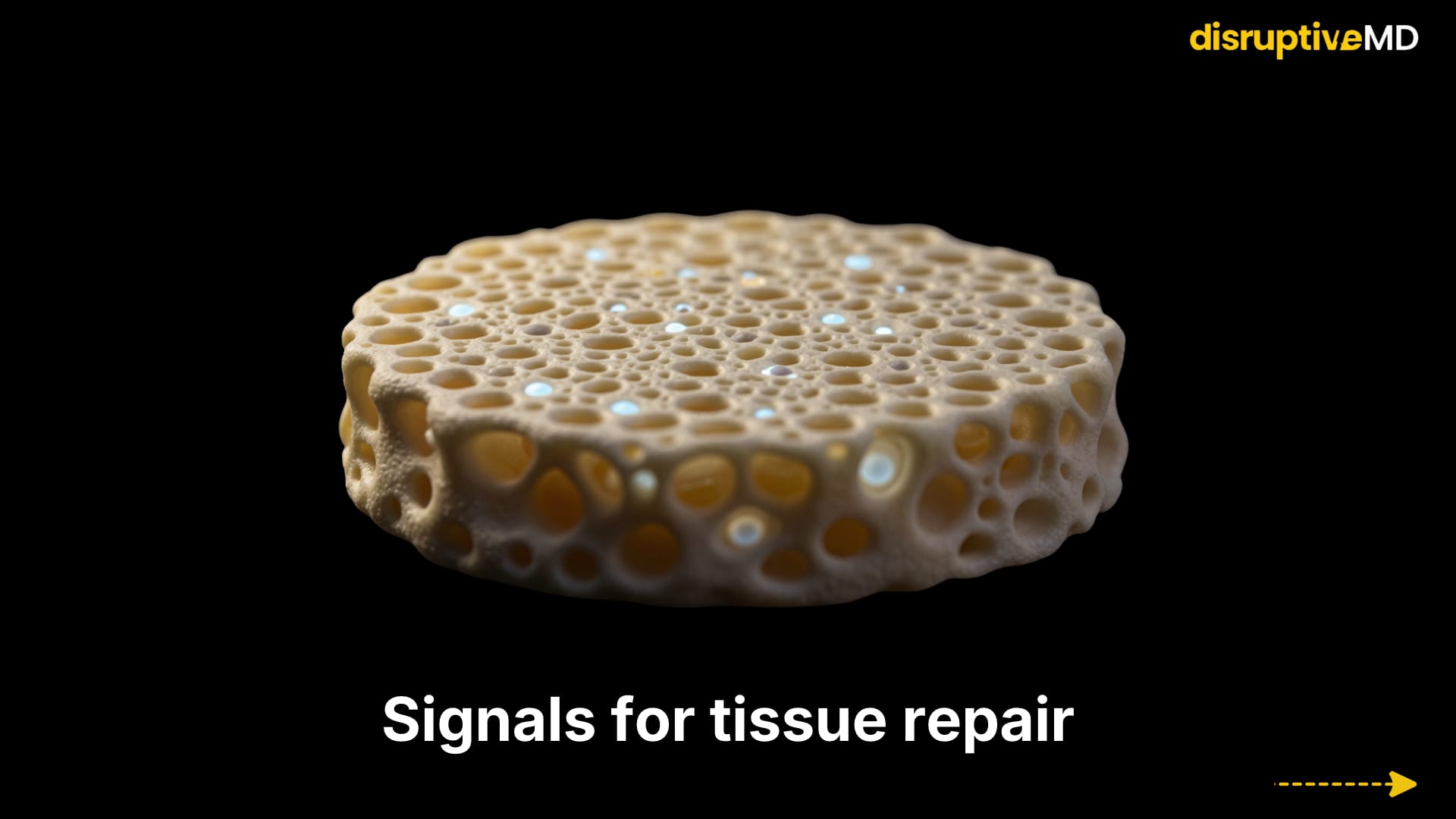
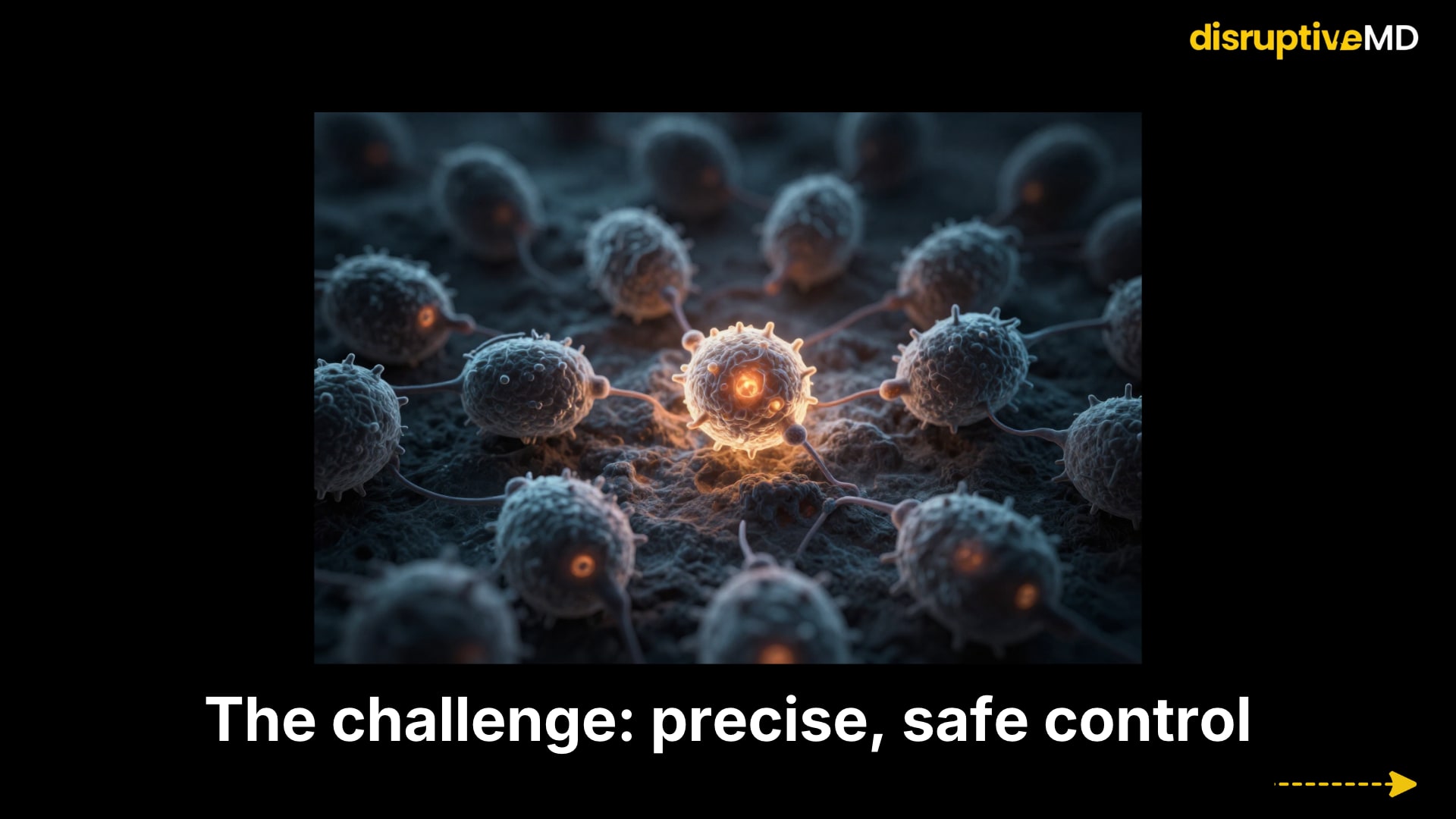
- Magnetic fields could control selected cells from outside the body.
- Responsive particles and engineered cells make this possible.
- Reliable treatment in humans remains unproven.
Core Purpose
Magnetogenetics aims to control selected cells and biological pathways remotely, potentially reducing the need for repeated drug administration or permanently implanted stimulation electrodes. Its long-term value would depend on delivering the right biological response at the right location, with a predictable dose and a safe way to stop.
Turning Magnetic Fields into Cellular Instructions
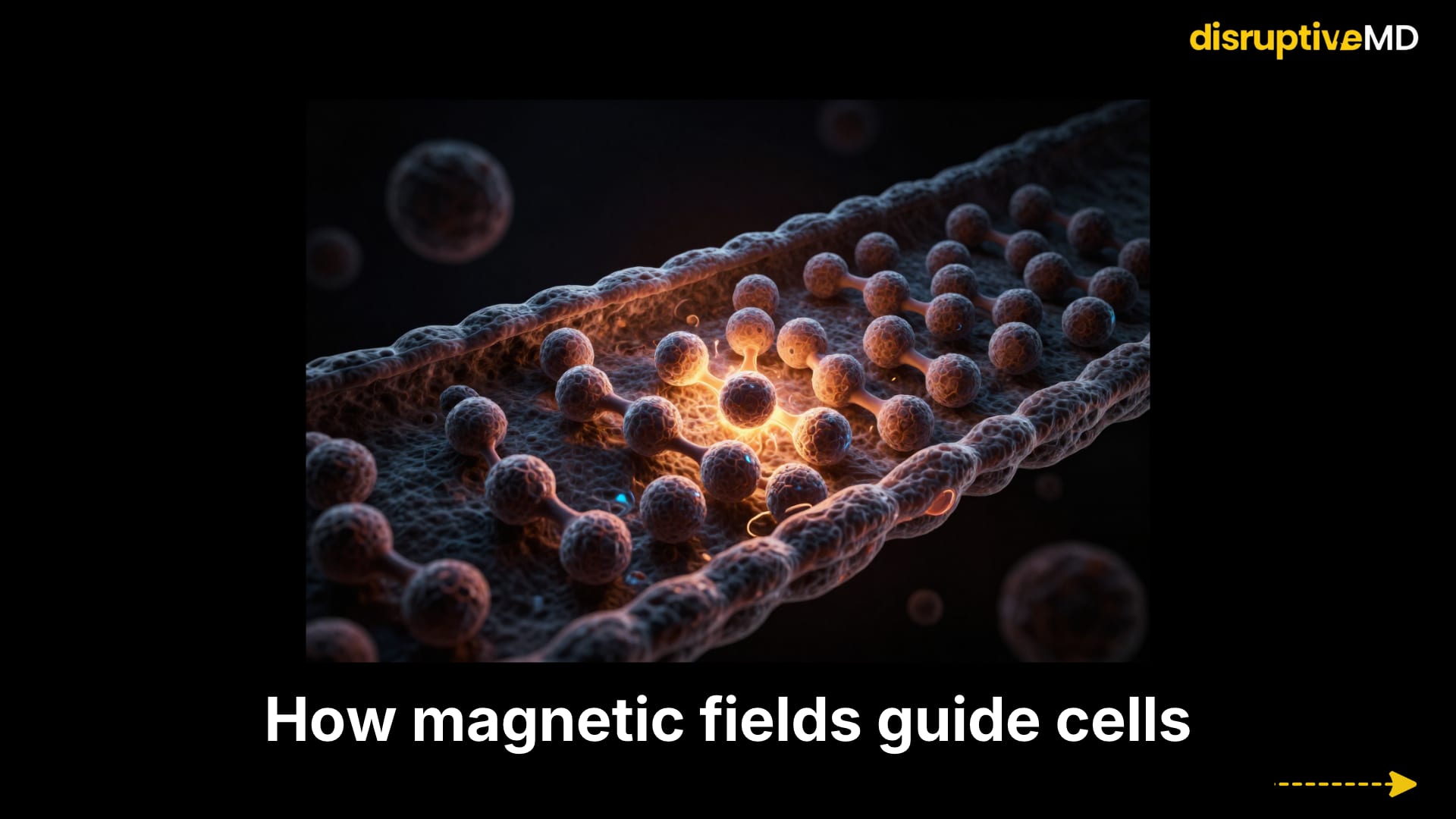
Magnetic nanoparticles (tiny engineered particles that respond to magnetic fields) can act as transducers, converting magnetic energy into a stimulus that cells can detect. Depending on their design, they may produce heat, exert mechanical forces, generate local electrical effects, or initiate biochemical changes.
The terminology needs care. Magnetogenetics usually refers to approaches involving genetically engineered biological components, although the term is sometimes used more broadly. Methods that stimulate unmodified cells using particles are more precisely described as nanoparticle-mediated magnetic stimulation. Both contribute to the wider ambition of remote cellular control.
The field does not make ordinary cells universally responsive to a magnet. A working system requires a suitable particle or magnetic component, a biological target, and a carefully matched external field.
Heat as a Cellular Switch
Magnetothermal stimulation (using magnetic particles to generate heat) relies on alternating magnetic fields that repeatedly change direction. Suitable nanoparticles dissipate energy as heat, which can activate temperature-sensitive ion channels such as TRPV1, a protein that allows charged particles to cross the cell membrane.
In a 2015 mouse study, magnetic nanoparticles and engineered TRPV1 expression enabled remote excitation of neurons in a deep brain region. This demonstrated that magnetic heating could connect an external signal to neural activity without a permanently connected stimulation electrode.
Temperature control remains essential. Researchers must distinguish useful activation from damaging heating and measure what happens around the particles. Claims that a single tiny particle creates a large temperature increase at its surface while leaving its surroundings unaffected remain physically contentious, particularly in some ferritin-based systems.
Mechanical Forces as Cellular Instructions
Magnetomechanical stimulation (converting magnetic stimulation into a push, pull, or twisting force) uses particles coupled to cells or specific surface proteins. These forces can influence mechanosensitive ion channels, which respond to physical stress.
Piezo1 is a prominent target. A study published in January 2026 reported magnetic activation of native Piezo1 channels in cultured human endothelial cells, the cells that line blood vessels. Targeted nanoparticles produced calcium signals and changes in cell structure and gene activity without genetically modifying the channel. These were experiments in cells, not treatments in people.
TRPV4 has also been investigated in magnetic stimulation systems. However, a response involving TRPV4 does not automatically prove that mechanical force opened it directly. Heat, biochemical signalling, particle attachment, and channel engineering can alter the mechanism.
Magnetoelectric Nanodiscs and Wireless Neural Stimulation
Magnetoelectric nanodiscs (tiny layered materials that convert magnetic stimulation into electrical effects) offer another route. Their coupled materials translate magnetic responses into small local electrical potentials that can influence nearby neurons.
A study published online in October 2024 and included in a 2025 journal issue demonstrated neural modulation in mice without requiring genetic modification for stimulation. Nanodiscs delivered into selected brain regions enabled magnetic control of reward-related or motor behaviours.
This is an important experimental advance, with a practical qualification: the particles still required injection into the brain. Wireless activation describes how stimulation is delivered after preparation. It does not mean that every stage is non-invasive, or that every nearby cell can be selected individually.
Biochemical Switches and Therapeutic Gene Expression
Magnetic cellular control can also act through biochemical pathways. Gene expression (the process through which cells use genetic instructions to make functional products) can change after a magnetic stimulus activates a suitable engineered signalling system.
Some ferritin-based experiments have implicated changes in available iron, reactive oxygen species, and oxidised lipids. These chemical changes can influence ion channels. This provides a possible explanation for particular experimental responses, rather than establishing a universal mechanism for magnetogenetics.
The distinction matters for safety. Reactive oxygen species can participate in signalling but can also damage cells when poorly controlled. A useful therapeutic switch must produce the intended response without causing harmful chemical stress.
Genetic Targeting Determines Which Cells Respond
Genetic engineering can equip a selected cell population with responsive channels or a therapeutic gene circuit. Particle coatings and local delivery can provide additional targeting. Together, these approaches aim to make the biological response more selective than the magnetic field alone.
Specificity depends on where the engineered components and particles actually end up. A protein expressed in unintended cells, or particles distributed beyond the target, could produce unwanted effects.
Magnetic fields can reach deep tissues under suitable conditions, but penetration and precision are different properties. Reaching a deep brain region does not guarantee selective control of one cell type within it.
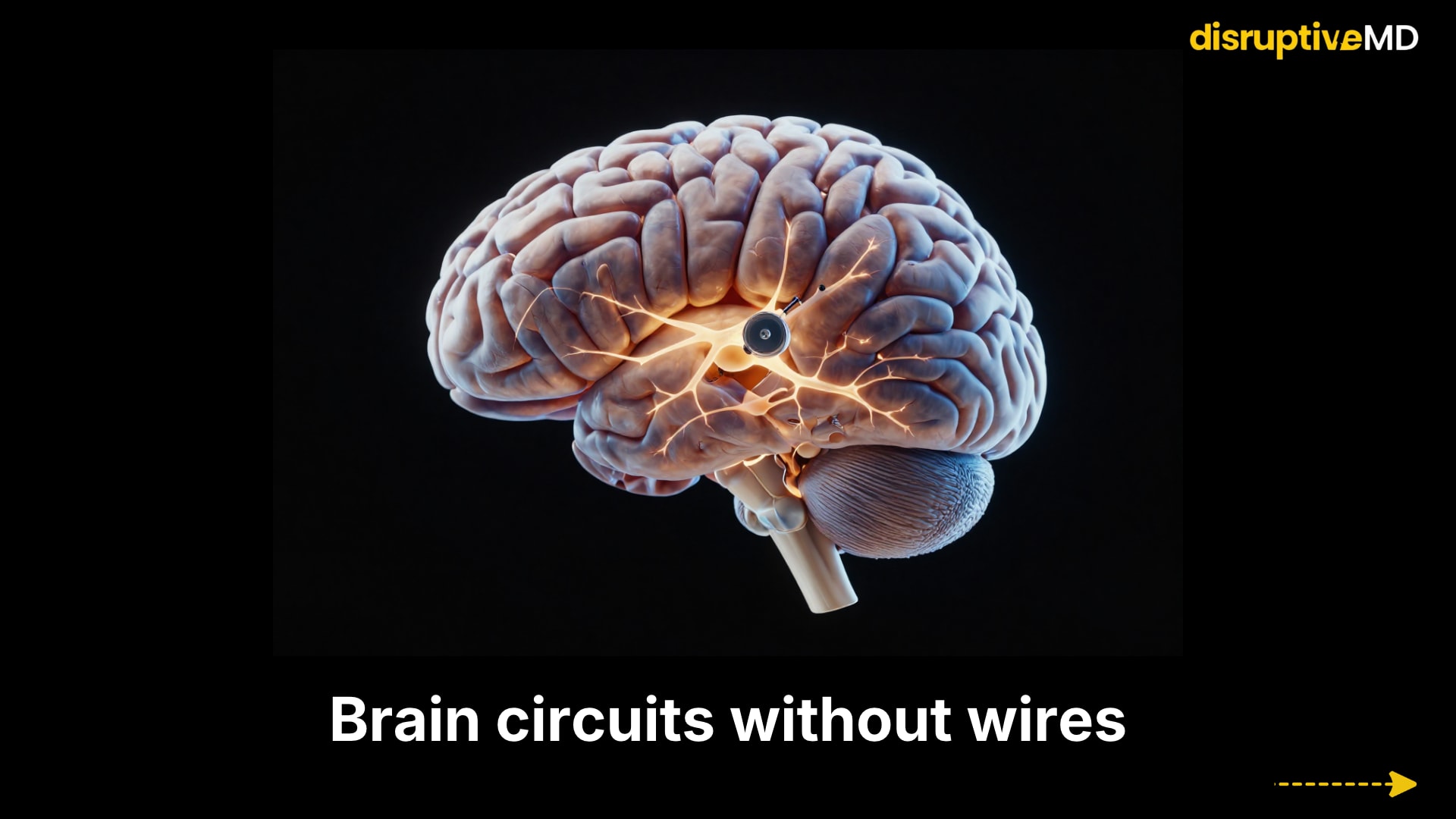
Brain Circuits Without Implanted Electrodes
Neuromodulation (changing the activity of nerve cells or circuits) is one of the most compelling applications. Researchers are investigating magnetic approaches to circuits involved in movement and reward, with longer-term interest in pain and neurological disease.
A 2024 mouse study reported both activation and inhibition of selected motor circuits using different magnetogenetic constructs. An inhibitory approach also improved movement in a mouse model of Parkinsonian dysfunction. These findings support further investigation, but do not establish treatment effectiveness in people.
The phrase “on or off” is therefore a useful starting analogy, with limits. Different systems produce different responses, and stopping the magnetic field may not immediately reverse downstream signalling or gene expression.
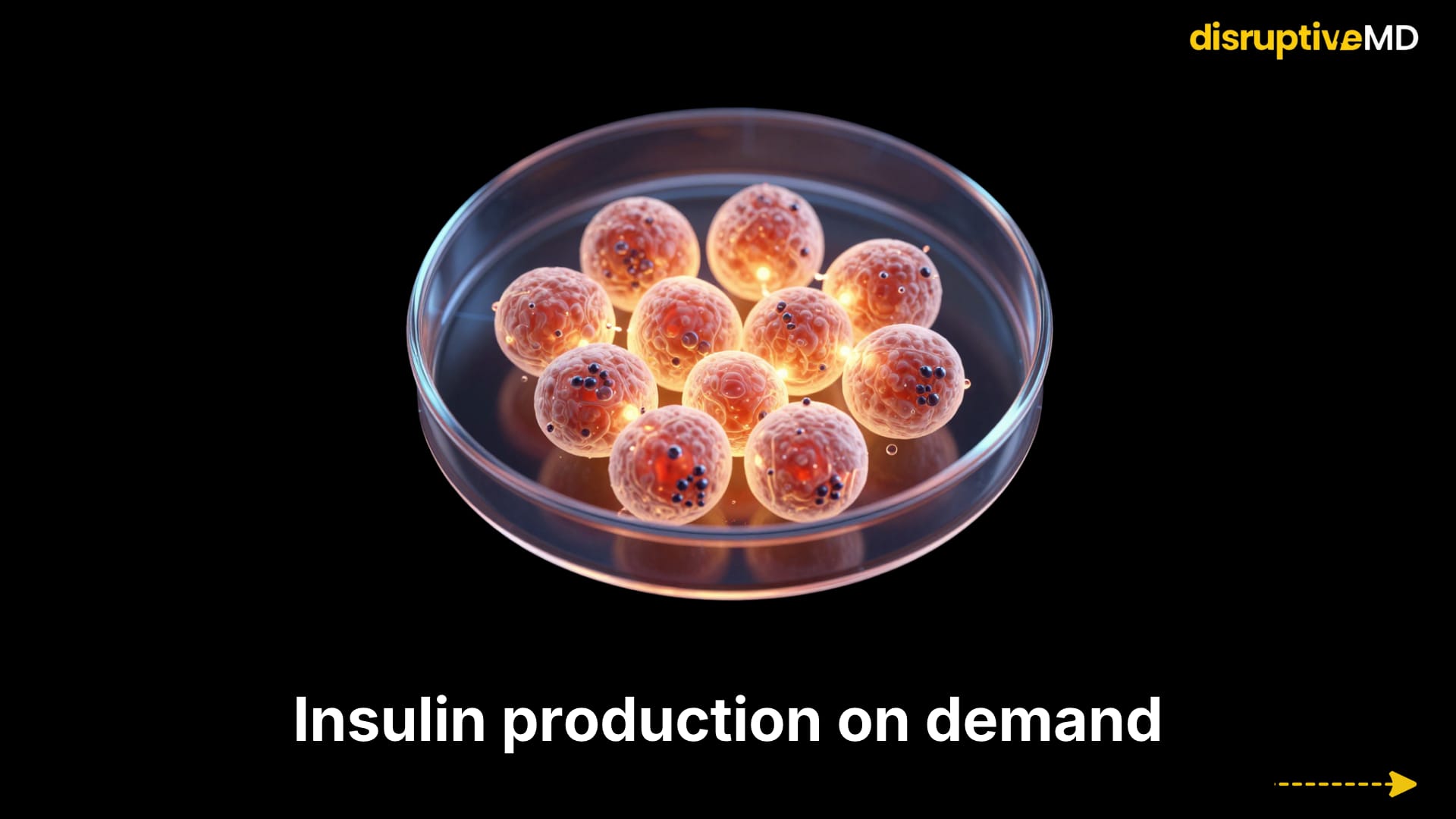
Insulin Production on Demand
Remote control becomes especially tangible when the output is a therapeutic protein. In a 2012 proof-of-concept study, magnetic nanoparticle stimulation activated engineered insulin gene expression and insulin release, lowering blood glucose in mice.
The experiment used engineered cells in a tumour graft model. It did not demonstrate magnetic control of an ordinary human pancreas or establish a practical diabetes treatment.
Its broader significance is the possibility of externally regulating what therapeutic cells produce. A future insulin system would need to respond accurately to changing glucose levels, avoid excessive insulin delivery, and remain stable over long periods. Triggering production is only one part of that problem.
Cancer Treatment and Immune Control
Magnetic systems are being explored for local drug release, therapeutic gene activation, and changes in the tumour microenvironment, the surrounding cells and signals that influence cancer growth and immunity.
In one mouse study, magnetic heating activated engineered bacteria within tumours, triggering a genetic programme that released an immune-directed therapeutic payload. This illustrates how magnetic stimulation could control treatment at a selected location. It does not establish routine magnetic control of human immune cells.
Related approaches seek to activate therapeutic immune pathways near a tumour while limiting activity elsewhere. Magnetic hyperthermia, which uses heat to damage tumour tissue, is a distinct application and should not be treated as proof that precise magnetogenetic cell therapy is clinically established.
Repair Signals for Regenerative Medicine
Cells interpret physical forces as biological information. Magnetic particles offer a way to investigate whether those forces can guide differentiation, the process by which cells develop specialised functions.
Experiments targeting the mechanosensitive channel TREK1 in human mesenchymal stem cells have reported increased collagen deposition and mineralisation in surrounding cells. Such findings connect magnetic stimulation with tissue engineering and repair-related signalling.
A future regenerative implant might combine a scaffold, responsive cells, and external magnetic stimulation. For now, laboratory markers of bone formation or differentiation do not demonstrate reliable regeneration of complex injured tissue in patients.
From Remote Commands to Closed-Loop Control
A closed-loop system (one that measures a response and adjusts its next action) could eventually connect biosensors with a magnetic-field generator. For example, a sensor might detect a biological change, trigger a defined cellular response, and then check whether the change has corrected.
AI could potentially help interpret complex signals or adjust stimulation within validated limits. This is a future design direction, not an established autonomous magnetogenetic treatment. Such a system would first need trustworthy sensing, predictable cellular behaviour, and safeguards against excessive or delayed responses.
What the September 2026 Review Added
A scientific review published on 24 September 2026 examined magnetic nanotransducers for remote cellular control, covering mechanical, thermal, and biochemical mechanisms. It brought together progress in material design and potential therapeutic applications while emphasising delivery, biosafety, and reproducibility.
The publication was a review of existing research, not a new human treatment trial.
Its discussion also reflects a longstanding scientific challenge. Some early systems coupled ion channels to ferritin, an iron-storage protein. Independent studies failed to reproduce certain reported neural effects, while physical analyses questioned whether the proposed heating or forces were sufficient. Those findings apply to particular systems and mechanisms; they should not be generalised to every synthetic magnetic nanoparticle approach.
Newer materials and positive experiments provide reasons to continue. They also make independent replication and direct measurements of mechanism essential.
The Biggest Barriers to Treatment
Clinical translation requires several problems to be solved together:
- Delivery: enough particles must reach the intended tissue, including difficult targets such as the brain.
- Cellular targeting: neighbouring or unrelated cells must be protected from unwanted activation.
- Stimulation safety: heating, forces, electrical effects, and biochemical stress must remain within safe limits.
- Persistence and clearance: researchers must establish how long particles remain, how they change, and how the body removes them.
- Genetic engineering: engineered components require durable function and careful assessment of unintended biological effects.
- Long-term compatibility: repeated stimulation must not produce unacceptable inflammation, tissue injury, or loss of effectiveness.
- Field delivery: a field that reaches deep tissue must still deliver a useful stimulus without affecting unwanted regions.
- Reproducibility: particle manufacture, biological preparation, and stimulation protocols must give consistent results across laboratories.
- Human translation: success in cell cultures or animals must be followed by convincing human safety and efficacy studies.
These requirements make magnetogenetics a combined materials, biological, and device-engineering challenge.
What Is Real Today
Experimental studies have demonstrated magnetic conversion into cellular stimuli, neural modulation in animals, control of engineered therapeutic gene expression, and changes in repair-related cellular signalling. Some systems require genetic modification; others have stimulated native channels or neurons using engineered particles.
The strongest established role is as an experimental platform for studying and manipulating biology. Particular demonstrations should be assessed on their own methods, controls, and reproducibility.
What Remains Unproven
Routine magnetogenetic treatment in humans and approved magnetic-field-controlled cell therapies are not established by the research discussed here. Perfectly selective activation of deep tissues, reliable lifelong control, and fully autonomous magnetic treatment remain ambitions.
There is also no basis for assuming that magnetogenetics will replace conventional medicines or established neurostimulation. Any clinical role would depend on demonstrating a useful benefit for a specific condition.
Conclusion
Magnetogenetics could eventually allow clinicians to adjust biological activity after responsive cells or particles have been delivered. The central task is to make that control selective, reproducible, and safe over time.
The future of medicine may include therapeutic cells that receive an instruction from an external magnetic field. Turning that instruction into dependable treatment is the challenge now.
Educational disclaimer: This article explains emerging research and does not provide medical advice or recommend an experimental treatment.
Fact Base
- Physical basis: suitably engineered magnetic particles can convert magnetic stimulation into heat, mechanical forces, or electrical effects.
- Neural control: mouse studies have demonstrated several forms of magnetic neuromodulation, including approaches with and without genetic modification.
- Therapeutic output: experimental magnetic activation of engineered insulin production and release has lowered blood glucose in mice.
- Native cellular targets: the 2026 Piezo1 study demonstrated activation in cultured human cells, not clinical treatment.
- Mechanistic uncertainty: some ferritin-based claims have faced failed replication and unresolved physical explanations.
- September 2026 development: the cited publication was a review synthesising progress and limitations, rather than a clinical breakthrough.
Evidence rating: Early preclinical research, with variable reproducibility across platforms. Selected cellular and animal effects have been demonstrated, but established human therapeutic efficacy and long-term safety remain absent from this evidence base.
References
- Magnetic Nanotransducers as a Universal Platform for Remote Cell Control: Mechanisms, Design, and Therapeutic Potential. ACS Applied Bio Materials. Published 24 September 2026. https://doi.org/10.1021/acsabm.6c01450
- Wireless magnetothermal deep brain stimulation. Science. 2015;347:1477-1480. https://doi.org/10.1126/science.1261821
- MagPiezo: A Magnetogenetic Platform for Remote Activation of Endogenous Piezo1 Channels in Endothelial Cells. Advanced Functional Materials. 2026;36:e29076. https://doi.org/10.1002/adfm.202529076
- Genetically magnetic control of neural system via TRPV4 activation with magnetic nanoparticles. Nano Today. 2021;39:101187. https://doi.org/10.1016/j.nantod.2021.101187
- Lipid Oxidation Induced by RF Waves and Mediated by Ferritin Iron Causes Activation of Ferritin-Tagged Ion Channels. Cell Reports. 2020;30:3250-3260.e7. https://doi.org/10.1016/j.celrep.2020.02.070
- Magnetoelectric nanodiscs enable wireless transgene-free neuromodulation. Nature Nanotechnology. 2025;20:121-131. Published online 11 October 2024. https://doi.org/10.1038/s41565-024-01798-9
- Bidirectional regulation of motor circuits using magnetogenetic gene therapy. Science Advances. 2024;10:eadp9150. https://doi.org/10.1126/sciadv.adp9150
- Radio-wave heating of iron oxide nanoparticles can regulate plasma glucose in mice. Science. 2012. https://pubmed.ncbi.nlm.nih.gov/22556257/
- Modular-designed engineered bacteria for precision tumor immunotherapy via spatiotemporal manipulation by magnetic field. Nature Communications. 2023. https://doi.org/10.1038/s41467-023-37225-1
- Magnetic ion channel activation of TREK1 in human mesenchymal stem cells using nanoparticles promotes osteogenesis in surrounding cells. Journal of Tissue Engineering. 2018;9. https://doi.org/10.1177/2041731418808695
- Sonogenetic control of mammalian cells using exogenous Transient Receptor Potential A1 channels. Nature Communications. 2022. https://doi.org/10.1038/s41467-022-28205-y
- Revaluation of magnetic properties of Magneto. Nature Neuroscience. 2019. https://doi.org/10.1038/s41593-019-0473-5


