
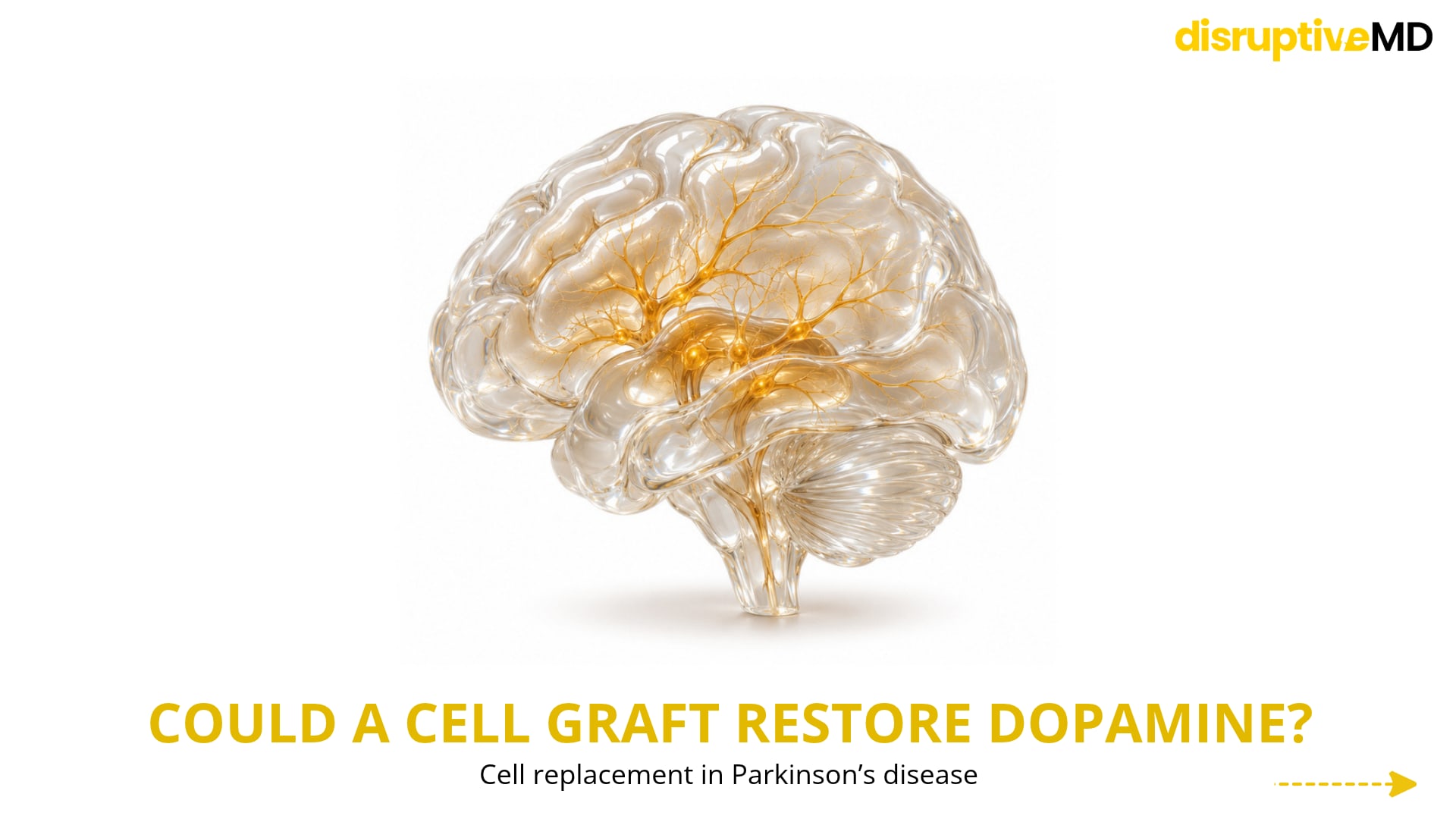
In October 2026, surgeons at Kyoto University Hospital performed the first transplant in a new Japanese study of that idea. An earlier trial had already detected signs that transplanted cells were making dopamine two years after surgery. The harder question is how much that changes the day of a person living with Parkinson’s.

- Parkinson’s damages neurons that make dopamine.
- Kyoto researchers transplanted cells that could mature into dopamine-producing neurons. - Could that new supply make everyday movement easier?
Why surgeons chose the putamen
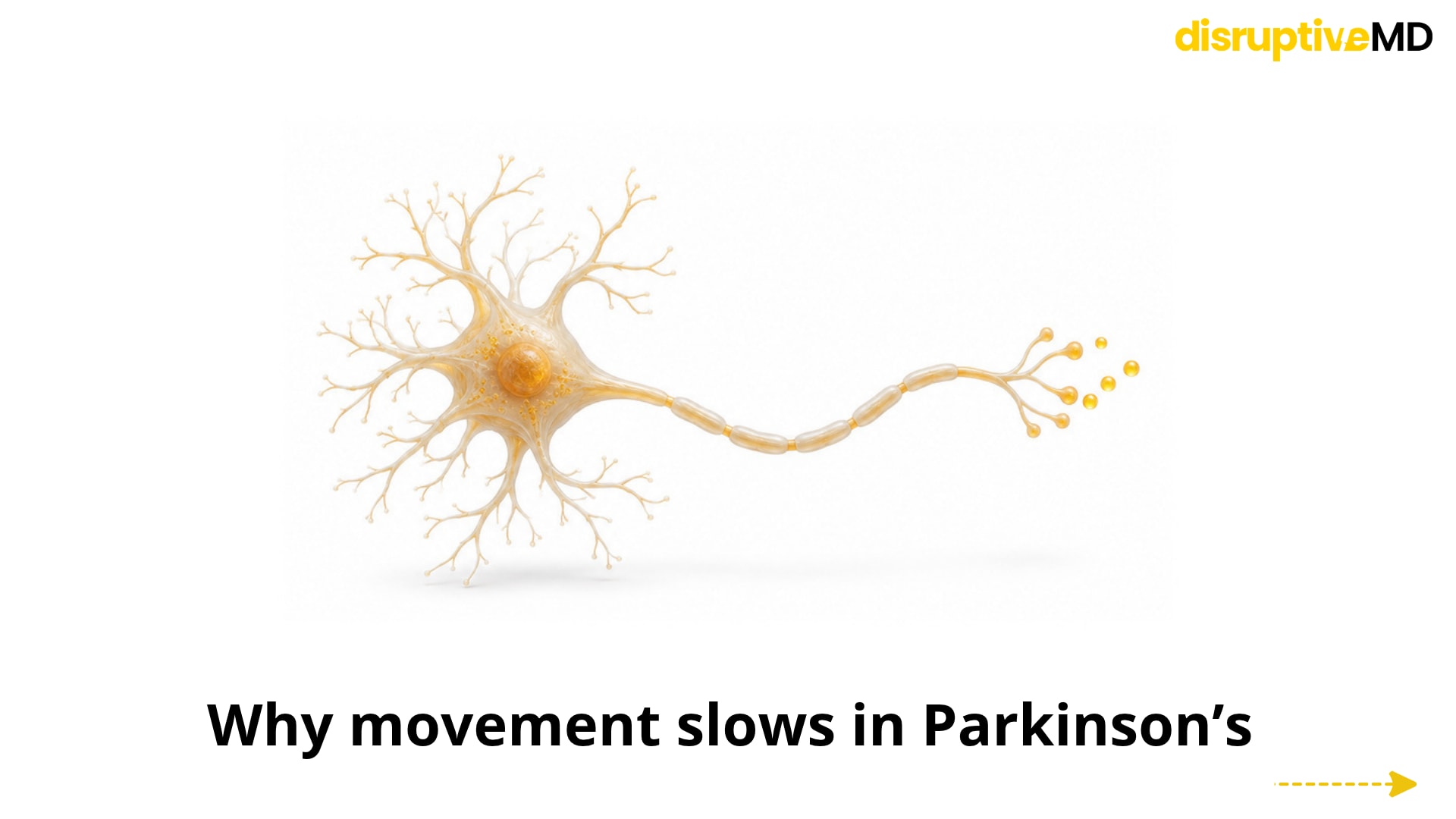
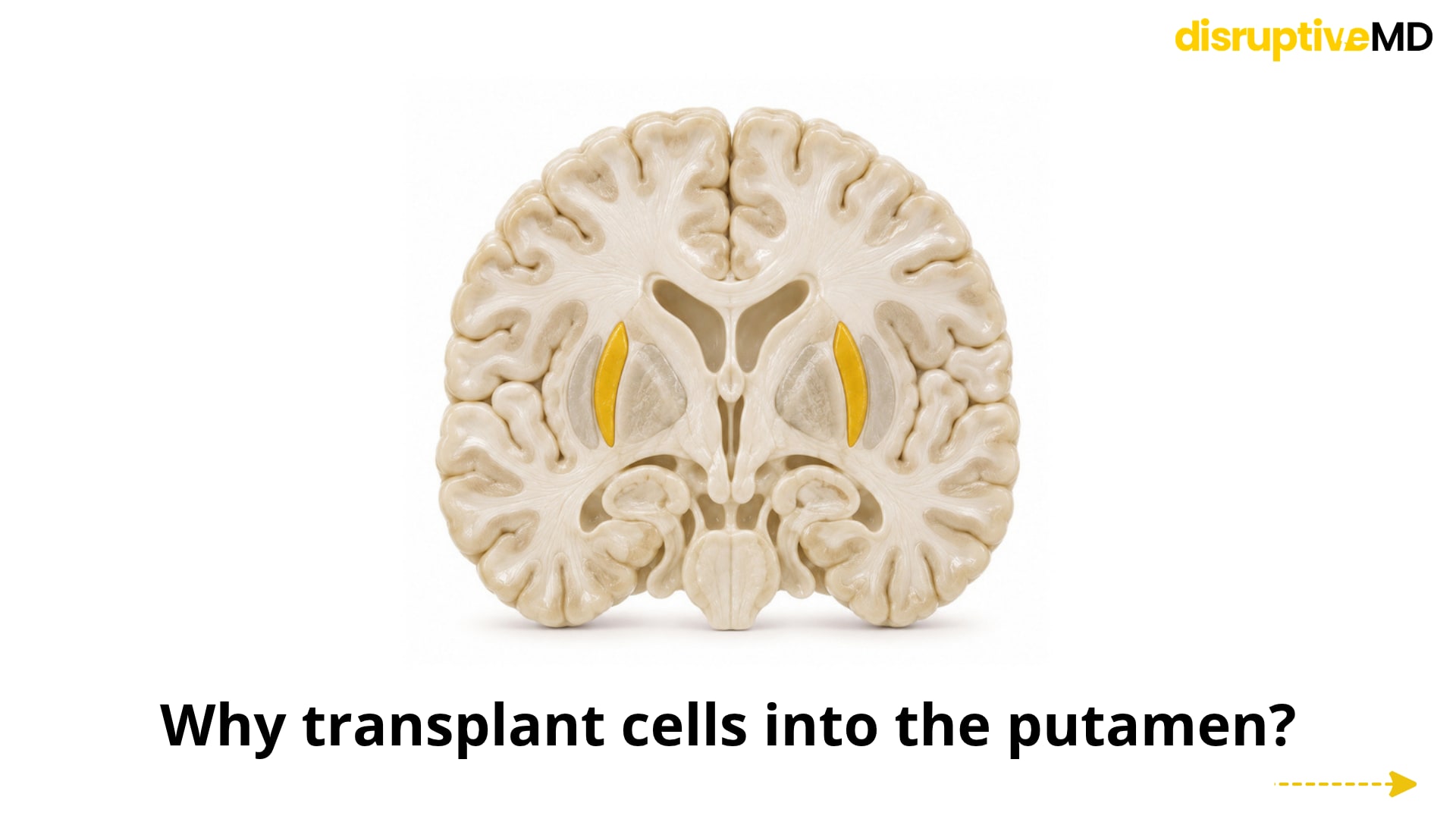
To start a movement and carry it through smoothly, the brain relies in part on dopamine. Many of the neurons that supply it sit deep in the brain, in the substantia nigra. They send long fibres to a region called the putamen. As those neurons are lost in Parkinson’s disease, less dopamine reaches the putamen. Movements can become slower and muscles stiffer.
Levodopa gives surviving cells a building block they can turn into dopamine. The Kyoto team tried a different way to replenish the supply. They placed immature dopamine-producing cells directly into the putamen on both sides of the brain. There, a surviving cell could deliver dopamine locally without having to grow a long fibre from the original site.
From donated blood to a brain graft
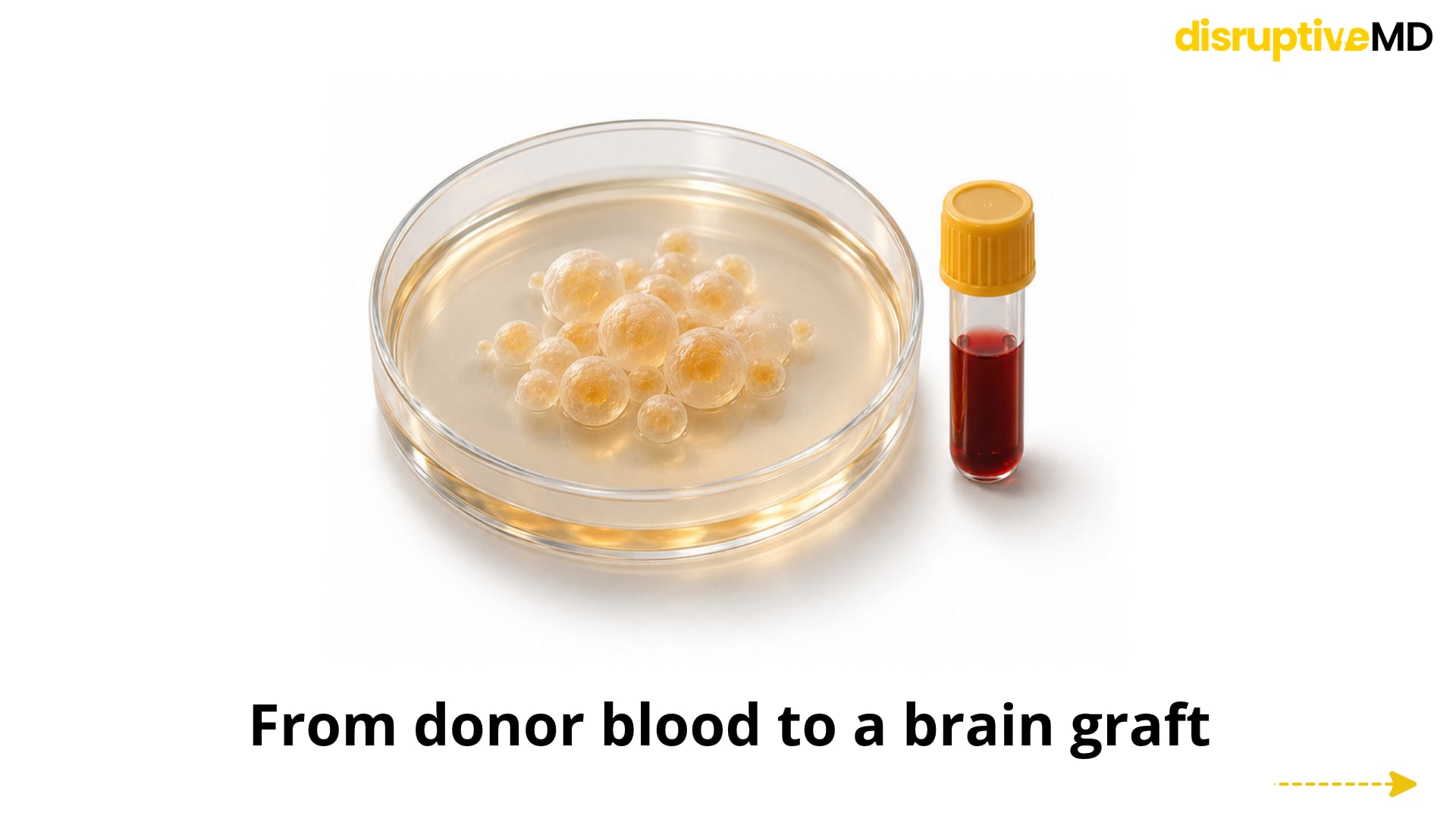
The cells began as blood cells from a healthy donor. Researchers reprogrammed them into induced pluripotent stem cells, which can develop into many different cell types. In the lab, they guided them partway toward becoming dopamine neurons. These immature cells, called progenitors, were the cells the surgeons transplanted.
The operation depended on precise placement, and the cells needed time to mature. Because the graft came from another person, participants took tacrolimus to reduce the risk of immune rejection. In the Kyoto trial, the team tapered the medicine and stopped it at 15 months.
What the earliest transplants taught us
Long before scientists could turn a blood cell into a neuron, surgeons had tried transplanting developing dopamine cells from donated fetal tissue. In a study published in 2001, 40 people with severe Parkinson’s disease took part in a telling experiment. Some received cells and others underwent a simulated operation. A year later, the two groups gave broadly similar answers when asked how much better or worse they felt overall. Yet brain imaging or examination of tissue showed that transplanted neurons had survived in most recipients, and some younger participants improved on movement tests.
The experiment left the field with two separate problems. One was practical. Fetal tissue was difficult to obtain and varied between donations. The other was clinical. Even when cells survived, patients experienced different outcomes, including persistent involuntary movements in some cases. Growing a defined type of progenitor from a stem cell line offered a way to prepare a more consistent graft. Whether the graft helped people still had to be tested.
Could the cells come from the patient
In 2020, a team reported treating one person with dopamine progenitors made from his own skin cells. The surgeons implanted cells into one side of the brain, then the other six months later. They used no immune-suppressing medicine. That experience showed that a personalised graft could be made and implanted. A single case leaves open how often this approach would work for other people.
The choice of cell source changes the task. With a donor cell line, the same starting material can supply more than one patient, but the care team has to manage the immune response. With a personalised graft, each patient needs a separate round of cell preparation and quality testing. In either case, researchers must verify the identity of the cells they intend to transplant and look for unwanted cells before the graft reaches the operating room.
What changed for the people in the trial
At two years, four of the six people assessed for movement improved on a standard examination performed after Parkinson’s medication had been withheld. That exam gives doctors a way to compare movement when the most recent dose has worn off. Participants generally continued their usual medication outside the assessments.
Brain scans gave a second view. In the putamen, a PET measure of the capacity to make dopamine rose by 44.7% on average. A scan can detect that biological change. It takes a diary or a conversation with a patient to learn whether dressing, walking or preparing a meal has become easier. The Kyoto participants varied in their response, and the study had no comparison group to establish how much of the change came from the graft.
How much of the day feels easier
Consider two people who can both tap a finger more quickly during a morning examination. One can still prepare lunch comfortably three hours later. The other has become too stiff to cut the vegetables. They could earn the same score at the clinic and experience quite different benefits at home. A diary captures when movement feels easier, when stiffness returns and whether involuntary movements interfere with what the person wants to do.
That distinction shapes a separate phase 3 study called exPDite-2. It tests bemdaneprocel, a different dopamine cell product. Its main outcome at 78 weeks is the time people report spending in the “ON” state, when movement symptoms are controlled, without troublesome involuntary movements. Patients are randomly assigned to the transplant or a simulated procedure. Comparing the diaries between groups helps account for symptom fluctuations and expectations after surgery.
Which symptoms could a graft reach
Difficulty starting a movement and stiffness are reasonable targets because both can respond to dopamine. Parkinson’s can also disrupt sleep, mood, thinking and the automatic control of bodily functions. Several brain systems contribute to those problems. Finding new dopamine activity in the putamen tells us little about whether a person sleeps through the night or manages a sudden drop in blood pressure on standing. Those outcomes need their own measurements.
What researchers are seeing in Europe
In July 2026, the Lund-led STEM-PD team reported its first year of follow-up after transplanting eight people with cells derived from human embryonic stem cells. Seven completed the one-year visit. Movement symptoms were generally stable, and six of the seven reduced their dopamine medication. Scans showed early signs that the grafts had survived. A reduced medication requirement alongside stable movement is a result worth tracking, although this small study had no comparison group.
One participant died from a lung infection, which the investigators reported was not directly related to the cell product. For a patient weighing treatment, the relevant experience includes the operation, recovery and a period of immune suppression. Larger trials and longer follow-up can give a clearer estimate of the risks across that entire course.
Fact Base
Safety. Seven people received grafts in the original Kyoto trial. Over two years, researchers recorded 73 mild or moderate adverse events and no serious ones. MRI scans showed no graft overgrowth. Involuntary movements called dyskinesias increased during follow-up. Seven patients offer limited information about rare or delayed risks.
Approval. On 6 March 2026, Japan granted raguneprocel, sold as Amchepry, conditional approval for seven years. Its indication is improvement of movement symptoms in people whose existing medicines, including levodopa, give inadequate control.
The next test. Japan’s follow-up study aims to enrol 35 people and compare each person’s movement score before surgery with their score 96 weeks later, while off medication. The October transplant marked the start of treatment in this follow-up study. Its 96-week outcome is still ahead.
Key Takeaway
A living graft appears capable of restoring some dopamine production in the human brain. For someone deciding whether to undergo brain surgery and immune suppression, the question is how often that translates into easier movement, for how much of the day and for how many years. Whether a graft can slow Parkinson’s disease itself remains unproven.
References
- Sawamoto and colleagues, Nature (2025). Kyoto trial resultshttps://pubmed.ncbi.nlm.nih.gov/40240591/
- Kyoto University. Cell preparation, surgery and follow-uphttps://www.cira.kyoto-u.ac.jp/e/research/finding/250417-000000.html
- PMDA. Regulatory review of Amchepry https://www.pmda.go.jp/files/000281617.pdf
- Sumitomo Pharma. March approval announcement https://www.sumitomo-pharma.com/news/20260306.html
- Sumitomo Pharma. October 2026 update, page 16 https://www.sumitomo-pharma.com/ir/library/presentation/assets/pdf/eir20261030.pdf
- Japan Registry of Clinical Trials. Raguneprocel follow-up https://jrct.mhlw.go.jp/en-latest-detail/jRCT2053260117
- ClinicalTrials.gov. Bemdaneprocel phase 3 trial https://clinicaltrials.gov/study/NCT06944522
- Freed and colleagues, NEJM (2001). Fetal tissue trial https://pubmed.ncbi.nlm.nih.gov/11236774/
- Schweitzer and colleagues, NEJM (2020). Personalised graft https://pubmed.ncbi.nlm.nih.gov/32402162/
- Lund University. STEM-PD one-year results https://www.lunduniversity.lu.se/node/10203


