
For some people with an infected hip or knee replacement, they already can. A surgeon can remove infected tissue, exchange the parts that come apart and leave the metal anchored to bone. The harder question comes months later, when an infection has survived antibiotics and the joint still works. Can doctors clear the bacteria without asking the patient to give up a hip or knee they depend on?
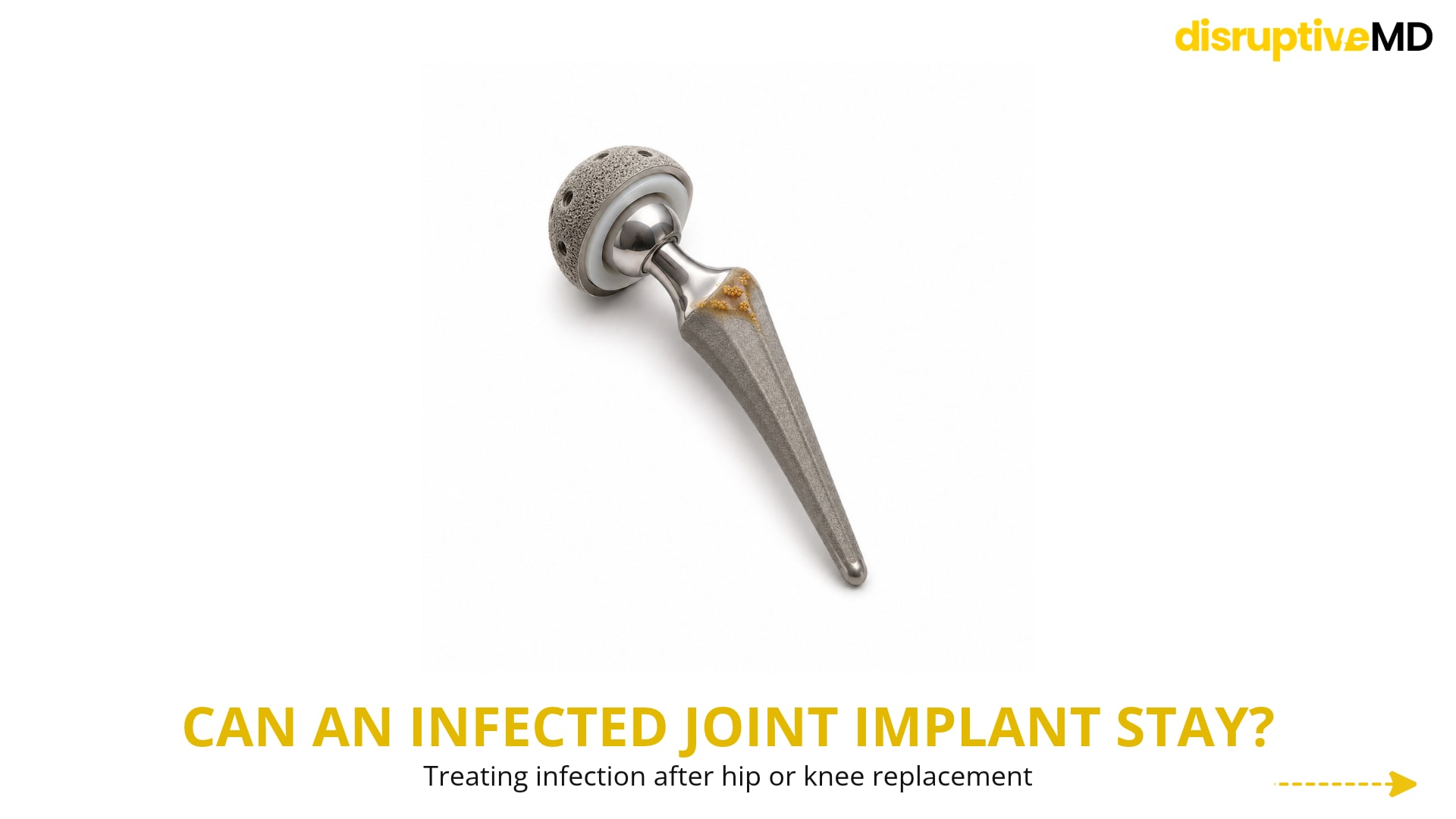

- In some acute hip and knee infections, surgeons can treat the infection while keeping the fixed implant in place.
- A stable implant, healthy surrounding tissue and a short history of symptoms favour this approach.
- A loose implant or a longstanding infection often calls for replacement.
Why an antibiotic can work in the lab and fail in the joint
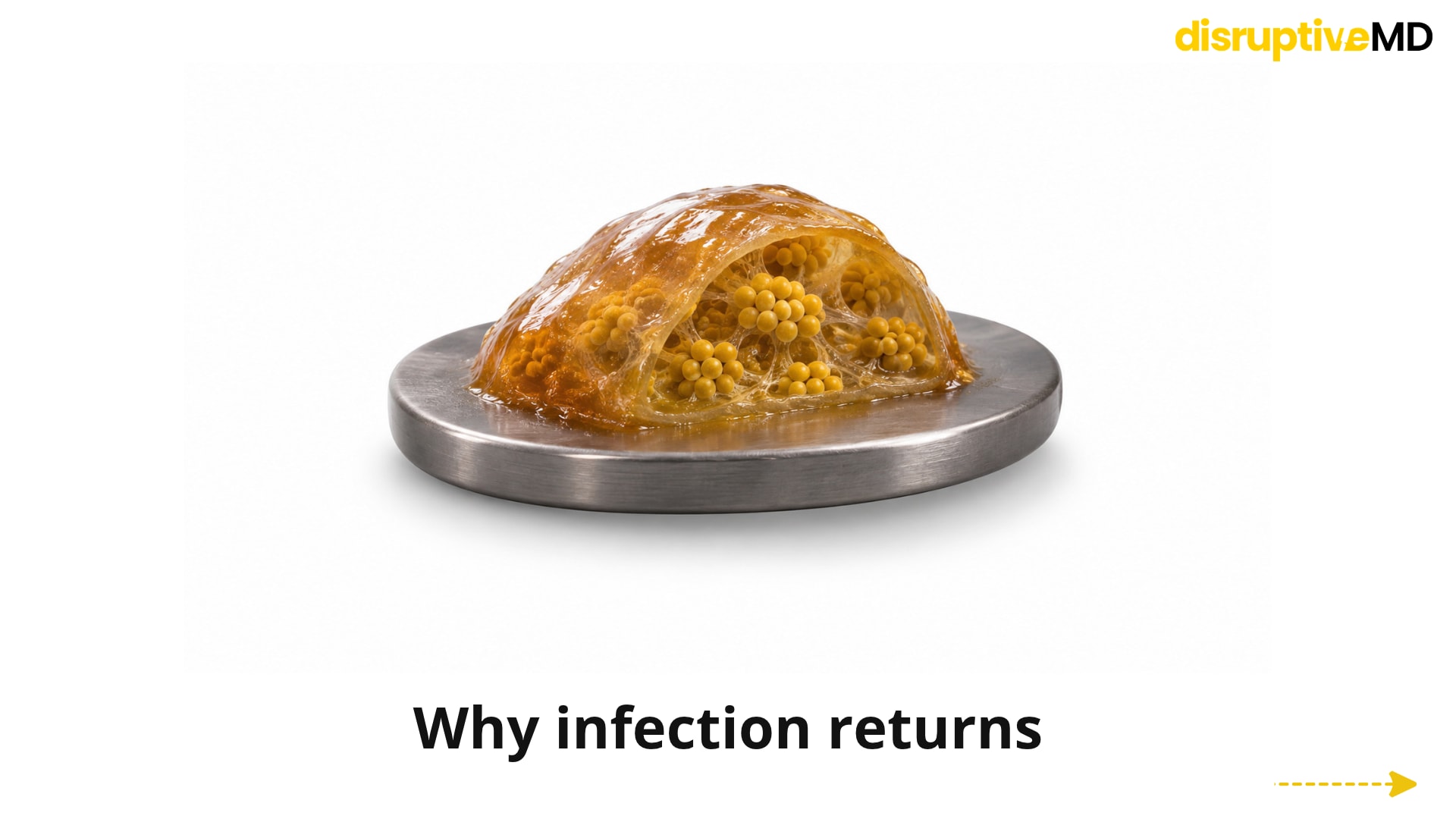
A laboratory may report that a bacterium is susceptible to an antibiotic, yet the infection returns after treatment. One reason is where the bacteria live. On an implant, they can attach to the surface and build a sticky mesh of sugars, proteins and DNA. The community inside that mesh is called a biofilm.
The mesh can hinder some drugs and shield bacteria from immune cells. Deeper inside, some bacteria grow so slowly that antibiotics aimed at dividing cells lose much of their effect. A survivor can start growing again after the drug is gone. That helps explain how an infection can recur even when the bacterium has acquired no new antibiotic resistance.
When surgeons can keep the joint
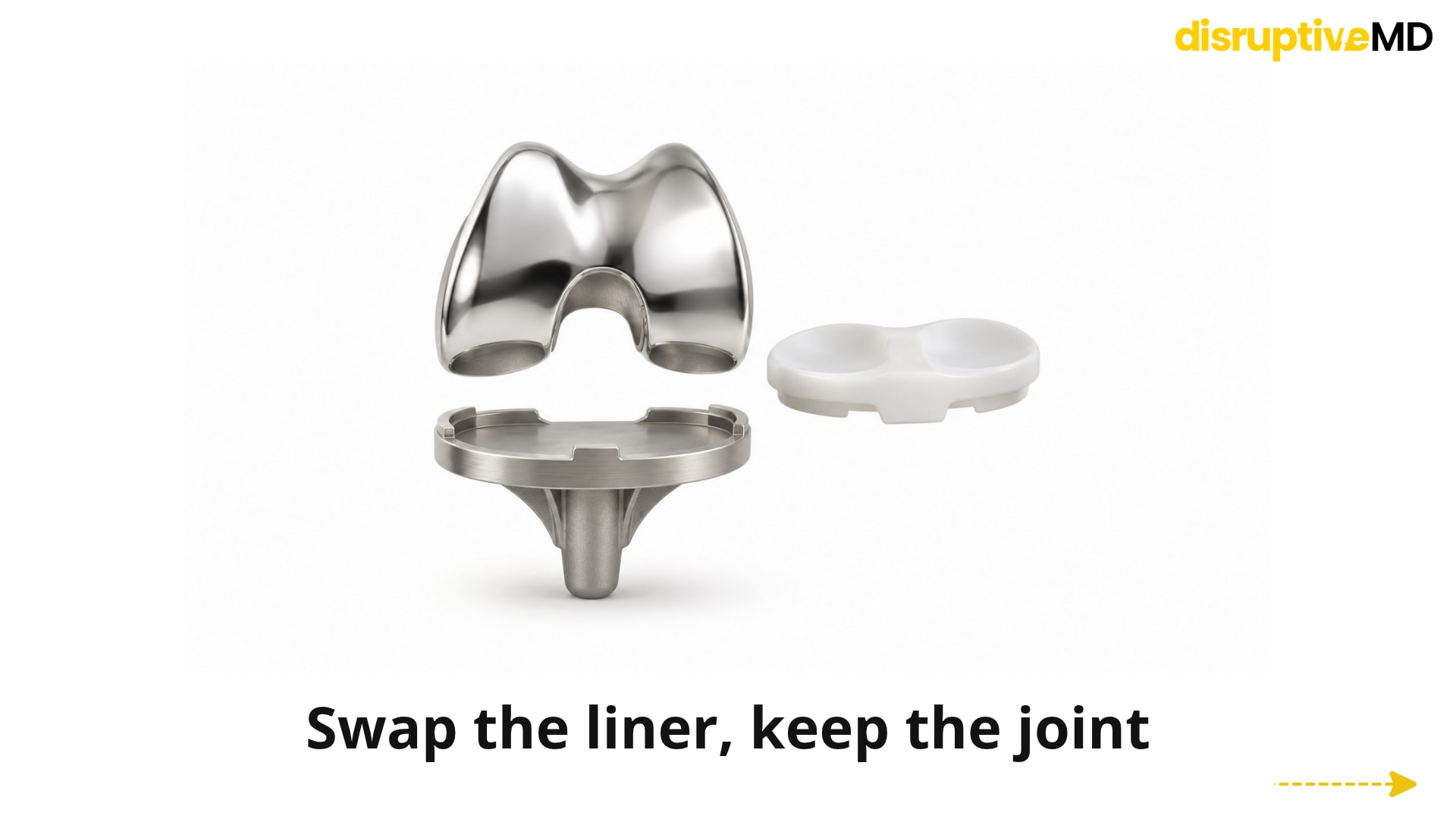
The established operation is called DAIR, short for debridement, antibiotics and implant retention. In a knee, for example, a surgeon can lift out the plastic liner to reach tissue hidden underneath, collect samples, remove infected tissue and fit a new liner. The well-fixed metal components stay. The laboratory results help the team choose antibiotics for the organism responsible.
Timing matters. For selected acute hip and knee infections, the European Bone & Joint Infection Society recommends operating preferably within seven days of symptom onset. Even a years-old joint can develop a new, acute infection. A loose implant, a longstanding infection or a persistent channel draining from the joint to the skin often shifts the balance towards replacing the prosthesis.
What happened when doctors added bacteria-killing viruses?
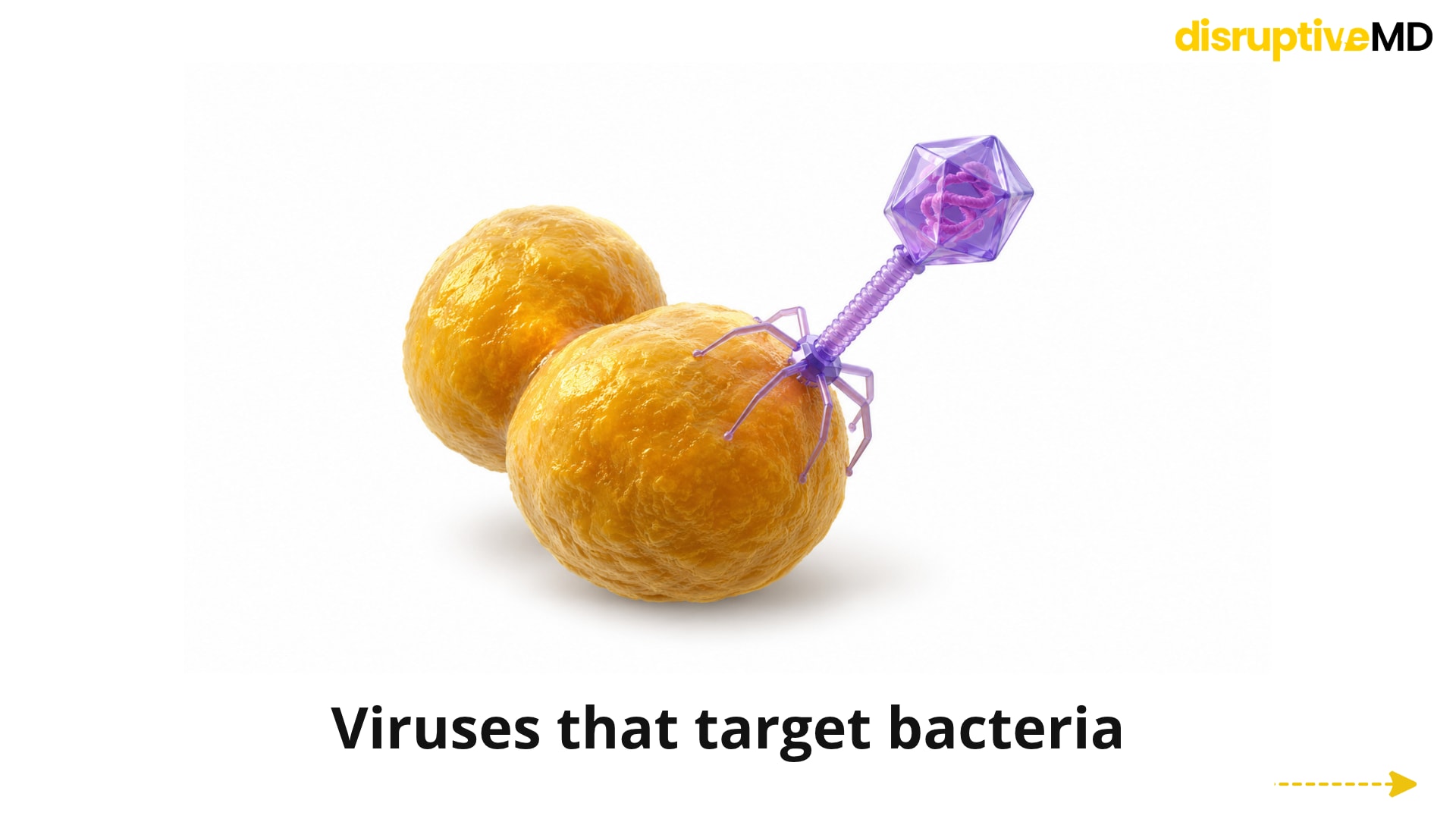
In a Canadian case reported in 2026, a man in his seventies had undergone eight operations for an infected hip and still needed a walker. His team matched two bacteriophages, viruses that infect specific bacteria, to the Staphylococcus aureus from his hip. He received the phages alongside surgery and antibiotics. At 24 weeks, his pain had gone and he could walk with a cane. He was still taking antibiotics to suppress the infection.
An October 2026 report from India documented a different outcome. A 72-year-old man had a drug-resistant Pseudomonas infection in a replaced knee despite earlier procedures, including a spacer exchange. With further surgery considered unsuitable, his team used phages alongside the antibiotic colistin. Six months later, he was walking independently and taking no antibiotics. A sample of joint fluid yielded no growth of the original organism.
For the patients, those gains mattered. For researchers, the next question is how much the phages contributed. In the small PhagoDAIR-I pilot study, everyone received surgery and antibiotics. At 12 weeks, the infection was clinically controlled in 14 of 19 patients given phages and 5 of 7 given placebo. The small, uneven groups leave the added benefit uncertain. Longer follow-up also matters when the outcome patients want is a durable cure.
Could the metal itself help treat the infection?
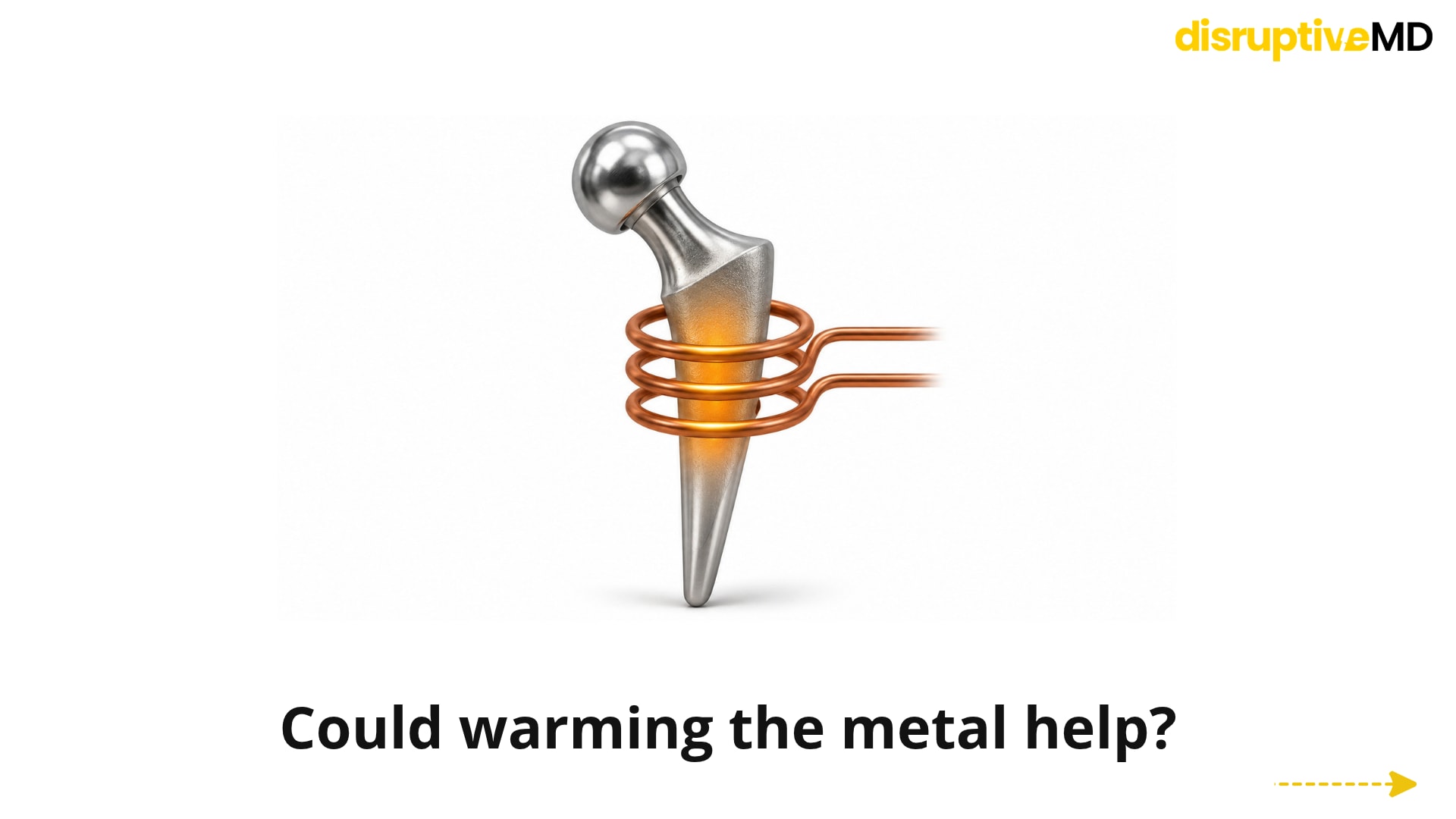
An alternating magnetic field can heat a metal implant. That raises an unusual possibility for a surgeon cleaning an infected hip. Could warming the exposed metal help antibiotics kill the bacteria still clinging to it? The Dutch i-DAIR safety study is investigating induction heating during surgery. One of its first questions is whether the bone that holds the implant in place tolerates the heat.
Other teams are testing ultrasound and shockwaves to loosen biofilms. Enzymes offer a chemical route to the same goal by cutting through components of the protective mesh. In each case, freeing bacteria is only half the job. The treatment must also help clear the surviving organisms while protecting nearby tissue.
Medicine delivered where the bacteria live
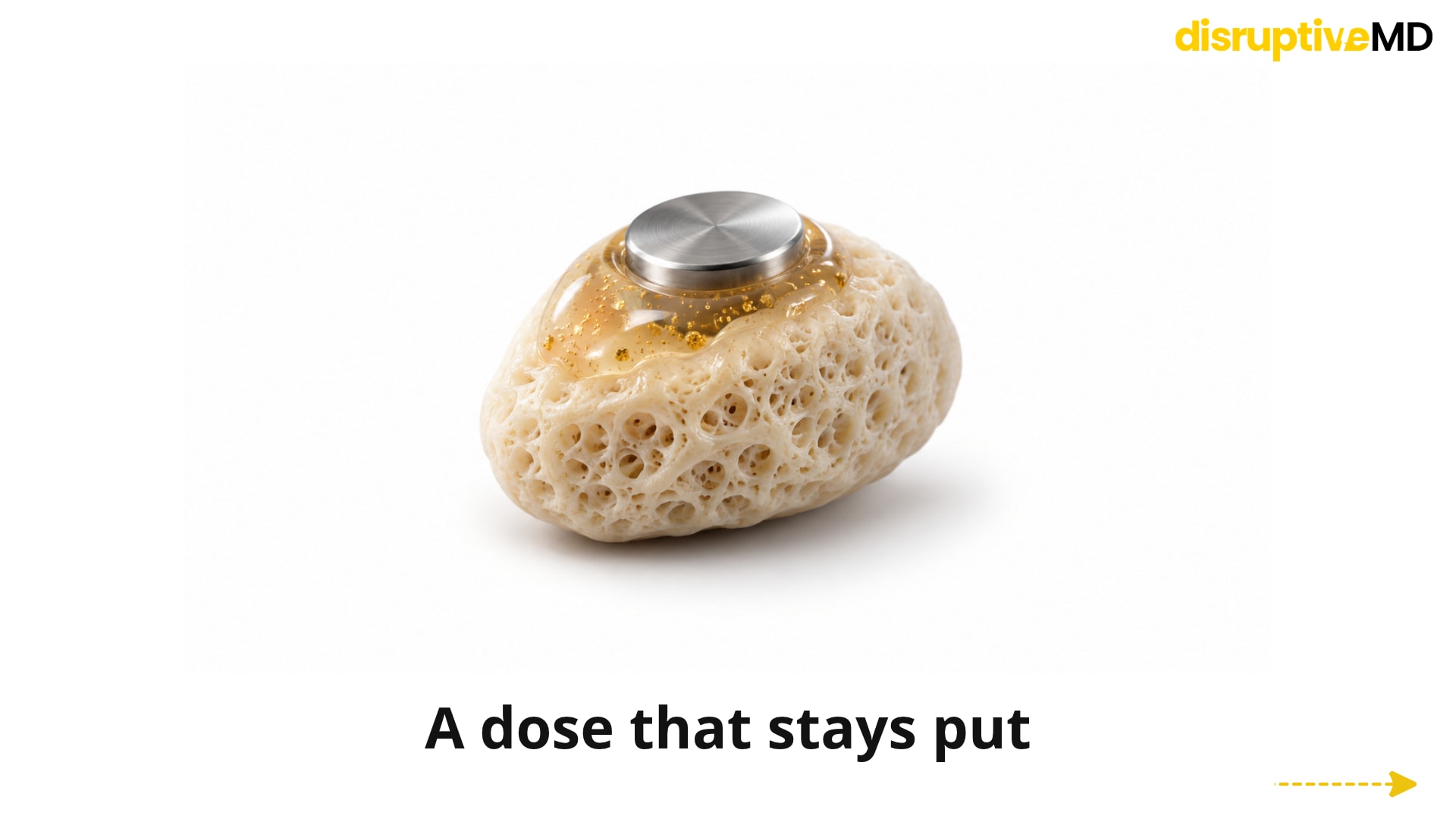
A surgeon can see where an implant meets bone. Getting a drug to linger at that exact spot is harder. Researchers are testing injectable, water-rich gels that hold antibiotics beside the implant and tiny drug carriers called nanoparticles that can carry a payload into a biofilm. Some experimental gels release more drug when acidity changes or when bacterial enzymes break down the material. Researchers still need to show that enough drug reaches the whole infected surface safely.
Coatings tackle an earlier moment. An anti-adhesive surface makes it harder for bacteria to settle, while a coating containing antimicrobial peptides aims to kill early arrivals. Prevention is their clearest use. A coating applied to a new implant does little for someone whose existing joint already carries a mature biofilm.
Could an implant detect its own infection?
Today, doctors can look for inflammation in joint fluid using markers such as alpha-defensin. When routine cultures yield no organism, molecular tests or sequencing can sometimes identify a microbial clue. Researchers are also studying whether AI can help interpret imaging alongside laboratory findings. None of these tests, on its own, tells a surgeon that an implant is safe to keep.
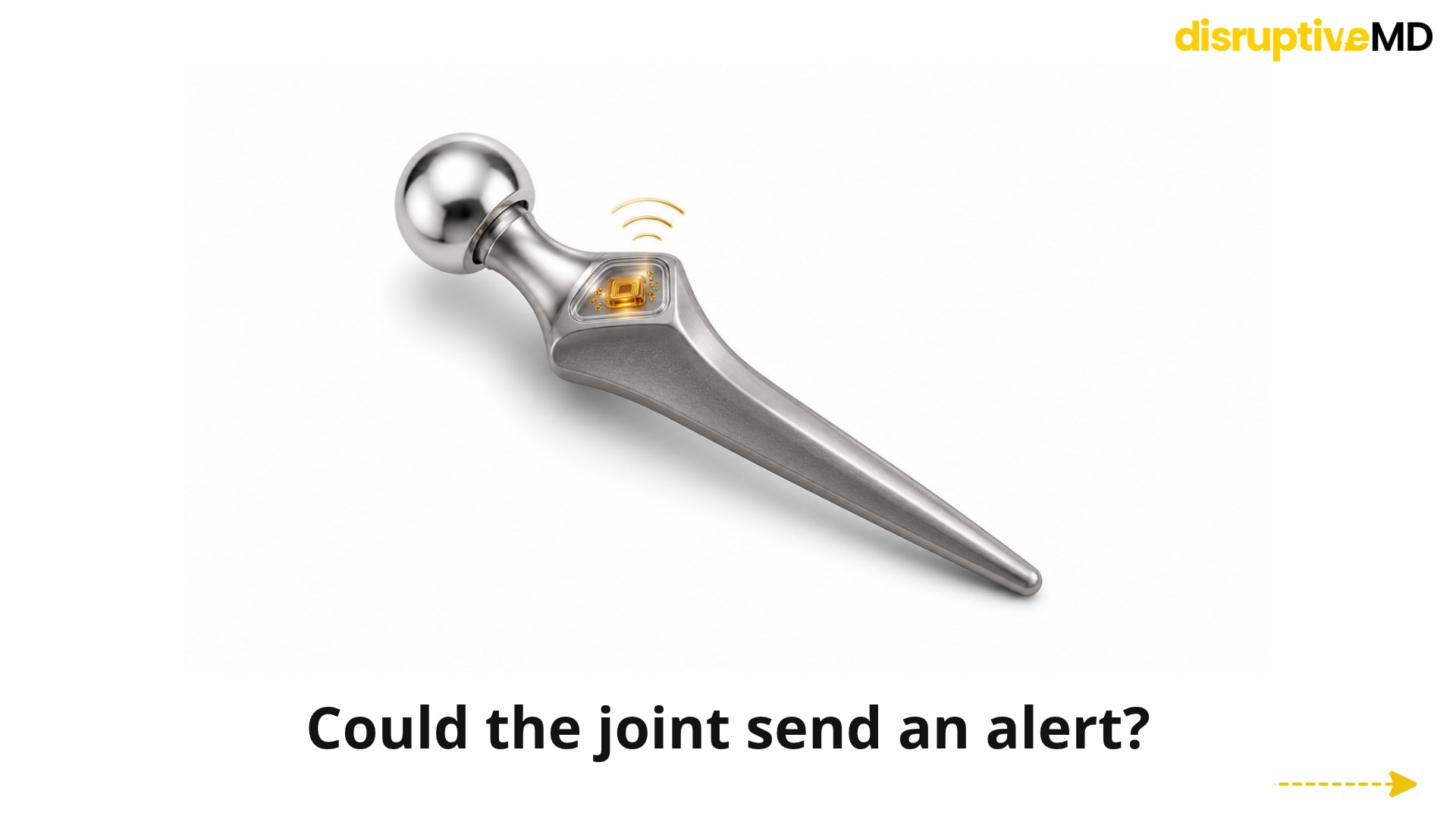
A future implant might sense a local chemical change, send a wireless alert and release an antimicrobial at the surface. Before such a device could guide treatment, it would have to distinguish infection from the ordinary inflammation of healing. A false alarm could trigger unnecessary treatment. A missed infection could cost the patient the chance to keep the joint.
Fact Base
- Hip and knee replacements have the clearest guidance for curative DAIR. A stable implant, a short symptom history and healthy surrounding tissue favour retention.
- The hardware’s job changes the decision. A fracture plate may still be holding an unhealed bone together. Spinal hardware may still be supporting a fusion. Tumour reconstructions, complex limb implants and dental implants each require their own assessment.
- Keeping an implant, controlling symptoms on long-term antibiotics and remaining infection-free after treatment ends are different outcomes. A report of success should say which one the patient achieved and for how long.
Key Takeaway
For a patient whose replacement joint still works, the goal is to keep walking on it for years after treatment ends. Surgeons can already achieve that in selected acute infections. The next advance would be to give people with persistent infections the same chance to keep their joint.
References
-
European Bone & Joint Infection Society. DAIR as a curative strategy for acute hip and knee infections. Position paper, 2025. https://jbji.copernicus.org/articles/10/101/2025/
-
Weyant and colleagues. Bacteriophage therapy for a Staphylococcus aureus prosthetic hip infection in Canada. Case report, 2026. https://pubmed.ncbi.nlm.nih.gov/42403496/
-
Adjunctive phage therapy for a carbapenem-resistant Pseudomonas prosthetic knee infection in India. Case report, October 2026.https://doi.org/10.1016/j.ijregi.2026.101047
-
PhagoDAIR-I investigators. Preliminary 12-week results of the randomised pilot study. ESCMID Global conference poster, 2025.https://www.crioac-lyon.fr/wp-content/uploads/documents/posters/2025/PhagoDAIR-Poster-ESCMID-2025_vf.pdf
-
Leiden University Medical Center. Induction heating during DAIR for infected hip implants. Human safety study, ISRCTN13670350.https://www.isrctn.com/ISRCTN13670350
-
International Consensus Meeting on Musculoskeletal Infection. Biofilm workgroup summary on treatment and preclinical models. Journal of Orthopaedic Research, 2026.https://doi.org/10.1002/jor.70169
-
Hydrogel-based strategies for periprosthetic joint infection. Review of local drug delivery and clinical translation, 2026.https://doi.org/10.3389/fcell.2026.1911893
-
Current concepts in periprosthetic joint infection. Review of biomarkers, molecular diagnostics and emerging prevention strategies, 2026.https://pubmed.ncbi.nlm.nih.gov/42746583/
-
Smart sensors for the early detection of periprosthetic joint infection. Translational perspective, Acta Biomaterialia, 2026.https://pubmed.ncbi.nlm.nih.gov/42250667/
-
The DAIR procedure in fracture-related infection. Review of surgical decision-making, Injury, 2024.https://doi.org/10.1016/j.injury.2024.111977
-
Diagnosis and management of spinal implant infections. State-of-the-art review, Clinical Infectious Diseases, 2024.https://pubmed.ncbi.nlm.nih.gov/39688553/


