
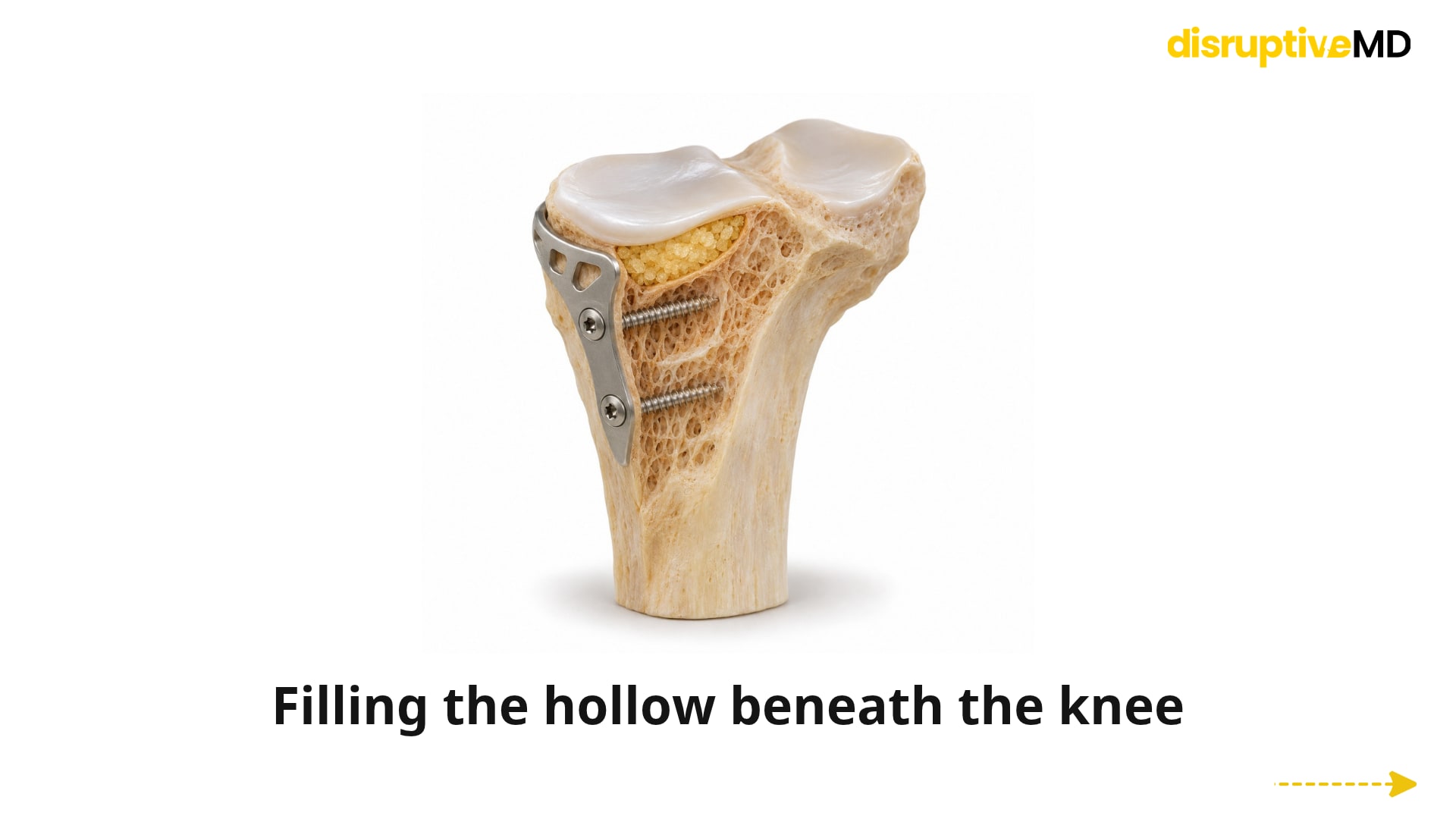
At the top of the shinbone, a fracture can split the bone and push part of the knee surface down. A surgeon can lift that surface back into place and secure the fracture with a plate. Lifting it, however, can leave a hollow underneath. In Leeds, England, that hollow became the site of a first-in-human test of an injectable material called OsStic.
That gap explains why bone glue interests surgeons. A plate can stabilise the main fracture while an adhesive holds a smaller piece or a filler supports the rebuilt surface. On the cartilage side of the joint, researchers are designing softer gels that give repair tissue somewhere to grow.
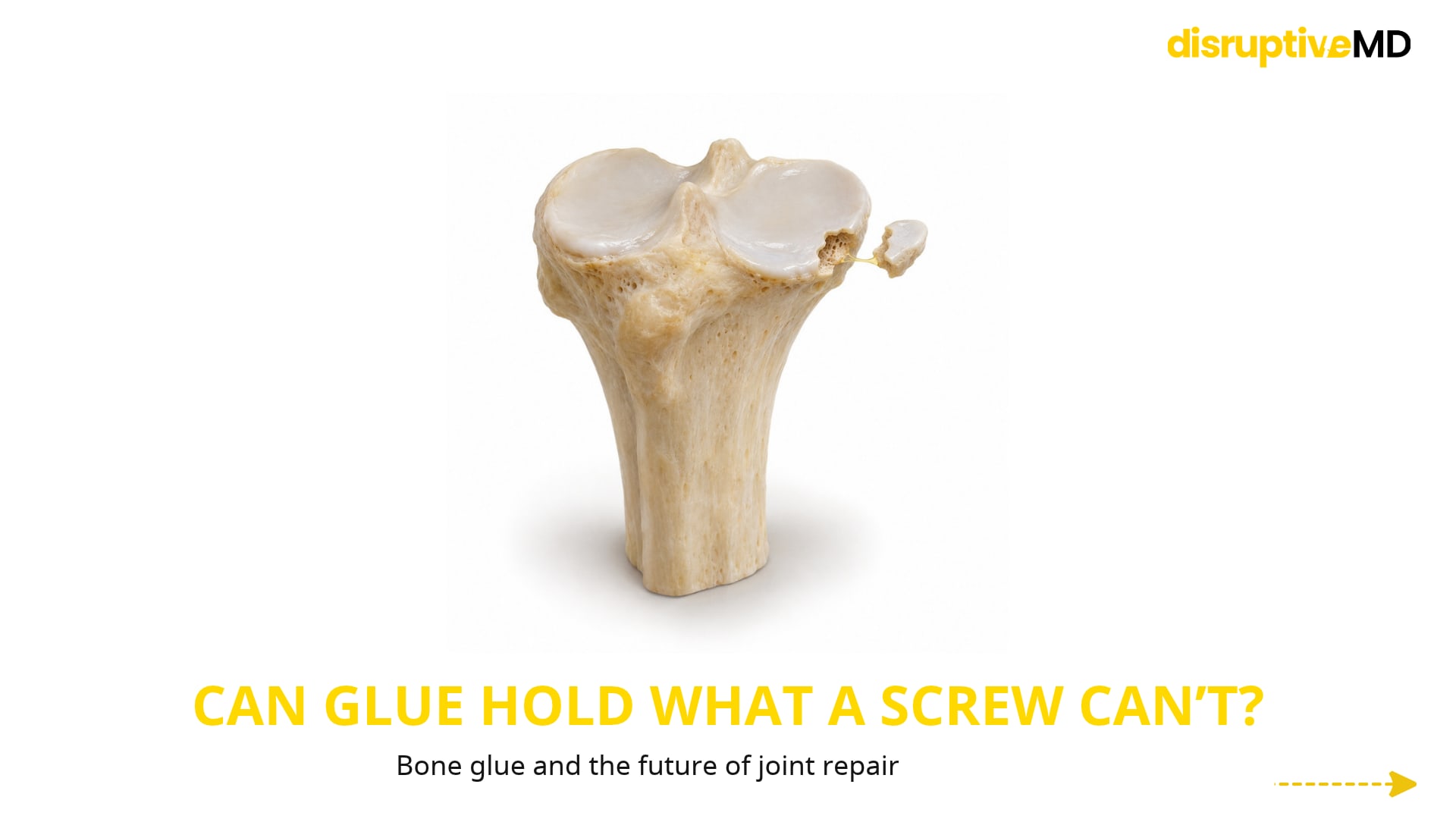
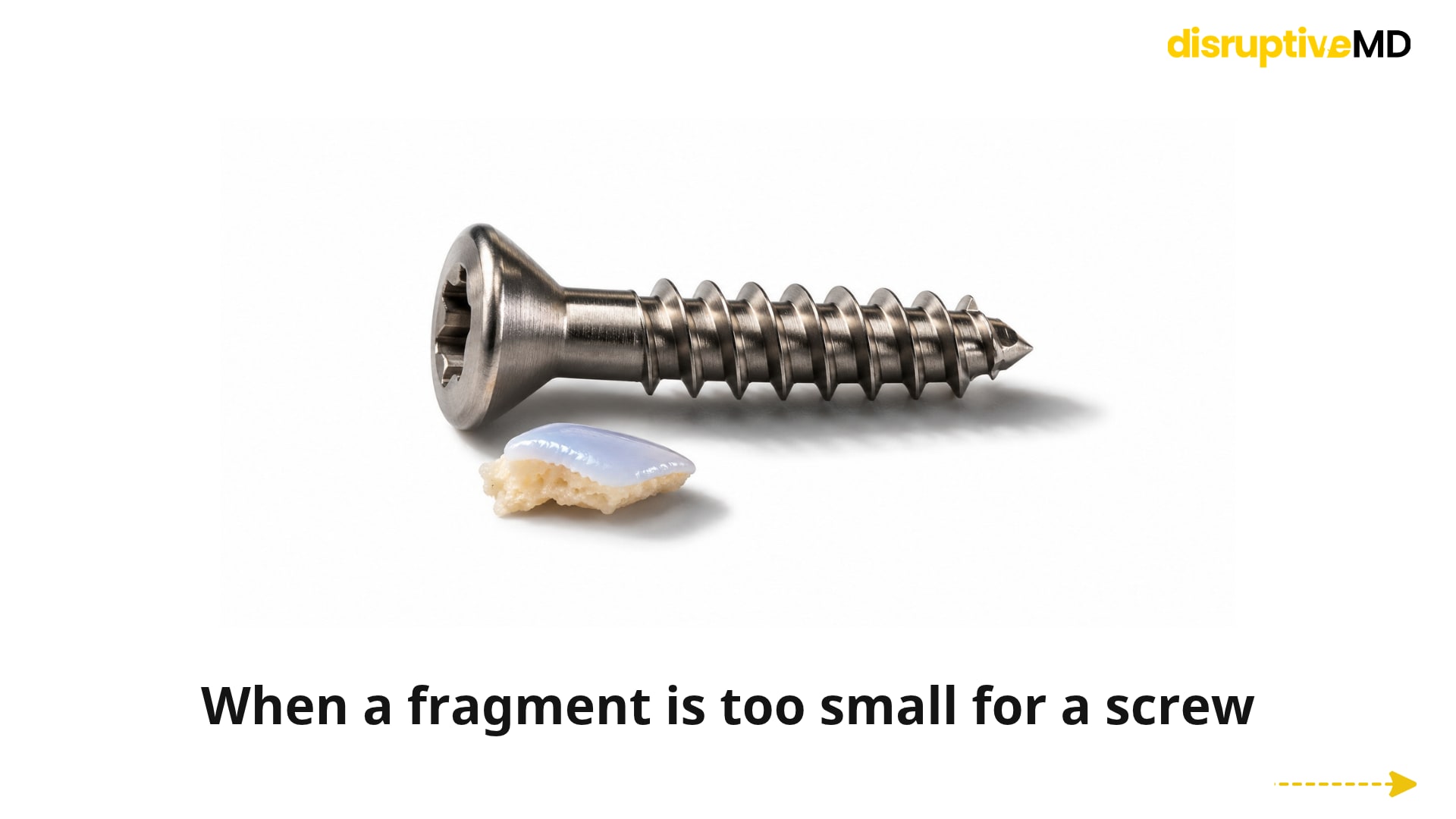
- A bone fragment too small for a screw can still form part of the surface a patient walks on.
- Surgeons are testing whether an adhesive can hold that fragment while the bone heals.
- Other materials could fill gaps beneath a joint surface or help damaged cartilage repair.
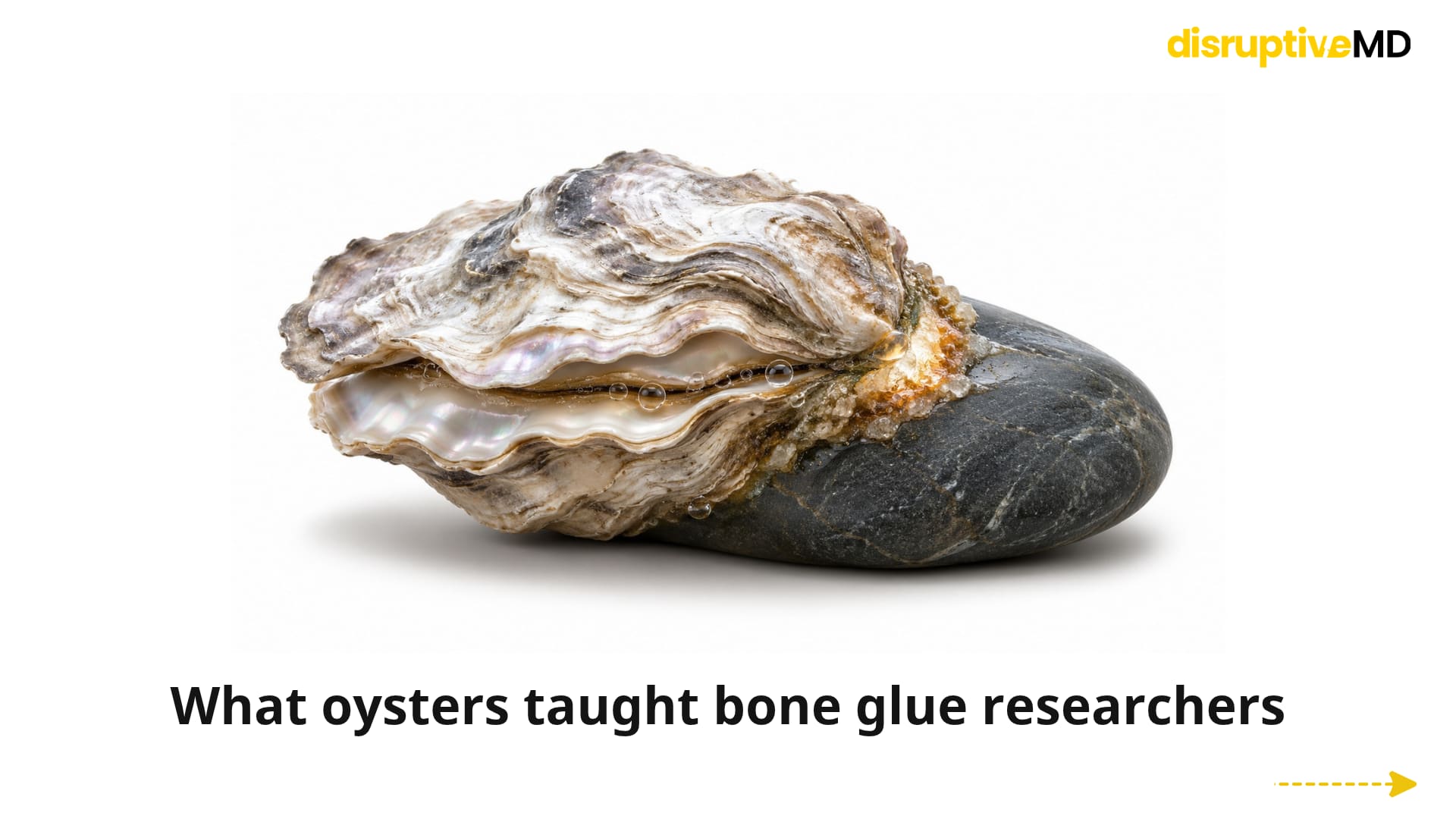
Bone-02 took its cue from oysters
The idea for Bone-02 came from oysters clinging to bridge supports in moving seawater. A team at Zhejiang University’s Sir Run Run Shaw Hospital wanted to solve a similar problem in the operating theatre. Blood coats a freshly broken bone, and an adhesive must reach the surface before it can grip.
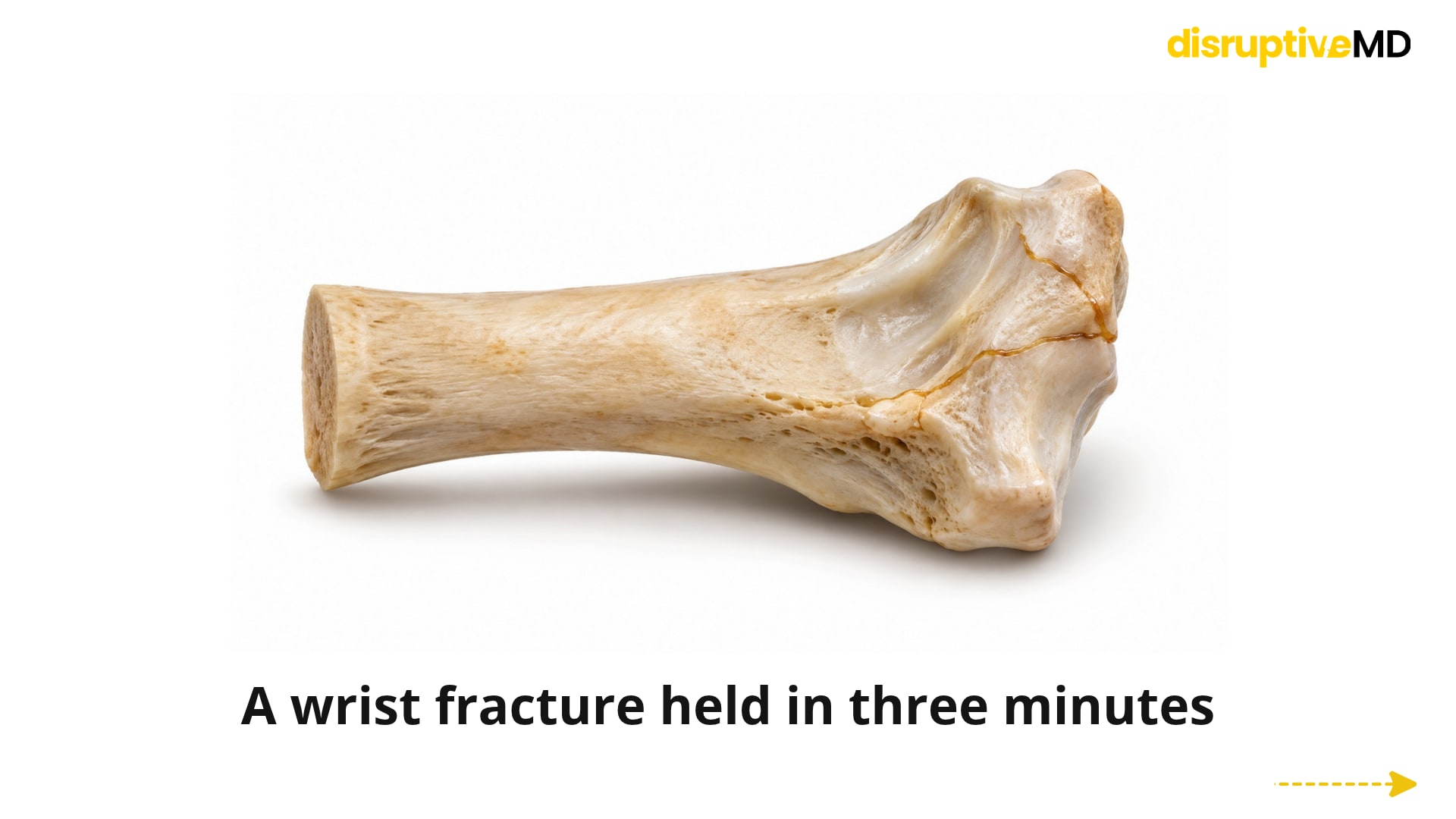
The university describes a worker whose wrist fracture had broken into several pieces. Through a small incision, the surgeons used Bone-02 to secure the fragments in about three minutes. They assessed healing and wrist function three months later. The distinction matters: three minutes was the time needed to hold the pieces in position. Living bone still needed time to knit together.
In May 2026, the hospital reported completed follow-up in a multicentre randomised study involving more than 150 participants. That figure includes the study groups. To judge the benefit for patients, surgeons need to know how often fragments shifted, how well patients recovered movement and how those outcomes compared between groups.
What the Leeds surgeons put beneath the knee
On 7 August 2026, the Leeds team used OsStic in a patient with a split and depressed outer tibial plateau, the part of the shinbone that supports the outer side of the knee. The trial protocol calls for surgeons to restore alignment, secure the fracture with a plate and then inject OsStic into the gap beneath the joint surface.
Mixed with water, calcium phosphate and phosphoserine form a paste that hardens in place. Calcium phosphate is a mineral found in bone. The material is designed to break down as new bone grows into the space. Its timing matters as much as its initial strength. If support fades too soon, the surface above it could sink again. The study follows patients for about a year, including how well they can bear weight.
Cartilage repair has an edge problem
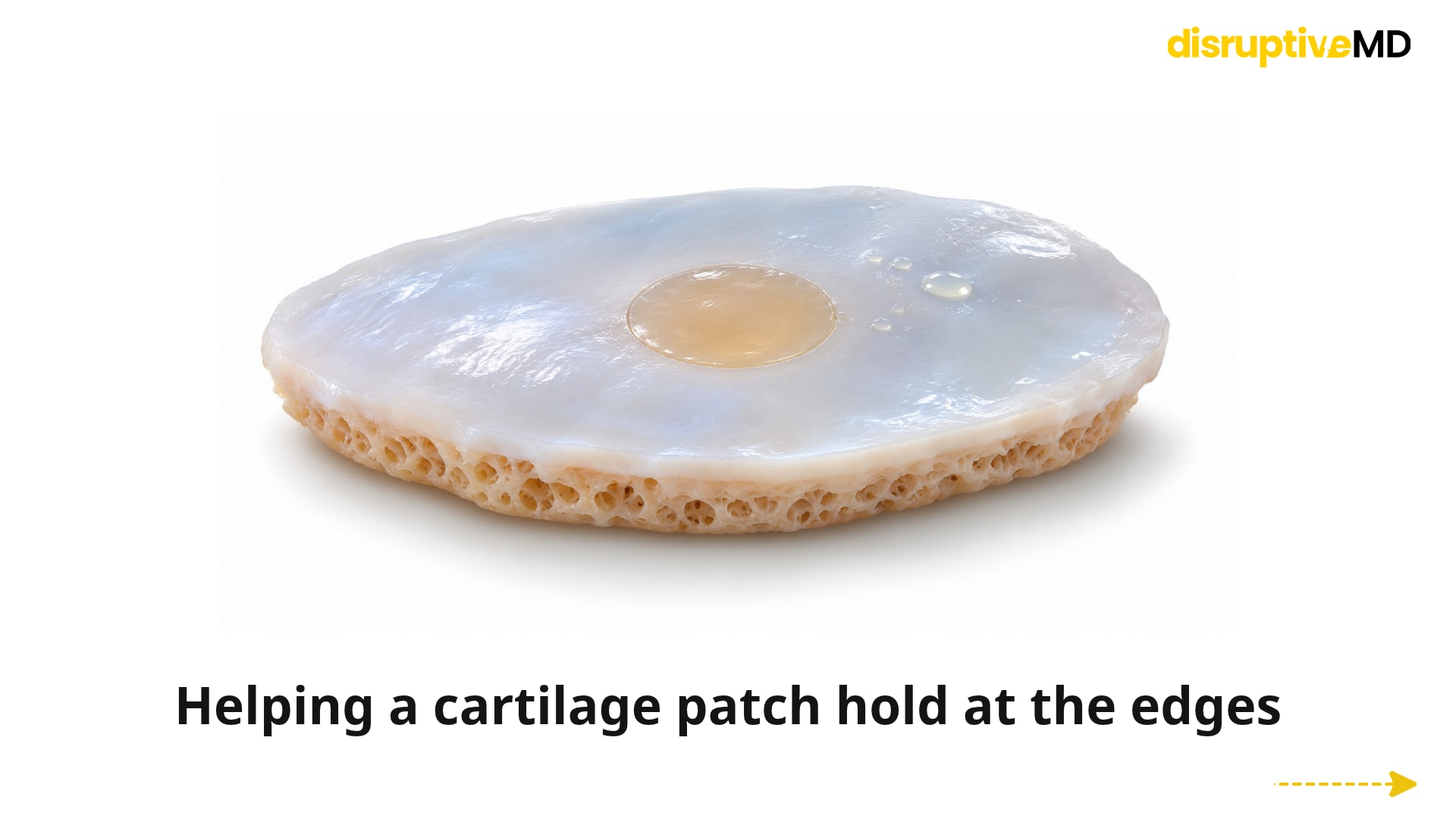
Bone needs support under load. Cartilage also needs a smooth surface that glides. Even when repair tissue fills a small defect, a weak seam around the edge can allow it to lift away as the joint moves. Joint fluid, the lubricant that makes movement possible, also makes that seam difficult to bond.
In a study published on 9 November 2026 in Advanced Materials, researchers made a water-rich gel using modified hyaluronic acid, chitosan and a silk protein. In laboratory tests, the liquid mixture pushed fluid aside as it spread. Once the gel formed, some of its chemical bonds could break and re-form when disturbed, helping it hold contact with the wet surface.
The team then added stem cells derived from the joint lining and tested the gel in rabbits with localised cartilage injuries. The defects filled more completely, and the cartilage-like repair tissue joined more closely to the surrounding cartilage. Whether that seam can tolerate years of walking on a human knee remains an open question.
When the injury reaches both layers
A deeper injury can take out both cartilage and the bone beneath it. One approach uses layers with different properties. Another lets nearby tissue guide how cells respond. In a 2026 study, an injectable gel set in under a minute during simulated keyhole surgery. In a separate rat experiment, researchers saw repair in both cartilage and underlying bone after eight weeks. Rapid setting matters in keyhole surgery because the fluid used to keep the camera view clear can wash a slow-setting gel away.
What a lasting repair would take
Researchers are also exploring gels that release growth factors or respond to inflammation. The aim is to give cells a useful signal at the stage when they need it. A material that performs well under a microscope still has to stay where the surgeon places it, avoid a harmful tissue reaction and retain enough strength as it breaks down.
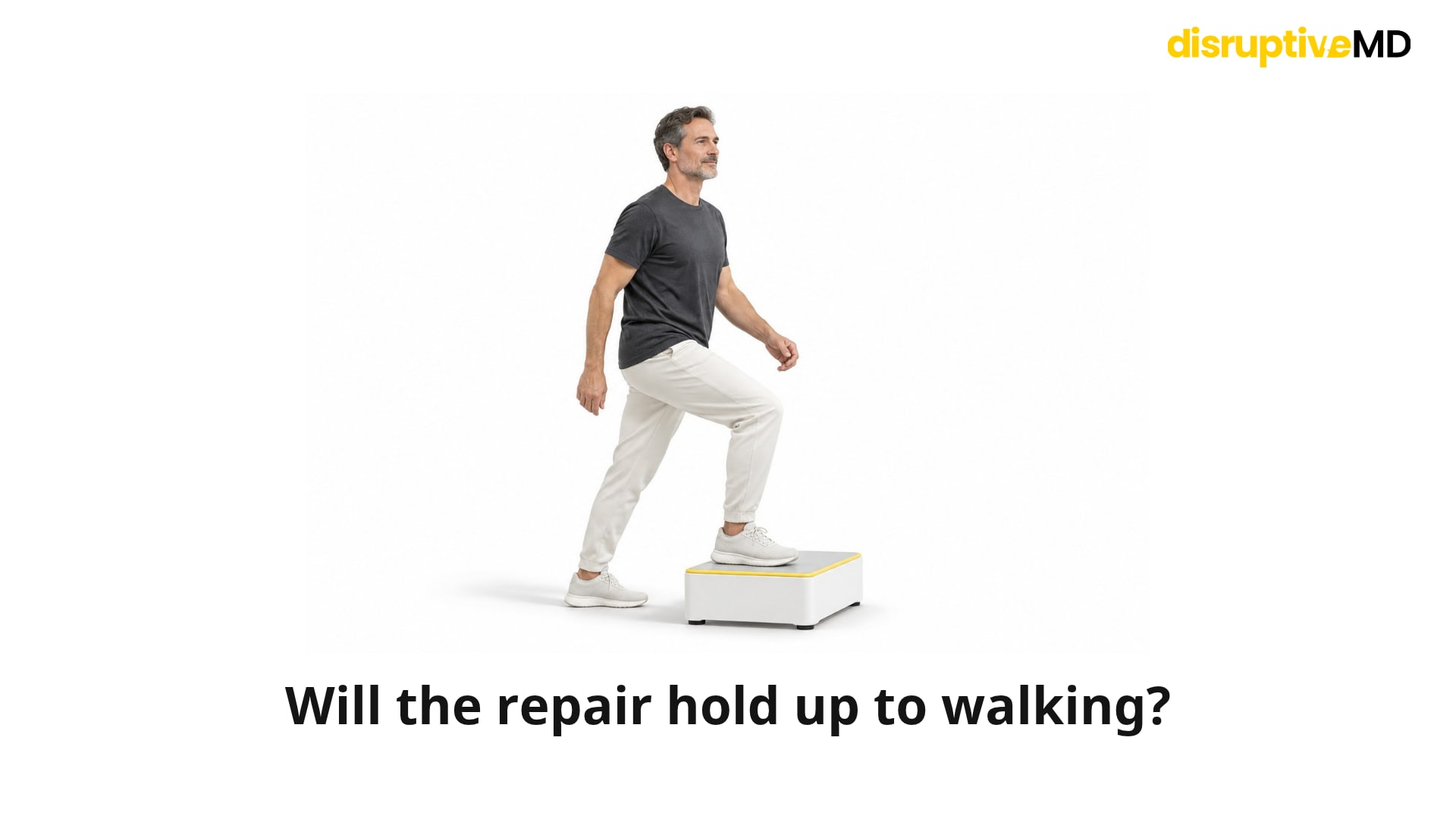
For patients, the most meaningful tests come later. Does the knee surface keep its shape as weight bearing resumes? Does the repair reduce pain and restore movement? Can it spare someone another operation? These are the outcomes that will determine where adhesives earn a place in orthopaedic surgery.
Fact Base
Human fracture studies. Bone-02 has been studied in a randomised trial in China. The Leeds OsStic trial uses a single treatment group and evaluates the filler alongside plate fixation. Its design can track safety and recovery, but cannot establish how much benefit the filler adds over a plate alone.
Animal cartilage studies. The November hydrogel study showed better integration in rabbit cartilage defects. A separate rat study found repair in cartilage and bone at eight weeks. Both investigated localised injuries. Restoring an entire joint affected by advanced osteoarthritis remains beyond what these studies have demonstrated.
Key Takeaway
The clearest opportunity for bone glue is the fragment a screw cannot grip, the hollow beneath a rebuilt knee surface, or the seam where a cartilage patch comes loose. A temporary material that holds at one of those weak points could help a patient keep more of their own joint.
References
-
Zhejiang University. Bone-02 development and wrist fracture case. January 2026. https://www.zju.edu.cn/english/2025/1015/c20122a3136240/page.psp
-
Sir Run Run Shaw Hospital. Bone-02 multicentre trial update. May 2026.https://educationcenter.srrsh-english.com/articleInfo/7057
-
ISRCTN94484905. OsStic first-in-human tibial fracture study protocol.https://www.isrctn.com/ISRCTN94484905
-
Biomimetic Innovations. First clinical application of OsStic in Leeds. August 2026.https://pbcbiomed.com/biomimetic-innovations-ltd-announces-first-in-human-application-of-osstic-injectable-synthetic-bone-void-filler/
-
Uppsala University. Bone glue from Uppsala tested on patients. September 2026.https://www.uu.se/en/news/2026/2026-09-21-bone-glue-from-uppsala-tested-on-patients
-
Kong S et al. Wet-adhesive hydrogels for cartilage repair. Advanced Materials. 2026.https://pubmed.ncbi.nlm.nih.gov/43003792/
-
Lian Q et al. Ultrafast hydrogel for osteochondral repair. Journal of Orthopaedic Translation. 2026.https://pubmed.ncbi.nlm.nih.gov/42403396/
-
Amhare AF et al. Nano-hydrogels for osteochondral repair. Systematic review. 2025.https://pubmed.ncbi.nlm.nih.gov/40666699/
-
Hydrogels as drug carriers for cartilage repair in osteoarthritis. November 2026.https://pmc.ncbi.nlm.nih.gov/articles/PMC13755476/


