
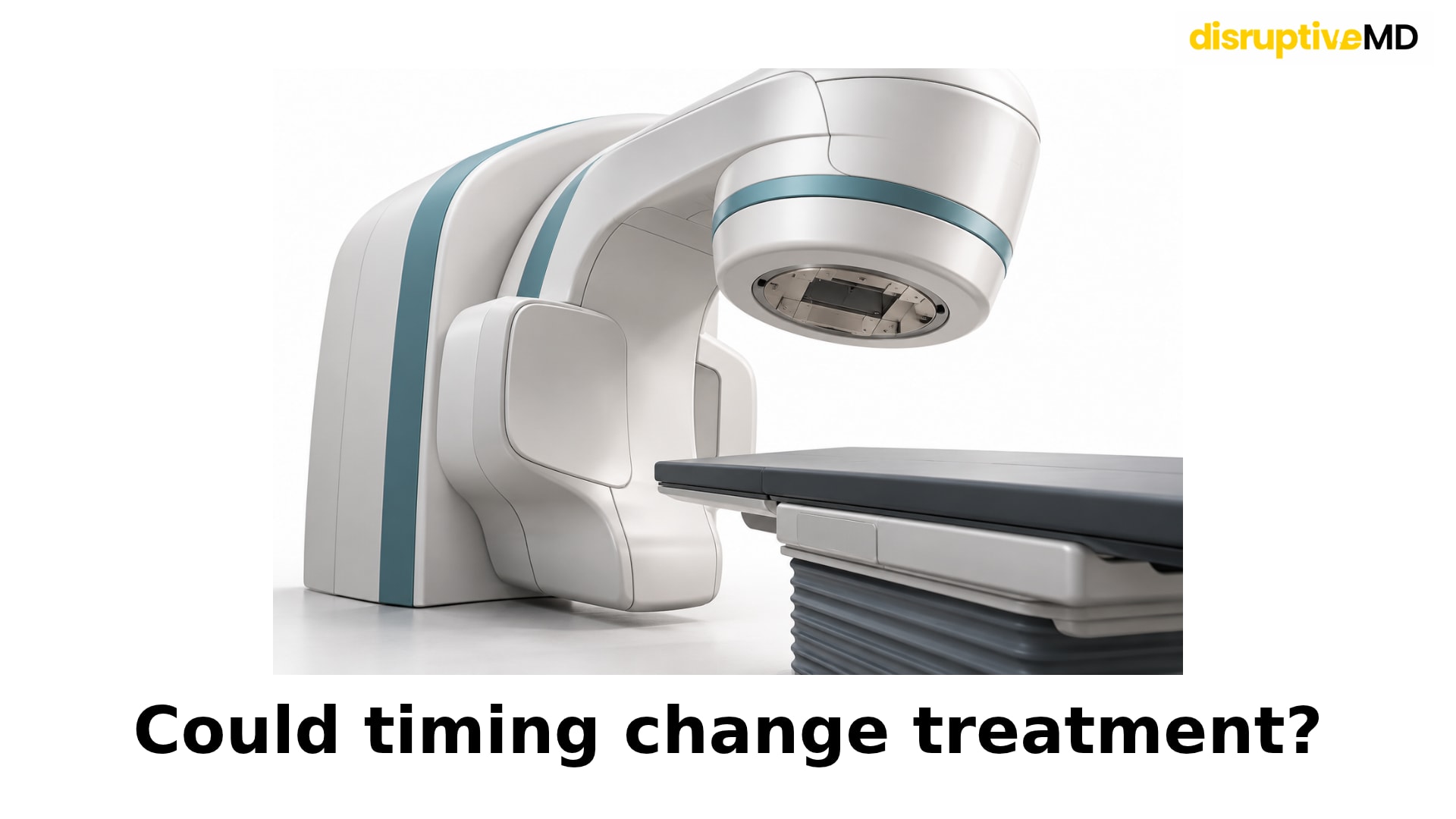
A radiation beam switches on, delivers its dose, and stops before a second has passed. The intriguing possibility is what happens afterwards: could healthy tissue suffer less damage while the tumour remains vulnerable?
That is the ambition of FLASH radiotherapy, an experimental approach that delivers radiation at ultra-high dose rates. Animal studies have demonstrated normal-tissue protection under particular conditions, and early human studies have established that treatment can be delivered. Whether FLASH consistently improves patient outcomes remains an open question.
The phrase “less than a second” describes the radiation exposure. Imaging, positioning, planning and safety checks still take time. Tumour response develops after treatment, and a treatment course may still require several sessions.
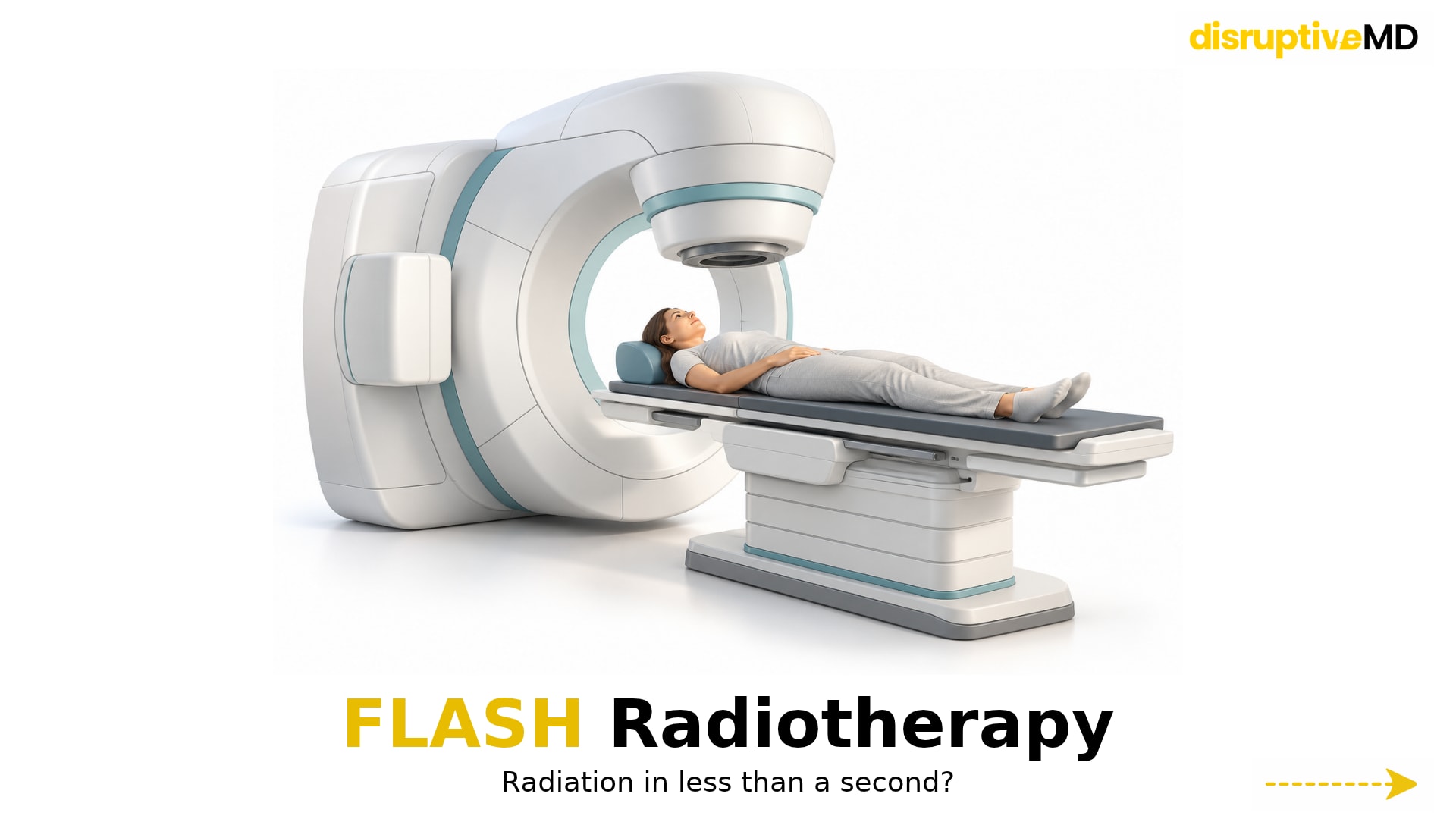

- FLASH delivers radiation at ultra-high dose rates.
- The radiation exposure often lasts less than a second.
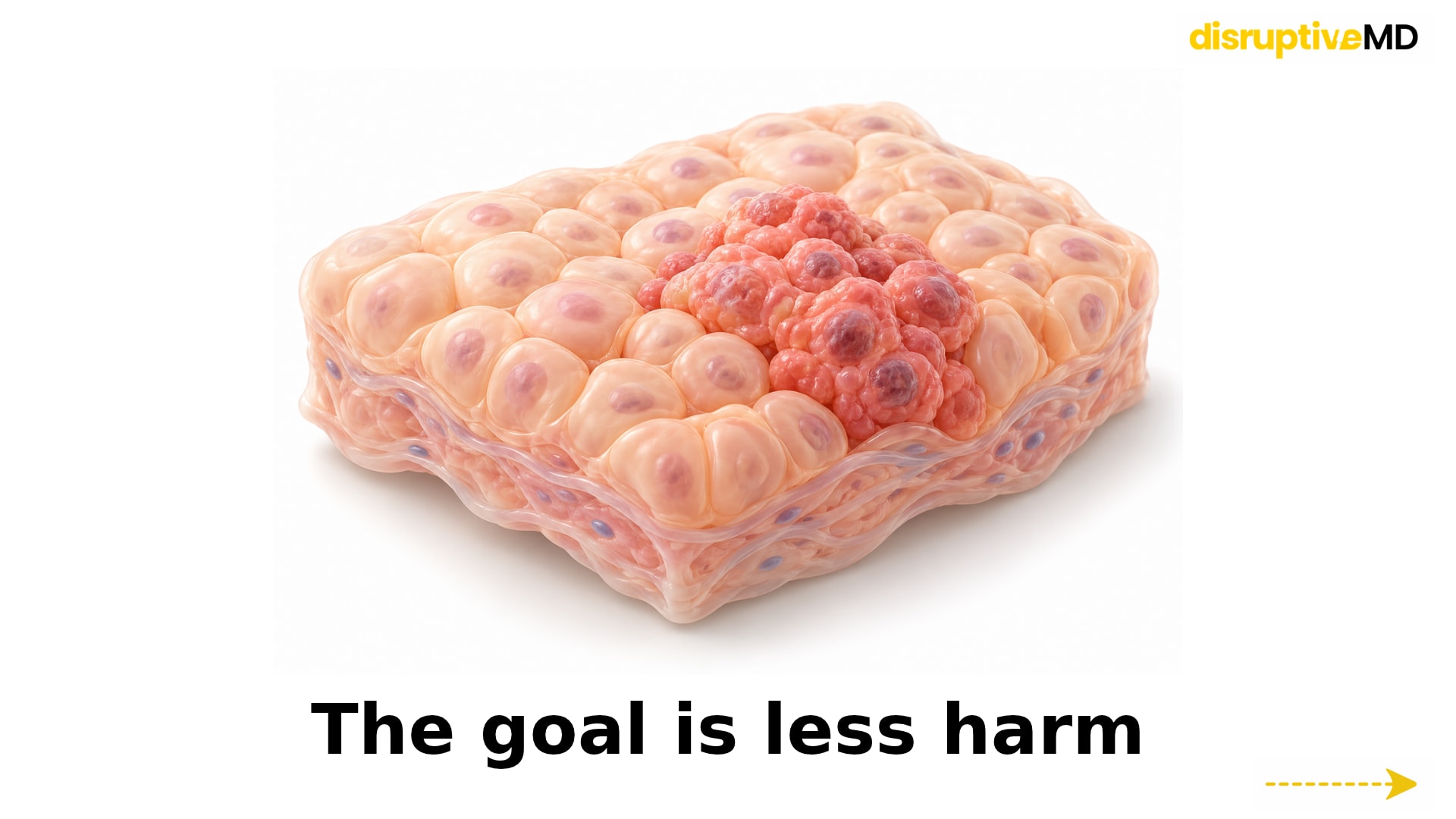
- The goal is cancer control with less damage to healthy tissue.
When delivery speed becomes part of the treatment
Radiotherapy has two distinct measurements: dose, the amount of radiation absorbed, and dose rate, how quickly it arrives. A faster dose rate does not automatically mean a larger total dose.
FLASH research commonly uses average dose rates of at least 40 gray per second, with gray being the unit of absorbed radiation dose. This can compress delivery into fractions of a second. Conventional delivery takes longer, but the number of treatment sessions is a separate decision. Some established radiotherapy treatments already use a single session.
There is also no universal speed threshold that guarantees protection. Experiments show that the dose within each pulse and the total dose can change the degree of tissue sparing. A machine producing an ultra-fast beam is only one part of achieving the biological effect.
The FLASH effect and the possibility of gentler radiation
The FLASH effect describes reduced injury to normal tissue while preserving the tumour response seen with conventional delivery under comparable experimental conditions.
In a landmark mouse study, ultra-fast irradiation reduced lung injury while suppressing tumour growth as effectively as conventional irradiation. This suggested that changing delivery time could widen the gap between cancer treatment and healthy-tissue damage.
For patients, the hoped-for benefit is practical: effective treatment with fewer consequences for the organs around a tumour. But protection demonstrated in one animal model cannot be assumed for every organ, cancer or treatment schedule. More recent experiments reinforce how strongly the effect depends on delivery conditions.
Speed becomes clinically valuable when it improves that balance between cancer control and normal-tissue injury.
Proton FLASH and the challenge of treating a three dimensional tumour
Protons are attractive because their energy can be adjusted so that they stop at a chosen depth, helping limit radiation beyond a target. Combining this physical targeting with FLASH raises the possibility of protecting healthy tissue through both beam placement and altered biological response.
However, early human proton FLASH work used transmission, or “shoot-through,” beams that passed through the treated body region. Those experiments did not fully exploit the ability of protons to stop within the target.
Conformal FLASH aims to shape the ultra-fast dose around a tumour in three dimensions. The challenge is to preserve the required delivery conditions while covering an irregular volume and limiting exposure to nearby organs. This is a substantial step beyond delivering an ultra-fast beam through a relatively simple treatment field.
Human trials have begun to test the promise
The early FAST-01 proton trial treated 10 adults at 12 sites of painful bone metastases in the limbs, using a single dose of 8 gray. Pain improved at eight sites, including complete pain relief at six. Reported adverse effects were mild.
These findings supported clinical feasibility. The study was small and had no randomised conventional-treatment group, so it could not establish superior pain relief or prove that FLASH spared more normal tissue. Pain palliation also answers a different question from long-term tumour control or survival.
The FAST-02 study, published in 2026, extended single-session proton FLASH to 10 patients with painful bone metastases in the chest, closer to the lungs, heart and other critical structures. Six patients reported complete pain relief, three partial relief and one stable pain, using each patient's available follow-up assessment. No moderate or severe treatment-related adverse event was reported over a median follow-up of 189 days. This small, single-arm study adds experience near sensitive organs, but still cannot tell us whether FLASH protects them better than conventional radiation.
On 1 September 2026, a new human feasibility trial of conformal proton FLASH was announced. It plans to enrol 10 patients whose head and neck cancer has returned after previous radiation and cannot be removed surgically. The protocol uses five treatments over approximately 10 days, with each radiation exposure intended to last less than a second.
The advance is the move into testing precisely shaped FLASH treatment in people. The trial is designed to assess safety and feasibility; its launch is not evidence that the hoped-for reduction in toxicity has already been achieved.
Why head and neck cancer is an important test
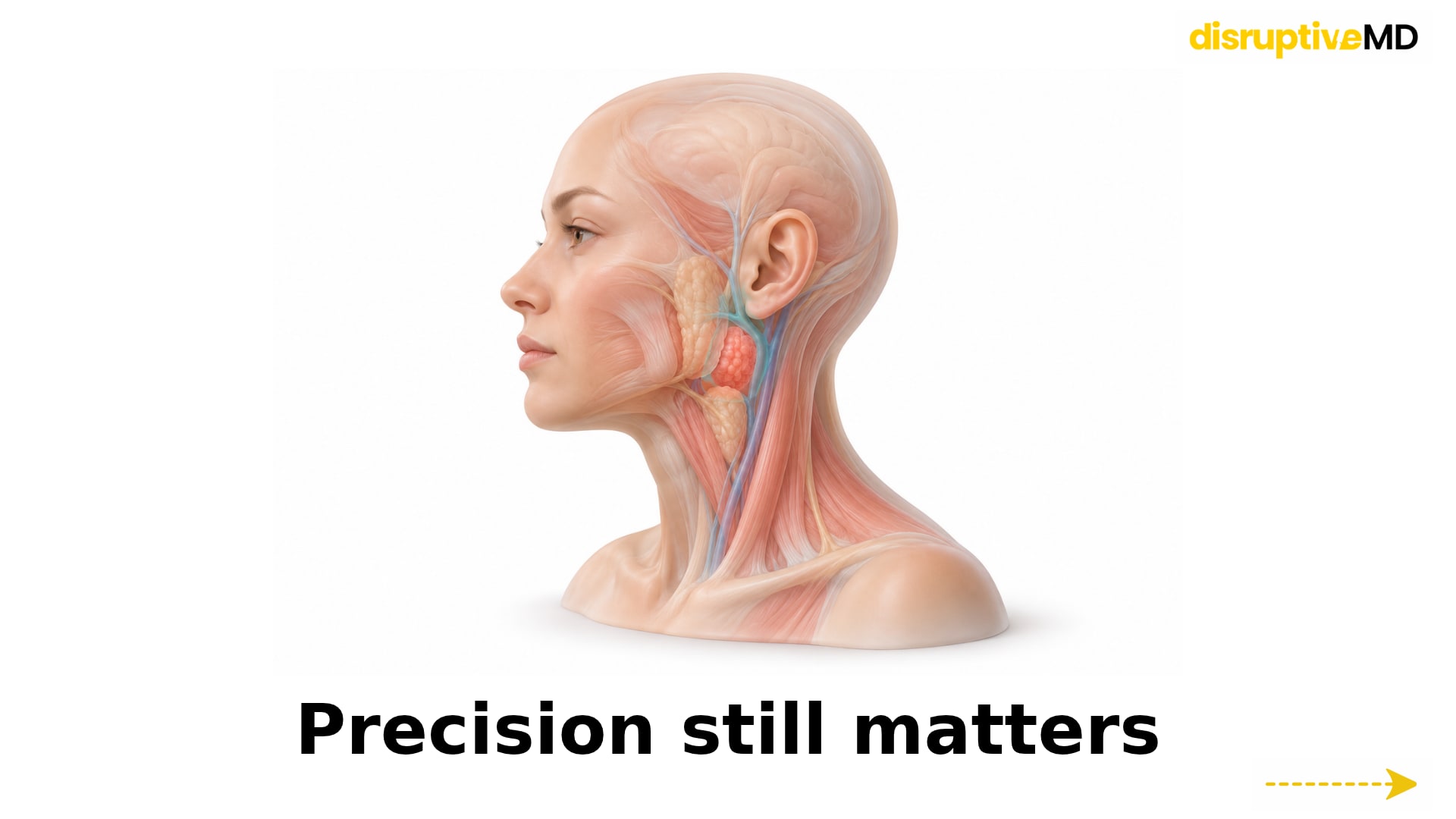
In the head and neck, treatment can affect eating, swallowing, saliva, taste and speech. A tumour may sit close to the mouth, throat, nerves and other sensitive structures. Preserving everyday function is therefore a major part of judging treatment success.
The stakes rise further with re-irradiation, meaning another course of radiation in a previously treated region. Earlier exposure must be considered when planning further treatment, and serious injury remains a concern.
If FLASH can reliably reduce additional damage while treating recurrent cancer, it could become valuable here. For now, it cannot be assumed to make previously irradiated tissue safe to treat again. That is precisely why careful clinical testing matters.
The oxygen question remains unresolved
Radiation triggers chemical reactions inside tissue, including the formation of reactive molecules that can damage cells. Oxygen influences these reactions, making it a central subject of FLASH research.
One hypothesis proposes that an intense, brief exposure temporarily changes local oxygen availability. Another suggests that the high concentration of radiation-generated radicals makes them more likely to react with one another, reducing some damaging reactions in tissue. Experimental oxygen measurements and chemical models have not established one explanation that accounts for the entire FLASH effect.
Researchers are also investigating protection of cells involved in tissue repair and changes in inflammation, blood vessels and immune responses. These possibilities may interact rather than provide a single biological switch.
Understanding the mechanism matters because it could help identify the tissues, doses and delivery patterns most likely to benefit. Until then, “faster” remains an incomplete prescription.
Precision must survive the speed
FLASH requires careful control of beam energy, field size, dose, dose rate and delivery time. Systems must measure an intense exposure accurately and verify that the planned dose reaches the intended region. Delivering more radiation per moment puts greater demands on beam monitoring and control.
Motion adds another layer. A very brief exposure can reduce movement during irradiation, but it does not correct a target that was in the wrong position when the beam started. Breathing and other changes in anatomy still require appropriate imaging, positioning and motion management.
This makes preparation especially consequential: the beam must arrive at the correct place, at the correct time, with the correct delivery conditions.
AI could help support that preparation. A retrospective study using imaging from 30 patients with lung targets investigated deep learning to reconstruct three dimensional anatomy rapidly for potential proton FLASH guidance. It demonstrated an imaging approach, rather than improved outcomes from AI-guided FLASH treatment.
Future applications could include treatment planning, motion prediction, adaptive updates and quality checks. Their usefulness will depend on validation against the errors and uncertainties that matter during actual treatment.
Could FLASH work differently with immunotherapy
Radiation can influence the immune environment around a tumour. Researchers therefore want to know whether FLASH preserves useful immune activity or changes the response to immunotherapy.
In mouse models of ovarian cancer, FLASH maintained tumour control, supported intestinal regeneration and retained the ability to enhance treatment with a PD-1 checkpoint inhibitor, a drug approach that helps immune cells attack cancer.
This provides a reason to investigate combinations. It does not establish that FLASH plus immunotherapy is safer or more effective than conventional combinations in people.
What Is Real Today
FLASH is a working radiation-delivery approach with substantial preclinical research and early human experience. Proton FLASH has been delivered for painful bone metastases in the limbs and chest, and conformal proton FLASH has entered human feasibility testing in selected recurrent head and neck cancer.
Its present clinical role is investigational. The human studies remain too small to establish a normal-tissue advantage over standard radiotherapy.
What Is Not Fully Real Yet
The studies discussed here do not establish a survival advantage, dependable protection of every organ, or a replacement for standard radiotherapy. Long-term safety and cancer control need evaluation across larger patient groups and different tumour types.
Shorter exposure also does not automatically mean fewer appointments. Dose rate, total dose and the number of sessions are separate choices that must be tested together.
Key Takeaway
FLASH radiotherapy is testing whether the timing of radiation can improve its effect on living tissue. Its success will depend on maintaining cancer control while measurably reducing harm in patients.
FLASH radiotherapy may do more than accelerate treatment. It may change how we use radiation to treat cancer while protecting healthy tissue.
Fact Base
- Demonstrated in preclinical research: Normal-tissue sparing with preserved tumour response has been observed under specific FLASH conditions. It is not a universal effect.
- Demonstrated in early human research: FAST-01 established feasibility in a small group treated for painful limb bone metastases. FAST-02 extended this work to painful chest bone metastases. Neither trial proves superior normal-tissue protection against conventional radiotherapy.
- Now being tested: A conformal proton FLASH feasibility trial announced in September 2026 targets selected previously irradiated head and neck cancers.
- Still unresolved: The mechanism, optimal delivery conditions, long-term benefits and harms, and clinical value of combinations with immunotherapy.
References
- Favaudon V, et al. Ultrahigh dose-rate FLASH irradiation increases the differential response between normal and tumor tissue in mice. Science Translational Medicine. 2014;6(245):245ra93. https://doi.org/10.1126/scitranslmed.3008973
- Liu K, et al. Redefining FLASH Radiation Therapy: The Impact of Mean Dose Rate and Dose Per Pulse in the Gastrointestinal Tract. International Journal of Radiation Oncology, Biology, Physics. 2025;121(4):1063-1076. https://doi.org/10.1016/j.ijrobp.2024.10.009
- Mascia AE, et al. Proton FLASH Radiotherapy for the Treatment of Symptomatic Bone Metastases: The FAST-01 Nonrandomized Trial. JAMA Oncology. 2023;9(1):62-69. https://doi.org/10.1001/jamaoncol.2022.5843
- Daugherty EC, et al. FAST-02: Results from the second in-human prospective evaluation of single-fraction proton FLASH for symptomatic thoracic bone metastases. Radiotherapy and Oncology. 2026;222:111671. https://doi.org/10.1016/j.radonc.2026.111671
- Conformal proton FLASH Phase I clinical trial announcement. 1 September 2026. https://www.pennmedicine.org/news/penn-launches-first-advanced-proton-therapy-clinical-trial
- FLASH forward to an ultra-fast new form of radiation. Research and clinical programme update. 1 September 2026. https://www.pennmedicine.org/news/flash-proton-radiation-research
- Cao X, et al. Quantification of Oxygen Depletion During FLASH Irradiation In Vitro and In Vivo. International Journal of Radiation Oncology, Biology, Physics. 2021;111(1):240-248. https://doi.org/10.1016/j.ijrobp.2021.03.056
- Labarbe R, et al. A physicochemical model of reaction kinetics supports peroxyl radical recombination as the main determinant of the FLASH effect. Radiotherapy and Oncology. 2020. https://doi.org/10.1016/j.radonc.2020.06.001
- Nesteruk KP, et al. Commissioning of a clinical pencil beam scanning proton therapy unit for ultra-high dose rates (FLASH). Medical Physics. 2021;48(7):4017-4026. https://doi.org/10.1002/mp.14933
- Chang CW, et al. Deep learning-based Fast Volumetric Image Generation for Image-guided Proton Radiotherapy. IEEE Transactions on Radiation and Plasma Medical Sciences. 2024;8(8):973-983. https://doi.org/10.1109/TRPMS.2024.3439585
- Eggold JT, et al. Abdominopelvic FLASH Irradiation Improves PD-1 Immune Checkpoint Inhibition in Preclinical Models of Ovarian Cancer. Molecular Cancer Therapeutics. 2022;21(2):371-381. https://doi.org/10.1158/1535-7163.MCT-21-0358


