
Imagine a pacemaker or sensor that never needs its battery replaced.
A medical implant can support the heart, stimulate a nerve or monitor a biological signal for years. Yet its usefulness often depends on something surprisingly ordinary: a reliable supply of electricity.
The body offers an intriguing possibility. Every heartbeat creates movement. Breathing shifts the chest and diaphragm. Walking loads joints and tendons. Body fluids contain chemical fuel. Researchers are exploring whether tiny amounts of this energy could power medical electronics from within.
Self-powered implants aim to make devices last longer and reduce the need for procedures caused by battery depletion. Some approaches harvest energy from the body; others receive power wirelessly from an external source. Both could reduce battery dependence, but they work differently.
- Batteries give implants dependable power, but they occupy space and have a finite capacity.
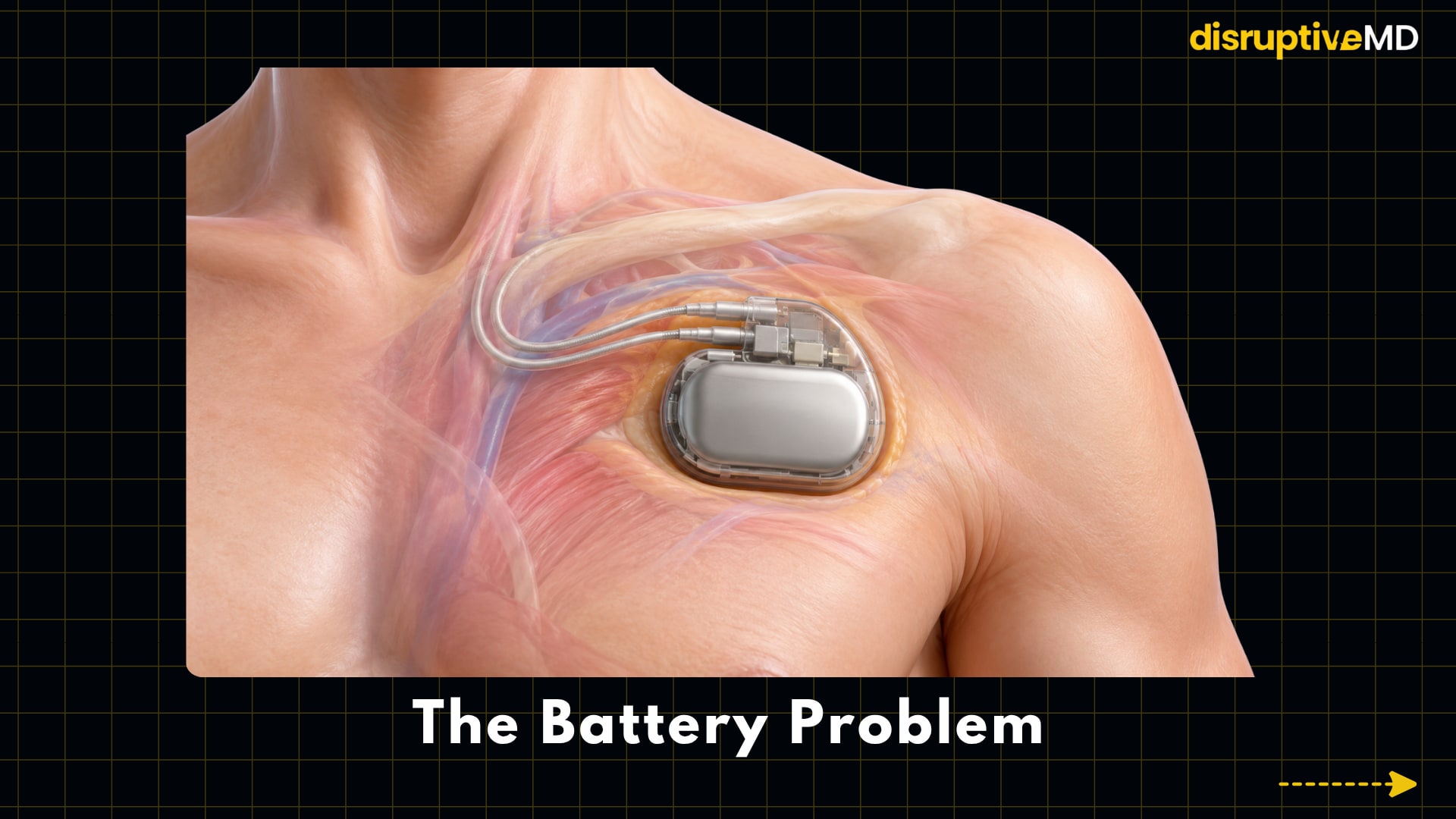
- In conventional pacemakers, the battery sits inside a sealed pulse generator. When it approaches depletion, clinicians generally replace the generator.
- Even so, another procedure brings costs, recovery and risks such as bleeding or infection.
The Battery Problem
Batteries give implants dependable power, but they occupy space and have a finite capacity. In conventional pacemakers, the battery sits inside a sealed pulse generator. When it approaches depletion, clinicians generally replace the generator rather than open it and swap a loose battery. Functioning leads may remain in place.
Replacement is usually planned through device monitoring. Even so, another procedure brings costs, recovery and risks such as bleeding or infection. Reducing the number of replacements could therefore offer a meaningful clinical benefit. Energy harvesting must deliver that benefit without compromising the reliability patients already depend on.
When Movement Becomes Electricity
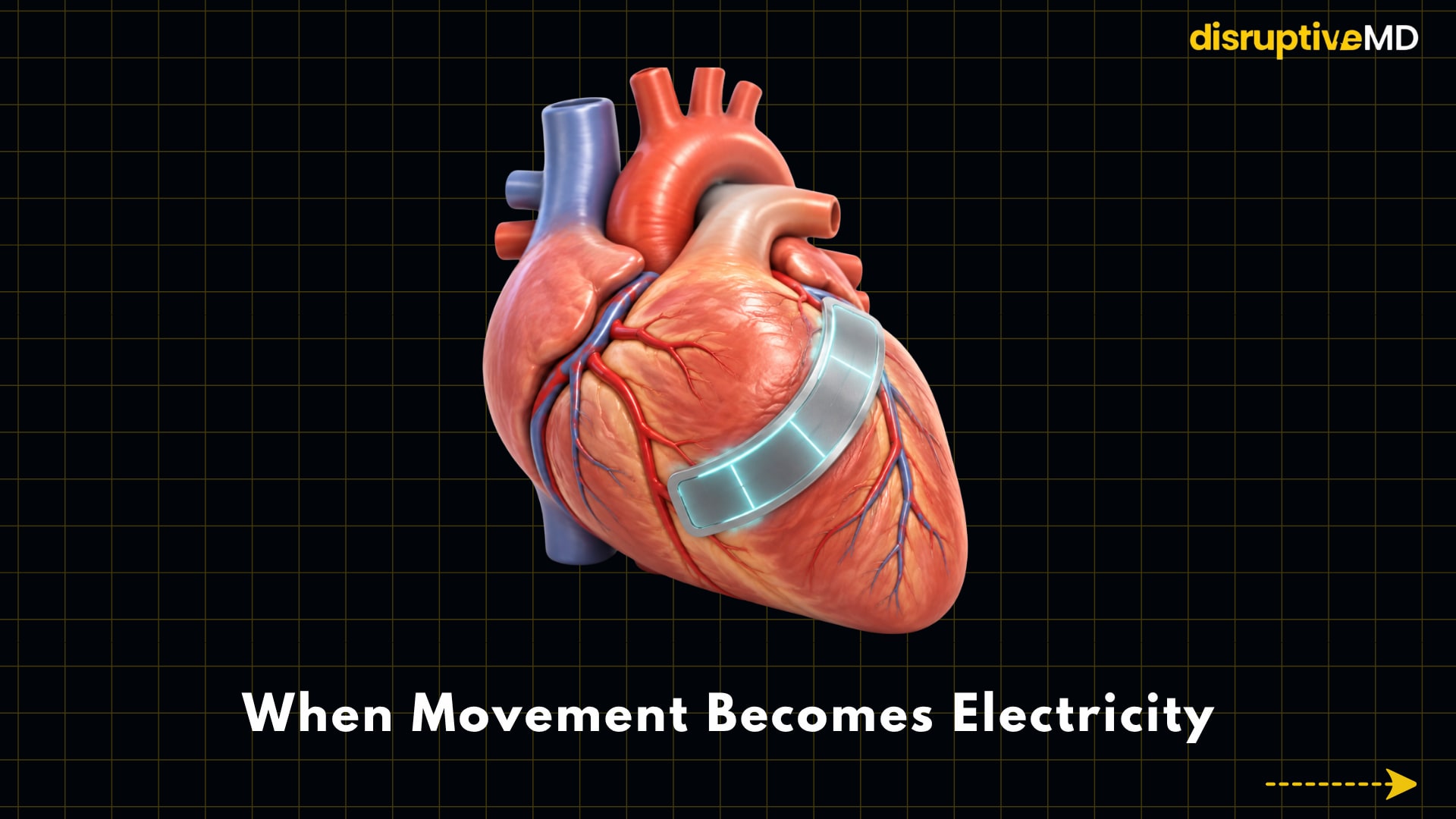
Piezoelectric materials generate an electrical charge when they are bent, compressed or stretched. Triboelectric generators produce electricity through repeated contact and separation between materials. Electromagnetic systems can convert relative movement between a magnet and a coil into electrical energy.
These mechanisms could capture motion from the heart, breathing, muscle contraction, arterial pulsation or joint loading. Flexible piezoelectric devices have already harvested energy from the heart, lung and diaphragm in animal experiments. Triboelectric systems have also powered experimental cardiac pacing.
The implant would usually need circuits that collect and regulate this energy, with a capacitor or rechargeable storage element to bridge gaps between generation and use. Harvesting energy and delivering reliable therapy are separate engineering tasks.
Could The Heart Help Power Its Own Pacemaker
This possibility has moved beyond the laboratory bench. A January 2026 study reported a transcatheter pacemaker that converted cardiac motion into electricity through electromagnetic induction and operated autonomously for a month in pigs with slow-heart-rhythm disease.
In August 2026, another study demonstrated a leadless intracardiac pacemaker powered by a triboelectric generator driven by heartbeats. The integrated device supported pacing in a swine model, bringing energy harvesting closer to the size and delivery requirements of an implant placed inside the heart.
These are substantial preclinical advances. They do not establish lifelong performance in people. A crucial design question remains: can the system preserve enough power when cardiac movement changes, particularly when pacing is most needed?
Body Heat Needs A Temperature Difference
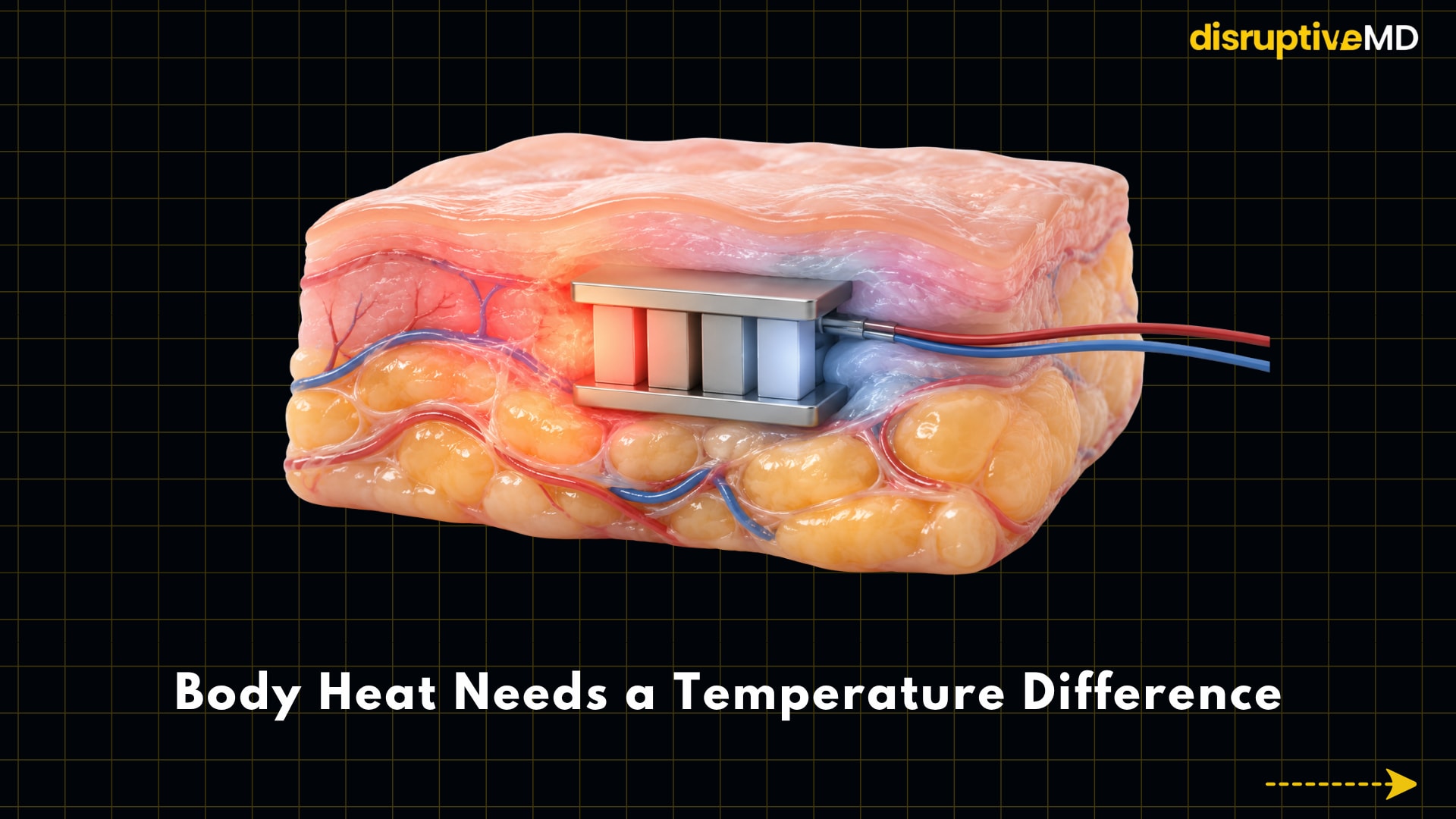
Thermoelectric generators convert a temperature difference into electricity. A warm body alone is insufficient; the device needs a warmer side and a cooler side.
That is easier to arrange on the skin, where surrounding air can provide cooling, than deep inside the body, where temperatures are relatively similar. Experimental implant-oriented generators have produced useful power under controlled temperature differences, but sustaining that difference in living tissue remains a major constraint. Heat harvesting may suit selected locations or supplement another source of power.
Body Chemistry As A Power Source
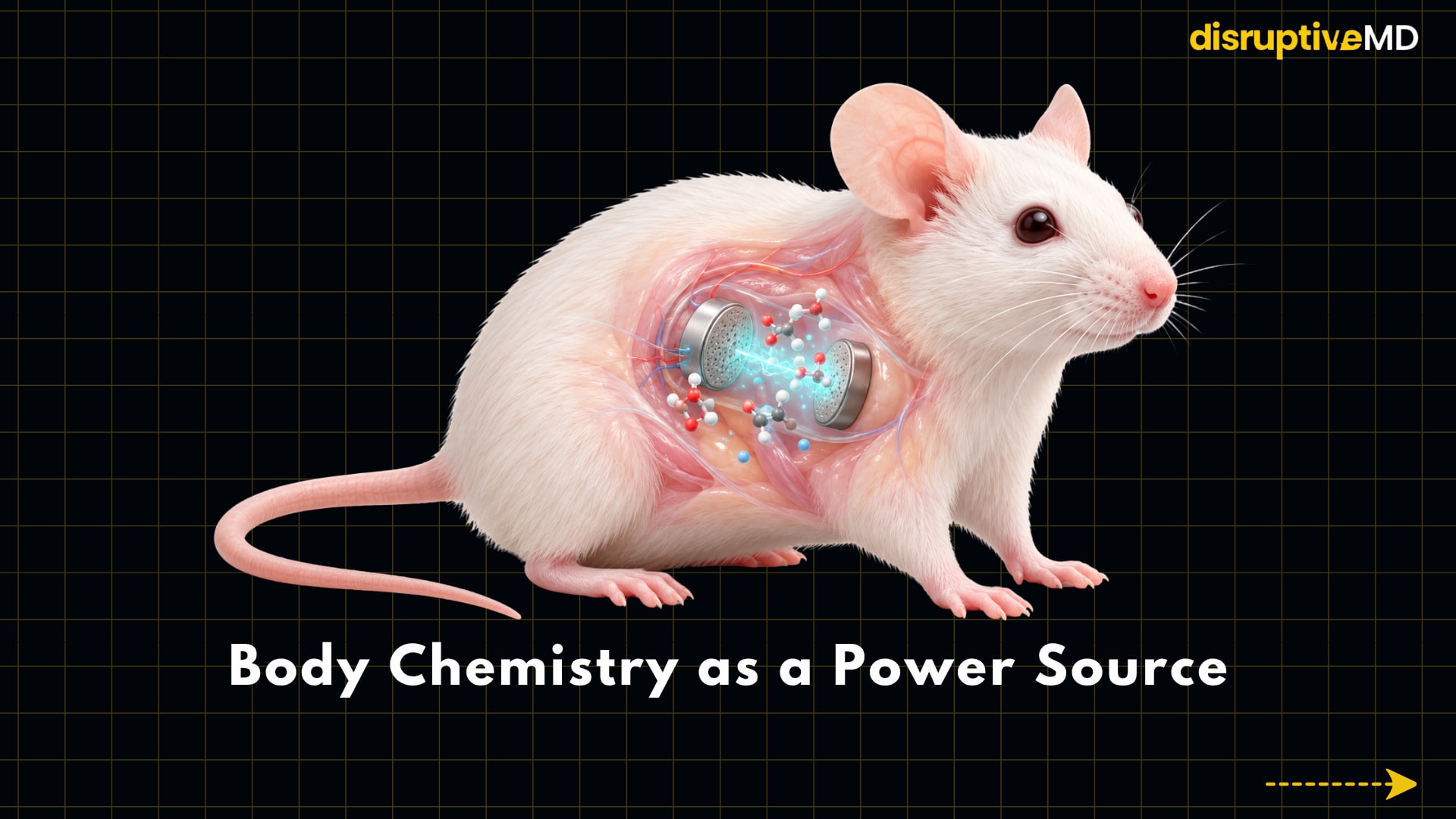
Biofuel cells use electrochemical reactions involving molecules such as glucose to produce electricity. Depending on the design, enzymes or other catalysts help convert chemical energy into an electrical current.
An implant could therefore draw on fuel already present in body fluids. However, available glucose does not guarantee a dependable power supply. Fuel and oxygen must reach the electrodes, the catalytic materials must keep working, and surrounding tissue must tolerate the device. A glucose-powered metabolic fuel cell has demonstrated this principle experimentally, including its use in a responsive insulin-release system in diabetic mice.
Power Can Also Arrive From Outside The Body
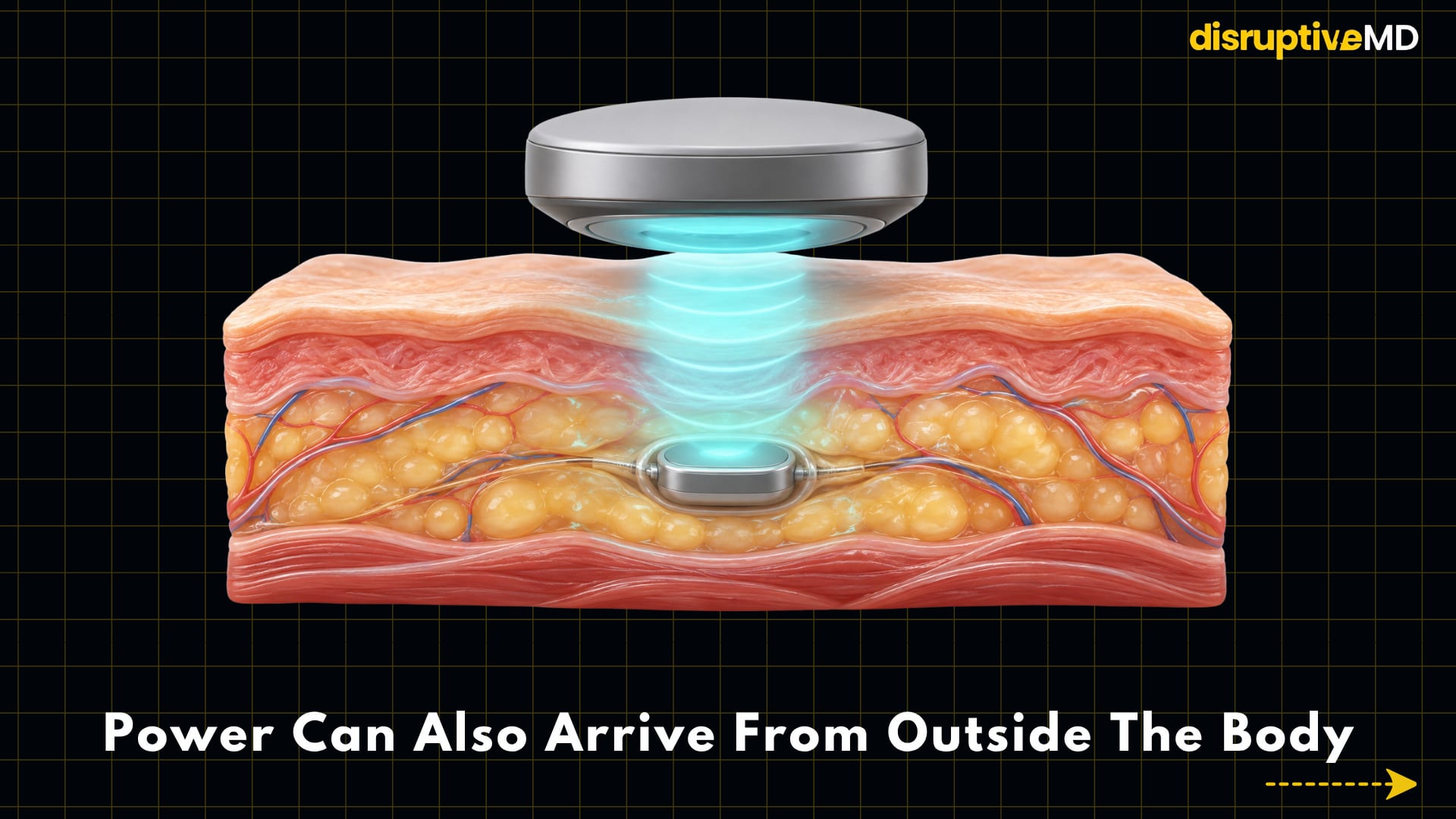
Wireless power transfer takes a different route. An external transmitter sends energy to an implanted receiver using methods such as magnetic coupling, radiofrequency fields or ultrasound. Photovoltaic implants can also convert externally delivered light into electrical stimulation in suitable settings. The choice depends on depth, tissue properties, alignment and the power required.
For example, experimental miniature nerve stimulators have received power and control signals through ultrasound. A separate 2024 study demonstrated a battery-free cortical stimulator powered through magnetoelectric antennas, with short-term motor-cortex activation in human patients and a month of operation in pigs. This established stimulation feasibility, rather than long-term treatment effectiveness.
These devices could support smaller neural implants, but they still depend on an external energy source. Battery-free does not automatically mean independently powered by the body.
Smart Sensors And Orthopaedic Implants
A dependable power supply could help implants monitor signals over longer periods. Depending on the sensor, targets could include heart rhythm, pressure, glucose, tissue oxygenation or mechanical strain. Experimental wireless implants have already measured local tissue oxygenation using external power. Each function requires an appropriate sensor design as well as a power source.
Orthopaedics offers a particularly interesting opportunity because movement creates both the signal to measure and a possible source of energy. Experimental spinal fusion cages have generated electrical signals under compression in laboratory and human cadaver models. A 2025 knee-implant study demonstrated wireless force sensing using energy generated by mechanical loading, including testing in a human cadaver knee.
Future screws, plates, joint replacements or tendon-repair devices might use loading to power measurements that help assess healing, overload or loosening. Those are proposed clinical applications. Infection or inflammation would require appropriate validated sensing; a mechanical strain reading alone cannot establish either diagnosis.
From Monitoring To Responsive Treatment
A closed-loop implant measures a signal, compares it with a defined target, delivers a response and checks what happens next. Energy harvesting or wireless powering could support stimulation or controlled drug release within that sequence.
Two experiments illustrate different parts of this future. A glucose-powered fuel cell drove insulin release from engineered cells in diabetic mice. Separately, a self-powered, light-controlled implant released lidocaine near sciatic nerves in rats. Neither is an established treatment platform for patients.
Related concepts could eventually support local pain treatment, antimicrobial delivery, anti-inflammatory drugs, hormones or cancer therapy. Each application would need its own evidence for dosing, effectiveness and safety. Drug reservoirs also need replenishment or replacement unless the system uses another means of producing the treatment.
An Implant That Works And Then Disappears
Temporary treatment raises another possibility: a device that generates power for a defined period and then safely resorbs. Biodegradable triboelectric generators have demonstrated energy harvesting and subsequent degradation in animal research.
A 2025 study introduced millimetre-scale, bioresorbable pacemakers with optical control. Their electrodes formed a tiny galvanic cell using surrounding biofluids as the electrolyte. Light controlled when stimulation occurred; the electrical energy came from electrochemical reactions involving the device materials.
This distinction matters. Such a device consumes its electrode materials and has a finite operating life. It is designed for temporary pacing, not permanent energy generation. The study included animal experiments and isolated human-heart testing, rather than implantation in human patients.
Small Power Supplies Demand Efficient Decisions
A tiny implant must budget energy across sensing, processing, communication and treatment. It may be more practical to monitor a basic signal continuously and activate demanding functions only when needed.
AI could eventually help recognise relevant patterns or decide when to transmit data. That remains a design opportunity, and the computation itself consumes power. A simple validated threshold may be preferable when it can perform the required task. Intelligence helps only if the complete system remains efficient and dependable.
The Hardest Challenge Is Dependable Power
Generating a pulse of electricity is only the beginning. A medical implant needs enough usable energy for its full workload, including peak demands. A high voltage measured without a load does not establish that a generator can sustain a complete device.
The main barriers include maintaining output as movement or physiology changes; preventing wear, corrosion and fluid damage; limiting tissue irritation and scarring; and fitting power management, sensing and communication into a small package. Permanent implants need durable protection, while temporary resorbable devices need carefully controlled degradation.
Clinical translation also requires reliable failure detection, an appropriate backup or safe response to insufficient power, and testing over the intended treatment period. Human safety and effectiveness testing and applicable regulatory review are essential before broader clinical use. Removing a battery does not remove the possibility of sensor failure, infection or replacement for another reason.
What Is Real Today
As of October 2026, harvesting energy inside the body is an active research field with working prototypes. Cardiac motion has powered pacemakers in large animals. Glucose-powered systems have supported responsive insulin release in mice. Experimental orthopaedic implants have generated and communicated loading signals.
Wireless powering has supported miniature sensors and stimulators, with some approaches reaching early human feasibility testing. Bioresorbable devices have also demonstrated temporary pacing and programmed drug release. Their maturity differs substantially by application.
What Is Not Fully Real Yet
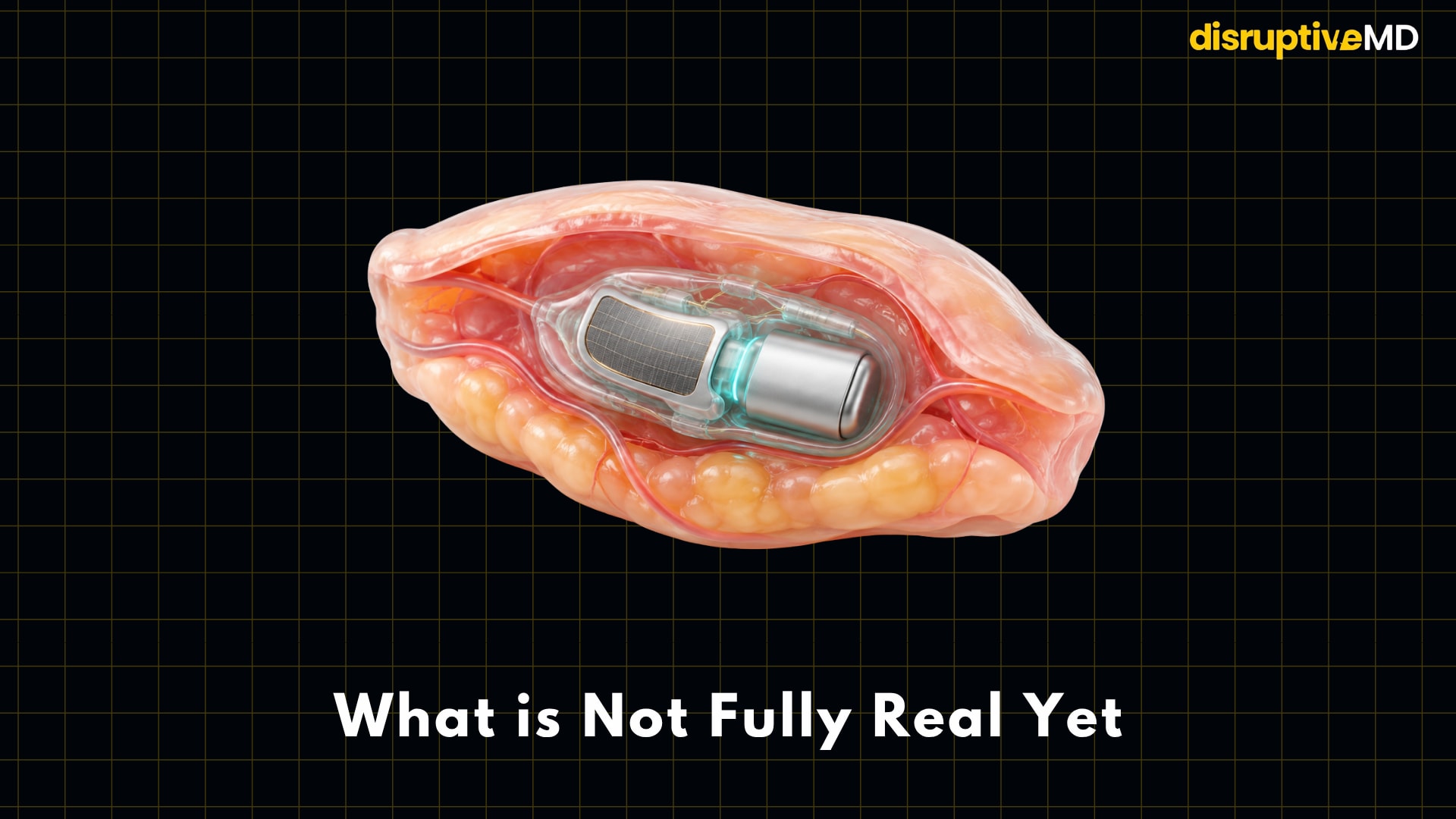
Permanent pacemakers powered solely by harvested internal energy are not routine care. The studies discussed here do not establish implants that run forever, universal battery-free monitoring, or zero need for replacement.
A fully autonomous implant that safely manages a complex disease for years remains a much broader challenge than powering one sensor or triggering one treatment. The nearer-term opportunity is likely to include selected low-power functions, temporary therapies and systems that combine harvesting with stored or externally supplied energy.
Key Takeaway
The body can provide usable energy for experimental medical implants. The clinical goal is to turn that energy into dependable monitoring or treatment, with less battery burden and fewer replacement procedures. For some devices, the body could become part of the power system. For others, a wireless external source may offer the more practical solution.
The future implant may not only live inside the body. It may be powered by it.
Fact Base
- Cardiac-motion energy harvesting has powered experimental pacemakers in large animals, including studies published in January and August 2026. These findings do not establish lifelong human performance.
- Thermoelectric harvesting requires a sustained temperature difference across the generator. Controlled experimental output does not guarantee equivalent performance deep inside the body.
- Glucose-powered insulin-release systems have been tested in diabetic mice, not established as routine treatment in people.
- Wireless external powering and internal biological energy harvesting are different approaches. Early human cortical stimulation has been demonstrated with external magnetoelectric power.
- Self-powered spinal and knee implant concepts have been evaluated in laboratory and cadaver models; their clinical monitoring benefits remain to be validated.
- Bioresorbable energy harvesters and pacing systems have experimental support. The 2025 light-controlled pacemaker used a finite galvanic power source and was designed for temporary treatment.
References
-
Poole JE, et al. Complication rates associated with pacemaker or implantable cardioverter-defibrillator generator replacements and upgrade procedures: results from the REPLACE registry. Circulation. 2010;122:1553-1561. https://doi.org/10.1161/CIRCULATIONAHA.110.976076
-
Dagdeviren C, et al. Conformal piezoelectric energy harvesting and storage from motions of the heart, lung, and diaphragm. Proceedings of the National Academy of Sciences. 2014;111:1927-1932. https://doi.org/10.1073/pnas.1317233111
-
Ouyang H, et al. Symbiotic cardiac pacemaker. Nature Communications. 2019;10:1821. https://doi.org/10.1038/s41467-019-09851-1
-
Ouyang H, et al. Symbiotic transcatheter pacemaker for lifelong energy regeneration and therapeutic function in porcine disease model. Nature Biomedical Engineering. Published online January 19, 2026. https://doi.org/10.1038/s41551-025-01604-4
-
Chen P, et al. Self-sustaining leadless intracardiac pacemaker powered by triboelectric nanogenerator. Science Advances. 2026;12:eaef8903. https://doi.org/10.1126/sciadv.aef8903
-
Rao Y, et al. Fabrication and Characterization of a Thermoelectric Generator with High Aspect Ratio Thermolegs for Electrically Active Implants. Advanced Materials Technologies. 2024;9:2301157. https://doi.org/10.1002/admt.202301157
-
Maity D, et al. Blood-Glucose-Powered Metabolic Fuel Cell for Self-Sufficient Bioelectronics. Advanced Materials. 2023;35:2300890. https://doi.org/10.1002/adma.202300890
-
Piech DK, et al. A wireless millimetre-scale implantable neural stimulator with ultrasonically powered bidirectional communication. Nature Biomedical Engineering. 2020;4:207-222. https://doi.org/10.1038/s41551-020-0518-9
-
Mathieson K, et al. Photovoltaic retinal prosthesis with high pixel density. Nature Photonics. 2012;6:391-397. https://doi.org/10.1038/nphoton.2012.104
-
Woods JE, et al. Miniature battery-free epidural cortical stimulators. Science Advances. 2024;10:eadn0858. https://doi.org/10.1126/sciadv.adn0858
-
Zhang H, et al. Wireless, battery-free optoelectronic systems as subdermal implants for local tissue oximetry. Science Advances. 2019;5:eaaw0873. https://doi.org/10.1126/sciadv.aaw0873
-
Barri K, et al. Patient-Specific Self-Powered Metamaterial Implants for Detecting Bone Healing Progress. Advanced Functional Materials. 2022;32:2203533. https://doi.org/10.1002/adfm.202203533
-
Luo J, et al. Wireless electronic-free mechanical metamaterial implants. Materials Today. 2025;83:145-156. https://doi.org/10.1016/j.mattod.2024.12.018
-
Zhang Y, et al. Self-powered, light-controlled, bioresorbable platforms for programmed drug delivery. Proceedings of the National Academy of Sciences. 2023;120:e2217734120. https://doi.org/10.1073/pnas.2217734120
-
Zheng Q, et al. Biodegradable triboelectric nanogenerator as a life-time designed implantable power source. Science Advances. 2016;2:e1501478. https://doi.org/10.1126/sciadv.1501478
-
Zhang Y, et al. Millimetre-scale bioresorbable optoelectronic systems for electrotherapy. Nature. 2025;640:77-86. https://doi.org/10.1038/s41586-025-08726-4