
What if a medical implant could detect a problem inside your body and respond before you even felt symptoms?
A dangerous heart rhythm can begin while someone is asleep. An implanted device can recognise it and deliver treatment without waiting for the person to wake up or call for help.
That capability already exists. The wider ambition is to extend responsive medicine to more conditions, including neurological disorders, metabolic changes, inflammation and tissue healing.
Implantable bioelectronics are devices that sense physiological signals from inside the body. Some also deliver treatment. Their location can bring them close to the electrical, mechanical or chemical changes that matter in a particular disease.
The goal is to turn implants from passive hardware into responsive biological partners. Whether they can act before symptoms appear depends on what they measure, how reliably they interpret it and what response is safe.
- Closed-loop medicine means that a device measures a signal and adjusts treatment using feedback.
- The response can take different forms: electrical stimulation, drug release, a warning or a request for clinical review.
- After responding, it measures again to assess what happened.
From Passive Implant to Intelligent Implant
A plate supports a broken bone. A joint replacement restores a damaged surface. A stimulator delivers electrical pulses. Responsive implants add another capability: they measure what is happening around them and use that information to guide treatment or follow-up.
An intelligent implant might record a signal, compare it with a personalised baseline, recognise a meaningful change and either respond within programmed limits or alert a clinician.
Some devices already perform parts of this sequence. Systems that reliably sense several biological signals, interpret disease activity and adapt therapy over years remain a much harder engineering and clinical challenge. Intelligence does not necessarily mean artificial intelligence. A carefully tested feedback rule can be enough.
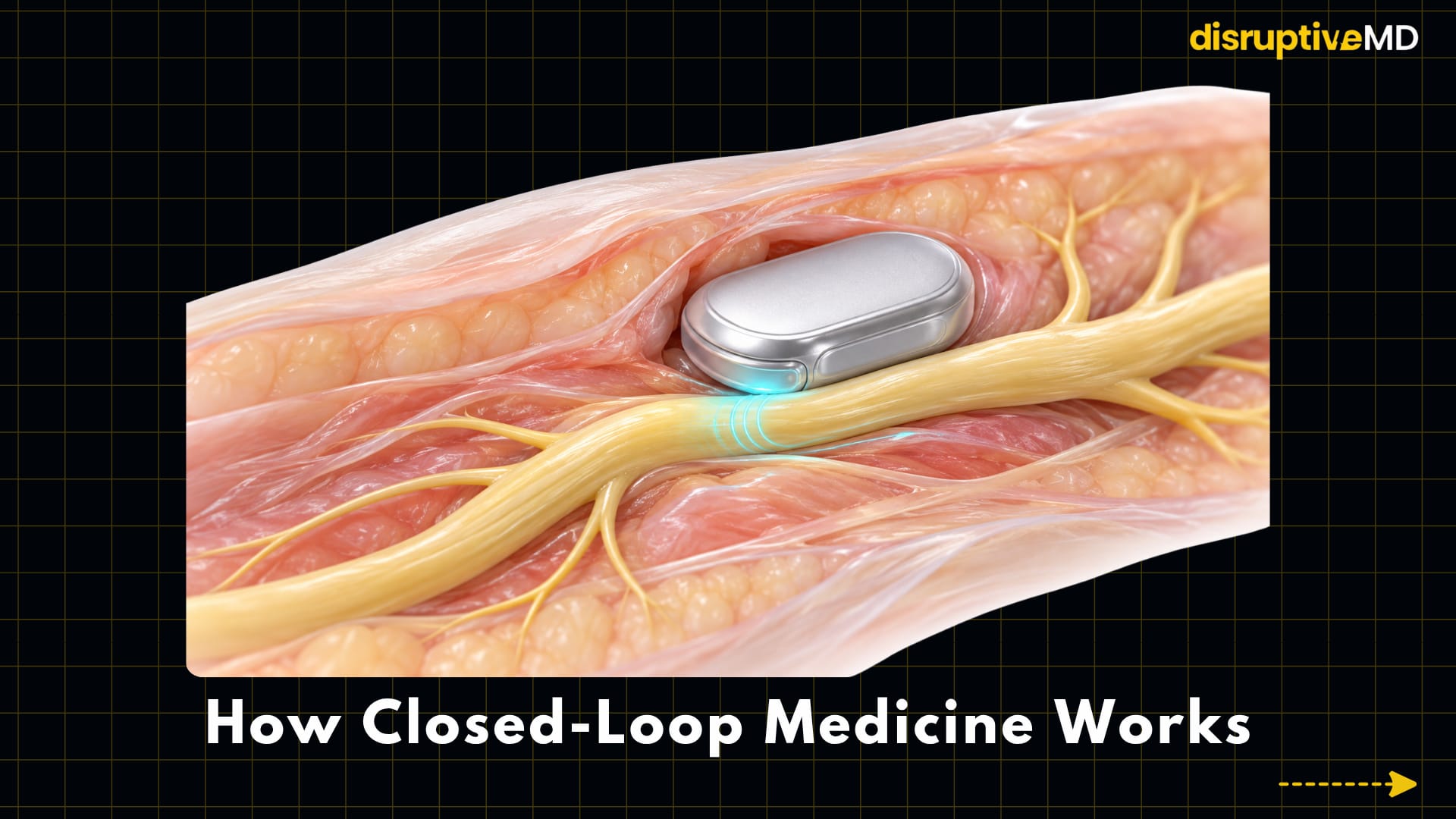
How Closed-Loop Medicine Works
Closed-loop medicine means that a device measures a signal and adjusts treatment using feedback. After responding, it measures again to assess what happened.
For a cardiac device, the signal may be a dangerous rhythm. For a brain implant, it may be a particular electrical pattern. In diabetes, a glucose sensor can supply information used to adjust insulin delivery.
The response can take different forms: electrical stimulation, drug release, a warning or a request for clinical review. A monitoring implant that sends an alert still relies on people to complete the treatment loop.
This distinction matters. Detecting an abnormality, predicting a future problem and treating it automatically are separate capabilities. Success at one does not establish the others.
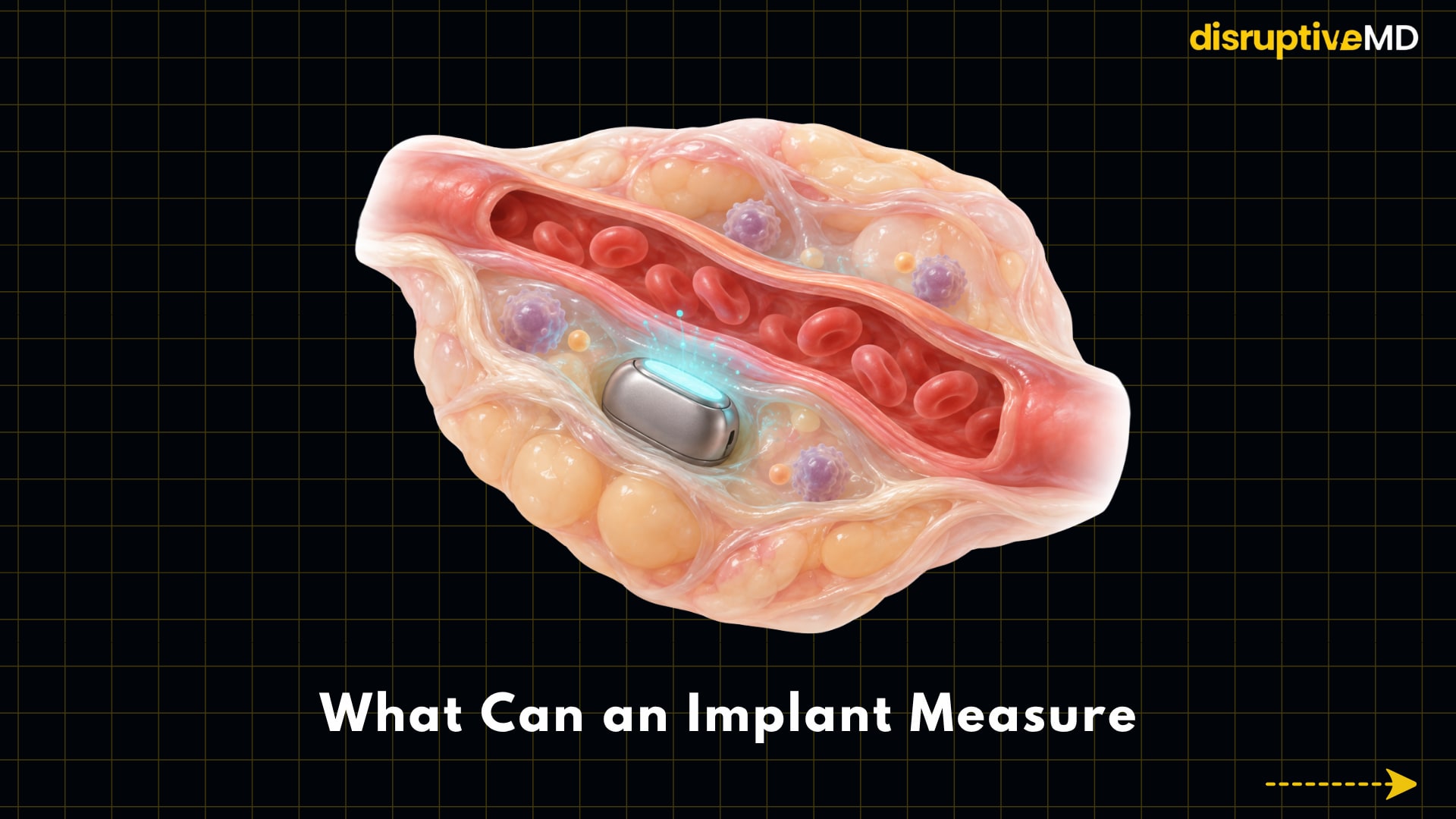
What Can an Implant Measure
Wearables collect signals from the body surface. Implants can be positioned nearer a nerve, a brain circuit, a blood vessel or healing tissue.
Depending on the device, measurements may include heart rhythm, brain electrical activity, nerve responses, pressure, tissue strain, temperature or glucose in the fluid between cells.
Research systems are extending this range to oxygen, pH, inflammatory proteins and drug concentrations. These signals have very different levels of clinical validation, and no single implant measures all of them reliably.
Proximity can improve access to a signal. It does not automatically reveal its meaning. A temperature rise or pH change, for example, may have several causes.
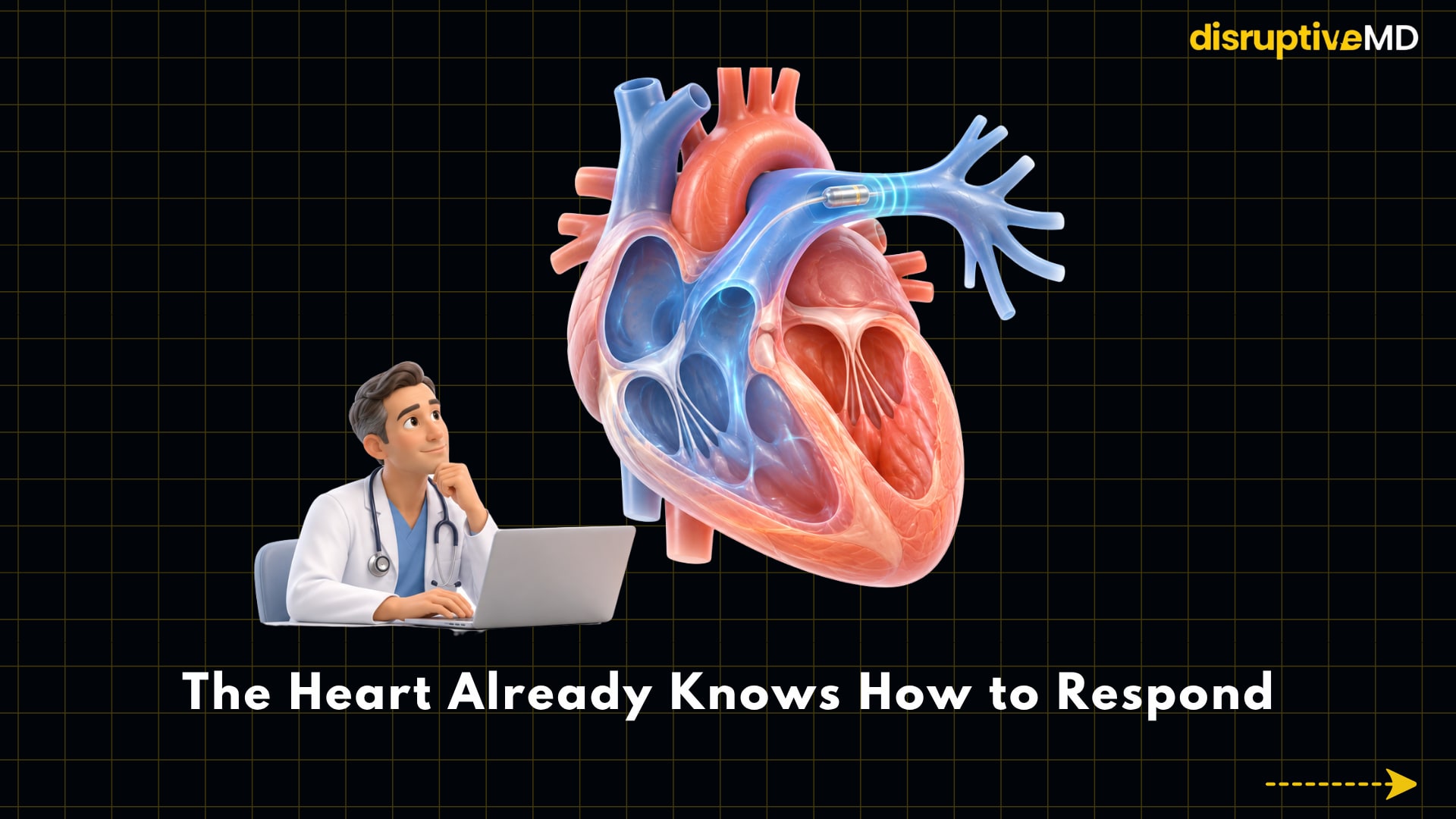
The Heart Already Knows How to Respond
Pacemakers and implantable cardioverter defibrillators provide familiar examples of responsive bioelectronics. Pacemakers can sense cardiac activity and deliver pacing when needed. Defibrillators can recognise certain dangerous rhythms and deliver pacing or a shock, depending on the system and rhythm.
These devices respond to an electrical problem that has begun. They do not predict every future cardiac event.
Other cardiac implants offer an earlier window into deterioration. A sensor in the pulmonary artery can measure pressure changes associated with worsening heart failure, sometimes before symptoms become obvious.
In selected patients, pressure-guided care has improved quality of life and reduced heart failure hospitalisations. Clinicians use the measurements to adjust treatment; the sensor does not independently prescribe medication.
The future could combine rhythm, pressure and other validated signals to identify deterioration more precisely. Any benefit would still depend on an effective treatment pathway.
Brain Stimulation That Listens First
For selected adults with drug-resistant focal epilepsy, responsive neurostimulation records brain electrical activity and delivers stimulation when it detects patterns programmed by the clinical team.
Long-term follow-up has shown sustained reductions in seizure frequency. The device does not prevent every seizure, and identifying abnormal electrical activity is different from predicting all seizures before symptoms.
Adaptive deep brain stimulation extends feedback-based treatment to selected people with Parkinson's disease. It can adjust stimulation using recorded brain signals, with clinical programming and oversight. Approved systems exist in some markets.
Research is exploring more precise adaptation. A 2026 feasibility study enrolled five people and tested stimulation synchronised to the walking cycle. Only three completed the multi-day crossover phase. It supports further study, rather than proving a universal solution for walking problems.
The attraction is treatment that follows changes in a person's neural state throughout daily life.
Glucose Control Shows Both the Promise and the Boundary
Automated insulin delivery combines continuous glucose measurements, a control algorithm and an insulin pump. The system uses sensor feedback to adjust delivery, helping people with diabetes manage a variable physiological process.
Randomised trials have shown improved time within a target glucose range with particular systems. Many widely used systems are hybrid closed-loop devices, which still require user input for meals and other tasks.
These are usually systems with external pumps and sensors inserted through the skin, rather than an entirely implanted artificial pancreas.
Long-term implantable glucose sensors also exist. They measure interstitial glucose and work with external components. Having an implanted sensor does not mean that insulin delivery, computation and communication are all implanted.
A fully integrated internal system would need dependable sensing, dosing, power and maintenance over long periods.
Bioelectronic Medicine Beyond the Heart and Brain
Bioelectronic medicine uses targeted electrical stimulation to influence nerves and biological pathways. Treatment may alter activity involved in pain, movement, bladder function, gut function or immune regulation. These applications have different levels of maturity.
Closed-loop spinal cord stimulation is already used in selected chronic pain care. Some systems measure the nervous system's response to each stimulus and adjust stimulation to maintain a prescribed level of activation. They are measuring an evoked electrical response, rather than directly reading how much pain someone feels.
Immune modulation has also reached clinical practice in a defined setting. An implanted vagus nerve stimulation system has an approved indication in the United States for selected adults with rheumatoid arthritis after inadequate response or intolerance to certain advanced drug treatments. A pivotal trial reported clinical benefit.
That therapy delivers programmed stimulation. It does not continuously measure inflammatory proteins and automatically treat a detected flare.
Other frontiers include personalised stimulation for depression and blood-pressure control after spinal cord injury. Human proof-of-concept studies exist, but these specific approaches remain investigational.
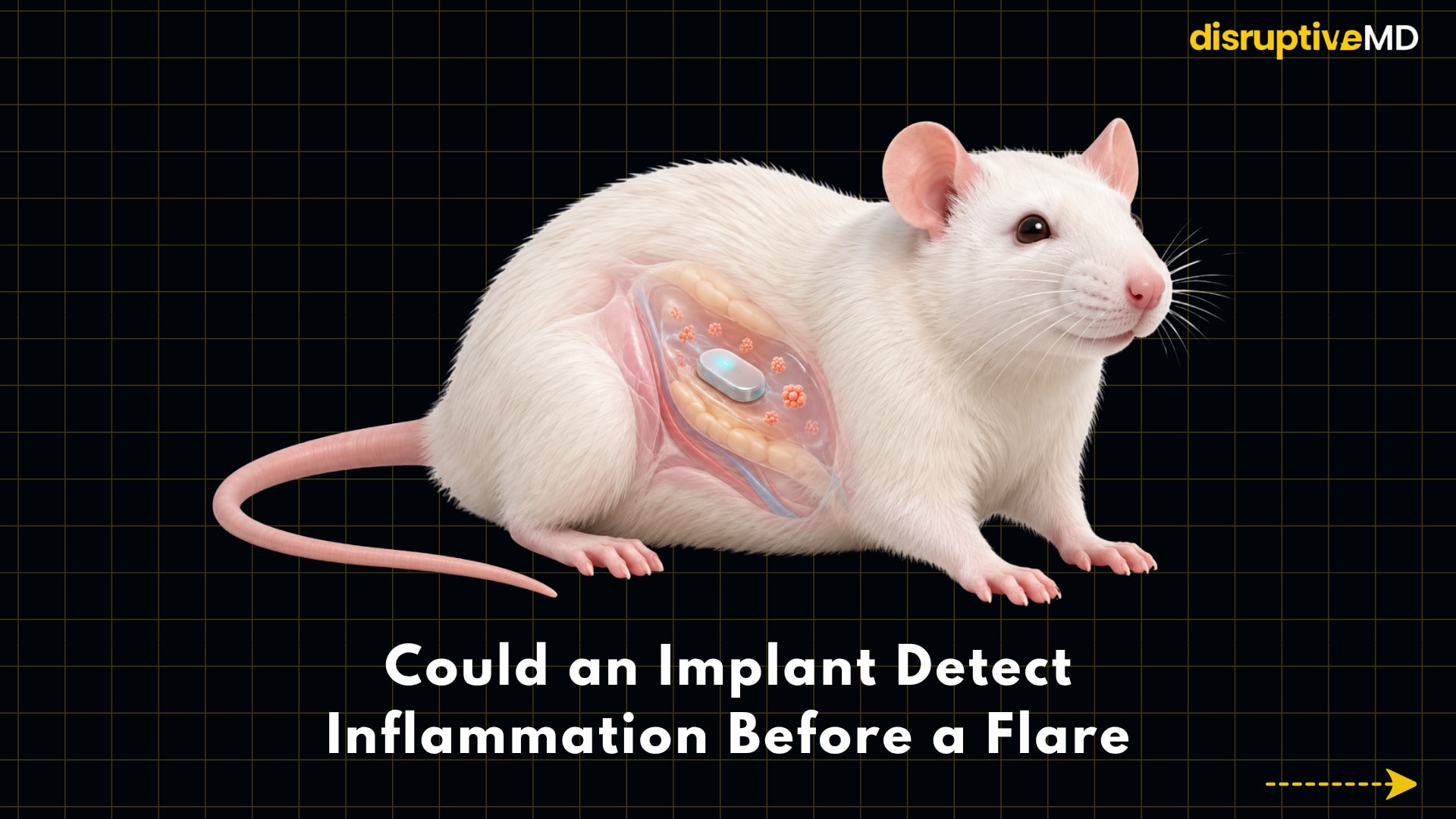
Could an Implant Detect Inflammation Before a Flare
Inflammation-sensing implants aim to track changes in immune activity inside the body. Cytokines, proteins that help coordinate immune responses, are possible targets.
Measuring them continuously is difficult. A sensor must detect low concentrations and follow both rising and falling levels without becoming stuck on an earlier reading.
A 2024 preclinical study demonstrated active-reset sensors that tracked inflammatory proteins in tissue fluid in rats. Resetting the sensing surface helped it follow changing concentrations. This was an animal demonstration, not a proven system for predicting human disease flares.
Potential future uses include autoimmune disease, inflammatory bowel disease, arthritis, transplant rejection and wound infection. These are possible applications, not established indications for that sensor.
The next challenge is interpretation. An inflammatory signal may reflect infection, tissue injury or an immune flare, each of which can require a different response. A useful device must distinguish these possibilities well enough to guide safe care.
When Orthopaedic Hardware Starts Reporting Back
A smart orthopaedic implant could help answer a question that ordinary hardware cannot: how is the surrounding tissue responding to everyday load?
Sensors attached to bone or fixation hardware are being studied for measuring strain and changes associated with healing. In 2025, researchers reported a wireless, battery-free platform that gathered bone-related measurements in animal studies, including fracture-healing experiments.
The clinical ambition is to identify poor healing, excessive loading, loosening or developing implant problems earlier. Similar ideas could eventually inform joint replacement, spinal implants and tendon repair.
A future warning might prompt an examination, imaging or an adjustment to rehabilitation. It would need validation against outcomes that matter to patients.
Measuring strain successfully is an engineering achievement. Showing that it improves recovery or prevents failure is a separate clinical task.
Drug Delivery Only When the Body Needs It
An implant could combine sensing with a reservoir that releases a drug when a validated signal indicates a need.
Possible future applications include insulin in response to glucose changes, anti-inflammatory treatment during a flare, analgesia linked to a validated neural signal, antimicrobials for confirmed infection-related patterns or hormone delivery guided by physiological feedback.
Wirelessly controlled implanted drug microchips have already been tested in humans. An early study delivered scheduled doses of an osteoporosis medicine. This demonstrated controlled delivery, rather than autonomous disease detection.
A responsive system would also need to manage drug stability, reservoir capacity, refill or replacement, dose limits and the possibility of repeated false triggers.
Drug release can be irreversible. The threshold for trusting an automatic dosing decision must therefore be high.
AI Inside the Loop
AI could help identify patterns across several signals, distinguish a person's usual variation from an unusual trend or estimate whether disease activity is changing.
Potential roles include suggesting stimulation settings, flagging deterioration and deciding when a clinician should review the data. Those are different levels of responsibility.
An algorithm that predicts a problem accurately in a research dataset has not necessarily demonstrated that acting on its prediction benefits patients.
Any autonomous treatment function needs clinical validation, limits on what it can change and a safe response when measurements become unreliable. Updating an algorithm can also change how the device behaves.
Some analysis may run inside the implant; more demanding computation may run on an external device. Neither arrangement removes the need for oversight.
Wireless Monitoring and the Privacy Question
Wireless communication can connect an implant to a patient device or clinical monitoring system. This may support remote follow-up and earlier review of concerning trends.
It also creates questions that patients should be able to answer before implantation: who owns or controls the data, who can access it, how consent works and how long information will be stored.
Policies need to address secondary use and protections against misuse by insurers or employers. Consent to medical care should not be treated as unlimited consent to unrelated uses of intimate physiological information.
Cybersecurity is part of device safety. Unauthorised access could threaten confidentiality or, depending on the device, its operation. Protection requires secure communication, controlled access, authenticated updates and a plan for vulnerabilities over the device's lifetime.
Remote monitoring also needs a clear care pathway: who reviews an alert, how quickly they respond and what happens when communication fails.
The Battery and Power Problem
Sensing, computation, communication and treatment all require energy. Adding capabilities can increase power demand or the size of the implant.
Some clinical implants use long-life batteries; others are rechargeable. Wireless power transfer may help smaller devices operate without an internal battery, although they still depend on a source of energy.
Ultrasound-powered neural stimulators and systems that harvest energy from cardiac motion have been demonstrated in animals. Body-motion harvesting and biofuel cells that draw on body chemistry remain research approaches, rather than universal replacements for batteries.
The design must balance power, size, heating, tissue compatibility and reliable operation. A sophisticated sensor is useful only while its measurements remain dependable.
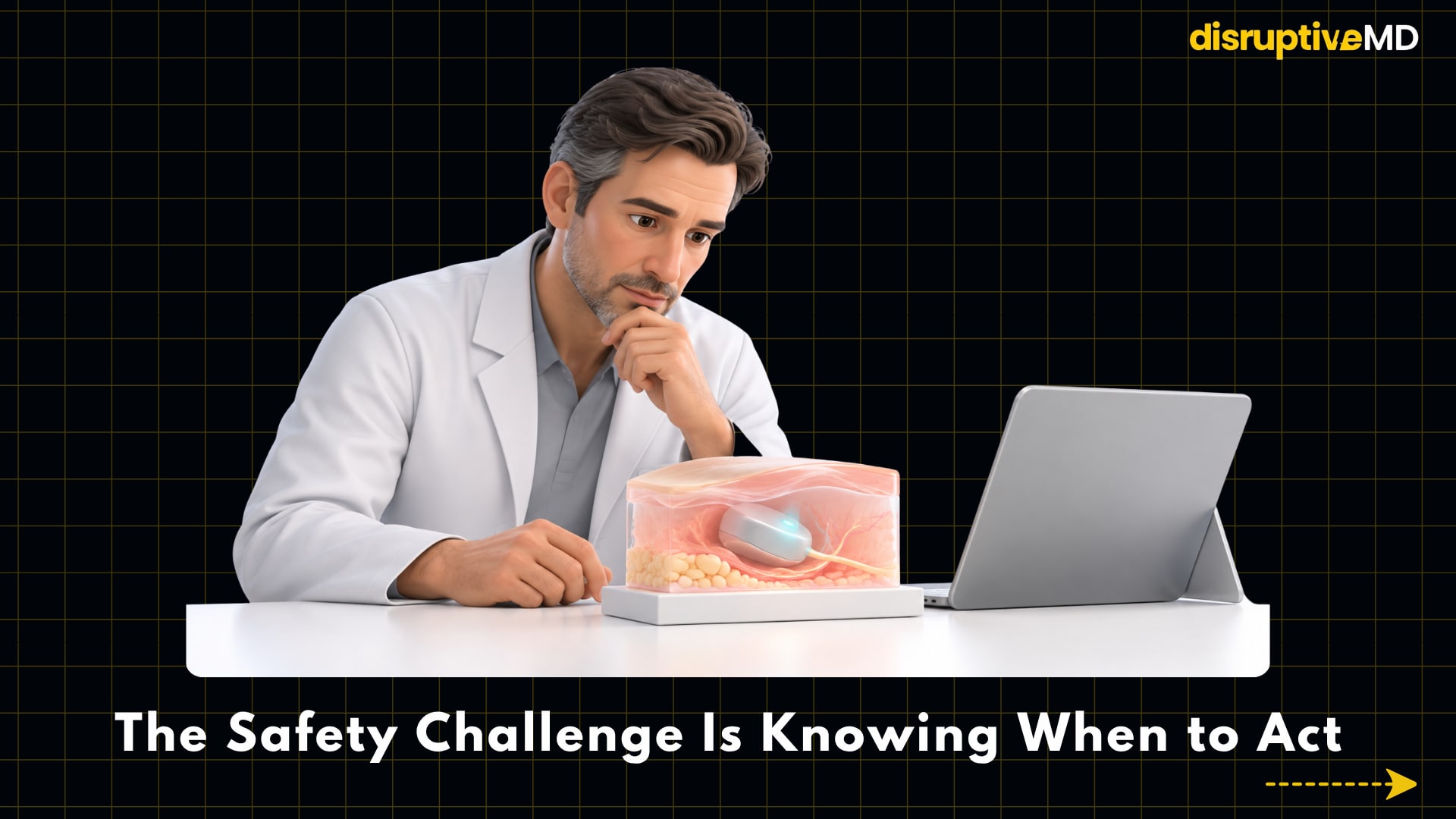
The Safety Challenge Is Knowing When to Act
A false alarm can trigger unnecessary stimulation, medication or investigation. A missed signal can delay needed treatment.
Reliability can change after implantation. Tissue reactions, sensor drift, damaged components and depleted power can affect performance. Implantation itself carries risks, including infection and procedure-specific complications.
A safe system needs to recognise unreliable measurements, restrict treatment to validated limits and provide a clinically appropriate fallback. Depending on the therapy, abruptly stopping treatment may itself be unsafe.
Testing must evaluate the complete sequence from measurement to interpretation to response. It must also show that patients benefit, rather than merely demonstrating that a device detects more abnormalities.
For someone without a clear medical indication, the potential value of continuous monitoring must be weighed against the burden and risks of implantation.
Earlier action is valuable when it leads to better outcomes. More data alone cannot establish that benefit.
What Is Real Today
- Pacemakers and implantable defibrillators sense cardiac activity and deliver therapy for defined rhythm problems.
- Responsive neurostimulation treats selected adults with drug-resistant focal epilepsy.
- Adaptive deep brain stimulation is available for selected Parkinson's disease patients in some markets.
- Automated insulin delivery uses sensor feedback, generally through systems with external components.
- Implantable glucose sensors and pulmonary artery pressure sensors support selected monitoring pathways.
- Closed-loop spinal cord stimulation is used in selected chronic pain care.
- Implanted vagus nerve stimulation has reached an approved, disease-specific role in rheumatoid arthritis in the United States.
Each system has its own indication, limitations and follow-up requirements. Availability and eligibility vary by location.
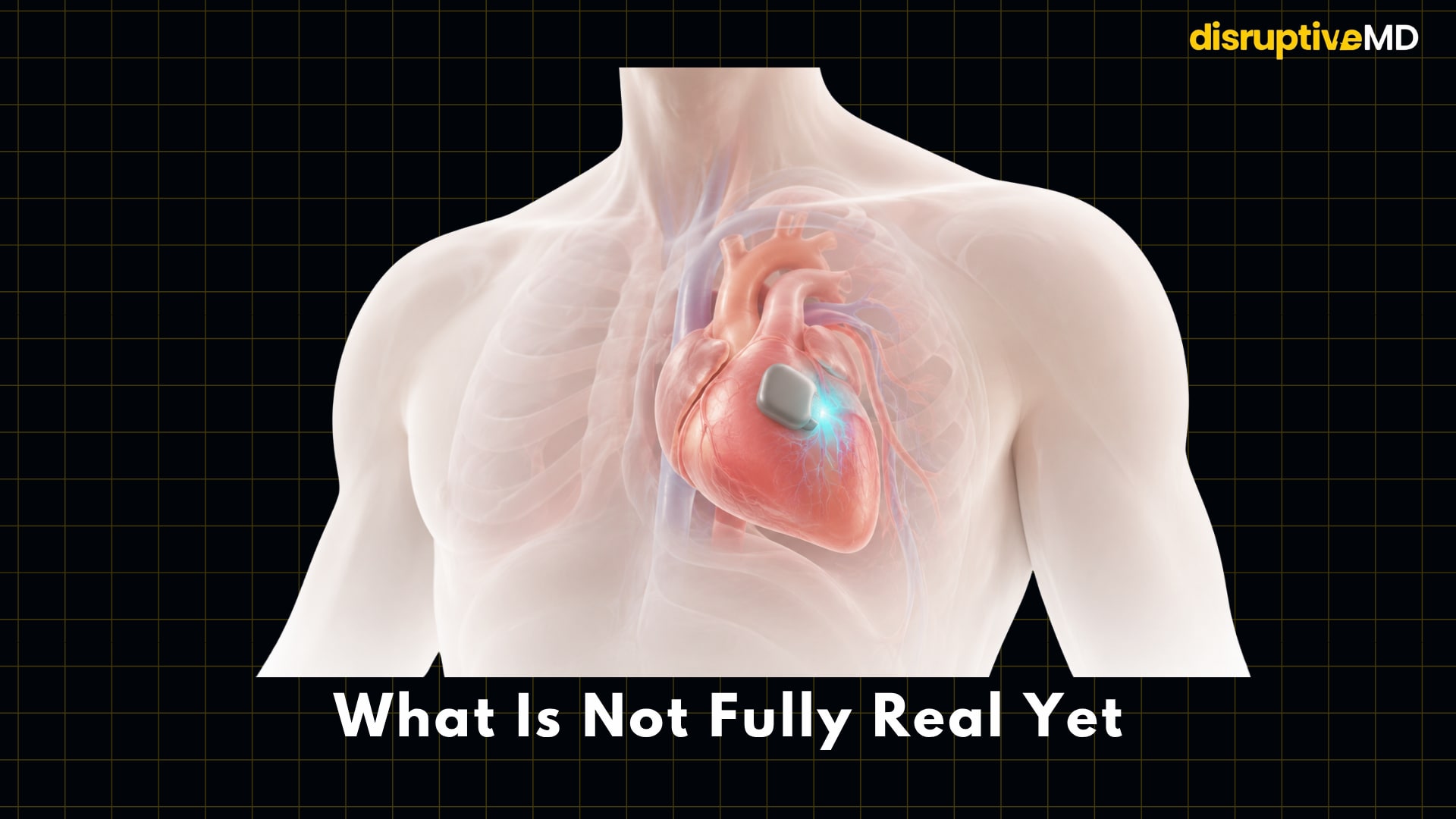
What Is Not Fully Real Yet
A single implant that detects every illness before symptoms remains a futuristic idea.
Fully autonomous management of most diseases, reliable long-term prediction of inflammatory flares and routine implants that safely combine broad sensing with automatic drug treatment are not established clinical capabilities.
False alarms, missed events and maintenance needs remain part of the problem. AI implants that replace doctors or manage complex disease alone have not been demonstrated as a general solution.
The near-term direction is more likely to involve devices designed for a specific disease, a specific signal and a defined response.
Key Takeaway
An implant can already detect certain physiological abnormalities and respond without waiting for a patient to take action. In selected monitoring pathways, internal measurements can also reveal deterioration before symptoms become obvious.
Extending that ability to inflammation, healing and other complex diseases requires reliable signals, safe responses and proof that earlier intervention improves outcomes.
The next generation may become an active partner in care by listening to a defined part of the body's biology and helping clinicians respond at the right time.
Fact Base
- Cardiac devices already sense and respond to defined rhythm abnormalities. This establishes responsive treatment, not universal prediction of cardiac disease.
- The randomised MONITOR-HF trial found improved quality of life and fewer heart failure hospitalisations with pulmonary artery pressure-guided care in selected patients. Treatment decisions remained clinician-directed.
- A nine-year prospective follow-up of brain-responsive neurostimulation reported a median 75% reduction in focal seizure frequency. The long-term phase was open-label, and responses varied.
- The 2026 gait-synchronised brain stimulation study enrolled five people, with three completing the multi-day crossover phase. It demonstrated feasibility and supports larger trials.
- Randomised trials support particular automated insulin delivery and closed-loop spinal stimulation systems. Their results should not be generalised to every device or disease.
- The pivotal rheumatoid arthritis neurostimulation trial enrolled 242 patients and met its primary clinical response endpoint at three months. This was programmed nerve stimulation, not a cytokine-triggered treatment loop.
- Active-reset inflammatory protein sensing and the 2025 wireless bone-monitoring platform were demonstrated in animals. Human clinical benefit from these specific systems remains unestablished.
- Human testing of a wireless drug microchip demonstrated scheduled drug delivery. It did not demonstrate an implant autonomously detecting disease and deciding treatment.
References
- Clinical overview of approved cardiac devices, including pacemakers and implantable cardioverter defibrillators. Updated 2025. Source
- Brugts JJ, Radhoe SP, Clephas PRD, et al. Remote haemodynamic monitoring of pulmonary artery pressures in patients with chronic heart failure (MONITOR-HF): a randomised clinical trial. Lancet. 2023;401:2113-2123. DOI
- Nair DR, Laxer KD, Weber PB, et al. Nine-year prospective efficacy and safety of brain-responsive neurostimulation for focal epilepsy. Neurology. 2020;95:e1244-e1256. DOI
- Adaptive deep brain stimulation approval announcement. 24 February 2025. Source
- Louie KH, Balakid JP, Bath JE, et al. Adaptive deep brain stimulation for dynamic gait control in Parkinson's disease: a randomized feasibility trial. Nature Medicine. 2026;32:2803-2814. DOI
- Brown SA, Kovatchev BP, Raghinaru D, et al. Six-Month Randomized, Multicenter Trial of Closed-Loop Control in Type 1 Diabetes. New England Journal of Medicine. 2019;381:1707-1717. DOI
- Garg SK, Liljenquist D, Bode B, et al. Evaluation of Accuracy and Safety of the Next-Generation Up to 180-Day Long-Term Implantable Eversense Continuous Glucose Monitoring System: The PROMISE Study. Diabetes Technology & Therapeutics. 2022;24:84-92. DOI
- Mekhail N, Levy RM, Deer TR, et al. Long-term safety and efficacy of closed-loop spinal cord stimulation to treat chronic back and leg pain (Evoke): a double-blind, randomised, controlled trial. Lancet Neurology. 2020;19:123-134. DOI
- Tesser JRP, Crowley AR, Box EJ, et al. Vagus nerve-mediated neuroimmune modulation for rheumatoid arthritis: a pivotal randomized controlled trial. Nature Medicine. 2026;32:369-378. DOI
- Regulatory approval record P240039 for implanted neuroimmune modulation in selected adults with rheumatoid arthritis. Decision date 30 July 2025. Source
- Scangos KW, Khambhati AN, Daly PM, et al. Closed-loop neuromodulation in an individual with treatment-resistant depression. Nature Medicine. 2021;27:1696-1700. DOI
- Phillips AA, Gandhi AP, Hankov N, et al. An implantable system to restore hemodynamic stability after spinal cord injury. Nature Medicine. 2025;31:2946-2957. DOI
- Zargartalebi H, Mirzaie S, GhavamiNejad A, et al. Active-reset protein sensors enable continuous in vivo monitoring of inflammation. Science. 2024;386:1146-1153. DOI
- Kasper KA, Romero GF, Perez DL, et al. Continuous operation of battery-free implants enables advanced fracture recovery monitoring. Science Advances. 2025;11:eadt7488. DOI
- Farra R, Sheppard NF Jr, McCabe L, et al. First-in-Human Testing of a Wirelessly Controlled Drug Delivery Microchip. Science Translational Medicine. 2012;4:122ra21. DOI
- Cybersecurity in Medical Devices: Quality Management System Considerations and Content of Premarket Submissions. Guidance issued 3 February 2026. Source
- Piech DK, Johnson BC, Shen K, et al. A wireless millimetre-scale implantable neural stimulator with ultrasonically powered bidirectional communication. Nature Biomedical Engineering. 2020;4:207-222. DOI
- Ouyang H, Liu Z, Li N, et al. Symbiotic cardiac pacemaker. Nature Communications. 2019;10:1821. DOI
- Cinquin P, Gondran C, Giroud F, et al. A Glucose BioFuel Cell Implanted in Rats. PLOS ONE. 2010;5:e10476. DOI