
For selected liver tumours, that possibility has already reached clinical practice. Histotripsy delivers focused ultrasound from outside the body, creating microscopic bubbles that mechanically break down a planned volume of tissue. No scalpel or ablation needle needs to enter the tumour.
The question now is how much this changes cancer care. Reaching a tumour without an incision is a remarkable technical achievement. Showing which patients gain lasting benefit is the next, more demanding test.
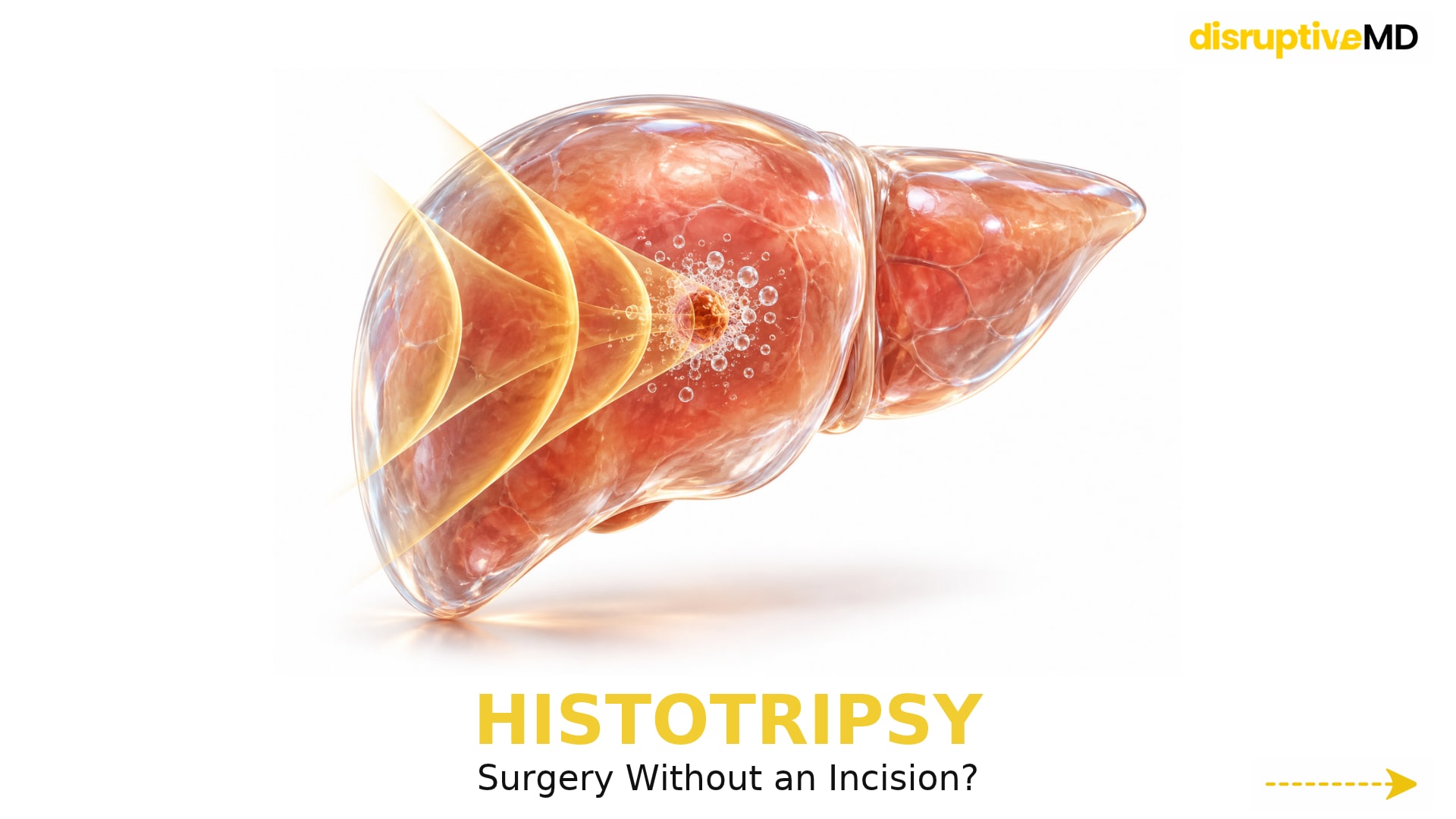
- Focused ultrasound mechanically breaks down targeted tissue.
- Treatment reaches the tumour through intact skin.
- Selected liver tumours are already treated clinically.
Core Purpose
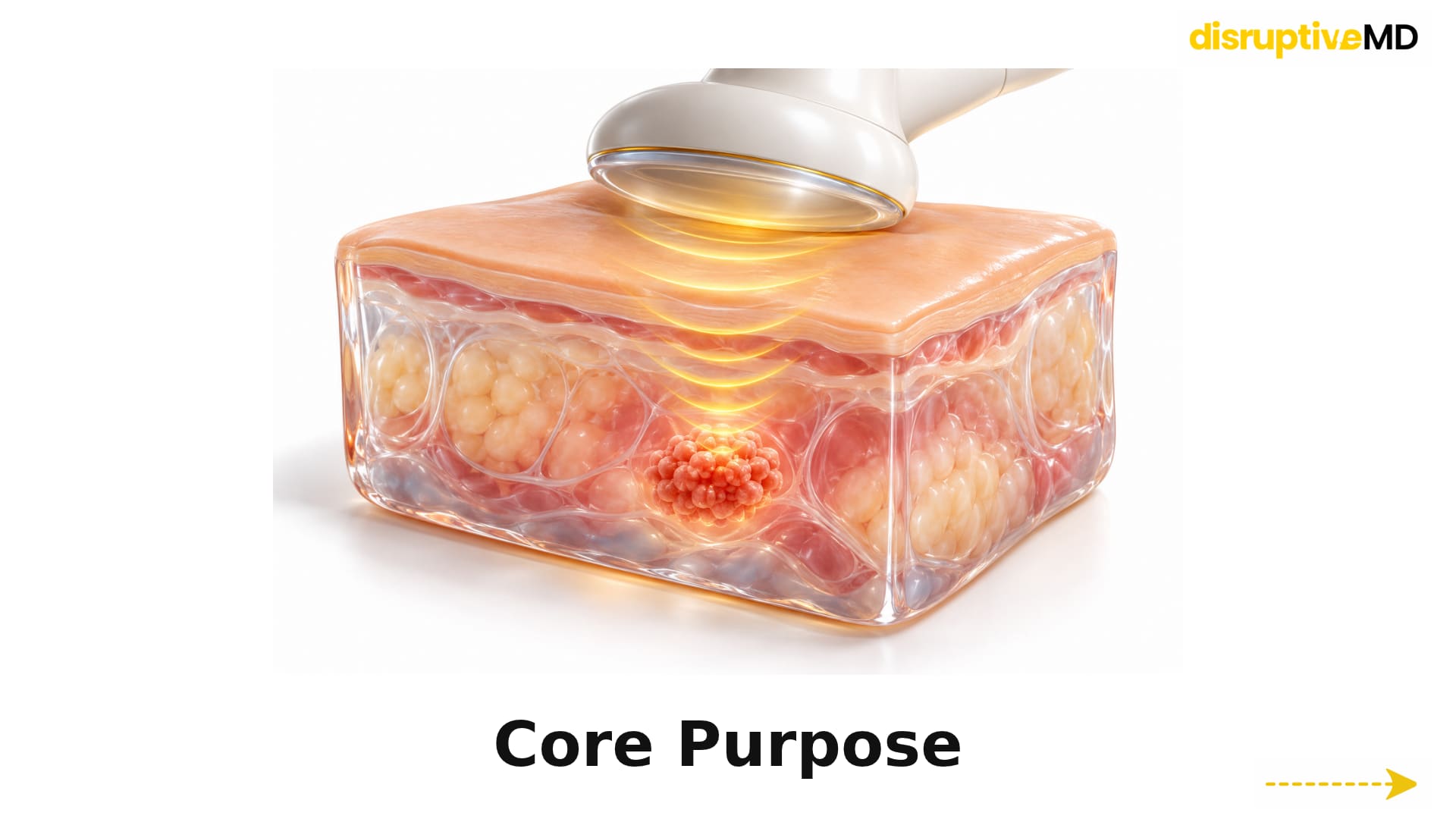
Histotripsy aims to destroy selected tumours while reducing the physical disruption required to reach them. It is a form of ablation, meaning deliberate tissue destruction, rather than conventional surgery that removes an intact specimen.
Its appeal is easy to understand. A treatment head remains outside the body, yet its effect is concentrated inside a target chosen on imaging. The skin can remain intact while tissue deep beneath it is disrupted. Early human liver studies have demonstrated that this is technically possible.
For patients, the promise is another local treatment option. Its value depends on the tumour, the surrounding anatomy, liver function and the wider cancer treatment plan.
How Sound Breaks Down Tissue
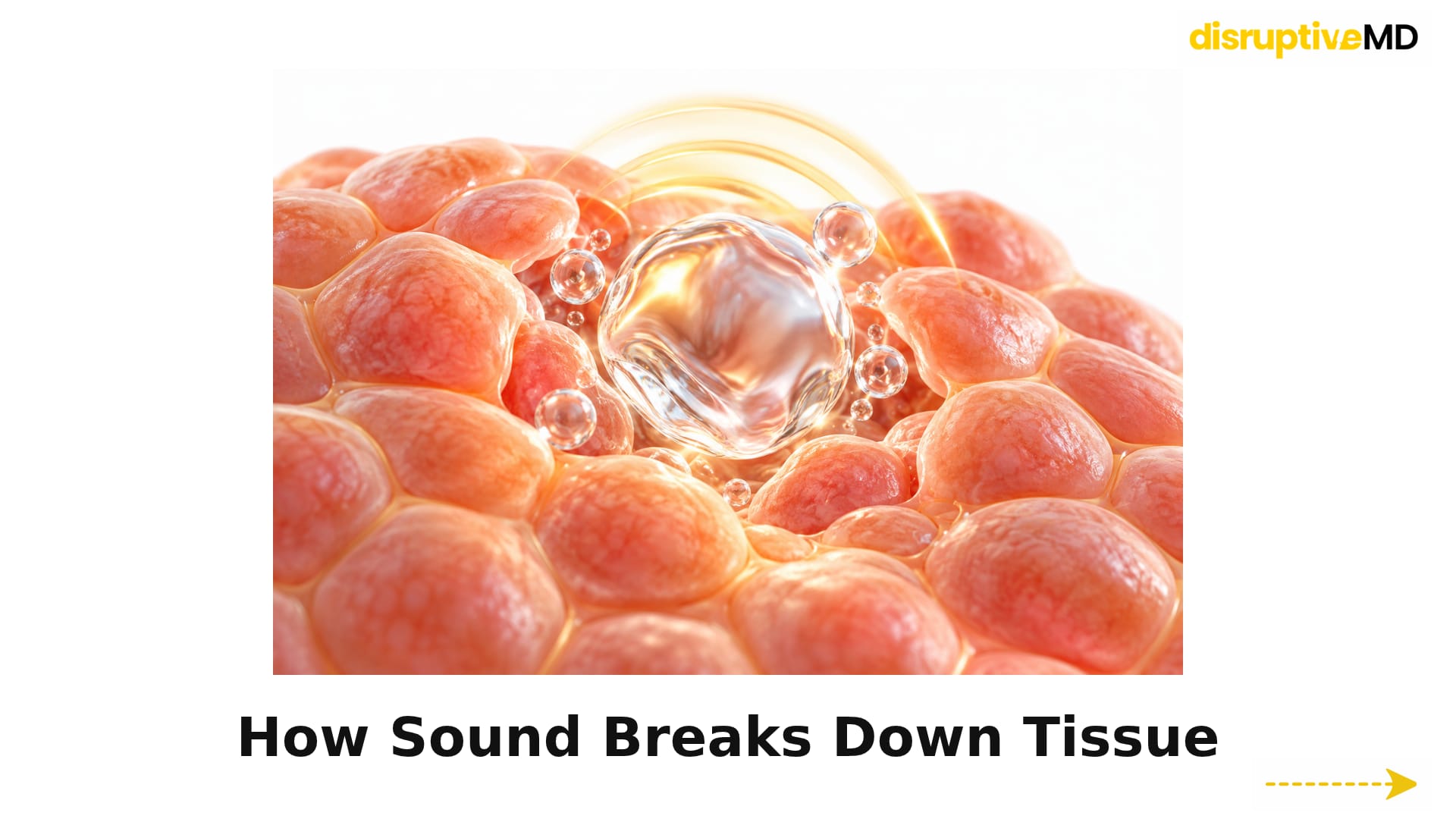
The clinical liver approach uses extremely short ultrasound pulses with high pressure at their focus. These pulses create cavitation, the formation and rapid movement of tiny bubbles within tissue.
As the bubbles expand and collapse, they stretch and disrupt nearby cells. Repeated pulses progressively break the targeted tissue into cellular debris. The destructive effect comes mainly from these mechanical forces.
That mechanism separates histotripsy from radiofrequency and microwave ablation, which use heat, and cryoablation, which uses freezing. It also differs from thermal high-intensity focused ultrasound: both use focused sound, but they produce tissue destruction differently. Histotripsy does not use ionising radiation.
The bubbles are created locally by the ultrasound field. This is not a cloud injected into the bloodstream and sent to find cancer. The treatment team must identify the target and deliver an appropriate dose to the intended volume.
The resulting material is gradually cleared through biological processes. A treated tumour does not simply vanish at the moment the machine stops.
Seeing the Treatment While It Happens
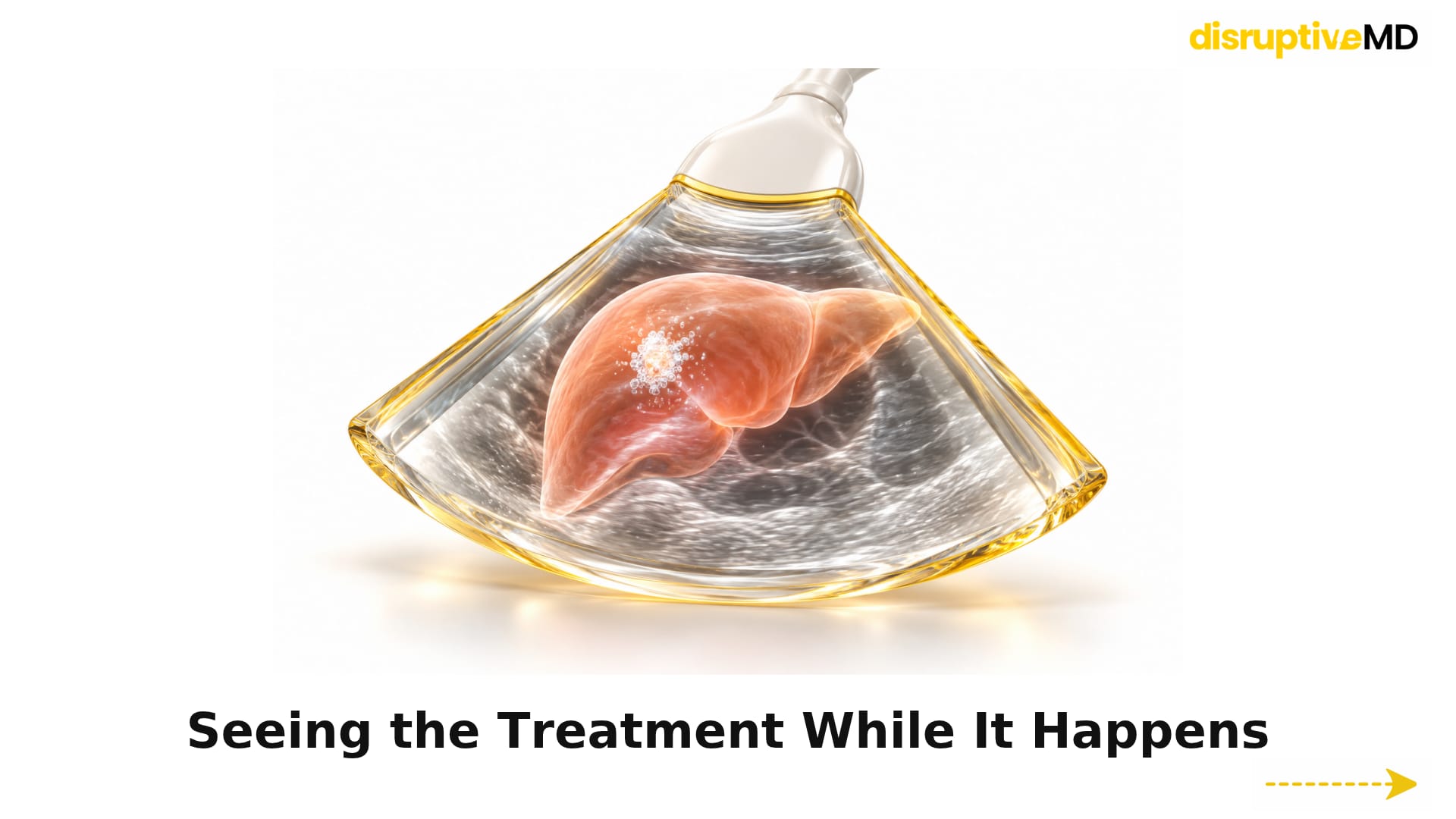
Imaging is central to the procedure. The team identifies the tumour, defines a treatment volume and checks whether sound can reach it through a suitable acoustic window, an unobstructed route through the body.
During treatment, the bubble cloud can be seen on ultrasound. A robotic positioning system moves the focus through the planned volume under clinical supervision. Subsequent contrast-enhanced CT or MRI helps assess the treated area.
This makes histotripsy an image-guided intervention, even though the tumour is never exposed through an incision. The challenge is not merely aiming at its centre. The treatment must cover the intended target while respecting surrounding anatomy.
Ribs, gas, depth and visibility can restrict access. A tumour that exists on a scan is not automatically a tumour that can be safely reached with ultrasound.
Why the Liver Became the First Major Clinical Target
Liver tumours include cancers that begin in the liver and metastases that spread there from another organ. Some patients cannot undergo removal because of tumour distribution, underlying liver disease or the amount of functioning liver that would remain.
Histotripsy could add a local option for selected patients, including some with unresectable disease. “Unresectable” means that surgical removal is not appropriate or feasible; it does not guarantee suitability for histotripsy.
In October 2023, the FDA granted De Novo authorization for a system intended for non-invasive destruction of liver tumours, including unresectable tumours. That authorization concerns tissue destruction. It does not establish a cancer cure or a survival benefit.
A liver metastasis also remains part of the cancer from which it arose. Destroying one liver lesion cannot be assumed to control cancer elsewhere in the body.
What Avoiding an Incision Could Change
Removing the need for a tumour-access incision or needle avoids the injury associated with that access route. This could reduce wound pain and some access-related bleeding or infection risks. It may also make recovery less burdensome for appropriately selected patients.
Those advantages must be measured against actual alternatives. Histotripsy has not been shown to provide universally faster recovery or fewer complications than every established treatment.
The procedure also remains a substantial medical intervention. General anaesthesia was used in the pivotal liver trial. Serious complications included infection and liver failure. The absence of a skin wound does not remove risks within the body.
A subsequent international series of 230 cases reported complications of any grade in 5.2% of patients. That is useful early safety information, but an observational series cannot establish comparative superiority.
Precision Near Blood Vessels and Bile Ducts
Heat-based ablation can be affected by the heat-sink effect: flowing blood carries heat away from the treatment zone. Histotripsy does not depend on maintaining a destructive temperature, so that particular limitation does not govern its mechanism.
Another intriguing property is tissue selectivity. Preclinical experiments show that mechanically stronger, collagen-rich structures can resist disruption more than softer surrounding tissue. Some larger vessels and bile ducts have remained intact within experimental treatment zones.
This is a relative difference in tissue susceptibility, not a guarantee that every vessel or duct will be protected. The effect depends on structure, size and treatment conditions. Nor does histotripsy inherently recognise malignant cells: healthy soft tissue in the focus can also be destroyed.
The practical implication is cautious. Tissue selectivity may expand treatment possibilities, but it cannot replace careful targeting, protective margins and assessment of critical structures.
What the Human Studies Actually Show
The pivotal liver study enrolled 44 participants. Technical success was achieved in 42 of 44 evaluable tumours, or 95%, on imaging within 36 hours. Major procedure-related complications occurred in 3 of 44 participants, or 7%, within the study's 30-day assessment. Technical success describes coverage of the target; it is not a 95% cancer cure rate.
The one-year report adds an important qualification. Estimated local control was 63.4% using the primary imaging assessment and 90% after a post hoc reassessment. Interpretation of post-treatment appearances, including preserved vessels, contributed to the difference. The higher figure should not be quoted without that context. These were single-arm studies, so they do not establish superiority or a survival advantage over another treatment.
An August 2026 analysis of health records from 972 patients found that 88.4% were discharged the same day. It also recorded 11.1% all-cause mortality within 30 days. That figure must not be interpreted as a procedure-caused death rate: the study lacked detailed staging and treatment-intent information and could not establish causation.
Together, these findings make patient selection crucial. A procedure can be technically successful and relatively easy to recover from while offering limited benefit to someone with rapidly advancing disease.
Could Breaking a Tumour Apart Alert the Immune System
Mechanical destruction creates a second research opportunity. Disrupted cancer cells can release tumour antigens, molecular features the immune system may recognise, alongside signals of tissue damage.
In mouse experiments, histotripsy has stimulated tumour-specific immune responses and enhanced the effects of immune checkpoint treatment. Researchers have also observed effects in distant, untreated tumours in preclinical models.
This raises an exciting possibility: local treatment might help the immune system respond beyond the treated site. But a response in an animal model is not proof that the same effect will reliably control metastatic cancer in people.
Histotripsy should therefore be described as a potential partner for immunotherapy, not as an established cancer vaccine or a demonstrated whole-body treatment. Human studies must determine whether immune changes translate into meaningful clinical benefit.
A Place Within a Broader Cancer Strategy
The most useful role for histotripsy may be within a coordinated treatment plan. Depending on the cancer, local treatment could be considered alongside surgery, chemotherapy, targeted drugs, immunotherapy, radiation or other liver-directed procedures.
These are distinct clinical questions. A useful combination must establish which patients benefit, how treatments should be sequenced and whether the added procedure improves outcomes enough to justify its burden.
This is a future research direction, not a claim that every combination already works. Controlling a visible target and treating disease throughout the body are different goals.
Beyond the Liver
Expansion to other organs is underway, but readiness varies. Kidney tumours are being investigated in human studies, including a published feasibility-trial protocol. Pancreatic histotripsy is also under clinical investigation. These applications require their own safety and effectiveness data.
Brain applications remain preclinical. Experimental work has demonstrated targeted tissue disruption in animal models using specialised transcranial systems; that does not establish routine human brain-tumour treatment.
Prostate research requires particular care in reporting. Human studies have included benign prostate enlargement, which is not prostate cancer. An early pilot reported symptom improvement but did not demonstrate the expected tissue debulking, illustrating why results cannot simply be transferred between organs or diseases.
Robotic Targeting and AI Planning
Robotic positioning is already part of clinical liver histotripsy. The robot moves the treatment focus through a clinician-defined volume; it does not independently decide which cancer to treat.
A plausible next step is greater assistance with tumour outlining, acoustic-path assessment, motion tracking and interpretation of the treatment zone. AI could eventually help teams perform these tasks more consistently, but those benefits require specific validation.
Breathing moves abdominal organs, and tissue properties vary. A planning system must account for those realities before automation can safely take on more responsibility.
Could a Digital Twin Rehearse the Ablation
A future digital twin could combine a patient's imaging with models of sound propagation and tissue response. Before treatment, clinicians might simulate different beam paths, estimate the cavitation zone and test whether the planned volume can be reached safely.
This is a forward-looking concept, not an established capability of routine histotripsy care. A realistic anatomical model alone would not be enough. It would need to predict bubble behaviour, motion and tissue disruption accurately, then demonstrate agreement with actual treatment outcomes.
The goal would be a useful rehearsal of a specific procedure, with clearly stated uncertainty rather than a promise of perfect prediction.
What Is Real Today
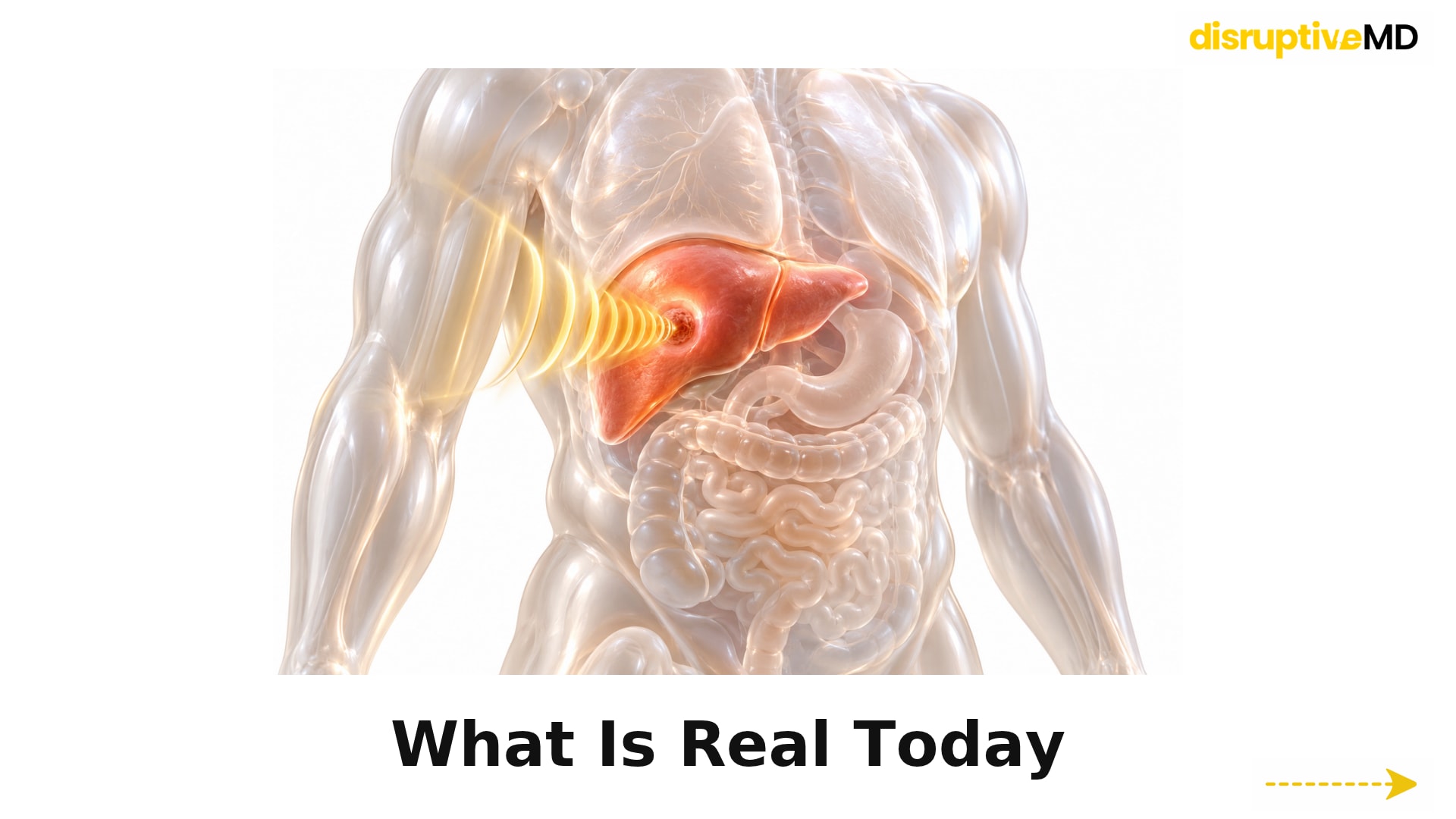
Histotripsy is a real, non-invasive, non-ionising technology that mechanically destroys tissue through ultrasound-generated cavitation. Selected liver tumours are treated clinically, with image guidance and robotic positioning. Human studies support technical feasibility, and follow-up data are accumulating.
Investigational work is extending the approach to other organs. Immune effects remain an active research question. Access, expertise and suitability vary, and regulatory authorization in one jurisdiction does not imply availability everywhere.
What Is Not Fully Real Yet
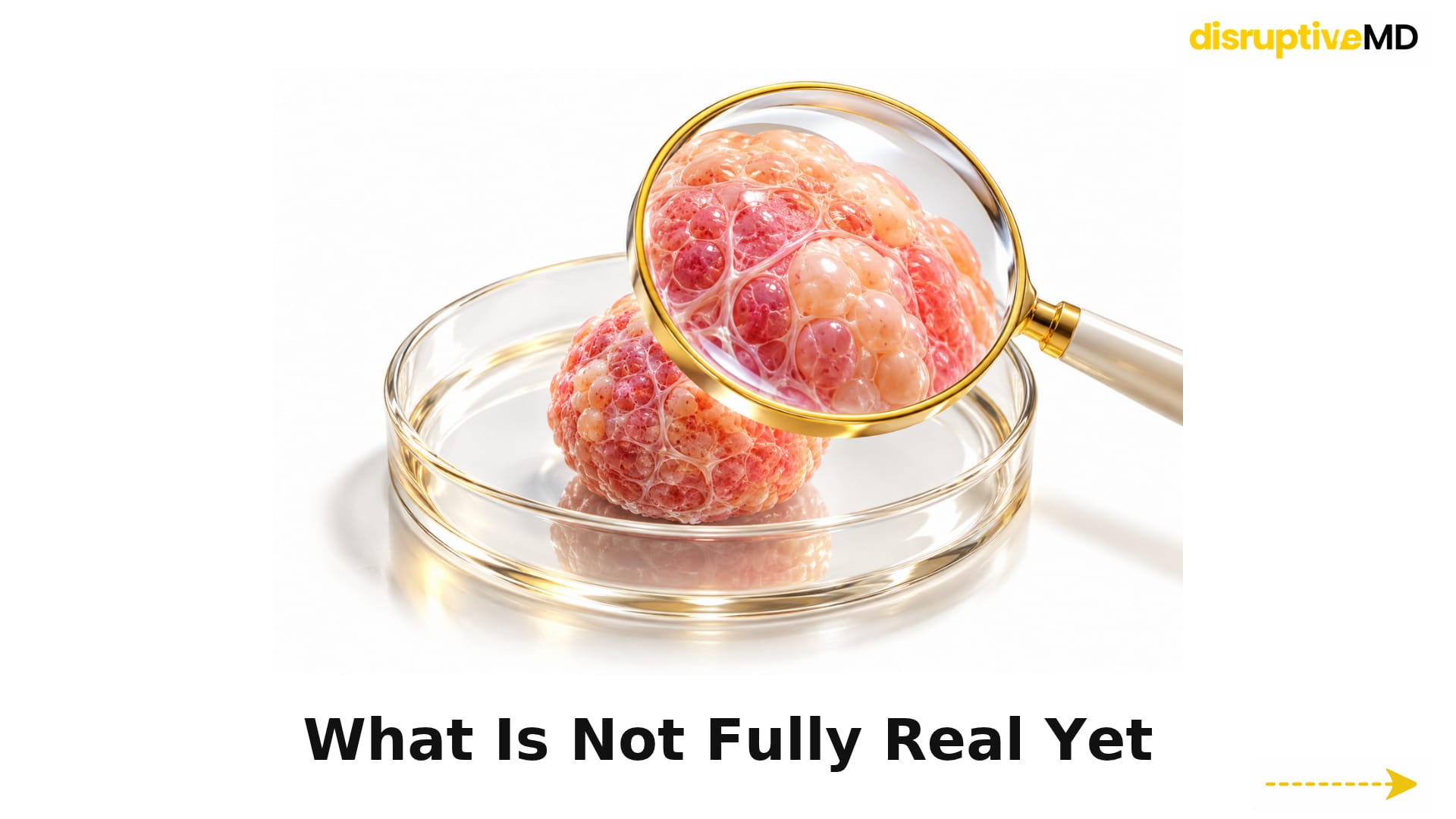
Histotripsy has not been established as a replacement for surgery across cancers, a universally safe option beside every critical structure or a treatment suitable for every organ.
Comparative long-term survival benefits, reliable systemic immune effects and a routine digital-twin workflow remain unproven. Successful destruction of a selected target is an important result, but it does not guarantee that the cancer will never return.
Key Takeaway
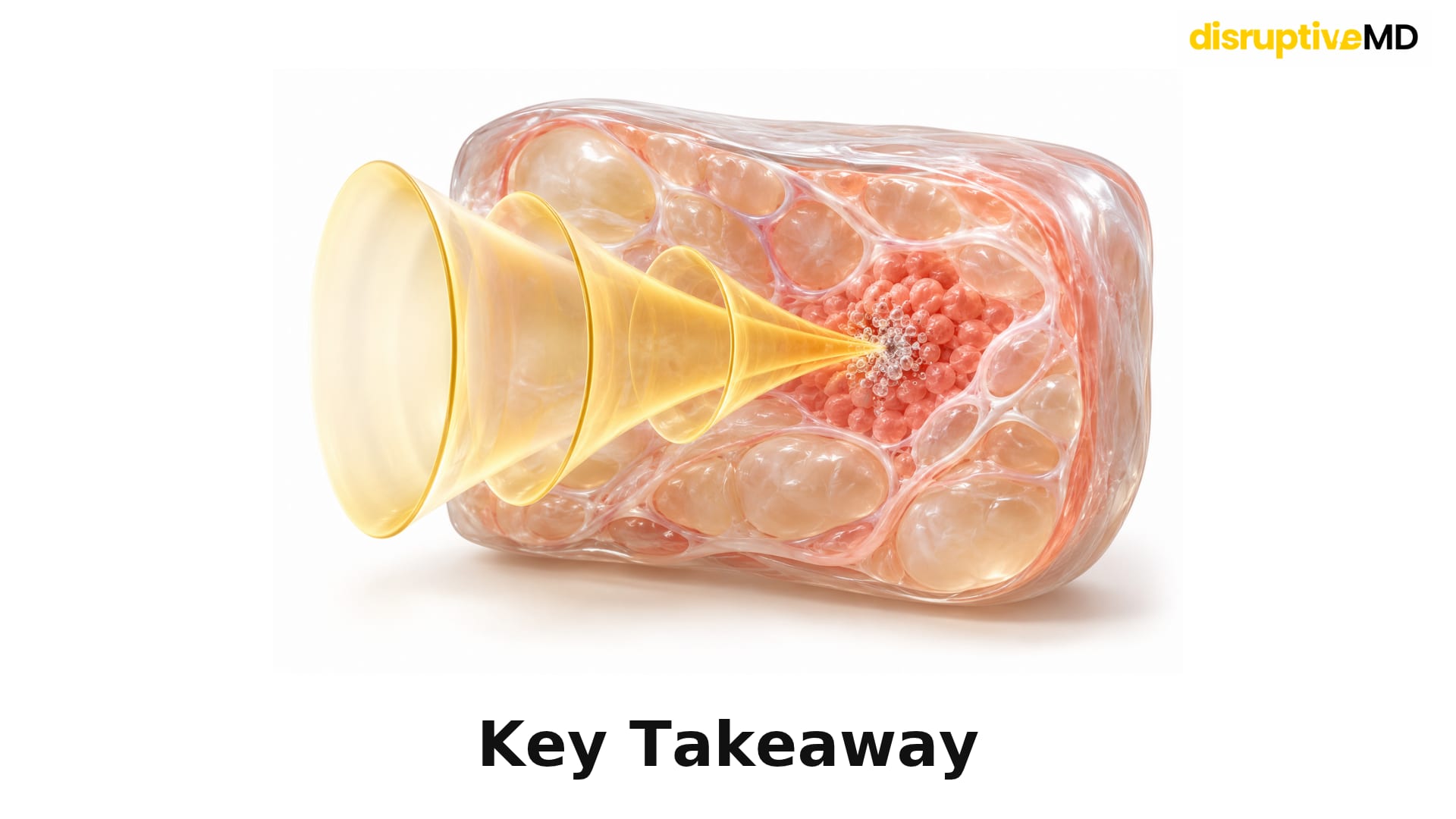
Histotripsy changes how a treatment can reach and destroy tissue. Its strongest current promise is an additional local option for carefully selected liver tumours. Its future will depend on demonstrating durable tumour control and meaningful patient benefit, alongside the striking achievement of treatment through intact skin.
The future of tumour treatment may not always require cutting, burning, or freezing. It may use sound to destroy disease from outside the body.
Fact Base
- Mechanism: Clinical liver histotripsy uses focused ultrasound and cavitation to disrupt tissue mechanically, without relying on thermal ablation or ionising radiation.
- Regulatory status: The 2023 US authorization covers non-invasive destruction of liver tumours. It does not establish cancer-specific survival outcomes.
- Early clinical performance: The pivotal trial reported 95% technical success and a 7% major procedure-related complication rate. These are different outcomes from cure or survival.
- Durability: One-year local control estimates differed between primary and post hoc imaging assessments. This uncertainty matters when interpreting efficacy claims.
- Recovery and selection: The 2026 health-record cohort found frequent same-day discharge alongside substantial early all-cause mortality. Its design could not determine why patients died or whether histotripsy caused those deaths.
- Tissue selectivity: Relative resistance of some collagen-rich structures has been demonstrated experimentally. Universal vessel or bile-duct protection has not.
- Immune effects: Animal studies support immune activation and combinations with checkpoint treatment. Reliable systemic benefit in humans remains unestablished.
- Other organs: Kidney and pancreatic applications are investigational. Brain applications remain preclinical; benign prostate studies do not establish prostate-cancer effectiveness.
- Future planning: Robotic positioning is established in the clinical workflow. The AI and digital-twin functions described above are prospective possibilities, not demonstrated routine care.
References
- De Novo classification request and decision summary, DEN220087. 2023. https://www.accessdata.fda.gov/cdrh_docs/reviews/DEN220087.pdf
- First-in-man histotripsy of hepatic tumors: the THERESA trial, a feasibility study. International Journal of Hyperthermia. 2022;39(1):1115-1123. https://doi.org/10.1080/02656736.2022.2112309
- The #HOPE4LIVER Single-Arm Pivotal Trial for Histotripsy of Primary and Metastatic Liver Tumors. Radiology. 2024;312(3):e233051. https://doi.org/10.1148/radiol.233051
- The #HOPE4LIVER Single-arm Pivotal Trial for Histotripsy of Primary and Metastatic Liver Tumors: One-year Update of Clinical Outcomes. Annals of Surgery. 2025;282(6):908-916. https://doi.org/10.1097/SLA.0000000000006720
- Early Outcomes of Histotripsy for Liver Tumors in US Clinical Practice. JAMA Network Open. 2026;9(8):e2627493. https://doi.org/10.1001/jamanetworkopen.2026.27493
- Image-guided non-invasive ultrasound liver ablation using histotripsy: feasibility study in an in vivo porcine model. Ultrasound in Medicine & Biology. 2013. https://doi.org/10.1016/j.ultrasmedbio.2013.02.005
- Effects of tissue mechanical properties on susceptibility to histotripsy-induced tissue damage. Physics in Medicine & Biology. 2014;59(2):253-270. https://doi.org/10.1088/0031-9155/59/2/253
- Non-thermal histotripsy tumor ablation promotes abscopal immune responses that enhance cancer immunotherapy. Journal for ImmunoTherapy of Cancer. 2020;8(1):e000200. https://doi.org/10.1136/jitc-2019-000200
- Treatment of Primary Solid Renal Tumours Using Histotripsy: Study Protocol for the CAIN Feasibility Trial. Cardiovascular and Interventional Radiology. 2025. https://doi.org/10.1007/s00270-025-04035-5
- Clinical trials portfolio for liver, kidney, pancreatic and benign prostate applications. Updated September 17, 2026. Primary trial-sponsor records; used here for investigational status, not independent proof of benefit. https://histosonics.com/resources/evidence/
- Transcranial Magnetic Resonance-Guided Histotripsy for Brain Surgery: Pre-clinical Investigation. Ultrasound in Medicine & Biology. 2022;48(1):98-110. https://doi.org/10.1016/j.ultrasmedbio.2021.09.008
- Histotripsy Treatment of Benign Prostatic Enlargement Using the Vortx Rx System: Initial Human Safety and Efficacy Outcomes. Urology. 2018;114:184-187. https://doi.org/10.1016/j.urology.2017.12.033
- The first international experience with histotripsy: a safety analysis of 230 cases. Journal of Gastrointestinal Surgery. 2025;29(4):102000. https://doi.org/10.1016/j.gassur.2025.102000


