
For some patients, a dangerous heart rhythm keeps returning despite medication, implanted defibrillator shocks and repeated procedures. Each treatment may help, yet the abnormal electrical circuit continues to cause trouble.
An emerging approach offers a different way to reach that circuit: radiation delivered from outside the body.
Stereotactic Arrhythmia Radioablation, or STAR, uses carefully targeted radiation to treat regions of heart tissue responsible for certain dangerous rhythms. Its main focus is refractory ventricular tachycardia, meaning ventricular tachycardia that persists despite established treatments.
The possibility is compelling. But STAR remains an evolving treatment for carefully selected patients, with important questions about effectiveness, patient selection and long-term safety.
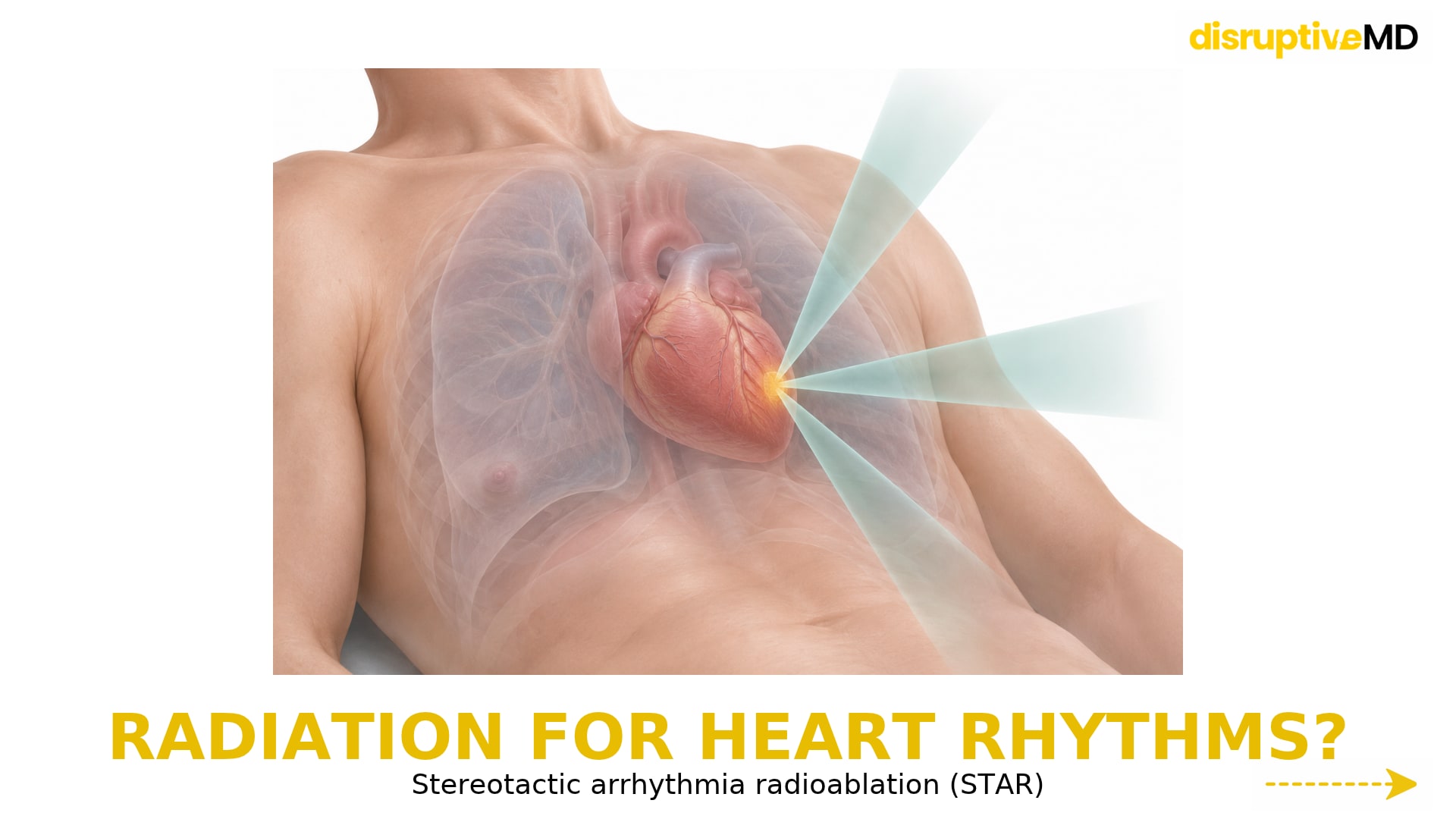
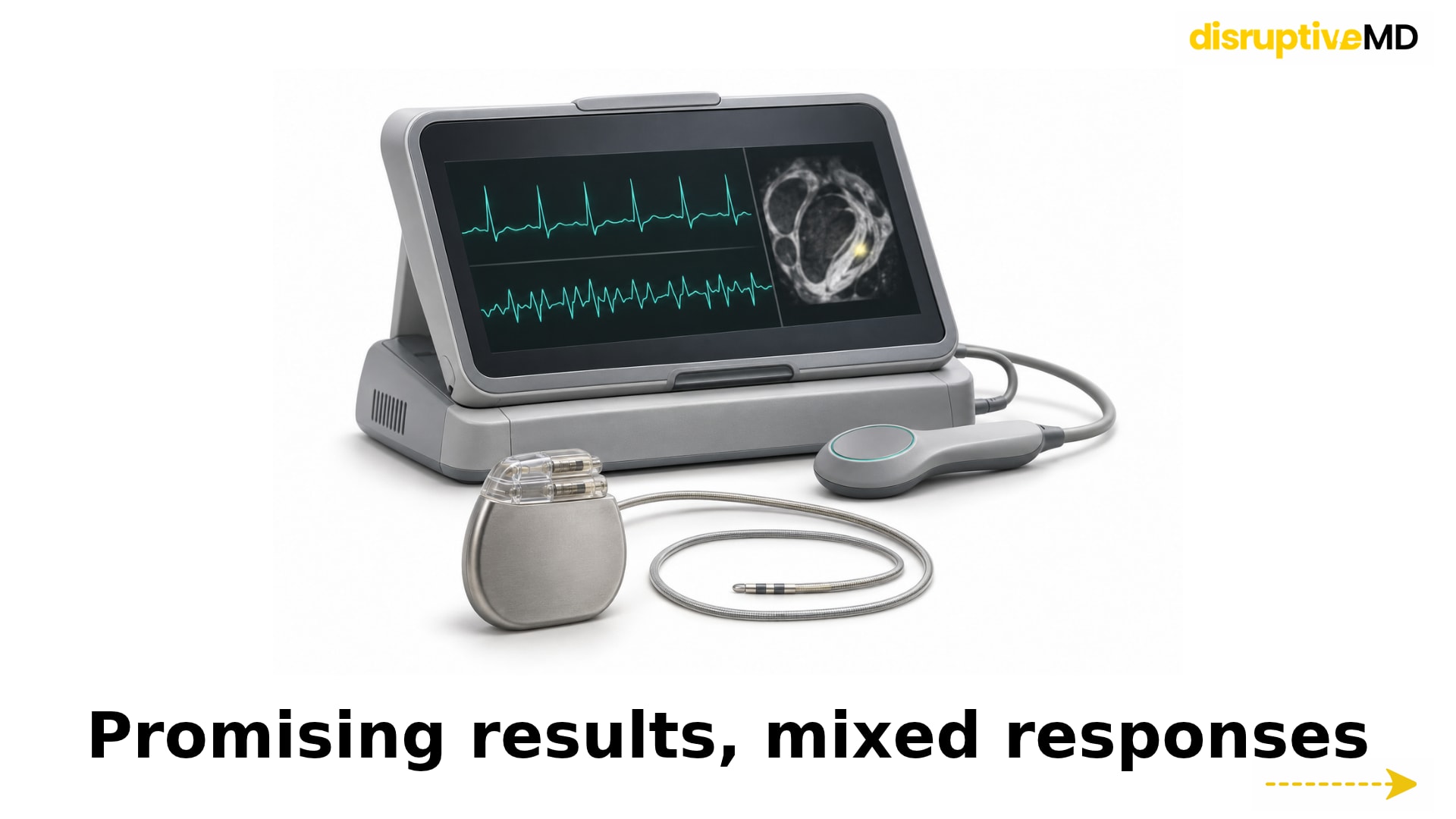
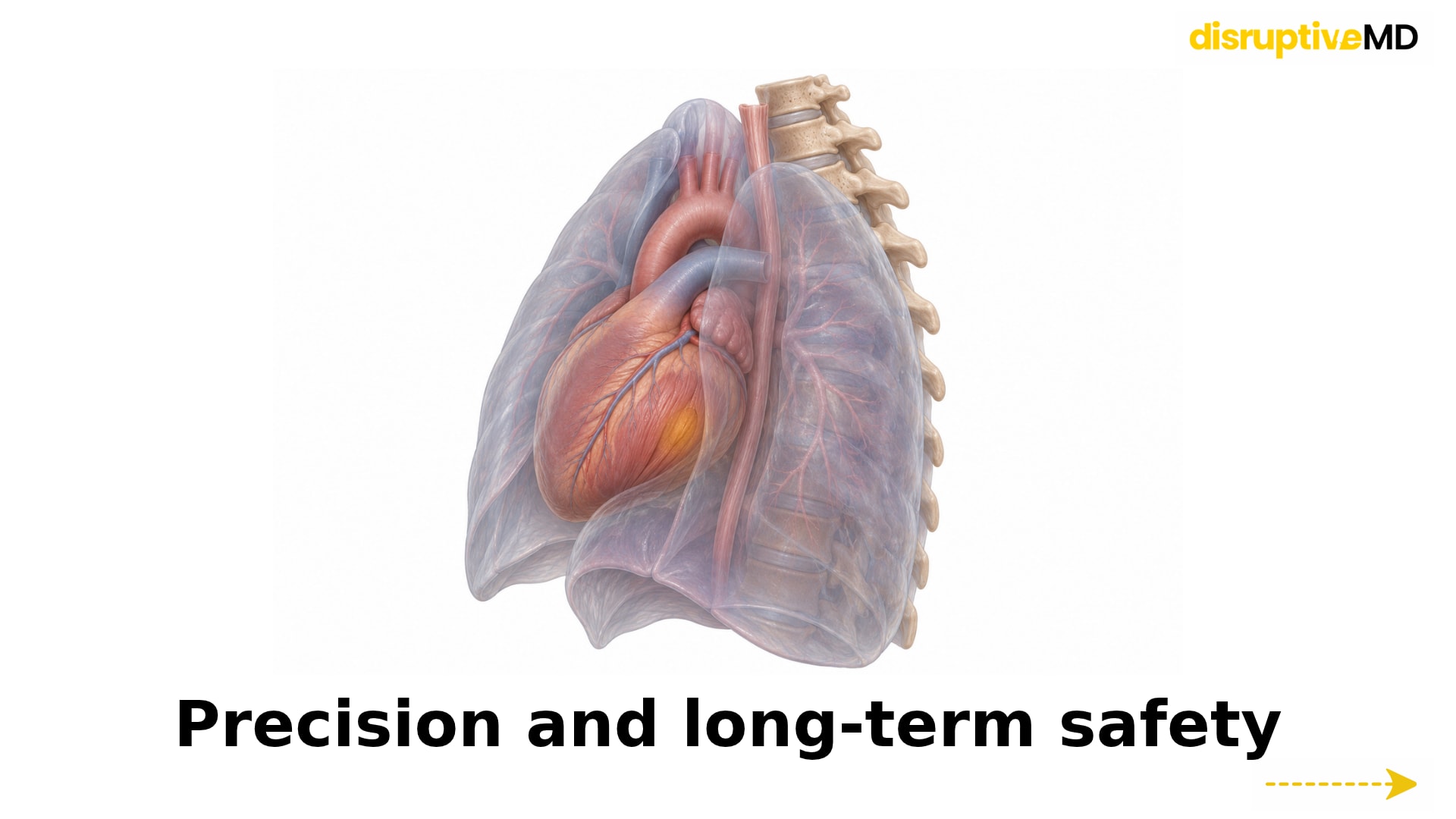

- STAR uses focused radiation to target abnormal electrical circuits.
- Its main focus is hard-to-treat ventricular tachycardia (VT).
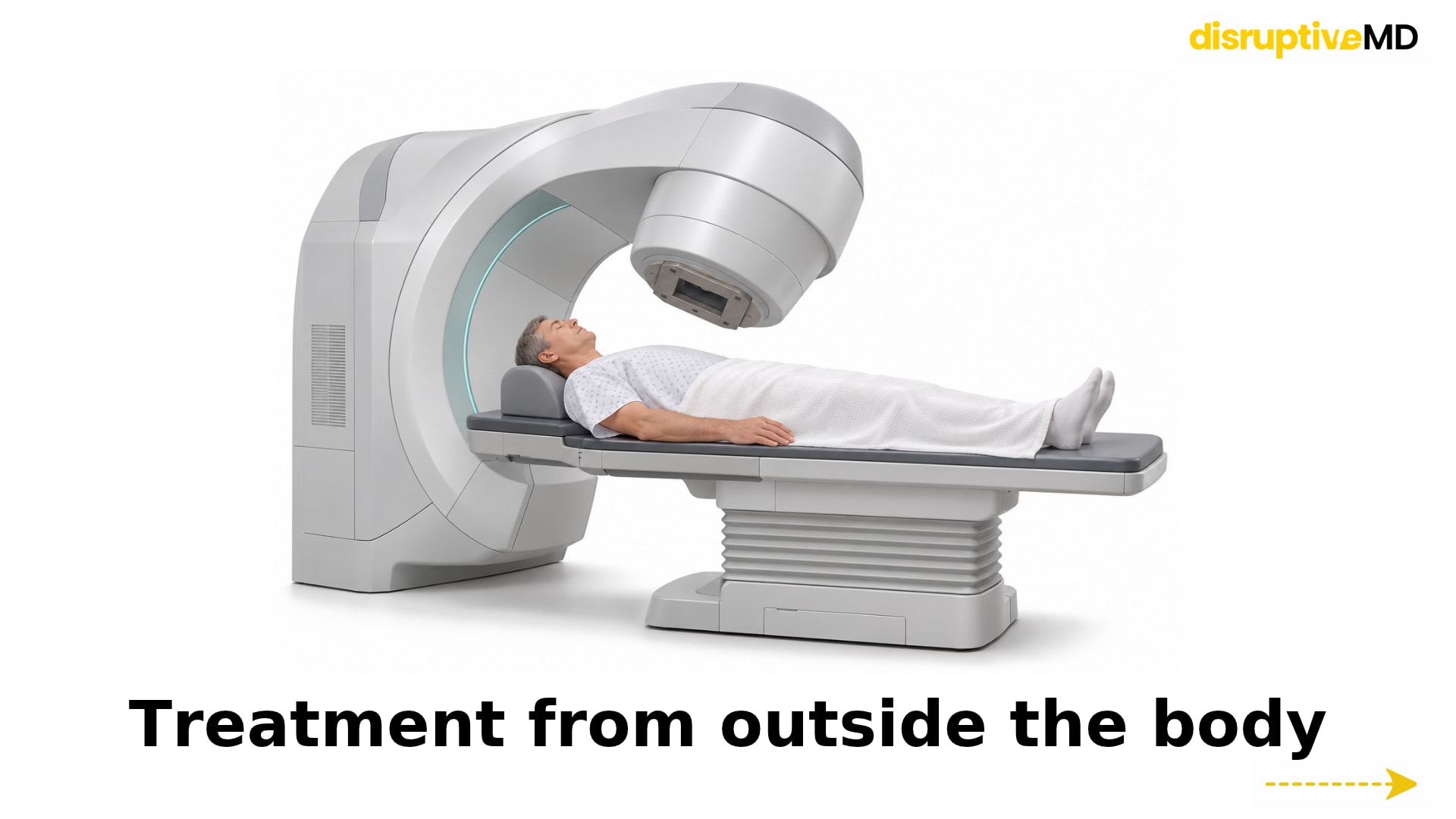
- Treatment is delivered from outside the body.
Core Purpose
To reduce life-threatening ventricular arrhythmias without delivering treatment through a catheter inside the heart, particularly when conventional options have failed or further invasive procedures carry substantial risk.
When the Heart’s Electrical Signals Become Trapped
Ventricular tachycardia, or VT, is a rapid rhythm originating in the ventricles, the heart’s lower pumping chambers. A sustained episode can compromise blood flow and may become life-threatening.
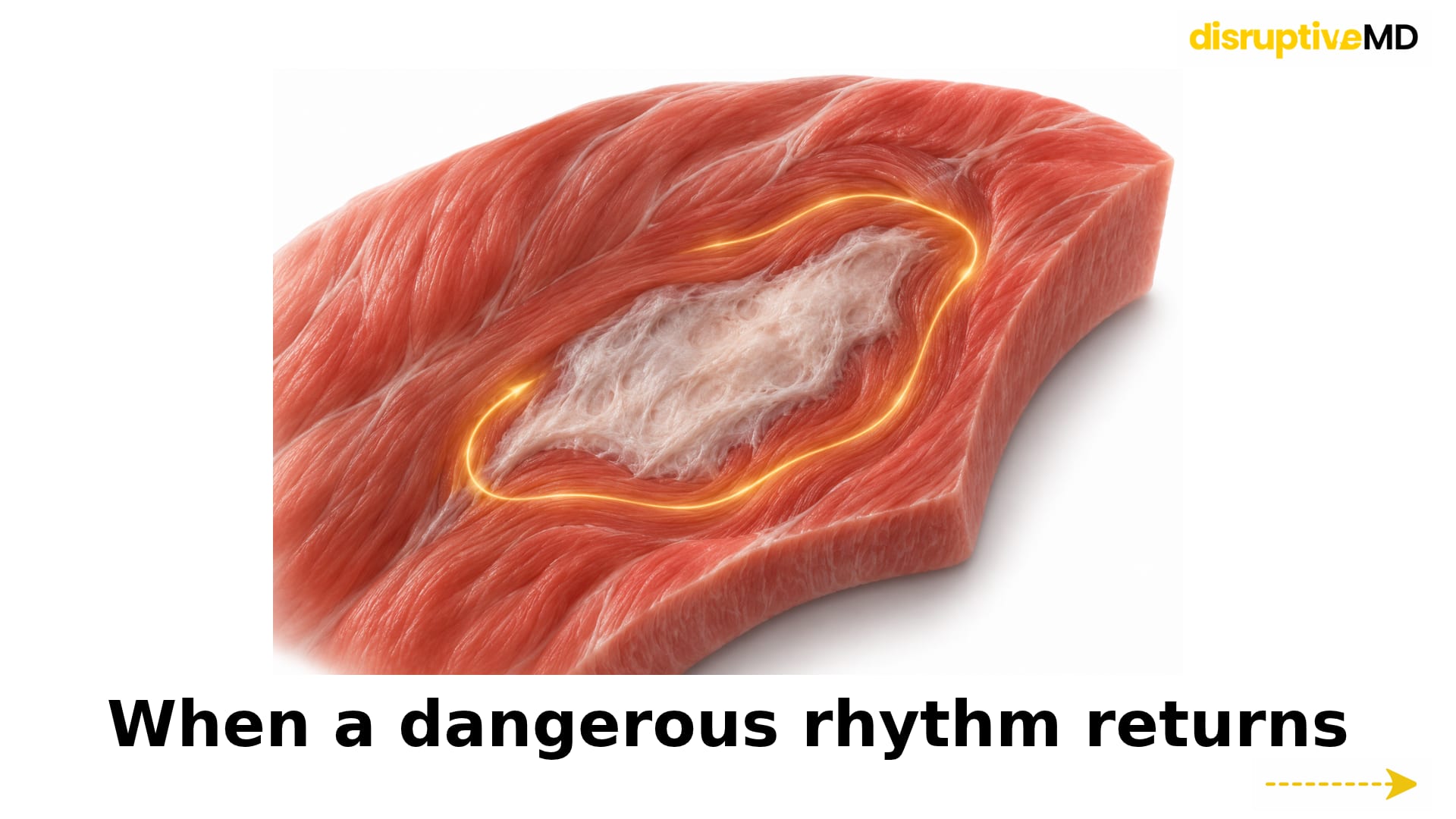
In patients with damaged heart muscle, surviving strands of tissue around a scar can conduct electricity abnormally. An electrical impulse may repeatedly circulate through these pathways, creating a self-sustaining loop.
An implantable cardioverter-defibrillator, or ICD, can interrupt dangerous episodes using pacing or shocks. However, stopping an episode does not necessarily remove the circuit that caused it.
This explains why some patients experience repeated arrhythmias even with a functioning defibrillator.
Reaching the Circuit From Outside the Body
Catheter ablation treats abnormal electrical pathways using instruments advanced into the heart, commonly delivering radiofrequency energy to create targeted lesions.
STAR instead directs radiation beams towards a defined region of cardiac tissue. It adapts stereotactic radiotherapy, a technique widely used for precise tumour treatment, to address an electrical disorder.
The radiation delivery itself requires no catheter inside the heart.
However, “non-invasive treatment” does not mean that every part of the patient’s assessment has been non-invasive. Planning may incorporate electrical maps collected during previous catheter procedures.
STAR therefore changes how treatment reaches the target, while still depending on detailed knowledge of the heart’s anatomy and electrical behaviour.
Mapping a Target That Cannot Simply Be Seen
A dangerous electrical circuit has no obvious outline on a routine scan.
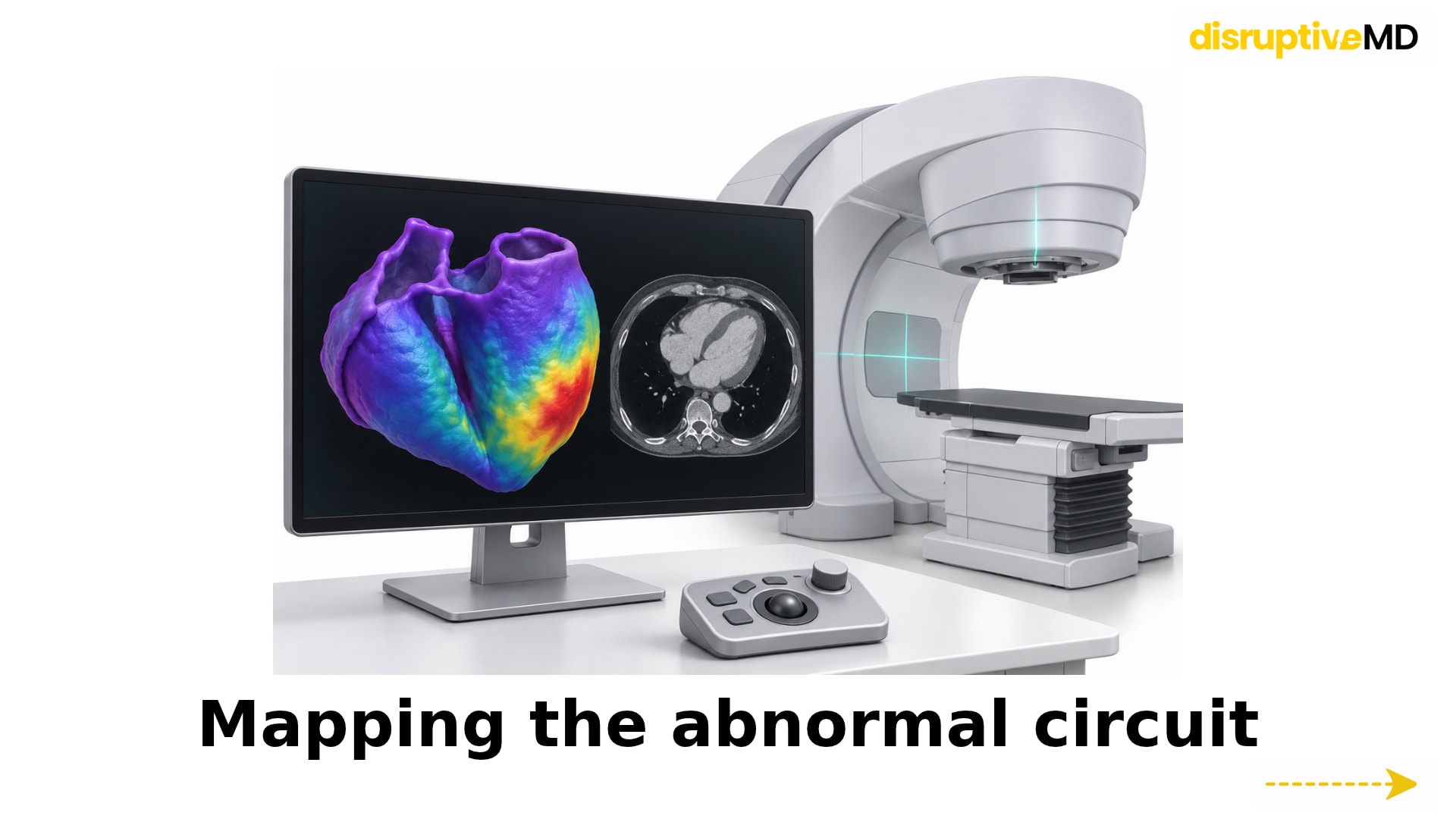
Doctors must bring together complementary information: ECG recordings, electrical mapping, CT images, MRI when suitable, and sometimes non-invasive mapping using electrodes on the body’s surface.
Imaging helps identify damaged tissue. Electrical information helps establish which regions participate in the arrhythmia.
These findings are translated into a three-dimensional radiation target.
This is one of STAR’s central challenges: identifying the tissue that matters sufficiently accurately to treat it while limiting exposure to surrounding structures.
One Treatment Session, Extensive Preparation
Many clinical STAR protocols use a single radiation fraction of approximately 25 gray, or Gy, a unit measuring absorbed radiation dose.
Treatment delivery can be relatively brief. In an early prospective study, the median delivery time was about 15 minutes.
But the preparation is considerably more involved. Mapping, imaging, target definition, radiation calculations and safety checks require coordinated specialist work.
The heart also moves with every beat and every breath. Planning must account for both movements, using appropriate imaging, motion assessment and, depending on the treatment platform, tracking or gating techniques.
A short treatment session therefore represents the final step in a complex process. Its effects also develop over time, so STAR is not an immediate replacement for emergency rhythm treatment.
Could Radiation Reprogramme Heart Tissue?
One of the most intriguing discoveries is that STAR’s effects may extend beyond producing scar tissue.
Early explanations assumed radiation would eventually create fibrosis that interrupted abnormal circuits. However, some reductions in arrhythmia occurred sooner than substantial radiation-induced scarring would be expected.
Experimental research has identified changes in proteins involved in electrical conduction, including sodium channels and connections between neighbouring heart cells. These changes may alter how impulses travel through damaged tissue.
Research published in 2026 adds another possibility: radiation may produce lasting changes in gene regulation, sometimes described as epigenetic memory, that help sustain altered electrical behaviour.
Much of this mechanistic work comes from animal models and laboratory-grown human heart cells, with limited human tissue observations.
It offers a possible explanation for clinical effects. It does not establish that radiation can predictably “reset” every patient’s heart or avoid tissue injury.
What the 2026 Clinical Findings Show
A major prospective multicentre registry reported outcomes from 193 patients treated across 28 centres.
Among 107 evaluable patients with at least six months of follow-up, the median VT episode burden fell by 80%. In the evaluable group surviving beyond six months, 72% were free from ICD shocks after treatment.
However, responses varied: 27% of the patients in the VT burden analysis experienced an increase in episodes.
These results support STAR’s potential, but this was an observational registry without a randomised comparison group. The findings do not establish superiority over catheter ablation or prove a survival benefit.
A separate small randomised trial, stopped before its intended completion, suggested a possible clinical advantage for repeat catheter ablation over STAR in patients whose earlier ablation had failed.
The practical implication is clear: failure of one catheter procedure does not automatically make radiation the better next treatment.
Who Might Benefit Most?
STAR is being investigated mainly for people with recurrent VT despite antiarrhythmic medication and catheter ablation, or those considered unsuitable for another invasive procedure.
Potential candidates may have difficult-to-reach arrhythmia targets, barriers to catheter access or substantial procedural risk.
Selection involves more than counting previous treatments. Clinicians must consider whether the target can be identified, whether radiation can be delivered safely, and whether treating that circuit is likely to meaningfully improve the patient’s situation.
Patients may still need medication, ICD protection, heart failure treatment and further procedures after STAR.
The Safety Questions That Matter
Avoiding catheter insertion removes certain procedural risks, but radiation introduces a different set of concerns.
Reported complications include inflammation around the heart, fluid accumulation and radiation-related lung inflammation. Rare severe injuries involving nearby structures, including abnormal connections between the oesophagus and the sac around the heart, have also been described.
Other concerns include delayed effects on healthy heart muscle, coronary arteries and valves.
Some complications may emerge months or years after treatment. This makes long-term follow-up essential, especially when many early studies involve small groups of patients with advanced underlying heart disease.
Arrhythmia recurrence is another limitation. Treating one region may not prevent circuits elsewhere from becoming active as heart disease progresses.
AI, Digital Hearts and Other Rhythm Disorders
A future direction is to combine electrical recordings, imaging and patient-specific digital heart models to improve target selection and explore treatment plans before delivery.
AI-assisted image segmentation is already being studied. More ambitious uses, such as reliably predicting which patient will respond or which radiation dose is optimal, remain research goals.
Researchers have also tested cardiac radioablation in small studies of atrial fibrillation, a rhythm disorder involving the upper chambers.
Those results cannot simply be extrapolated from VT. The targets, surrounding anatomy and treatment goals differ, and routine radiation treatment for atrial fibrillation is not established.
What Is Real Today
STAR has been delivered to human patients with refractory ventricular tachycardia. Prospective studies have shown meaningful reductions in arrhythmia burden and defibrillator shocks in selected patients.
Radiation can be delivered externally, and electrical and anatomical information can guide the target.
What remains unproven is whether STAR should replace conventional ablation, which patients benefit most, how reliably benefits persist, and what risks accumulate over longer follow-up.
Key Takeaway
STAR opens a striking possibility: treating a dangerous electrical circuit without physically entering the heart to deliver the treatment.
Its strongest current promise is as an additional option for selected patients with difficult-to-treat ventricular tachycardia. Broader use will depend on stronger comparative trials and clearer long-term safety data.
The next frontier in heart rhythm treatment may involve reaching the heart’s electrical circuits entirely from outside the body. The challenge is making that approach precise, durable and safe.
Fact Base
- Clinical focus: STAR is principally being investigated for refractory ventricular tachycardia, especially when established treatments are ineffective or unsuitable.
- Treatment delivery: Radiation is delivered externally. Planning may still use information from previous invasive electrical mapping.
- Dose: Many studies use a single fraction of approximately 25 Gy. The optimal dose and treatment strategy remain under investigation.
- 2026 findings: A large prospective registry reported substantial reductions in VT burden and ICD shocks, but responses varied and the study did not establish superiority over standard care.
- Comparative uncertainty: A small, prematurely stopped randomised trial suggested that repeat catheter ablation may offer advantages in some patients.
- Mechanism: Electrical and gene-regulatory changes may contribute to treatment effects. Their importance in individual patients remains incompletely understood.
- Safety: Early and delayed complications are possible. Long-term safety across larger populations is not established.
- Other arrhythmias: Applications such as atrial fibrillation remain investigational.
References
-
Van der Pol LHG, et al. Stereotactic arrhythmia radioablation for refractory ventricular tachycardia: the STOPSTORM.eu study. European Heart Journal. 2026. Prospective multicentre outcomes, including reductions in VT burden and ICD shocks.https://doi.org/10.1093/eurheartj/ehag338
-
Hašková J, et al. Stereotactic Arrhythmia Radioablation of Recurrent Ventricular Tachycardia in Structural Heart Disease: Results of the Aborted STAR-VT-2020 Randomized Trial. JACC: Clinical Electrophysiology. 2026. Comparison with repeat catheter ablation.https://doi.org/10.1016/j.jacep.2026.06.043
-
Robinson CG, et al. Phase I/II Trial of Electrophysiology-Guided Noninvasive Cardiac Radioablation for Ventricular Tachycardia. Circulation. 2019. Early prospective clinical experience and treatment delivery times.https://doi.org/10.1161/CIRCULATIONAHA.118.038261
-
Cardiac radiotherapy induces electrical conduction reprogramming in the absence of transmural fibrosis. Nature Communications. 2021. Experimental and limited human observations supporting mechanisms beyond fibrosis.https://doi.org/10.1038/s41467-021-25730-0
-
Jordan, et al. Cardiac radiotherapy-induced epigenetic memory underlies electrophysiologic and metabolic reprogramming. Journal of Clinical Investigation. 2026;136(7):e193087. Mechanistic research on sustained changes after irradiation.https://doi.org/10.1172/JCI193087
-
Zeppenfeld K, et al. Patient selection, ventricular tachycardia substrate delineation, and data transfer for stereotactic arrhythmia radioablation: a clinical consensus statement. Europace. 2025;27(4):euae214. Patient selection, mapping, treatment planning and safety considerations.https://doi.org/10.1093/europace/euae214
-
Di Monaco A, et al. Linear accelerator-based stereotactic arrhythmia radioablation for paroxysmal atrial fibrillation in elderly: a prospective phase II trial. Europace. 2023. Early investigation beyond ventricular tachycardia.https://pmc.ncbi.nlm.nih.gov/articles/PMC10700012/
-
Summerfield N, et al. Cardiac segmentation for ventricular tachycardia radioablation and radiotherapy patients with cardiac implants. 2026 preprint. Research on deep-learning-assisted cardiac segmentation; not evidence of established clinical outcome prediction.https://arxiv.org/abs/2609.36367


