
Introduction
Weight loss has entered a new scientific era. For decades, obesity was often discussed mainly through diet, exercise, and personal behavior. Those factors still matter, but modern research now shows that body weight is also shaped by appetite hormones, brain pathways, gut signals, genetics, sleep, medications, metabolism, and the surrounding food environment. This shift matters because obesity is not only a body-size issue; it is associated with type 2 diabetes, cardiovascular disease, obstructive sleep apnea, fatty liver disease, osteoarthritis, infertility, and several cancers. Globally, more than 1 billion people were living with obesity in 2022, and 43% of adults were overweight, according to WHO-linked estimates. The most important change is that weight loss is no longer being treated only as short-term calorie reduction. It is increasingly being treated as chronic disease management, similar to hypertension or diabetes, where long-term biology, relapse prevention, safety monitoring, and access all matter. The five major breakthroughs are GLP-1 receptor agonists, dual incretin medicines, next-generation multi-hormone drugs, precision genetic obesity therapy, and minimally invasive endoscopic weight-loss procedures.
The Clinical Background: Why Weight Loss Needed a New Model
Obesity is a chronic metabolic disease, meaning it involves long-term changes in energy balance, appetite regulation, fat storage, inflammation, and hormonal signaling rather than a simple failure of discipline. Body mass index, or BMI, is a screening measure calculated from weight and height, but it does not fully capture muscle mass, fat distribution, ethnicity-specific risk, or metabolic health. This matters because two people with the same BMI can have very different risks for diabetes, heart disease, sleep apnea, or fatty liver disease. Professional guidelines now support anti-obesity pharmacotherapy for selected adults when lifestyle intervention alone is insufficient, commonly using BMI thresholds of 30 kg/m² or higher, or 27 kg/m² or higher with weight-related conditions. The older model focused mainly on “eat less and move more.” The newer model asks a more precise question: which biological system is driving excess weight in a specific patient? In some patients, the dominant issue may be appetite and satiety signaling. In others, it may be insulin resistance, medication-related weight gain, sleep apnea, genetic hunger pathways, limited mobility, or a history of weight cycling. This does not remove the importance of nutrition and physical activity; instead, it explains why durable weight loss often requires medical, behavioral, and sometimes procedural support.
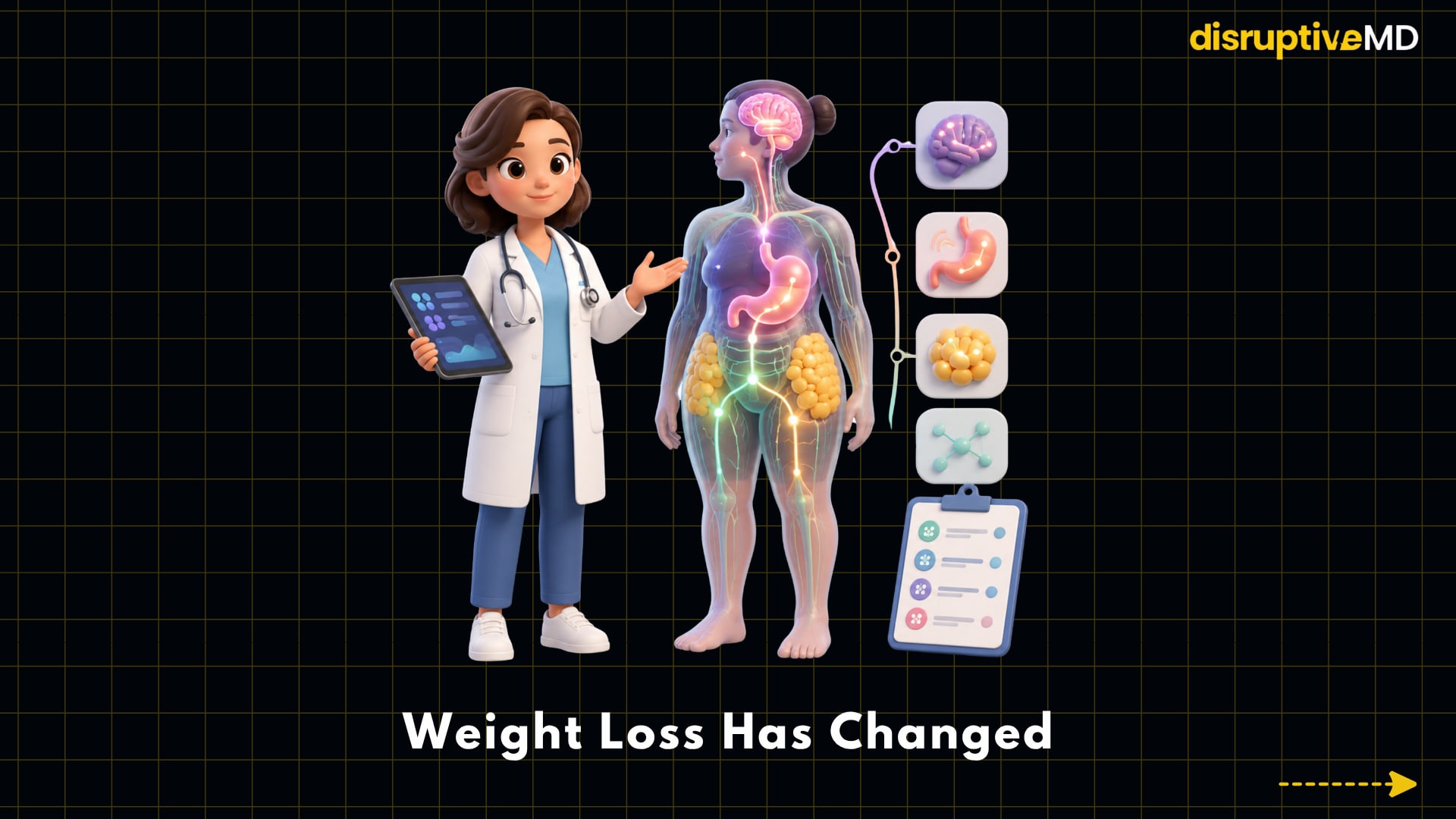
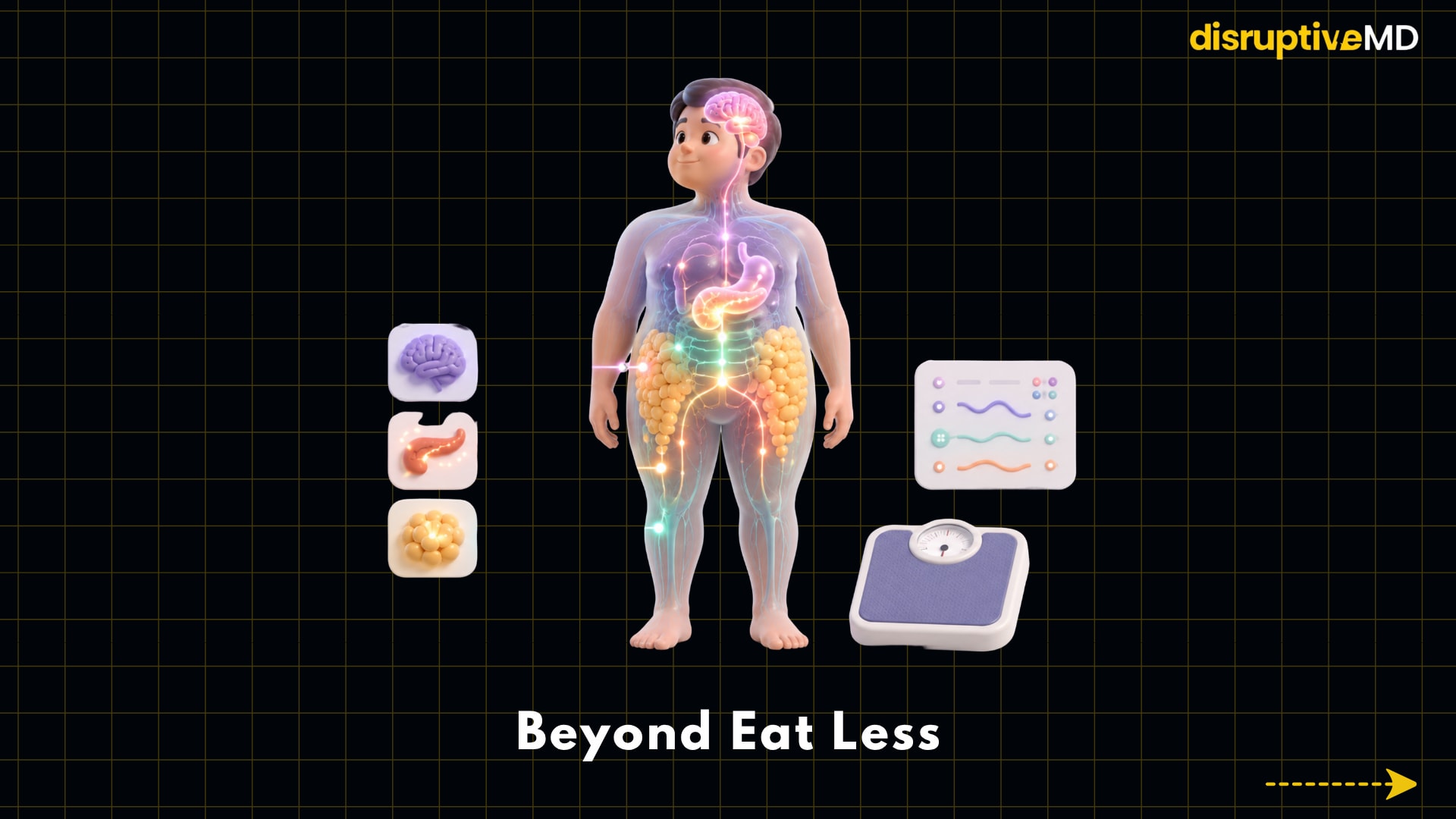



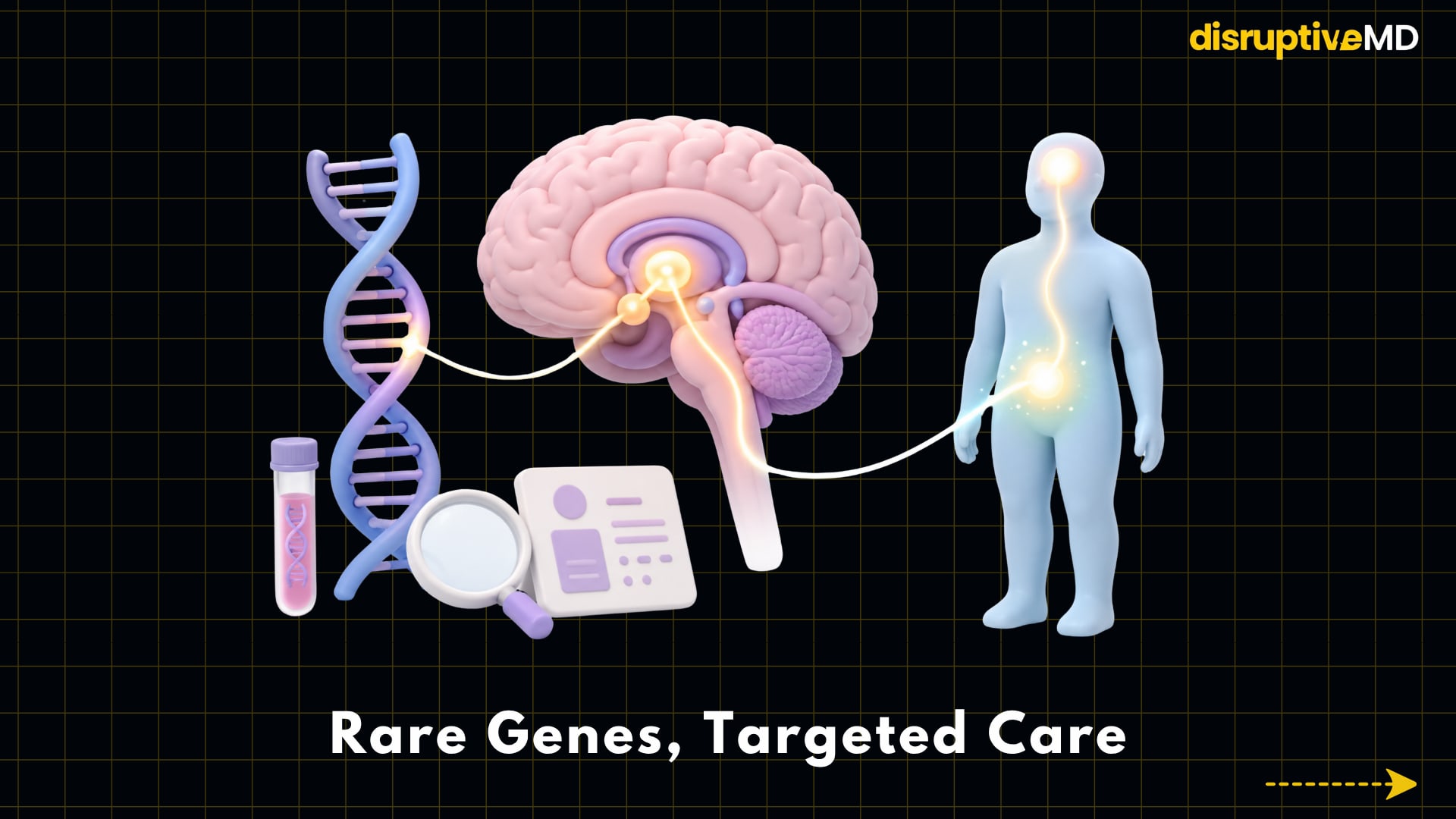



- Weight is shaped by hormones, brain signals, and metabolism.
- Modern care treats obesity as a chronic medical condition.
- The future is personalized, monitored, and evidence-based.
What the Five Breakthroughs Actually Do
1. GLP-1 receptor agonists: turning appetite biology into a treatment target
The first major breakthrough is the rise of GLP-1 receptor agonists, medicines that imitate glucagon-like peptide-1, a gut hormone that helps regulate appetite, satiety, insulin secretion, and gastric emptying. “Satiety” means the feeling of fullness after eating, while gastric emptying describes how quickly food leaves the stomach. Semaglutide is the best-known example in obesity care, and it showed that medically targeting appetite biology can produce clinically meaningful weight loss rather than only modest short-term changes. In the STEP 1 trial, adults with overweight or obesity who received once-weekly semaglutide 2.4 mg plus lifestyle intervention lost an average of 14.9% of body weight at 68 weeks, compared with 2.4% with placebo. This matters because GLP-1 medicines changed the weight-loss conversation from “temporary dieting” to “long-term metabolic treatment.” The SELECT trial later expanded the significance of semaglutide by showing cardiovascular outcome benefit in people with overweight or obesity and established cardiovascular disease but without diabetes; a major cardiovascular event occurred in 6.5% of semaglutide-treated participants versus 8.0% of placebo-treated participants. The FDA subsequently approved semaglutide 2.4 mg to reduce the risk of serious cardiovascular events in adults with obesity or overweight and established cardiovascular disease, making weight-loss pharmacology relevant not only to body weight but also to heart-risk reduction. A newer development is formulation choice. FDA labeling now includes Wegovy tablets for adults, in addition to injectable semaglutide, and a higher-dose 7.2 mg injectable semaglutide was approved in 2026 for selected adult patients needing additional weight reduction. The practical value is not simply convenience; different formulations may affect adherence, access, tolerability, and patient preference. However, oral GLP-1 therapy has specific administration rules, including fasting instructions, and higher doses require careful monitoring for gastrointestinal effects.
2. Dual incretin agonists: using more than one hormone pathway
The second breakthrough is dual incretin therapy, especially tirzepatide, which activates both the GIP receptor and the GLP-1 receptor. Incretins are gut-derived hormones that help coordinate insulin release, appetite, and nutrient handling after meals. GIP stands for glucose-dependent insulinotropic polypeptide, and GLP-1 stands for glucagon-like peptide-1. Combining these pathways appears to produce stronger average weight reduction than older single-pathway anti-obesity drugs in clinical trials. In SURMOUNT-1, adults with obesity or overweight without diabetes had substantial weight reduction at 72 weeks, with the 5 mg dose producing a mean weight change of 15.0% and higher doses producing larger reductions. This matters because dual agonism moves obesity medicine closer to multi-system metabolic treatment. Tirzepatide was approved by the FDA for chronic weight management in adults with obesity, or overweight with at least one weight-related condition, alongside reduced-calorie diet and increased physical activity. The same medicine later became the first FDA-approved medication for moderate to severe obstructive sleep apnea in adults with obesity, based on two randomized, double-blind, placebo-controlled trials involving 469 adults. This is clinically important because it shows weight-loss therapy can affect obesity-related complications, not only the number on a scale.
3. Triple-hormone agonists: the next test of metabolic engineering
The third breakthrough is the development of triple-hormone receptor agonists, especially retatrutide, which targets GLP-1, GIP, and glucagon receptors together. Glucagon is a hormone best known for raising blood glucose during fasting, but in carefully designed drug combinations it may also influence energy expenditure and liver metabolism. The concept is not to “force” weight loss, but to coordinate several metabolic signals that normally respond to food intake, fasting, and energy storage. In a phase 2 trial, once-weekly retatrutide produced dose-dependent weight reduction at 24 and 48 weeks, and the highest-dose groups reached weight-loss levels that pushed the field beyond earlier incretin medicines. This matters because triple agonists may represent the next stage of obesity pharmacology, but the evidence remains less mature than for semaglutide or tirzepatide. Phase 2 trials are designed to explore dose, early efficacy, and safety signals; they are not the same as large phase 3 trials or long-term cardiovascular outcome studies. The key unanswered question is whether larger and more diverse populations will show durable benefit with acceptable safety over years, especially for heart rhythm effects, gastrointestinal tolerability, gallbladder disease, pancreatitis signals, lean-mass loss, and long-term metabolic adaptation.
4. Precision obesity medicine: treating rare genetic hunger pathways
The fourth breakthrough is precision obesity medicine, where treatment targets a defined biological pathway rather than treating all obesity as one condition. Setmelanotide is a melanocortin-4 receptor, or MC4R, agonist. The MC4R pathway is a brain signaling system that helps regulate hunger and energy expenditure. In rare conditions such as POMC, PCSK1, or LEPR deficiency, this pathway is impaired, causing severe early-onset hunger, known as hyperphagia, and severe obesity. FDA approval for setmelanotide in these rare genetic conditions was based on small studies because the conditions are uncommon; in one study, 80% of patients with POMC or PCSK1 deficiency lost at least 10% of body weight, while 46% of patients with LEPR deficiency reached that threshold. This matters because it proves that some forms of obesity are directly driven by identifiable molecular defects. Setmelanotide is also approved for weight management in Bardet-Biedl syndrome, another rare genetic condition associated with obesity, and clinical evidence has shown meaningful weight and hunger reductions in selected patients. The real-world lesson is not that every person with obesity needs genetic medication; it is that careful diagnosis can reveal specific subgroups where standard lifestyle-only approaches are biologically mismatched to the disease mechanism.
5. Endoscopic sleeve gastroplasty: weight-loss procedures without open surgery
The fifth breakthrough is endoscopic sleeve gastroplasty, or ESG, a minimally invasive procedure performed through the mouth using an endoscope, which is a flexible camera-equipped tube. During ESG, sutures are placed inside the stomach to reduce its volume and change how quickly fullness develops, without external incisions or surgical removal of stomach tissue. This makes ESG different from sleeve gastrectomy, a surgical operation that permanently removes part of the stomach. ESG is not “non-invasive,” because it still involves anesthesia, internal suturing, and procedural risk, but it offers a less invasive option for selected patients who are not ready for or eligible for bariatric surgery. Clinical evidence supports ESG as a meaningful option for class 1 and class 2 obesity in selected patients. The MERIT trial, a prospective multicenter randomized trial, found that ESG produced significant weight loss maintained at 104 weeks and improved metabolic comorbidities. This matters because obesity care needs more than one pathway: some patients may respond best to medication, some to surgery, some to endoscopic therapy, and many to a combination of structured lifestyle care with medical or procedural support.
Evidence and Real-World Meaning
The strongest evidence currently belongs to regulatory-approved incretin medicines, especially semaglutide and tirzepatide, because they have large randomized trial programs and FDA-approved indications. Semaglutide has evidence for both weight reduction and cardiovascular-risk reduction in a defined high-risk population, while tirzepatide has strong weight-loss trial data and an additional obesity-related obstructive sleep apnea indication. In clinical practice, this means obesity pharmacotherapy is increasingly being judged by broader outcomes: weight, waist circumference, blood pressure, glycemic control, sleep apnea severity, cardiovascular events, quality of life, and medication adherence. Precision therapy has the clearest value in rare obesity syndromes, where a specific diagnosis changes treatment. For patients with POMC, PCSK1, LEPR deficiency, or Bardet-Biedl syndrome, setmelanotide represents a targeted biological approach rather than a general appetite suppressant. This is important for clinicians because severe early-onset obesity with intense hunger, developmental features, visual problems, kidney abnormalities, or a family history of rare syndromic obesity may require genetic evaluation rather than repeated lifestyle-only treatment failure. Digital health and AI are also beginning to shape the real-world delivery of weight-loss care, although they should be viewed as support systems rather than stand-alone cures. A 2025 randomized clinical trial in adults with prediabetes and overweight or obesity found that an AI-led Diabetes Prevention Program was noninferior to a human coach-led program for a composite outcome involving weight loss, physical activity, and HbA1c at 12 months. This matters because scalable digital coaching may help health systems support more patients, but algorithmic bias, privacy, engagement, and clinical oversight remain important concerns.
Limitations, Risks, and Unanswered Questions
The major limitation of modern weight-loss medicine is durability. Obesity is chronic, and stopping treatment often leads to weight regain. In the STEP 1 extension, participants regained a substantial portion of weight after semaglutide withdrawal, and the SURMOUNT-4 trial showed that stopping tirzepatide led to substantial regain while continued treatment maintained and extended weight reduction. This matters because anti-obesity medication should not be framed as a short “course” that permanently resets biology for every patient; many patients may need long-term care, dose adjustment, structured follow-up, and support for nutrition, resistance training, sleep, and mental health. Safety remains central. GLP-1 and dual incretin medicines commonly cause gastrointestinal effects such as nausea, vomiting, diarrhea, constipation, and abdominal discomfort. FDA labeling for semaglutide also includes warnings related to pancreatitis, gallbladder disease, hypoglycemia when used with insulin or insulin secretagogues, kidney injury related to dehydration, severe gastrointestinal reactions, diabetic retinopathy complications in some patients with type 2 diabetes, increased heart rate, and suicidal behavior or ideation monitoring. These risks do not mean the medicines are inappropriate; they mean patient selection, counseling, monitoring, and regulated prescribing are essential. Access is another major unanswered question. Modern obesity medicines can be expensive, insurance coverage varies widely, drug supply can be inconsistent, and counterfeit or compounded products can create safety risks when patients seek cheaper alternatives outside regulated systems. Endoscopic procedures also require trained specialists, anesthesia support, follow-up nutrition care, and cost coverage. Precision medicines such as setmelanotide apply only to rare conditions and require accurate diagnosis. These barriers may widen health inequity if only wealthy populations can access advanced obesity care. Another scientific limitation is body composition. Weight loss can include both fat mass and lean mass, which includes muscle and other non-fat tissue. For older adults, patients with frailty, athletes, and people with chronic illness, preserving strength and function may matter as much as reducing weight. Future obesity care will need better measures than scale weight alone, including waist circumference, metabolic markers, fitness, sleep quality, imaging-based body composition, and patient-centered outcomes.
Conclusion
The five breakthroughs in weight loss show that obesity care is becoming more biological, more personalized, and more clinically serious. GLP-1 receptor agonists changed appetite regulation into a treatable pathway. Dual incretin medicines expanded the idea into multi-hormone therapy. Triple agonists are testing whether even broader metabolic signaling can safely produce greater effects. Precision medicines are proving that rare genetic forms of obesity require targeted treatment. Endoscopic procedures are creating a middle ground between medication and surgery. The future of weight loss will not be one medicine, one diet, or one device. It will likely be a layered model: prevention at the public-health level, early diagnosis in primary care, personalized medication when appropriate, procedural options for selected patients, digital support for continuity, and long-term monitoring to reduce relapse. The most responsible message is not that weight loss has become easy. It is that science is finally treating obesity as a complex medical condition worthy of serious, evidence-based care.
Evidence Rating
Mixed or limited evidence. Several breakthroughs discussed here are regulatory-approved and supported by large clinical trials, especially semaglutide, tirzepatide, setmelanotide for rare obesity syndromes, and FDA-authorized endoscopic suturing systems. However, triple-hormone agonists remain under clinical investigation, long-term durability is still being studied, and digital or AI-supported obesity care has promising but still developing evidence. Therefore, the overall field is strong but uneven across technologies.
Educational Disclaimer
This article is for educational purposes only and is not a substitute for professional medical advice, diagnosis, or treatment. Weight-loss medicines, procedures, and genetic therapies should be considered only with qualified medical supervision, appropriate diagnosis, and individualized risk assessment.
References
- World Health Organization. Obesity and overweight fact sheet; global obesity estimates.
- WHO news release on more than 1 billion people living with obesity.
- American Gastroenterological Association guideline on pharmacological interventions for adults with obesity.
- Endocrine Society clinical practice guidance on pharmacological management of obesity.
- John M. Jakicic, Christian E. Behrens, Sarah E. Deemer, et al. Physical activity and exercise within the context of obesity treatment: Enhancing health beyond weight loss, Journal of Sport and Health Science, 15, (101097), (2026). https://doi.org/10.1016/j.jshs.2025.101097
- Ahmed K. Mahmoud, Hesham Sheashaa, Michael Killian, et al. GLP-1 receptor agonists associated with better cardiovascular outcomes in obese or diabetic patients with elevated Lp(a) levels: A Multicenter retrospective study, International Journal of Cardiology, 459, (134588), (2026). https://doi.org/10.1016/j.ijcard.2026.134588.
- FDA approval of semaglutide for cardiovascular-risk reduction in adults with obesity or overweight and established cardiovascular disease.
- FDA Wegovy prescribing information, including oral tablets and safety labeling.
- FDA approval of higher-dose semaglutide 7.2 mg.
- Patrice A. Hubert, Christopher Coleman, Gregory J. Grosicki, et al. A Mathematical Modeling Analysis of Long-Term GLP-1 Receptor Agonist Treatment, Journal of the Academy of Nutrition and Dietetics, 126, 8, (156366), (2026). https://doi.org/10.1016/j.jand.2026.156366.
- FDA approval of tirzepatide for chronic weight management.
- FDA approval of tirzepatide for moderate to severe obstructive sleep apnea in adults with obesity.
- Linghua Fu, Rui Ding, Gaosi Xu, Jinzhu Hu, Pingping Yang, Amycretin in obesity: Mechanisms, clinical efficacy, and future perspectives, Metabolism, 179, (156594), (2026). https://doi.org/10.1016/j.metabol.2026.156594.
- FDA approval of setmelanotide for rare genetic obesity conditions.
- Clément K, van den Akker E, Argente J, et al.; Setmelanotide POMC and LEPR Phase 3 Trial Investigators. Efficacy and safety of setmelanotide, an MC4R agonist, in individuals with severe obesity due to LEPR or POMC deficiency: single-arm, open-label, multicentre, phase 3 trials. Lancet Diabetes Endocrinol. 2020 Dec;8(12):960-970. doi: 10.1016/S2213-8587(20)30364-8. Epub 2020 Oct 30. PMID: 33137293.
- Haqq AM et al. Setmelanotide in Bardet-Biedl syndrome and Alström syndrome.
- Abu Dayyeh BK, Bazerbachi F, Vargas EJ, et al. MERIT Study Group; Galvao Neto M, Zundel N, Wilson EB. Endoscopic sleeve gastroplasty for treatment of class 1 and 2 obesity (MERIT): a prospective, multicentre, randomised trial. Lancet. 2022 Aug 6;400(10350):441-451. doi: 10.1016/S0140-6736(22)01280-6. Epub 2022 Jul 28. PMID: 35908555.
- FDA De Novo decision summary for endoscopic suturing devices for altering gastric anatomy for weight loss.
- Mathioudakis N, Lalani B, Abusamaan MS, et al. An AI-Powered Lifestyle Intervention vs Human Coaching in the Diabetes Prevention Program: A Randomized Clinical Trial. JAMA. 2025;334(23):2079–2089. doi:10.1001/jama.2025.19563.