
Introduction
Anterior cruciate ligament (ACL) surgery is no longer just about replacing a torn ligament and waiting for the knee to heal. The anterior cruciate ligament, or ACL, is a strong band of tissue inside the knee that helps control forward movement and rotation of the shin bone during cutting, jumping, landing, and pivoting. When it tears, especially in athletes and active individuals, the problem is not only pain or swelling. The deeper clinical challenge is restoring stability, reducing re-injury risk, protecting the meniscus and cartilage, and helping patients return to movement safely. Modern ACL surgery is therefore shifting from a one-procedure model to a more personalised system that combines better graft selection, rotational control, biological repair, meniscus preservation, and data-guided rehabilitation.
Why ACL Surgery Needed to Evolve
Traditional ACL reconstruction remains the main surgical standard for many complete ACL tears. In ACL reconstruction, the torn ligament is replaced with a graft, which is tissue taken from the patient, called an autograft, or from a donor, called an allograft. The graft is placed through bone tunnels in the femur and tibia so it can act like a new stabilising ligament. This works well for many patients, but it does not perfectly recreate the original ACL biology, and young athletes who return to pivoting sports can still face a meaningful risk of a second ACL injury. Systematic reviews have reported high secondary injury rates in younger athletes after ACL reconstruction, especially in those returning to demanding sport. The second reason ACL surgery has changed is that surgeons now understand the knee as a full biomechanical system, not a single torn ligament. Biomechanics means how forces move through the body, and in ACL surgery it includes rotation, landing force, graft tension, meniscus function, limb strength, and movement quality. A technically successful operation can still fail if rotational instability remains, if the meniscus is not protected, if graft choice is poorly matched to the patient, or if return-to-sport decisions are based only on time. This is why the most important advances in ACL surgery are not only new devices; they are smarter ways to rebuild, protect, and monitor the knee.
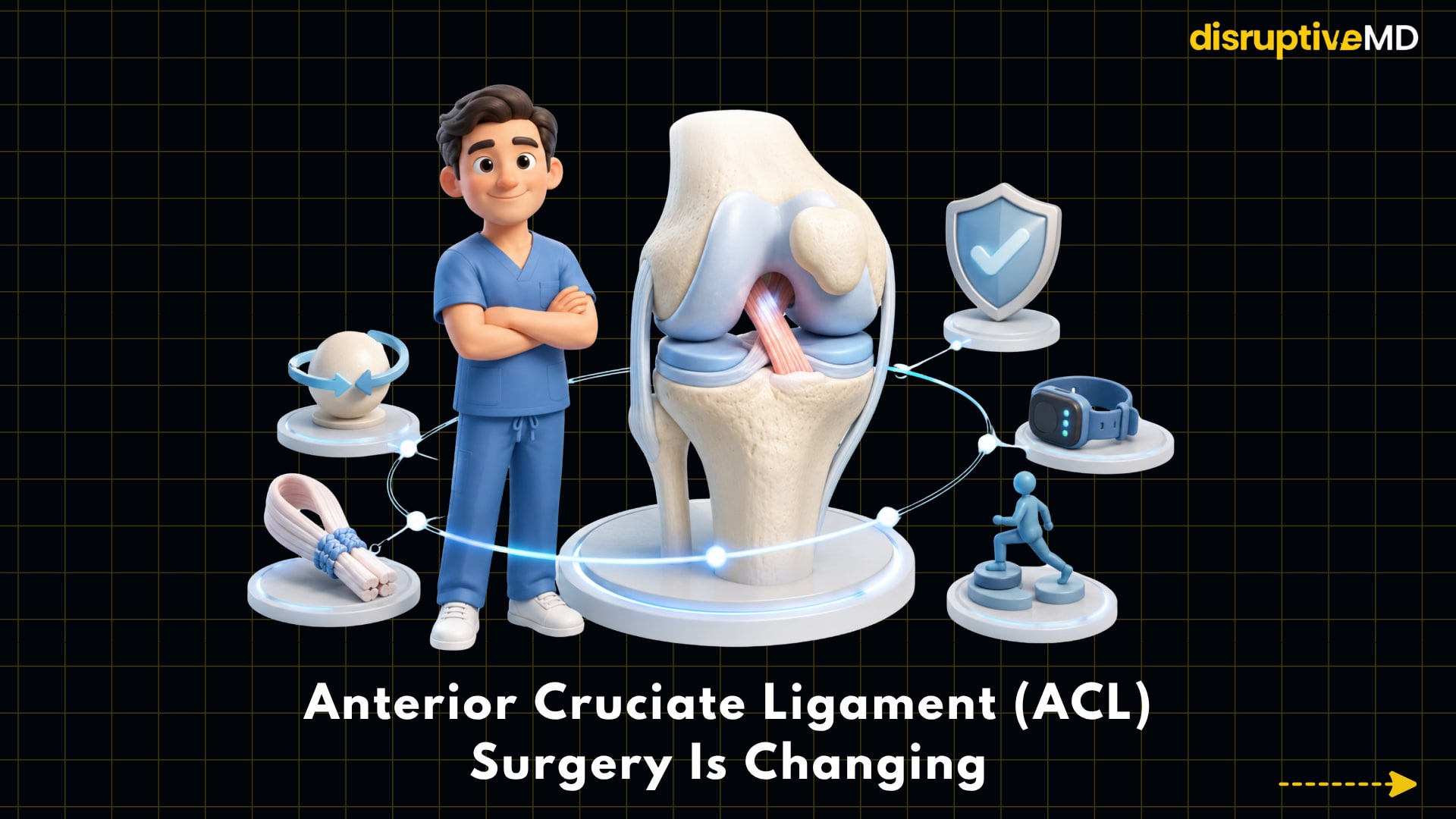
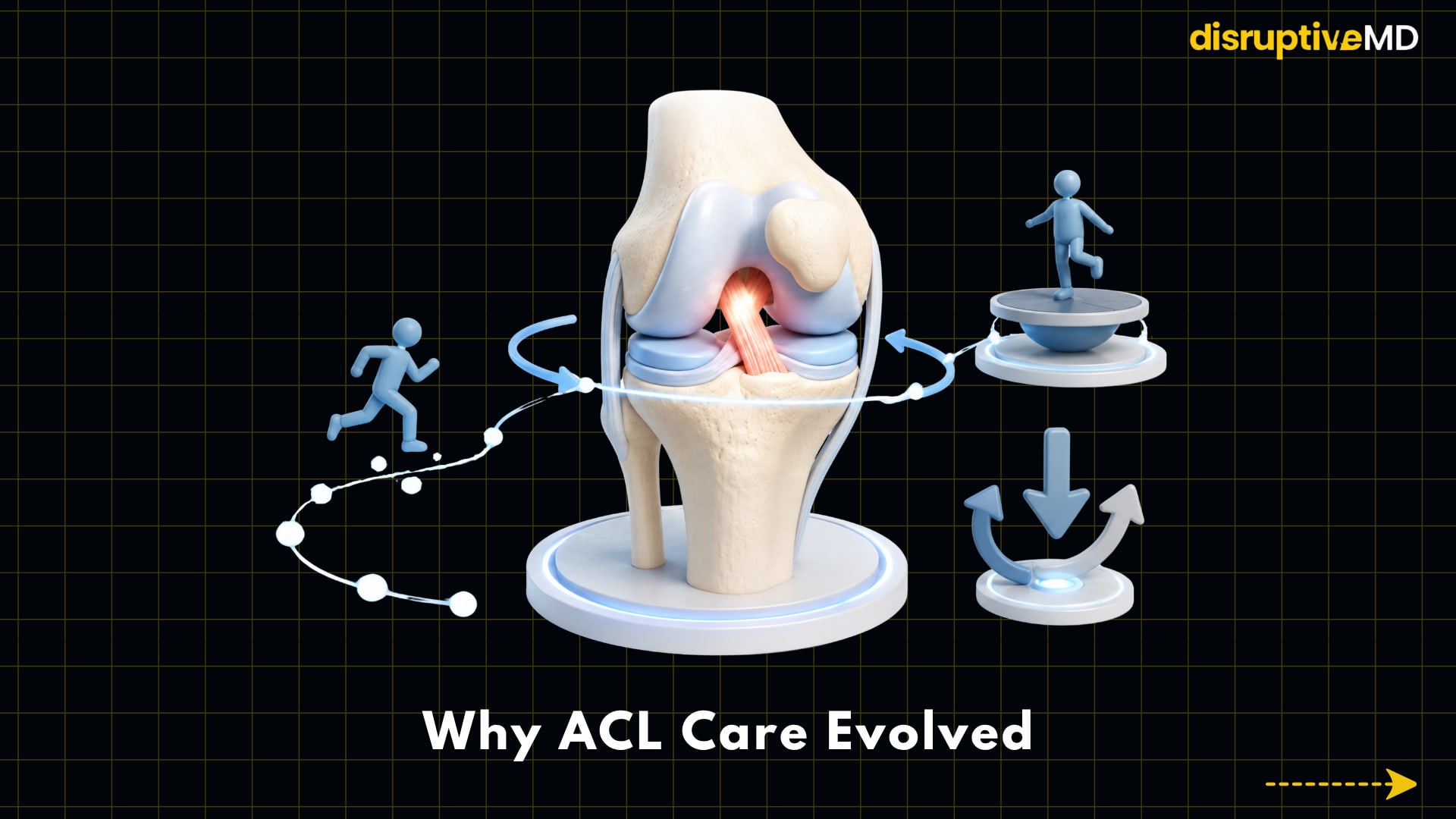
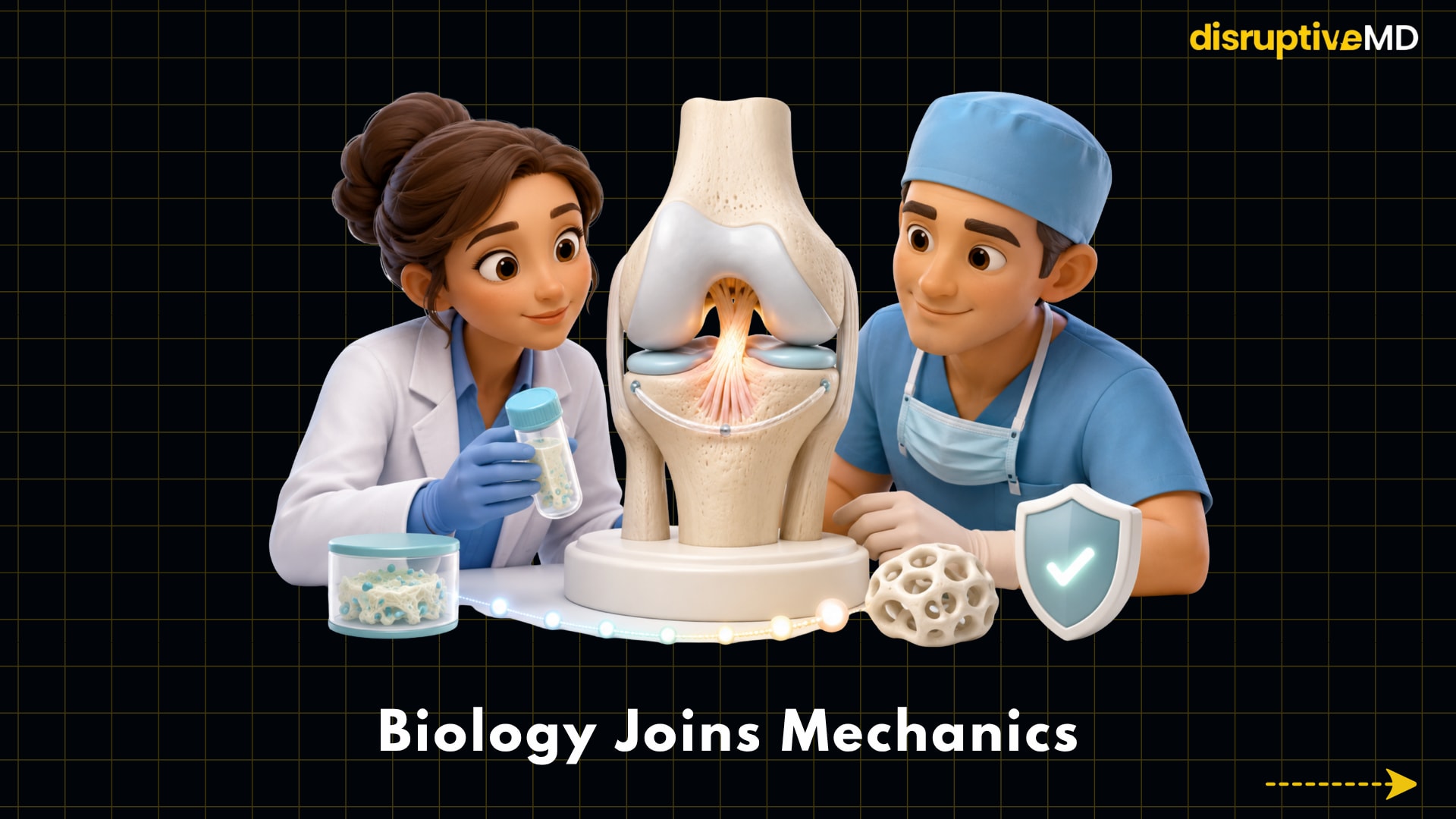
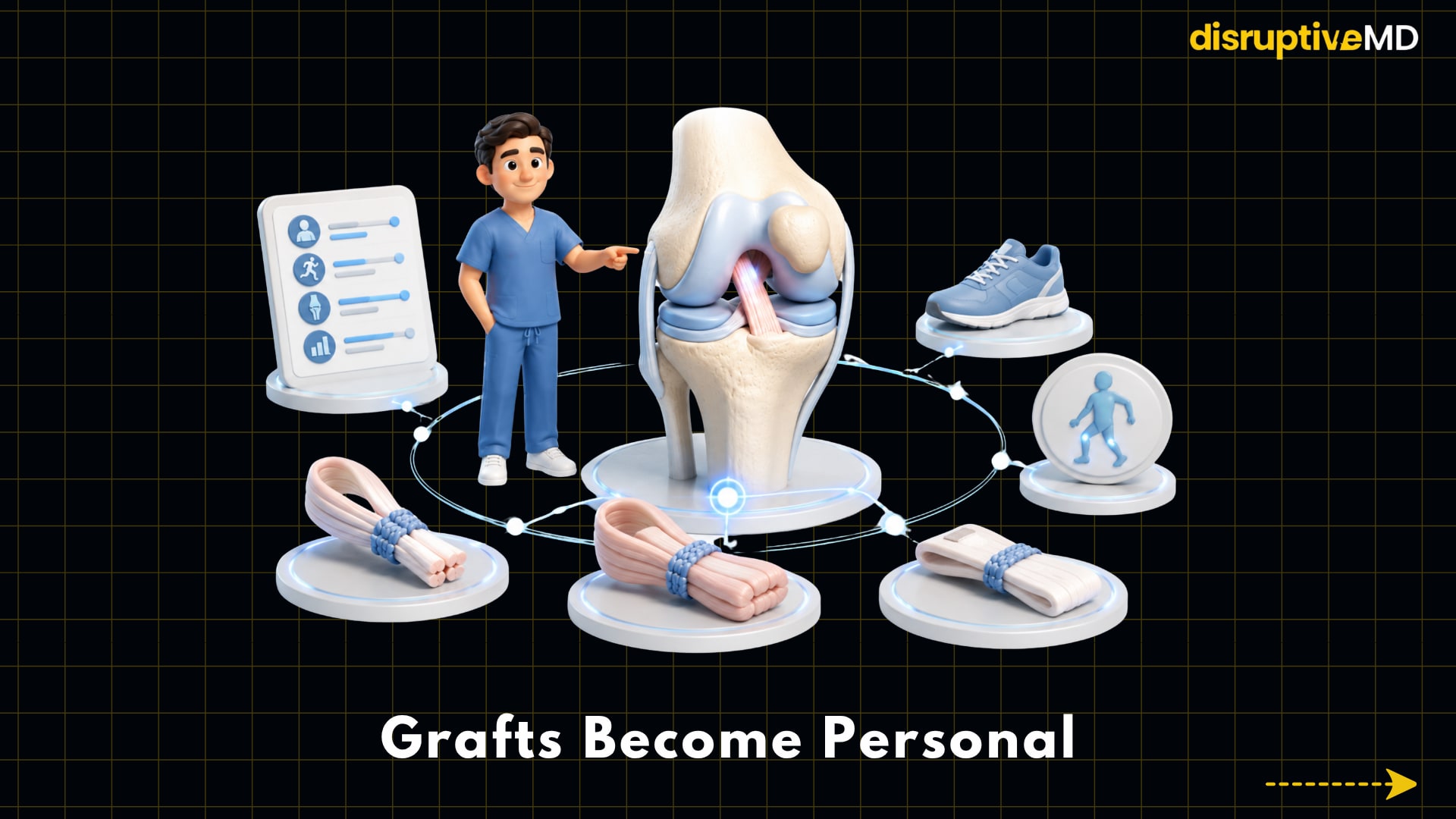
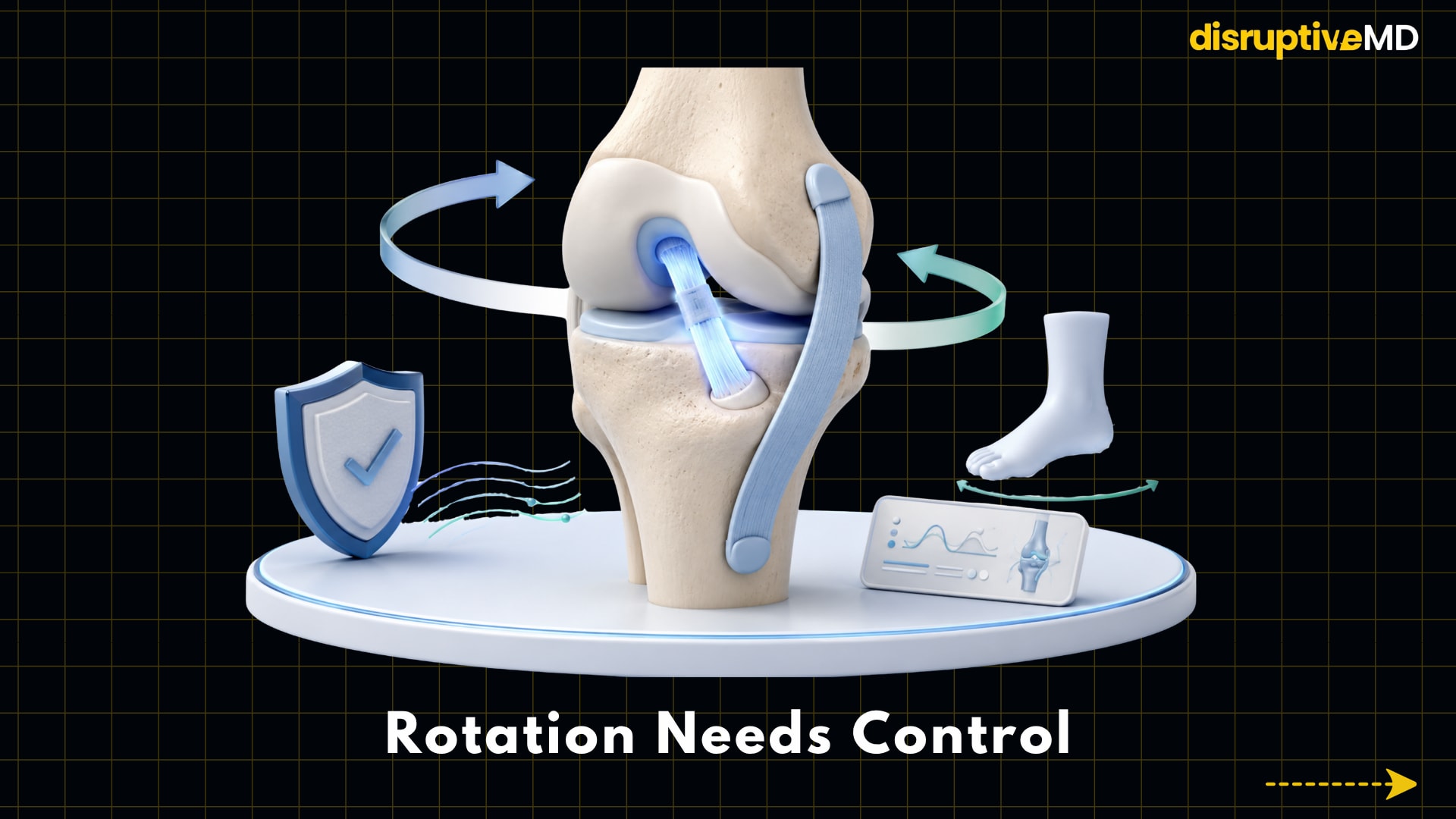
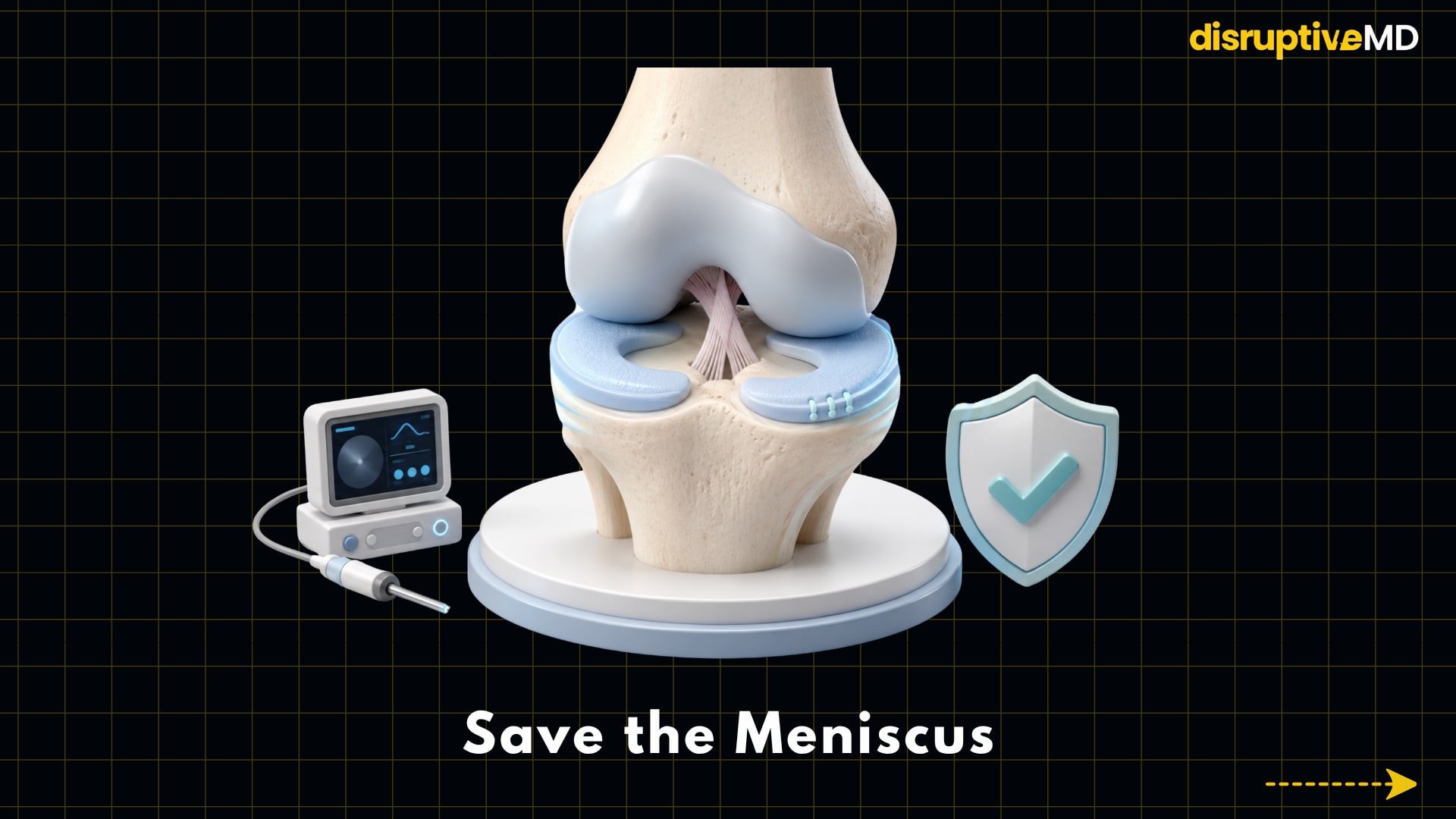
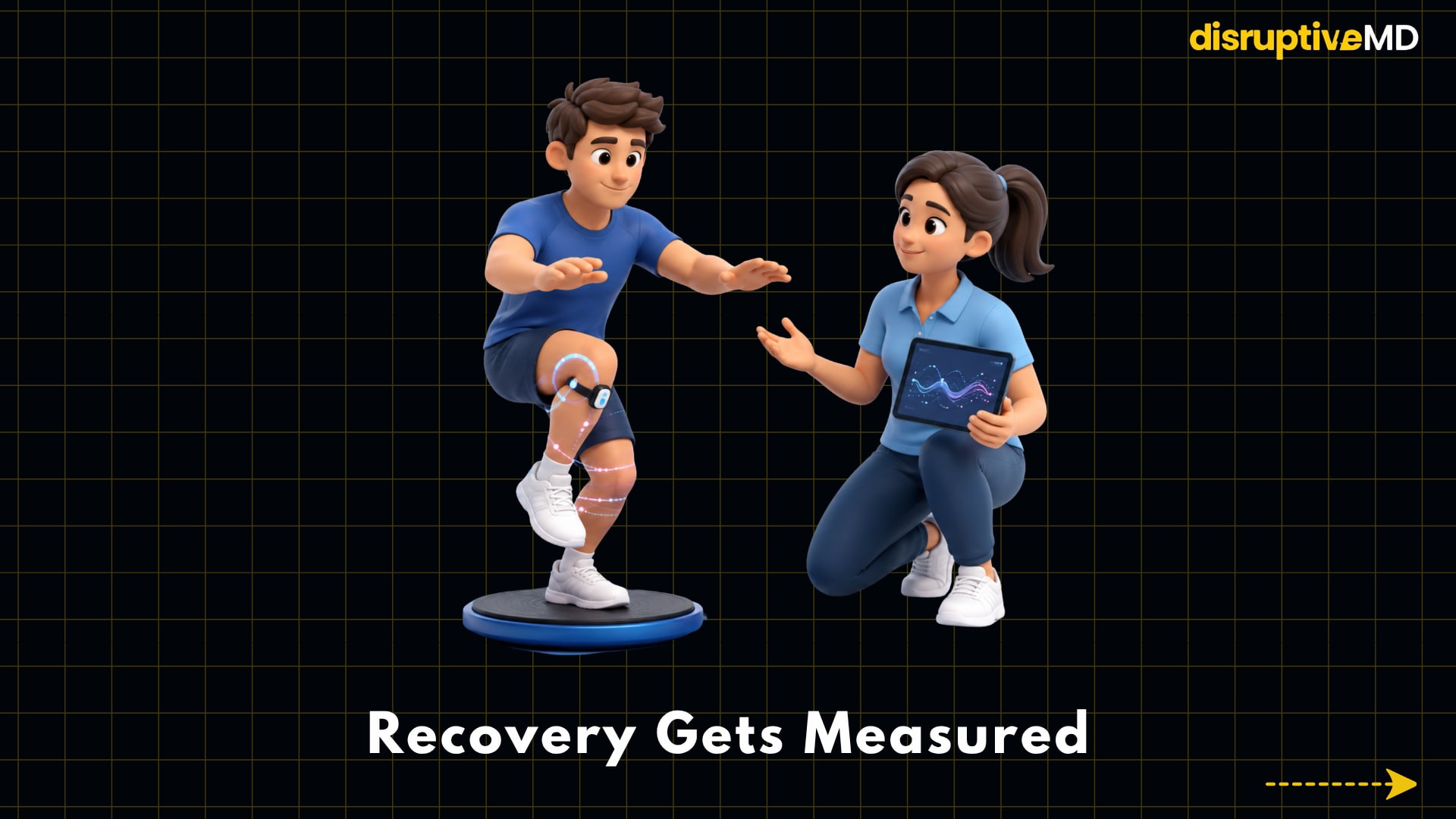

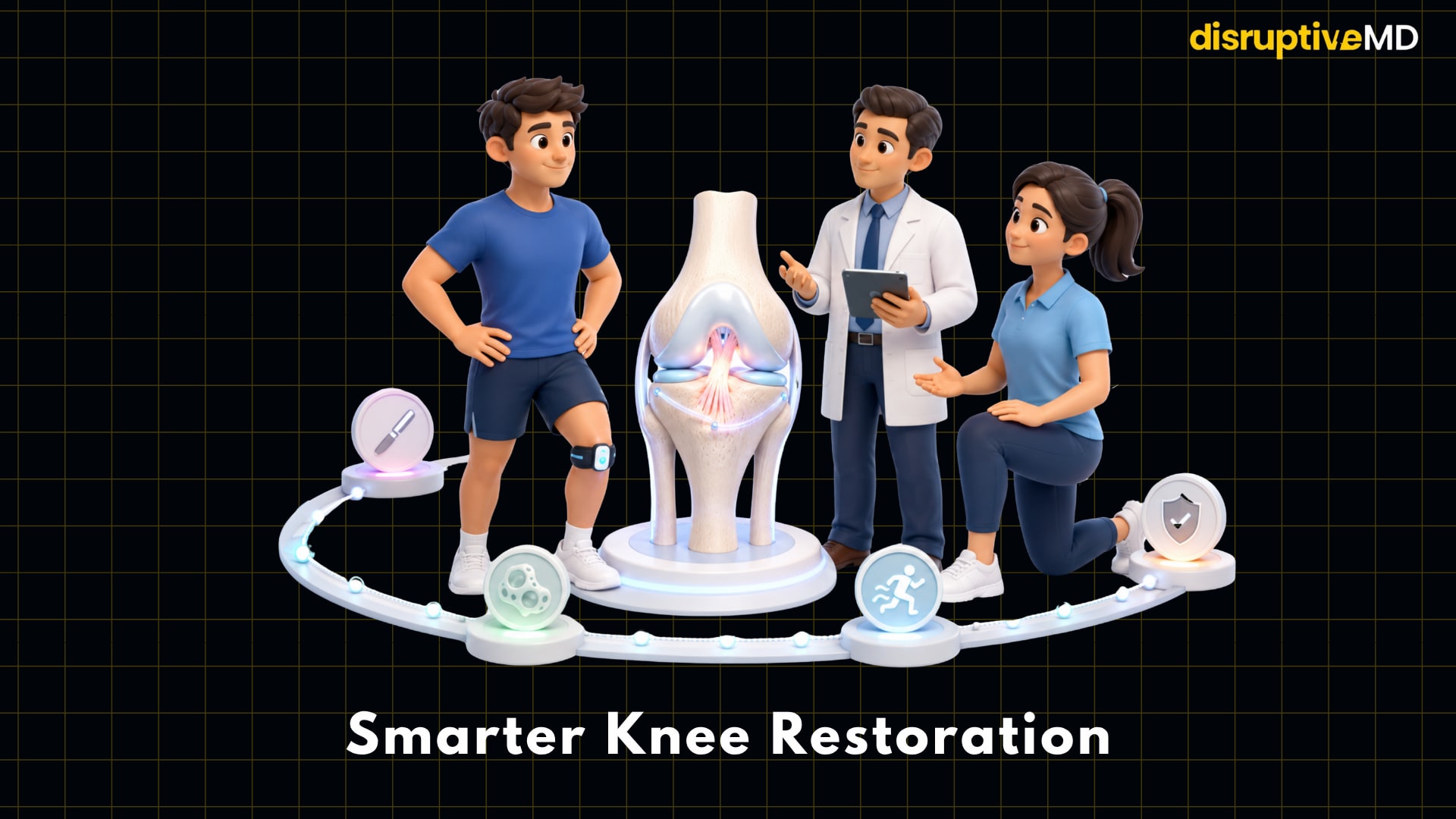
- ACL care now focuses on stability, healing, and safer movement.
- Modern surgery considers grafts, rotation, meniscus, and rehabilitation together.
- The goal is smarter recovery, not just ligament replacement.
The Top 5 Advances Changing ACL Surgery
1. Biological ACL Repair: Helping the Torn Ligament Heal Instead of Replacing It/ Biological Repair and Reconstruction Options in ACL Surgery
Biological approaches in ACL surgery aim to improve how the injured ligament or graft heals, rather than treating the operation as only a mechanical replacement. In selected ACL tears, especially fresh tears with good remaining ligament tissue, surgeons may consider primary ACL repair, where the torn ligament is reattached instead of removed. This may be supported with suture augmentation or an internal brace, which acts like a protective support while the ligament heals. The idea is to preserve the patient’s own ACL tissue, including its natural nerve endings and position inside the knee, but this option is suitable only for carefully selected tear patterns and is not the standard choice for all ACL injuries. For many complete ACL tears, ACL reconstruction remains the more established option. In reconstruction, the damaged ligament is replaced with a graft, which is tissue used to create a new stabilising ligament. This graft may come from the patient’s own body, called an autograft, or from a donor, called an allograft. Common autograft choices include the hamstring tendon, bone–patellar tendon–bone graft, and quadriceps tendon graft. Each has advantages and limitations, so graft choice depends on age, sport, activity level, knee anatomy, previous surgery, and the surgeon’s assessment. Biological enhancement of ACL reconstruction is also being explored. This includes techniques designed to improve graft healing inside the bone tunnels, support ligamentisation, and protect the graft during early recovery. Ligamentisationmeans the graft slowly changes and remodels into tissue that behaves more like a ligament. Researchers have studied platelet-rich plasma, growth-factor strategies, scaffold-based support, and other orthobiologic methods, but the evidence is still mixed, and these should not be presented as guaranteed ways to speed recovery or prevent re-tear. The most practical message is that biological ACL surgery is not one single procedure. It is a spectrum: preserving the native ligament when possible, choosing the right graft when reconstruction is needed, protecting the meniscus and cartilage, and supporting healing through careful rehabilitation. The future of ACL surgery is likely to combine mechanical stability with better biological healing, but patient selection and long-term evidence remain essential.
2. Smarter Graft Choices: Moving Beyond the “One Graft Fits All” Model
Modern ACL reconstruction is becoming more personalised through better graft selection. A graft is the tissue used to replace the ACL, and common autograft options include hamstring tendon, bone–patellar tendon–bone, and quadriceps tendon. The quadriceps tendon has gained attention because it can provide a strong graft while potentially reducing some donor-site problems seen with other grafts, such as anterior knee pain after patellar tendon harvest or hamstring weakness after hamstring harvest. A 2024 systematic review and meta-analysis concluded that quadriceps tendon autograft is a safe and effective alternative for ACL reconstruction, although graft choice still depends on age, sport, anatomy, surgeon experience, and patient goals. This advance matters because ACL surgery is not only about making the knee stable on the operating table. It is about matching the graft to the person who must live with it. A teenage football player, a recreational runner, a professional dancer, and a middle-aged active adult may not need the same graft strategy. Evidence also suggests that allografts should be used carefully in young active patients because systematic reviews have found higher failure rates compared with autografts in children and adolescents. In clinical practice, smarter graft selection helps surgeons balance strength, healing biology, donor-site symptoms, re-tear risk, and return-to-sport demands.
3. Lateral Extra-Articular Tenodesis and Anterolateral Procedures: Controlling Rotation, Not Just Forward Movement
A major advance in ACL surgery is the return of lateral extra-articular tenodesis, or LET, and related anterolateral procedures. These procedures add support on the outer side of the knee to reduce excessive rotation, especially the pivot shift, which is the unstable giving-way movement that can happen when the knee twists. Standard ACL reconstruction mainly restores central ligament stability, but some high-risk patients continue to have rotational instability. LET works like an additional side restraint, helping control twisting forces that can overload the ACL graft. The strongest evidence comes from the STABILITY randomized clinical trial, which studied young active patients at high risk of graft failure. In that trial, adding LET to hamstring autograft ACL reconstruction reduced graft rupture from 11% in the ACL reconstruction-only group to 4% in the ACL reconstruction plus LET group at two years, without showing higher infection or effusion rates, although hardware removal was more common in the LET group. This matters because the advance is not simply “more surgery.” It is risk-based surgery, used mainly when patients have high-grade pivot shift, generalized ligamentous laxity, return to pivoting sports, or other features that increase failure risk.
4. Meniscus Preservation During ACL Surgery: Protecting the Knee’s Shock Absorber
Modern ACL surgery increasingly treats the meniscus as a central part of the operation rather than a secondary finding. The meniscus is a C-shaped cartilage structure that acts like a shock absorber and stabiliser inside the knee. ACL tears often occur with meniscus injuries, including ramp lesions, which are tears near the back attachment of the medial meniscus that can be missed unless carefully inspected during arthroscopy. Arthroscopy means using a small camera inside the joint. This matters because untreated meniscus damage can affect stability, pain, future cartilage wear, and long-term knee health. The disruptive shift is from removing damaged meniscus tissue toward repairing and preserving it when possible. A 2024 systematic review reported that meniscal repair performed together with ACL reconstruction had a lower failure rate than some other meniscal repair settings, supporting the idea that the biological environment of ACL reconstruction may help meniscus healing. However, the evidence is not simple: stable ramp lesions may not always require repair, while unstable lesions often need surgical treatment. In real-world practice, the goal is not to repair every tear automatically but to identify which meniscus injuries threaten knee stability and long-term joint preservation.
5. Digital Rehabilitation, Wearables, and AI-Guided Return-to-Sport Decisions
The final advance is not inside the knee; it is in the recovery system around the surgery. Digital rehabilitation uses apps, sensors, remote monitoring, or structured online programs to support physiotherapy after ACL reconstruction. Wearable sensors can measure movement patterns, limb loading, walking symmetry, jump mechanics, and exercise adherence. Artificial intelligence, or AI, can help analyse large movement datasets and identify patterns that may be difficult to see during a short clinic visit. This matters because ACL surgery does not succeed in the operating room alone; it succeeds when strength, coordination, confidence, and sport-specific control are rebuilt safely. Return-to-sport testing is also becoming more objective. Traditional clearance based mainly on time after surgery is being replaced by criteria such as quadriceps strength symmetry, hop testing, landing control, agility, psychological readiness, and sport-specific movement quality. A 2025 review found major variability in return-to-sport criteria, with many protocols using limb symmetry indexes of 90% or more for strength and hop performance, but with less consistent assessment of agility, biomechanics, and change-of-direction control. The key limitation is that digital tools and AI models still need stronger validation across different ages, sports, body types, and healthcare settings before they can reliably guide individual return-to-play decisions.
Evidence and Real-World Meaning
The most established part of ACL surgery remains ACL reconstruction itself, supported by clinical guidelines and decades of surgical use. The American Academy of Orthopaedic Surgeons guideline addresses ACL injury management in both skeletally immature and skeletally mature patients and supports evidence-based decision-making around diagnosis, treatment, graft choice, and rehabilitation. In practical terms, this means surgery is not chosen only because an MRI shows a tear; it is chosen based on instability, age, activity level, associated injuries, sport demands, and patient goals. The strongest disruptive surgical evidence is currently for adding lateral extra-articular support in selected high-risk patients and for improving graft selection. LET has randomized trial evidence showing lower graft rupture in young active patients, while quadriceps tendon autograft has growing systematic-review support as a strong alternative graft option. BEAR represents the most biologically different approach because it attempts restoration rather than replacement, but its evidence base is still smaller and more selective than traditional reconstruction. Digital rehabilitation and AI-guided recovery are promising, but they remain more variable because tools, datasets, outcome measures, and clinical workflows differ widely across studies.
Limitations, Risks, and Unanswered Questions
The biggest limitation in ACL innovation is that improved technology does not remove biological healing time. A stronger graft, an added LET, a biological scaffold, or a digital rehab app cannot instantly restore neuromuscular control, graft maturation, confidence, or sport-specific reaction speed. Return-to-sport decisions remain complex because strength, hop distance, landing mechanics, fatigue, psychological readiness, and sport exposure all influence re-injury risk. Current reviews show that return-to-sport testing is inconsistent, and no single test can perfectly predict who will safely return to high-demand sport. Each advance also has specific uncertainties. BEAR requires careful patient selection and longer-term data. LET may reduce graft rupture in high-risk groups but can add surgical complexity and may increase the chance of hardware removal. Quadriceps tendon grafts are promising but require appropriate harvesting technique and rehabilitation planning. Meniscus repair protects tissue but may require more restricted early rehabilitation and can still fail. Digital and AI tools may improve monitoring, but they must prove accuracy, equity, privacy protection, and clinical usefulness before becoming routine in all health systems.
Conclusion
The future of ACL surgery is moving from simple ligament replacement toward intelligent knee restoration. The most important advances are not only newer implants or surgical tricks; they are better decisions: when to repair, when to reconstruct, which graft to use, when to add rotational support, how to protect the meniscus, and how to measure readiness for sport. For patients, this means treatment may become more personalised. For clinicians, it means ACL care increasingly requires surgical precision, rehabilitation science, biomechanics, and data interpretation working together. The realistic promise is not a risk-free return to sport, but a more thoughtful pathway that reduces avoidable failure and protects the knee over a lifetime.
Evidence Rating
Mixed or limited evidence. Traditional ACL reconstruction is guideline-supported and widely established. LET in selected high-risk patients has strong randomized clinical trial evidence. Quadriceps tendon graft use has growing systematic-review support. BEAR and suture/biological repair approaches are clinically available in selected settings but still need broader long-term evidence. Digital rehabilitation, wearables, and AI-guided return-to-sport tools are promising but remain unevenly validated across real-world populations. Educational Disclaimer This article is for educational purposes only and is not a substitute for professional medical advice, diagnosis, rehabilitation planning, or surgical decision-making. ACL treatment should be discussed with a qualified orthopaedic surgeon, sports medicine clinician, or physiotherapist based on the individual injury pattern, activity goals, imaging findings, and overall health.
References
- American Academy of Orthopaedic Surgeons. Management of Anterior Cruciate Ligament Injuries Clinical Practice Guideline, 2022.
- Getgood AMJ, et al. STABILITY Study: Lateral extra-articular tenodesis with ACL reconstruction in young active patients. American Journal of Sports Medicine, 2020.
- Bosco F, et al. Combined ACL reconstruction and anterolateral complex procedures: systematic review and meta-analysis of randomized trials. American Journal of Sports Medicine, 2024.
- Zhang XF, et al. Quadriceps tendon autograft versus other grafts in ACL reconstruction: systematic review and meta-analysis. 2024.
- U.S. FDA. BEAR Bridge-Enhanced ACL Repair Implant De Novo classification, DEN200035.
- Fleming BC, et al. Bridge-enhanced anterior cruciate ligament restoration: 6-year results and clinical outcomes review. 2024.
- Nukuto K, et al. Meniscus tears in the setting of ACL injury: biomechanics, diagnosis, and treatment options.2024.
- Welling W, et al. Return to sport after ACL reconstruction in 2024. 2024.
- Wright A, et al. Return-to-sport tests and criteria following ACL reconstruction. 2025.