
What if mental health treatment could be guided by biology instead of months of guessing?
Psychiatry has always worked with something other medical specialties cannot easily measure - the inner human experience.
Diagnosis depends on symptoms, clinical interviews, behaviour, personal history, relationships, environment and changes over time. These remain essential because no blood test or brain scan can fully explain grief, trauma, fear, motivation, identity or meaning.
But psychiatry is now entering a more measurable era.
Researchers are studying genetics, blood markers, brain circuits, electrical brain activity, sleep, speech, movement and smartphone behaviour to understand why two patients with the same diagnosis may respond very differently to the same treatment.
This emerging field is called precision psychiatry. Its goal is not to replace psychiatrists or therapists. It is to reduce the amount of time patients spend moving from one treatment to another without knowing which is most likely to work.
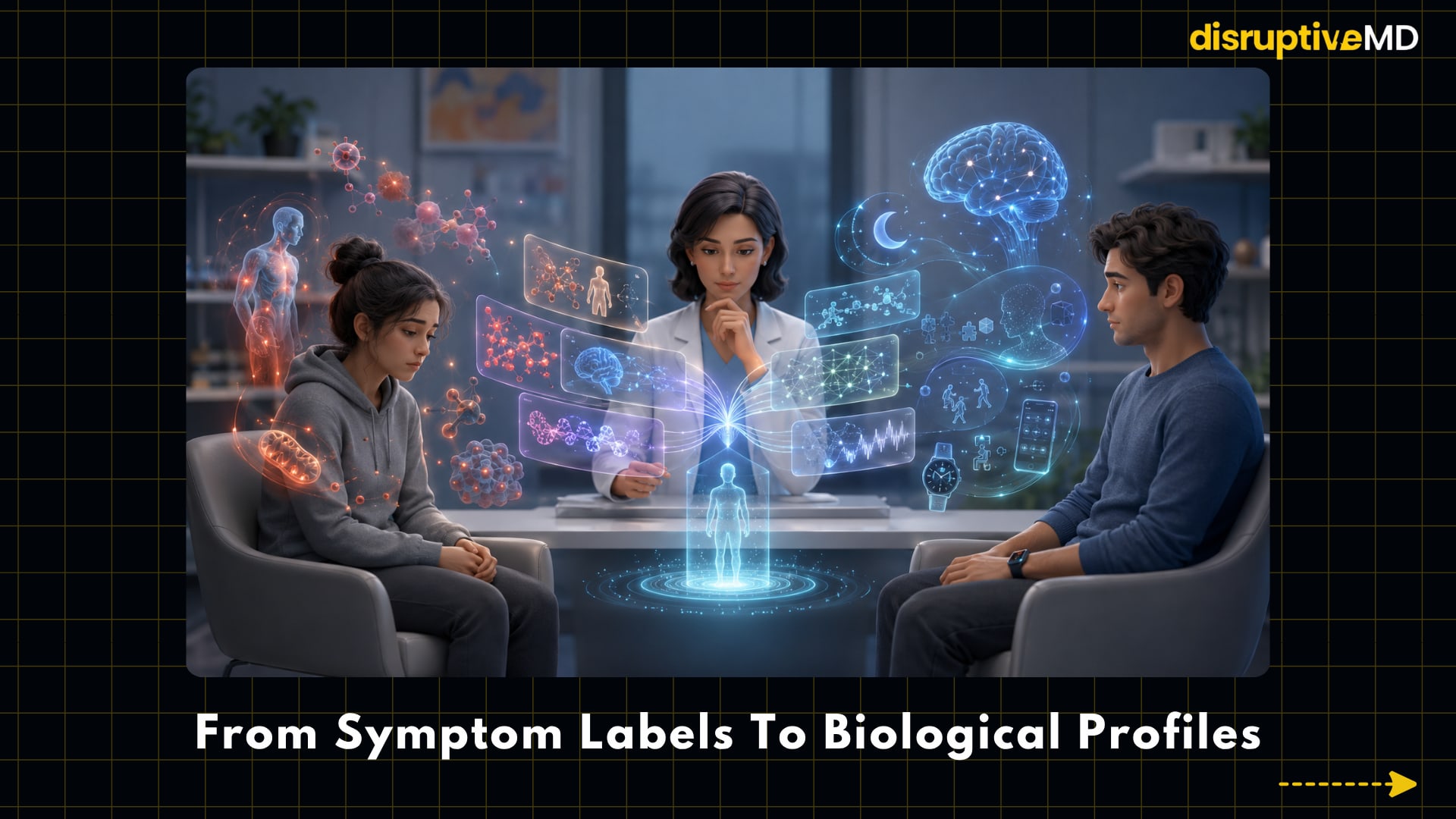

- Two people with the same diagnosis can have very different biological and behavioural patterns.
- Biomarkers may help reveal disease mechanisms, treatment response, relapse risk and medication safety.
- The future may combine symptoms, clinical history, biology, cognition, behaviour and real-world data into one profile.
FROM SYMPTOM LABELS TO BIOLOGICAL PROFILES
Two people may both meet the diagnostic criteria for depression, yet one may primarily experience inflammation-related fatigue, while the other may experience disrupted reward processing, severe circadian disturbance, or symptoms driven by trauma or anxiety.
A single psychiatric diagnosis can therefore contain several different biological and behavioural patterns.
Precision psychiatry attempts to identify these differences using biomarkers; these are measurable characteristics that may indicate disease mechanisms, treatment response, relapse risk or medication safety.
The most likely future is not one revolutionary depression test. It is a multimodal profile combining symptoms, clinical history, biology, cognition, behaviour and real-world data. Researchers increasingly argue that psychiatric complexity will require combinations of biomarkers rather than one isolated measurement.
PHARMACOGENOMICS: USEFUL, BUT NOT A “BEST MEDICATION” TEST
Pharmacogenomics examines how genetic differences influence the way medications are processed.
Variants in genes such as CYP2D6, CYP2C19 and CYP2B6 can affect the metabolism of certain antidepressants. A person who metabolises a medication unusually slowly may develop higher drug concentrations and more side effects, while a rapid metaboliser may receive insufficient exposure at a standard dose.
Clinical pharmacogenomic guidelines can help clinicians interpret existing genetic results when adjusting the dose or selection of certain serotonin-reuptake antidepressants. However, these guidelines do not claim that genetics can reliably identify the perfect antidepressant for every patient.
Large controlled studies have generally found that commercial pharmacogenomic decision tools may reduce prescribing of medications with predicted gene-drug interactions, but they have not consistently produced major or lasting improvements in antidepressant outcomes. Pharmacogenomics is therefore most useful as one clinical input, especially for metabolism and tolerability, and not as a stand-alone answer.
BLOOD BIOMARKERS AND THE INFLAMMATORY SUBTYPE OF DEPRESSION
Researchers are investigating inflammatory proteins, immune signals, cortisol, metabolic markers, neurotrophic factors, gene expression and epigenetic changes.
One of the most compelling areas is immunopsychiatry.
Some people with depression or bipolar disorder show elevated inflammatory activity, including changes in C-reactive protein and cytokine signalling. Inflammation may interact with fatigue, sleep, pain, appetite, motivation, cognition and metabolic health.
However, elevated inflammation is not specific to psychiatric illness. It can also reflect infection, obesity, autoimmune disease, smoking, poor sleep, medication use and numerous other conditions. Studies have also found substantial variation between individuals and mood states.
The emerging idea is not that inflammation “causes all depression.” It is that an inflammatory subtype may exist within a larger and biologically diverse condition.
Future blood panels may help identify these subgroups, but there is currently no routine blood test that can diagnose depression, bipolar disorder, PTSD or schizophrenia on its own.
BRAIN-CIRCUIT BIOMARKERS
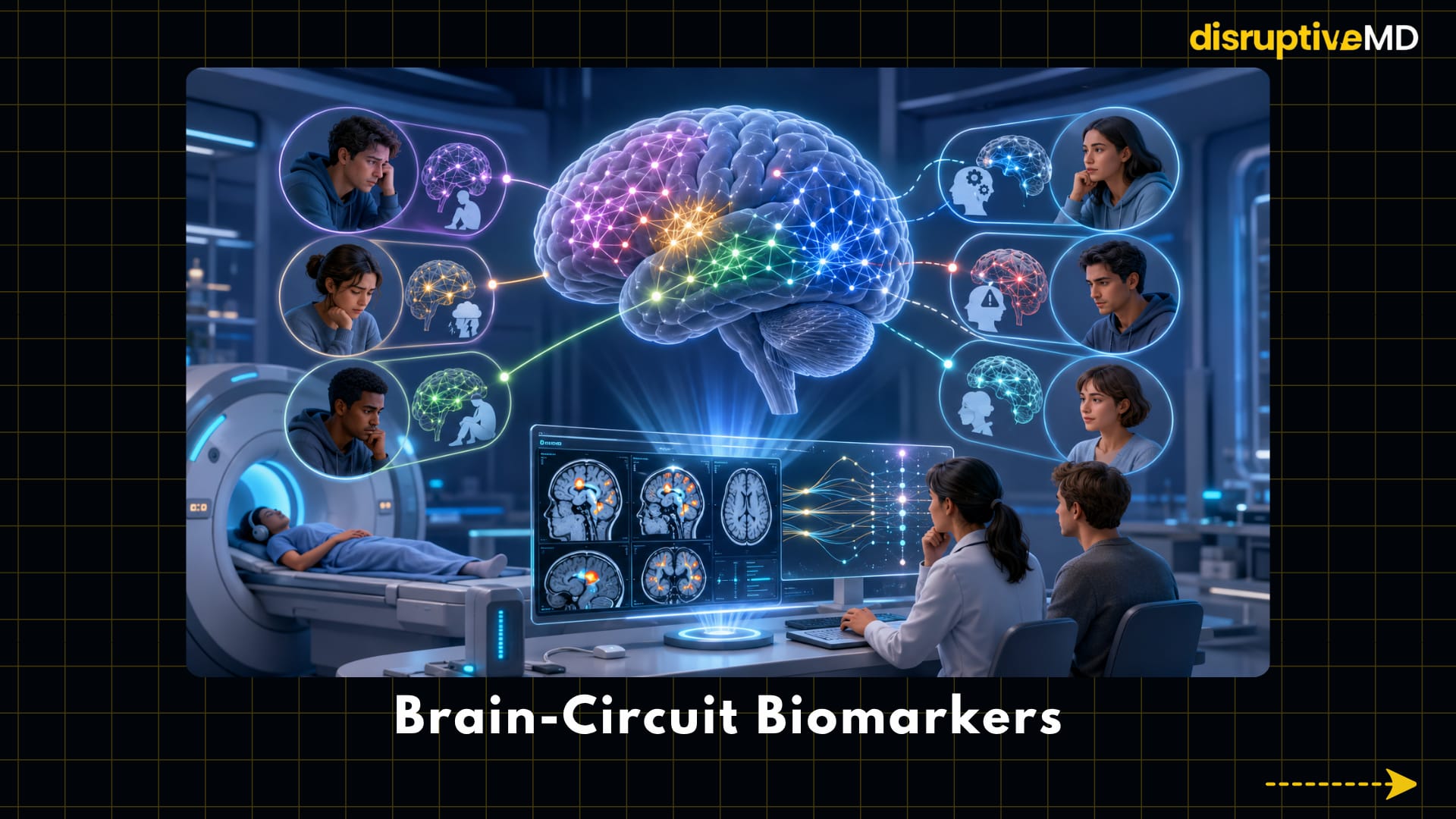
Functional MRI and other neuroimaging methods can examine networks involved in reward, attention, cognitive control, threat processing, emotional regulation and self-focused thinking.
In a major 2024 study, researchers analysed standardised brain-imaging data from 801 people with depression and anxiety and identified six brain-circuit “biotypes.” These groups differed in symptoms, cognitive performance and responses to medication or behavioural therapy.
This suggests that future psychiatry may classify some patients according to dysfunctional circuits, rather than relying only on broad diagnostic labels.
But brain imaging is far from becoming a psychiatric diagnostic test.
Another large study involving 1,801 participants tested millions of machine-learning models across different neuroimaging modalities. Its best individual-level accuracy for distinguishing depression from healthy controls was only 62%. The researchers concluded that no sufficiently informative diagnostic biomarker for individual patients had been identified.
The brain contains valuable signals, but extracting clinically reliable answers from them remains extremely difficult.
EEG, BRAINWAVES AND CIRCUIT-GUIDED TREATMENT
EEG records electrical brain activity through electrodes placed on the scalp. It is less expensive and more scalable than functional MRI, making it attractive for treatment-response prediction.
Researchers are studying EEG patterns associated with brain arousal, attention, cognitive control, sleep disruption and response to antidepressants, ketamine or brain stimulation.
EEG may become particularly valuable when combined with transcranial magnetic stimulation, or TMS.
TMS delivers magnetic pulses to targeted brain networks and is already used for conditions including treatment-resistant depression. The futuristic step is to use brain data to determine:
- who is most likely to respond;
- which circuit should be targeted;
- how stimulation should be delivered;
- and whether the brain is changing during treatment.
A 2026 study reported an EEG-derived measure that prospectively predicted certain clinical and cognitive outcomes following personalised TMS. This is an important proof of concept, but the study remains early and requires broader independent validation before such testing can become routine.
SLEEP MAY BECOME THE MOST PRACTICAL PSYCHIATRIC BIOMARKER
Sleep is deeply connected to depression, anxiety, PTSD, bipolar disorder, psychosis, cognition and suicide risk.
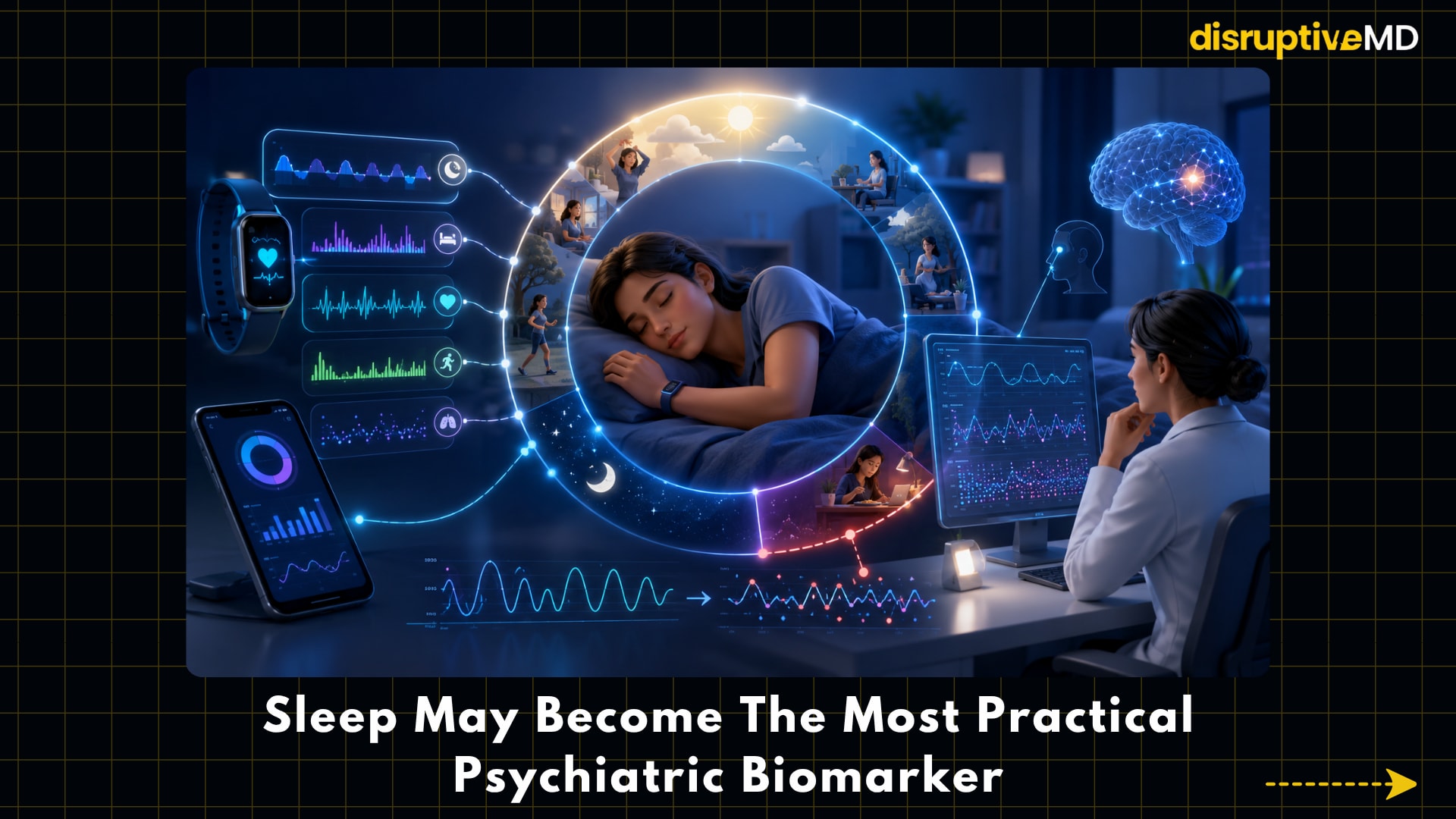
Unlike many laboratory biomarkers, sleep can be measured continuously in real life.
Wearables and smartphones can track:
- sleep timing and duration;
- circadian rhythm stability;
- night-time awakenings;
- daily activity;
- heart rate;
- and changes in routine.
A 2024 prospective study followed 168 patients with mood disorders and used sleep and circadian features to predict next-day depressive, manic and hypomanic episodes. The results were promising, particularly for detecting shifts in circadian timing, although such models still require external validation and careful clinical integration.
Sleep data may therefore become an early-warning signal, not because a wearable can diagnose a psychiatric disorder, but because sudden deviation from a patient’s normal pattern may indicate that their mental state is changing.
DIGITAL BIOMARKERS: MENTAL HEALTH BETWEEN CLINIC VISITS
Traditional psychiatric assessment captures a patient during a limited clinical appointment.
Digital biomarkers attempt to understand what happens during the remaining hours, days and weeks.
With permission, smartphones and wearables could measure changes in:
- movement and activity;
- sleep and circadian rhythm;
- social withdrawal;
- typing behaviour;
- screen use;
- location variability;
- voice and speech;
- heart-rate variability;
- and daily routines.
The most useful digital biomarker may not be a comparison with the general population. It may be a comparison with the patient’s own baseline.
For example, reduced sleep, increased night-time activity and rapidly changing routines may indicate emerging mania. Increasing sleep, declining movement and social withdrawal may precede a depressive relapse.
The technology could allow care teams to intervene earlier before a subtle change becomes a psychiatric crisis.
SPEECH AND VOICE AS BIOMARKERS
Mental state can influence speaking rate, pitch, pauses, energy, vocabulary, sentence structure and coherence.
AI systems are being trained to detect patterns associated with depression, cognitive slowing, mania, negative symptoms and psychosis.
In a 2025 study involving more than 1,100 participants, researchers used short remotely collected speech samples to distinguish several mental-health groups with encouraging accuracy. However, diagnoses were partly self-reported, collection methods require standardisation and the system still needs clinical validation in real-world populations.
Voice analysis therefore remains a research tool, and not a psychiatric lie detector or an automatic diagnostic system.
It also creates serious questions about consent, surveillance and ownership. A voice recording contains far more than a mental-health signal; it can reveal identity, language, location, background and highly personal information.
AI-BASED TREATMENT MATCHING
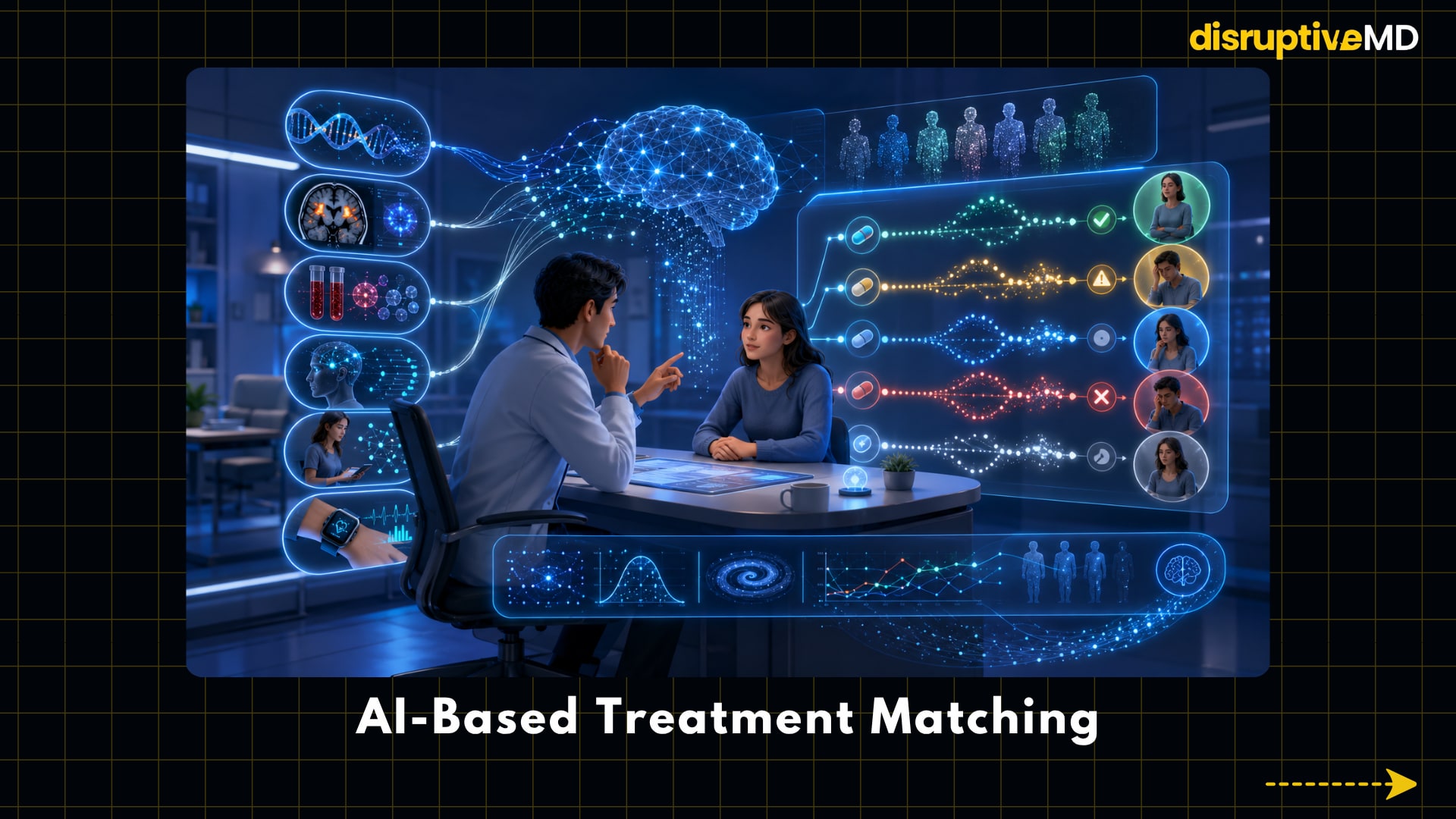
No human clinician can manually integrate thousands of genetic, imaging, laboratory, cognitive, behavioural and wearable variables.
AI may eventually combine these signals to estimate:
- likely treatment response;
- side-effect risk;
- relapse probability;
- treatment-resistant illness;
- and the need for closer monitoring.
The real opportunity is clinical decision support, not autonomous psychiatric diagnosis.
A major step arrived in 2026 with a prospective precision-medicine trial that used clinical measures, cognitive testing and brain connectivity to guide assignment between sertraline and bupropion. The biomarkers appeared to contain a broader signal associated with treatment responsiveness. However, patients assigned to the medication indicated by their biomarker did not improve significantly more than patients given the biomarker-inconsistent medication. The study was small, but its findings demonstrate how difficult true medication matching remains.
Precision psychiatry has therefore moved from theory into prospective clinical trials,but it has not yet ended trial-and-error prescribing.
BEYOND DEPRESSION
Biomarker research is expanding across:
- bipolar disorder;
- anxiety disorders;
- PTSD;
- schizophrenia and psychosis;
- ADHD;
- substance-use disorders;
- eating disorders;
- suicide-risk research;
- and treatment-resistant mental illness.
The long-term shift may also become transdiagnostic.
Instead of asking only whether someone has depression or anxiety, clinicians may increasingly ask which systems are disrupted: reward processing, threat response, cognition, sleep, inflammation, stress regulation or social functioning.
This could reveal biological similarities between patients carrying different diagnoses, and important differences between patients carrying the same one.
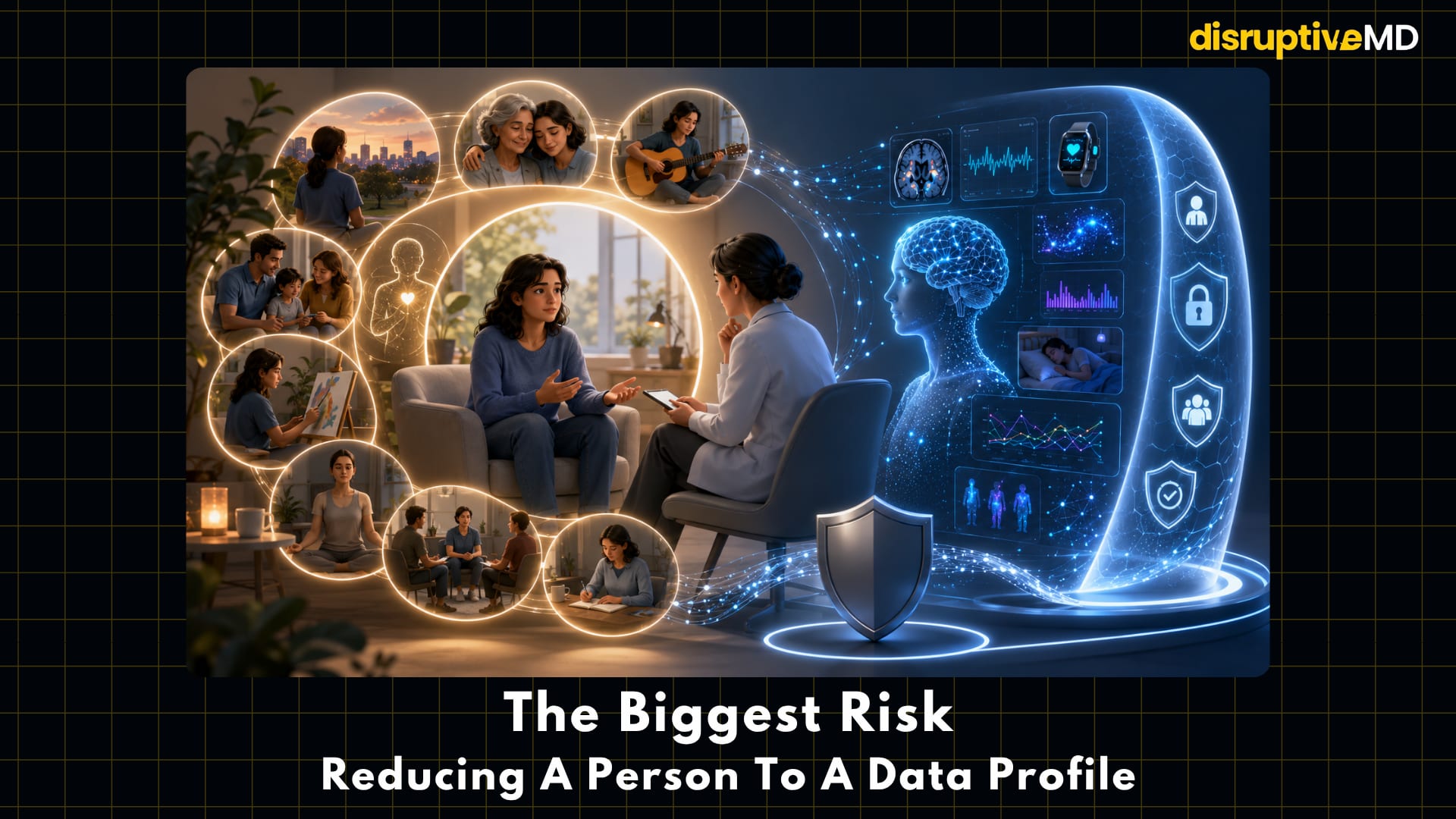
THE BIGGEST RISK: REDUCING A PERSON TO A DATA PROFILE
Mental health is biological, but it is not only biological.
It is also psychological, social, environmental, cultural and deeply personal.
A biomarker may identify inflammation, sleep disruption or altered circuit activity. It cannot independently explain trauma, loneliness, financial stress, discrimination, family conflict or the meaning a person attaches to an experience.
Digital monitoring also creates risks involving privacy, cybersecurity, algorithmic bias and surveillance. Models developed on narrow populations may perform poorly across different languages, ethnic groups, cultures, ages and socioeconomic settings.
The goal must be to provide clinicians with more context, not to replace human context with a score.
FACT BASE
- Psychiatric diagnoses remain primarily clinical and are based on symptoms, history, behaviour, functioning and professional assessment.
- Pharmacogenomic testing can provide clinically relevant information about the metabolism and dosing of selected psychiatric medications.
- Current pharmacogenomic tests cannot reliably identify the best antidepressant for every patient.
- Brain imaging, EEG, inflammatory markers, speech analysis and digital biomarkers have produced promising research signals, but most are not validated for routine individual diagnosis.
- Sleep and activity monitoring may become practical tools for detecting changes from a patient’s normal baseline.
- Brain-circuit and multimodal biomarkers are beginning to enter prospective treatment trials.
- No single biomarker currently captures the full biological and clinical complexity of a mental-health disorder.
WHAT IS POSSIBLE TODAY?
Pharmacogenomic information can assist with selected medication-metabolism and dosing decisions.
Wearables can measure sleep, movement, heart rate and circadian patterns, while patients and clinicians can use these measurements to support symptom monitoring.
EEG and brain imaging can identify research-level patterns associated with mental-health conditions and treatment response.
TMS can already be delivered using anatomical or neuroimaging-guided targeting, although reliable biomarker-based patient selection is not yet standard practice.
AI can analyse complex psychiatric datasets and identify patterns that may be difficult for humans to detect.
Most importantly, clinical interviews, patient history, validated symptom scales, therapeutic relationships and professional judgement remain the foundation of psychiatric care.
WHAT IS NOT FULLY REAL YET?
There is currently no:
- single blood test that diagnoses depression;
- perfect brain scan for anxiety or bipolar disorder;
- universal genetic test that selects the best psychiatric medication;
- wearable that can accurately read emotions independently;
- validated AI system that can replace a psychiatrist;
- or biomarker capable of capturing the complete human experience.
The likely future is not one definitive test. It is a carefully validated combination of biological, clinical and behavioural signals interpreted by trained professionals.
KEY TAKEAWAY
The future of psychiatry is not cold, robotic or purely data-driven.
It is potentially more precise, more preventive and more personal.
Biomarkers could help psychiatry move from “Let’s try this and see what happens” to “Here is what your symptoms, biology, behaviour and brain data suggest may work best.”
But that transition will require large trials, diverse populations, transparent algorithms, strong privacy protections and proof that biomarker-guided decisions genuinely improve patient outcomes.
REFERENCES
- Kas MJH, et al. Precision psychiatry roadmap: towards a biology-informed framework for mental disorders. Molecular Psychiatry. 2025. DOI: 10.1038/s41380-025-03070-5
- Bousman CA, et al. Clinical Pharmacogenetics Implementation Consortium Guideline for CYP2D6, CYP2C19, CYP2B6, SLC6A4 and HTR2A Genotypes and Serotonin Reuptake Inhibitor Antidepressants. Clinical Pharmacology & Therapeutics. 2023;114(1):51–68. DOI: 10.1002/cpt.2903
- Frye MA, Nemeroff CB. Pharmacogenomic testing for antidepressant treatment selection: lessons learned and roadmap forward. Neuropsychopharmacology. 2024;49:282–284. DOI: 10.1038/s41386-023-01667-4
- Tozzi L, et al. Personalized brain circuit scores identify clinically distinct biotypes in depression and anxiety. Nature Medicine. 2024;30:2076–2087. DOI: 10.1038/s41591-024-03057-9
- Winter NR, et al. A systematic evaluation of machine learning–based biomarkers for major depressive disorder. JAMA Psychiatry. 2024;81(4):386–395. DOI: 10.1001/jamapsychiatry.2023.5083
- Poletti S, et al. Inflammatory mediators in major depression and bipolar disorder. Translational Psychiatry. 2024;14. DOI: 10.1038/s41398-024-02921-z
- Lim D, et al. Accurately predicting mood episodes in mood disorder patients using wearable sleep and circadian rhythm features. npj Digital Medicine. 2024;7:324. DOI: 10.1038/s41746-024-01333-z
- Olah J, et al. Detecting schizophrenia, bipolar disorder, psychosis vulnerability and major depressive disorder from five minutes of online-collected speech. Translational Psychiatry. 2025;15:241. DOI: 10.1038/s41398-025-03433-0
- Wan L, et al. An EEG-based digital biomarker for personalizing transcranial magnetic stimulation in major depressive disorder. npj Digital Medicine. 2026. DOI: 10.1038/s41746-026-02603-8
- Zhukovsky P, et al. A precision medicine trial of bupropion and sertraline for major depressive disorder using a biomarker-guided sequential multiple-assignment design. Nature Mental Health. 2026. DOI: 10.1038/s44220-026-00671-z