
The Regenerative Medicine Confusion
Regenerative medicine has become one of the most attractive ideas in modern musculoskeletal care.
The promise sounds powerful: instead of only reducing pain, suppressing inflammation, or repairing damaged tissue surgically, what if medicine could help the body heal itself more intelligently?
That idea has created huge interest in orthopaedics, sports medicine, tendon injuries, osteoarthritis, cartilage damage, ligament injuries, muscle injuries, and even spine-related pain. Patients want less invasive options. Athletes want faster recovery. Clinicians want treatments that do more than temporarily hide symptoms.
But there is a problem.
The word “regenerative” is now used so widely that it often creates more confusion than clarity.
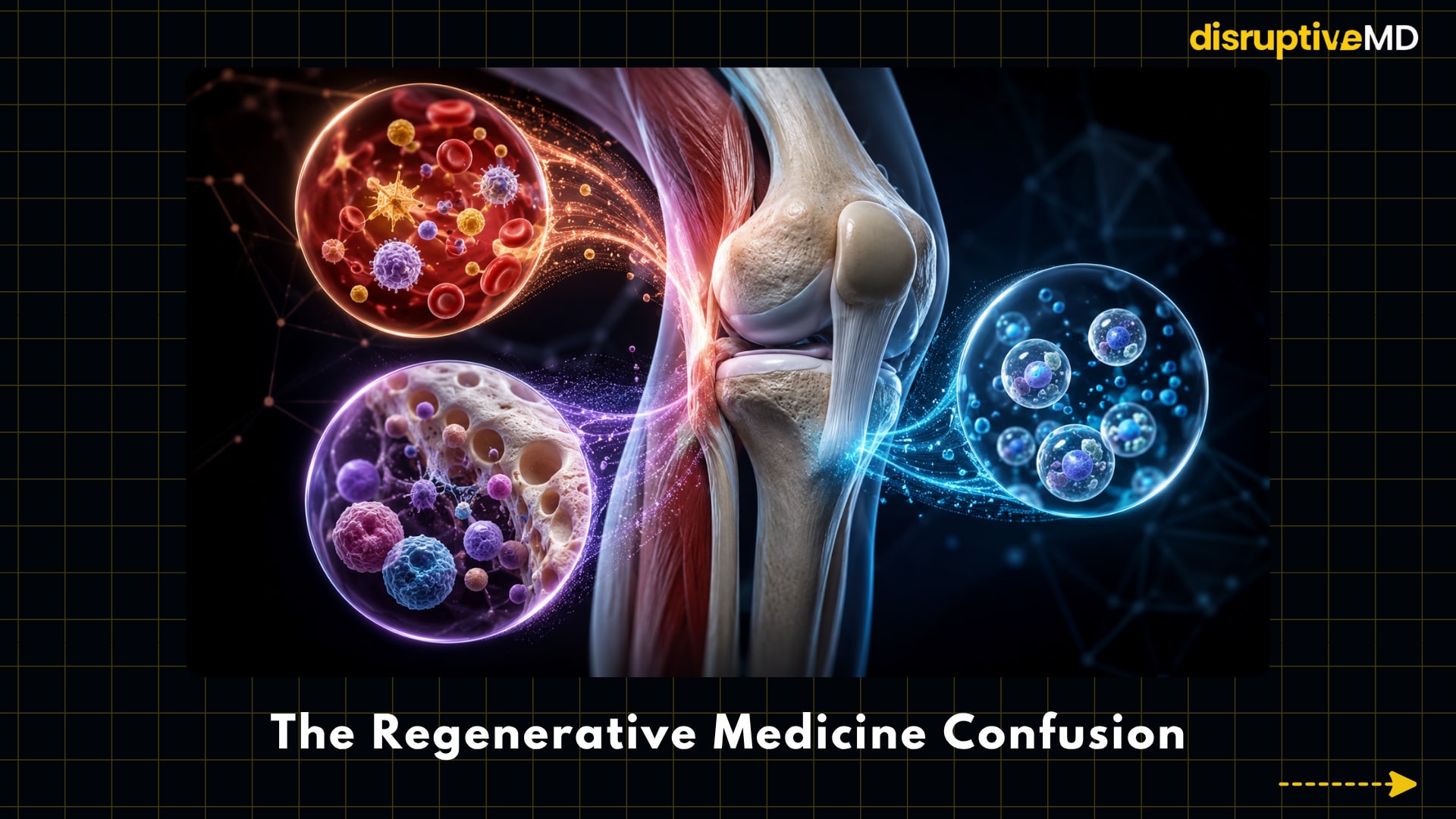
PRP, BMAC, and exosomes are often placed under the same regenerative medicine umbrella, but they are not the same thing. They have different biology, different levels of clinical support, different preparation methods, different regulatory issues, and very different degrees of uncertainty.
PRP uses concentrated platelets from the patient’s own blood.
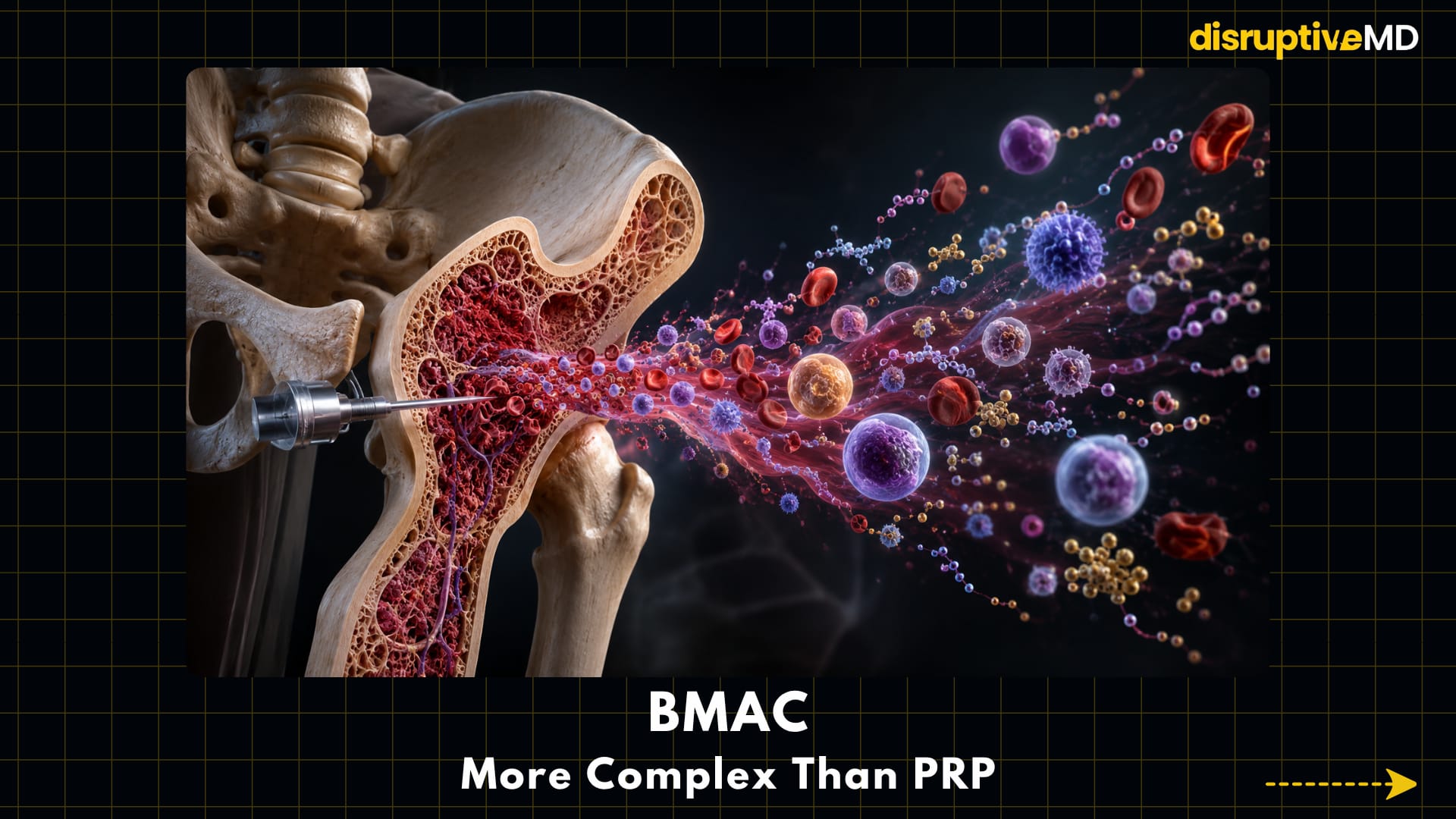
BMAC uses concentrated bone marrow aspirate containing a mixture of cells, platelets, growth factors, immune cells, and signalling molecules.
Exosomes are tiny extracellular vesicles involved in cell-to-cell communication, but injectable exosome treatments for orthopaedic and sports medicine conditions remain surrounded by major questions about proof, safety, manufacturing, dosing, consistency, and regulation.
So the real question is not simply: Which one is regenerative?
The better question is: What is biologically plausible, what is clinically supported, what remains experimental, and what is being overmarketed?







- Regenerative medicine has become one of the most attractive ideas in modern musculoskeletal care.
- PRP, BMAC, and exosomes are often placed under the same regenerative medicine umbrella, but they are not the same thing.
The Problem with the word “Regenerative”
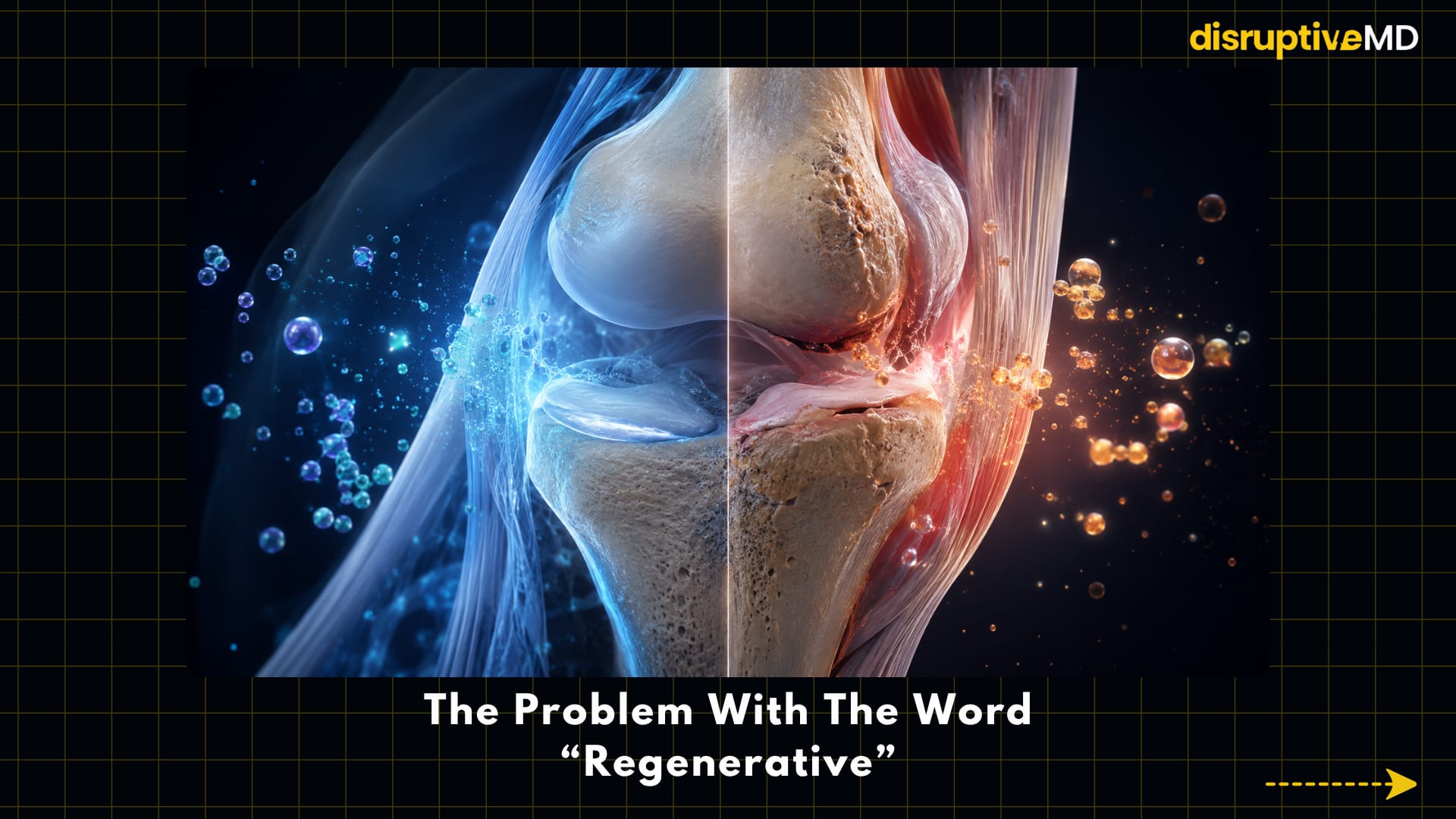
“Regenerative” sounds like damaged tissue is being rebuilt.
It suggests that cartilage will grow back, a tendon will become new again, a ligament will be restored, or a disc will regenerate. This is why the word is so powerful in marketing.
But in clinical practice, many orthobiologic treatments may influence pain, inflammation, immune signalling, and the local healing environment. That does not automatically mean they reliably regrow cartilage, tendon, ligament, muscle, or disc tissue.
This distinction matters.
A patient with knee osteoarthritis may feel better after an injection because pain and inflammation have improved. That is clinically meaningful. Better pain, better walking, better function, and delayed escalation of treatment can matter a lot.
But symptom improvement is not the same as proven structural regeneration.
A tendon may become less painful and more tolerant of loading after treatment and rehabilitation. That is valuable. But that does not always mean the tendon has been rebuilt into completely normal tissue.
The more honest term is orthobiologics: biological substances used to support healing, reduce symptoms, influence inflammation, or improve the tissue environment in musculoskeletal conditions.
The future is not simply injecting something “biological.” The future is knowing which biologic signal to use, in which tissue, at what stage of disease, in which patient, with what imaging target, and with what rehabilitation plan.
1. PRP: The Most Grounded Option
PRP stands for platelet-rich plasma.
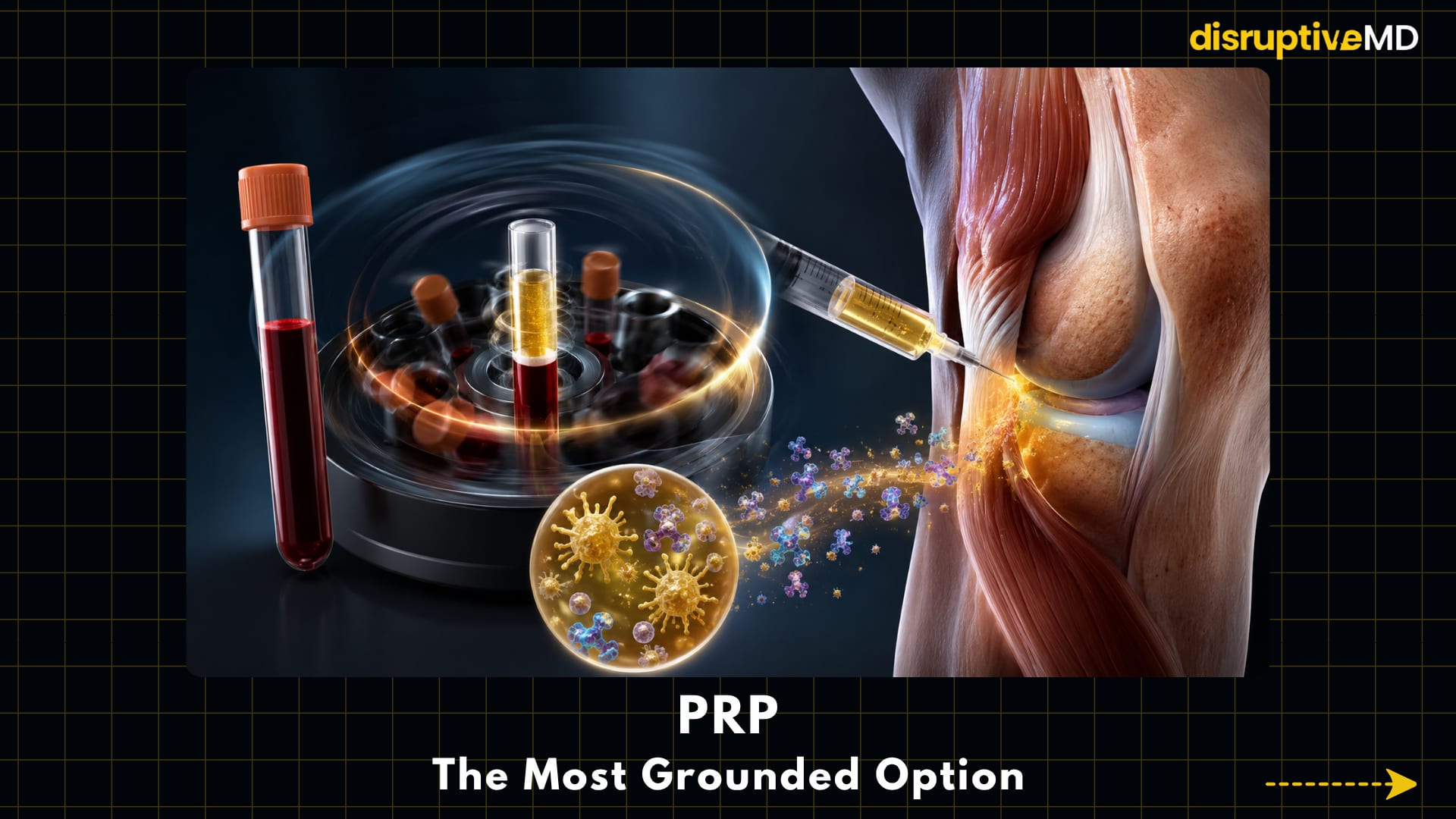
It is made by taking a patient’s blood, spinning it in a centrifuge, and concentrating the platelet-containing plasma before injecting it into a target tissue such as a joint, tendon, ligament, or surgical site.
Platelets are best known for their role in clotting, but they also release growth factors, cytokines, and signalling proteins. These biological signals may influence inflammation, pain pathways, tissue repair responses, blood vessel activity, and the behaviour of cells involved in healing.
This is why PRP is attractive. It is autologous, meaning it comes from the patient’s own body. It is relatively accessible compared with more complex cell-based or cell-derived products. It has been studied in many musculoskeletal conditions. And among PRP, BMAC, and exosomes, it currently has the strongest clinical footing.
But PRP still needs realistic framing.
The weak claim is: “PRP regrows your joint”.
The stronger and more honest claim is: “PRP may help selected patients with pain and function, especially in some joint and tendon conditions, but results depend heavily on patient selection, disease stage, PRP preparation, injection technique, and rehabilitation”.
What PRP Is Actually Used For
PRP is commonly discussed or studied in several musculoskeletal conditions, including:
-
Knee osteoarthritis
-
Tendon pain
-
Tennis elbow
-
Plantar fasciitis
-
Patellar tendinopathy
-
Achilles tendinopathy
-
Rotator cuff-related tendinopathy
-
Muscle injuries
-
Ligament injuries
-
Post-surgical healing support
Its role is not identical across all of these conditions.
A joint with early or moderate osteoarthritis is not the same biological environment as a chronically overloaded tendon. An acute muscle injury is not the same as a degenerative rotator cuff tendon. A surgical repair site is not the same as a painful arthritic knee.
This is why PRP should not be discussed as one universal treatment.
It is better understood as a family of platelet-based preparations that may behave differently depending on the tissue, the disease stage, the formulation, and the rehabilitation plan.
What Is Real About PRP
The most realistic value of PRP is symptom modification and healing support in selected patients.
In knee osteoarthritis, PRP is often explored as a non-surgical treatment for pain and function, especially when standard conservative options have not provided enough relief. It may be most relevant in patients who are not yet at the stage where joint replacement is clearly the next step.
In tendinopathy, PRP is often considered when chronic tendon pain has failed to respond to loading-based rehabilitation, activity modification, and other conservative approaches. The goal is not simply to inject the tendon and wait. The goal is to combine a biological stimulus with a progressive mechanical loading plan.
In sports injuries, PRP may be considered as part of a broader recovery strategy. But it should not be promised as a shortcut back to play. Return to sport still depends on tissue healing, pain control, strength, mobility, load tolerance, neuromuscular control, and sport-specific testing.
So what is real? PRP may help some patients feel and function better.
What is not proven as a broad claim? That PRP reliably regrows cartilage, reverses advanced arthritis, rebuilds torn tendons, or removes the need for surgery in every patient.
The difference between those two statements is the difference between responsible medicine and marketing.
The PRP Standardisation Problem
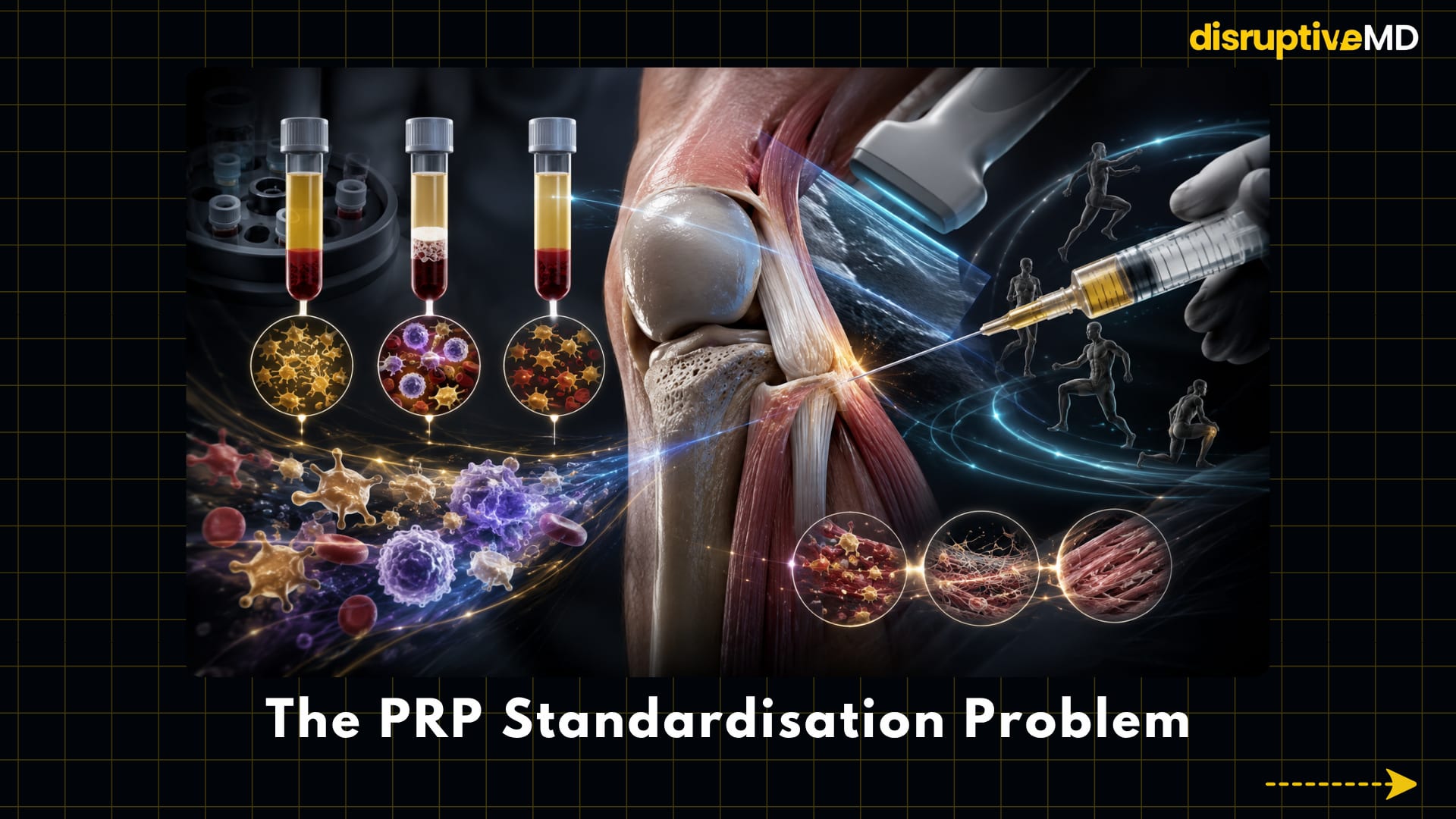
One of the biggest problems in PRP research and clinical practice is that not all PRP is the same.
Two patients may both be told they are receiving PRP, but the final injected product may be very different.
Important variables include:
-
Platelet concentration
-
Leukocyte-rich vs Leukocyte-poor formulation
-
Red blood cell contamination
-
Activation method
-
Single injection vs multiple injections
-
Centrifuge system
-
Final injected volume
-
Ultrasound guidance
-
Target tissue
-
Patient age and biology
-
Baseline inflammation
-
Medication use
-
Metabolic health
-
Whether rehabilitation is included
This is why one PRP study may not match another PRP study.
A trial using leukocyte-poor PRP for knee osteoarthritis cannot always be compared directly with a trial using leukocyte-rich PRP for a tendon problem. A single injection cannot automatically be compared with a three-injection protocol. A blind injection cannot be assumed to be the same as an ultrasound-guided injection into a specific target.
Leukocyte-Rich vs Leukocyte-Poor PRP
Leukocytes are white blood cells.
Leukocyte-rich PRP contains more white blood cells.
Leukocyte-poor PRP contains fewer white blood cells.
This matters because leukocytes may influence inflammation. In some tissues, that inflammatory signal may be considered useful. In others, it may be less desirable.
A painful arthritic joint may not need the same PRP formulation as a chronic tendon problem. A degenerative joint with synovial inflammation is different from a tendon that has failed to adapt to load. The local biology is different, so the ideal biologic product may also be different.
This is where the future becomes more interesting. Instead of asking whether PRP is good or bad, the field is moving toward asking whether the formulation matches the tissue problem.
2. BMAC: More Complex Than PRP
BMAC stands for bone marrow aspirate concentrate.
It is usually collected from bone marrow, often from the pelvis, and then processed to concentrate the aspirate before injection or surgical use.
BMAC is biologically more complex than PRP. It contains a mixed environment of platelets, growth factors, cytokines, immune cells, progenitor cells, and a very small number of mesenchymal stromal or stem-like cells.
This complexity makes BMAC exciting. It is also why BMAC is difficult to study, difficult to standardise, and easy to overmarket.
Unlike PRP, which begins with blood, BMAC begins with bone marrow. The harvesting technique, aspiration volume, patient age, marrow quality, processing system, and final cell composition can all influence what ends up in the syringe.
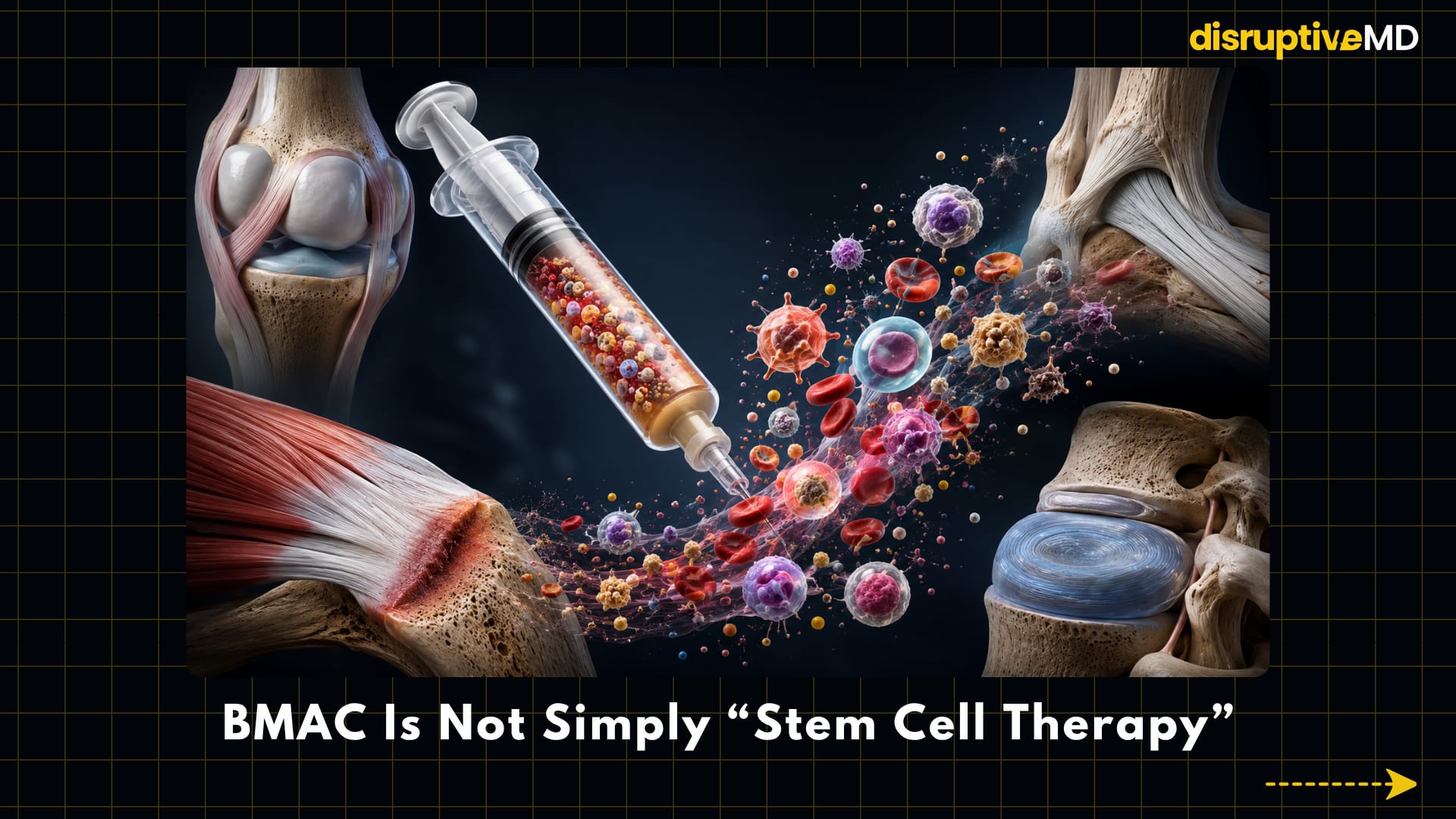
BMAC Is Not Simply “Stem Cell Therapy”
Many clinics market BMAC as stem cell therapy.
BMAC is not a purified stem cell product. It is not a guaranteed cartilage-regrowing cell therapy. It is a mixed concentrate containing many components, including only a very small number of mesenchymal stromal or stem-like cells.
The number and behaviour of these cells can vary from patient to patient.
A younger, metabolically healthy athlete may not have the same marrow biology as an older patient with advanced osteoarthritis, obesity, insulin resistance, or systemic inflammation. The quality of the biologic material matters.
So BMAC should not be sold as a guaranteed “stem cell repair” treatment.
A more accurate statement is: BMAC is a mixed bone marrow-derived orthobiologic that may influence inflammation, tissue signalling, and the healing environment, but it should not be presented as proven stem cell regeneration for every joint, tendon, ligament, or disc problem.
What BMAC May Realistically Do
BMAC may influence pain, inflammation, immune signalling, and the local tissue environment.
In selected musculoskeletal conditions, it may help improve symptoms and function. It may also have a role as a surgical augmentation tool, where it is used alongside procedures that already aim to repair cartilage, bone, or soft tissue.
But the strongest realistic framing is: BMAC may improve symptoms and function in selected musculoskeletal conditions, but it has not reliably proven that it can rebuild advanced cartilage loss or reverse severe osteoarthritis.
This matters because many patients seeking BMAC are not just looking for pain relief. They are hoping to avoid surgery, regrow cartilage, or reverse a disease that has already become structurally advanced.
Where BMAC Is Being Explored
BMAC is being explored in areas such as:
-
Knee osteoarthritis
-
Hip osteoarthritis
-
Cartilage defects
-
Tendon injuries
-
Bone healing
-
Nonunion research
-
Early joint degeneration
-
Sports injuries
-
Spine and disc-related research
-
Surgical augmentation
Its most credible future may not be as a standalone miracle injection.
It may be more valuable as part of a carefully selected treatment pathway: imaging-defined diagnosis, biologic assessment, precise delivery, surgical or non-surgical context, and structured rehabilitation.
For example, BMAC used with a cartilage procedure is not the same as BMAC injected alone into a severely arthritic joint. BMAC used in bone healing research is not the same as BMAC marketed for general anti-ageing or wellness.
Context matters. Indication matters. Preparation matters.
Why BMAC Evidence Is Harder to Interpret
BMAC is difficult to study because many variables change between studies and clinics.
These include:
-
Harvest site
-
Aspiration technique
-
Volume collected
-
Concentration system
-
Cell count
-
Platelet concentration
-
Final injected volume
-
Injection site
-
Disease severity
-
Imaging guidance
-
Use with surgery vs standalone injection
-
Rehabilitation protocol
-
Follow-up duration
This creates a major interpretation problem.
If one study shows improvement and another does not, it may not simply mean BMAC works or does not work. It may mean the products, patients, techniques, and outcome measures were too different to compare directly.
This is one reason BMAC remains promising but less clinically settled than PRP.
The science is real. The standardisation is not mature enough yet.
3. Exosomes: The Most Futuristic and the Most Misunderstood
Exosomes are tiny extracellular vesicles released by cells. They carry biological signals such as proteins, lipids, and nucleic acids. In the body, they are part of cell-to-cell communication.
The concept is scientifically exciting.
Instead of transplanting whole cells, exosome-based therapies could theoretically deliver signals that influence inflammation, tissue repair, immune behaviour, and regeneration pathways. This has made exosomes one of the most futuristic areas in regenerative medicine research.
But this is also where the hype becomes strongest.
Because exosomes sound advanced, they are sometimes marketed as the “next generation” of stem cell therapy before the clinical proof is strong enough.
The biology is fascinating, but the commercial claims are often ahead of the clinical reality.
What Exosomes Might Represent in the Future
In the future, exosome-based therapeutics could become a new class of cell-free biologic medicine.
Potential research areas include:
-
Tissue repair signalling
-
Inflammation control
-
Cartilage biology
-
Tendon healing
-
Wound healing
-
Immune modulation
-
Drug delivery
-
Precision regenerative medicine
The reason this field is so exciting is that extracellular vesicles may act like biological messages. If science can understand, purify, dose, engineer, and deliver those messages safely, exosome-based medicine could become extremely important.
What Is Not Real Yet About Exosomes
The major problem is that commercial exosome claims have moved faster than clinical proof.
Injectable exosome treatments for orthopaedic and sports medicine conditions should not be presented as proven joint, tendon, ligament, cartilage, or disc regeneration.
That does not mean exosome science is fake.
It means the clinical use being advertised in many settings is not yet mature enough to justify the strongest claims.
The honest statement is: Exosomes are scientifically exciting, but injectable exosome treatments for orthopaedic and sports medicine conditions remain experimental and should not be presented as proven regeneration.
This is especially important because patients may hear that exosomes are “cell-free,” “natural,” “advanced,” or “regenerative,” and assume they are automatically safer or better than PRP or BMAC.
That assumption is not justified.
A futuristic product still needs proof.
The Exosome Manufacturing Problem
Exosomes are not simple products. They are not like drawing blood and spinning it into PRP. They are not like concentrating bone marrow at the point of care.
Major questions include:
-
What cells produced them?
-
Were they human, animal, or plant-derived?
-
Were they donor-derived or laboratory-derived?
-
How were they collected?
-
How were they purified?
-
What exactly is inside them?
-
What dose is being delivered?
-
Are they consistent from batch to batch?
-
Are they sterile?
-
Are they biologically active?
-
How long do they remain stable?
-
What is the safety profile?
-
What happens after repeated exposure?
-
What claims are actually supported by clinical trials?
These are not minor technical details.
They are the difference between a regulated biologic medicine and a vague commercial product.
If the source, purity, content, potency, sterility, and dosing are unclear, then the word “exosome” does not tell the patient enough.
It becomes a label, not a treatment definition.
PRP vs BMAC vs Exosomes: The Honest Comparison
PRP
PRP is the most clinically established of the three.
It is autologous, relatively accessible, and widely studied in musculoskeletal care. It is best discussed as symptom-modifying and healing-supportive, not as miracle regeneration.
The strongest case for PRP is in selected joint and tendon conditions where the goal is pain reduction, functional improvement, and support of the healing environment.
The limitation is standardisation. Not all PRP is the same, and outcomes depend on preparation, patient selection, disease stage, injection accuracy, and rehabilitation.
BMAC
BMAC is more biologically complex.
It contains a mixed bone marrow-derived environment with platelets, signalling molecules, immune cells, progenitor cells, and a small number of mesenchymal stromal or stem-like cells.
It is promising in selected conditions, especially where tissue healing biology is relevant, but the evidence is more variable and the product is harder to standardise.
The biggest problem is marketing. BMAC should not be oversold as guaranteed stem cell repair.
Exosomes
Exosomes are the most futuristic scientifically.
They may represent an important future class of cell-free biologic therapeutics, but their clinical use in orthopaedics and sports medicine is still not mature in many settings.
The biggest concerns are overmarketing, unclear dosing, inconsistent manufacturing, safety uncertainty, and regulatory gaps.
Exosomes may be part of the future of precision regenerative medicine.
But they should not be sold as if that future has already fully arrived.
What Patients Are Usually Promised
Patients are often told statements such as:
-
“This will regrow cartilage.”
-
“This will avoid surgery.”
-
“This is stem cell treatment.”
-
“This is natural, so it is safe.”
-
“This is the future, so it must be better.”
-
“This will rebuild your tendon.”
-
“This will reverse arthritis.”
-
“This is better than surgery.”
These claims should be challenged carefully.
Some patients may improve with orthobiologic treatments. Some may have meaningful pain relief. Some may delay more invasive care. Some may return to activity with the right rehabilitation plan.
But broad promises of tissue regrowth, surgery avoidance, or guaranteed repair are not responsible.
The more expensive and futuristic the treatment sounds, the more important it becomes to ask for proof.
What Patients Should Actually Ask
Before considering PRP, BMAC, exosomes, or any orthobiologic injection, patients should ask:
-
What exactly is being injected?
-
Is it PRP, BMAC, or exosomes?
-
Is it from my own body or a donor source?
-
What condition is it being used for?
-
What is the evidence for this specific condition?
-
Is the goal pain relief, function improvement, healing support, or tissue regeneration?
-
Is the injection ultrasound-guided?
-
What tissue is being targeted?
-
What rehab is required afterwards?
-
What are the risks?
-
Is it approved, commonly used, research-stage, or experimental?
-
How is the product prepared?
-
How is the product tested?
-
What happens if it does not work?
-
What standard treatments should still be considered?
These questions shift the conversation from marketing to medicine.
They also protect patients from vague language.
A good clinician should be able to explain what the product is, why it is being used, what the realistic goal is, what is uncertain, and what the rehabilitation plan will involve.
The Role of Rehabilitation
Orthobiologics should not be presented as a replacement for rehabilitation.
This is one of the most important points in sports medicine.
Tendons need progressive loading.
Muscles need strength rebuilding.
Ligaments need neuromuscular control.
Joints need mobility, strength, load management, and movement quality.
Cartilage and bone respond to mechanical environments.
A biologic injection may influence the healing environment, but it does not replace the need for structured mechanical adaptation.
This is why an injection without rehabilitation may fail.
A patient with tendinopathy who receives PRP but returns immediately to the same overload pattern may not improve. A patient with knee osteoarthritis who receives a biologic injection but does not address strength, body weight, mobility, gait, or activity load may get limited benefit. An athlete who uses an injection to rush return-to-play may increase the risk of recurrence.
The future is not injection versus rehab.
The future is biologic treatment plus intelligent rehabilitation.
The Future: Precision Orthobiologics
The future of this field is not simply choosing between PRP, BMAC, and exosomes.
The future is matching the treatment to the biology.
That may involve:
-
Blood biomarkers
-
Inflammatory phenotype
-
Joint stage
-
Tendon stage
-
Age and metabolic health
-
Platelet quality
-
Cell quality
-
Imaging findings
-
Pain phenotype
-
Mechanical load profile
-
AI-guided patient selection
-
Ultrasound and MRI-based targeting
-
Biologic dose optimisation
-
Personalised rehabilitation after injection
This is the most exciting direction.
A patient with early inflammatory knee osteoarthritis may need a different strategy from a patient with severe bone-on-bone arthritis. A chronic tendon pain patient with poor load tolerance may need a different plan from an acute sports injury patient. A metabolically unhealthy patient may respond differently from a young athlete with a focal injury.
Precision orthobiologics means moving away from one-size-fits-all regenerative medicine.
It means treating the patient, the tissue, the disease stage, and the biological environment.
AI and Imaging in Orthobiologics
AI may eventually help orthobiologics become more precise.
Instead of deciding by symptoms alone, future systems may analyse:
-
MRI features
-
Ultrasound tendon structure
-
Cartilage thickness
-
Bone marrow lesions
-
Inflammation patterns
-
Gait mechanics
-
Strength deficits
-
Patient-reported outcomes
-
Previous treatment response
This could help predict who is more likely to respond to PRP, who may not benefit from injection, who needs surgery sooner, and who requires a stronger rehabilitation-first approach.
AI will not make the treatment decision alone.
But it may help reduce trial-and-error medicine.
The future may involve imaging, biomarkers, movement data, and patient-reported outcomes being combined to decide whether PRP, BMAC, surgery, rehabilitation, or no injection is the most rational choice. This is where orthobiologics becomes part of precision medicine.
Combination Therapies
Future research may also explore combinations such as:
-
PRP plus structured rehabilitation
-
PRP plus hyaluronic acid
-
BMAC with surgical cartilage procedures
-
biologics with scaffolds
-
growth factor delivery systems
-
extracellular vesicles with biomaterials
-
targeted drug delivery into damaged tissue
Combination therapy sounds attractive because musculoskeletal disease is rarely caused by one pathway.
Pain, inflammation, mechanical overload, cartilage damage, tendon degeneration, bone changes, and metabolic health can all interact.
But combination does not automatically mean better. More biological ingredients do not automatically create better outcomes. A combination must be tested, standardised, and compared against simpler, safer, and cheaper options.
The future should not be about adding more products. It should be about adding more precision.
Safety and Ethics
The ethics of regenerative medicine matter because many of these treatments are paid for privately.
Patients may be vulnerable to expensive promises, especially when they are in pain, trying to avoid surgery, or trying to return to sport.
Key concerns include:
-
High cost
-
Inconsistent evidence
-
Regulatory gaps
-
Exaggerated claims
-
Lack of long-term data
-
Product contamination risks
-
Poor standardisation
-
Unclear dosing
-
Unclear product identity
-
Conflict between hope and proof
This does not mean orthobiologics should be dismissed. It means they should be held to a serious standard. A treatment should not be considered better just because it is newer, biological, natural, or expensive. It should be judged by the quality of its preparation, the logic of its indication, the safety profile, the clinical data, the transparency of claims, and the plan that surrounds it.
Regenerative medicine deserves scientific respect. That respect requires honesty.
Fact Base
PRP is the most clinically established option among PRP, BMAC, and exosomes in musculoskeletal medicine. It has been studied in knee osteoarthritis, tendinopathy, and other soft-tissue conditions, but outcomes vary because PRP preparation, patient selection, injection technique, disease stage, and rehabilitation protocols are not uniform.
PRP is best framed as a treatment that may improve pain and function in selected patients, rather than as a guaranteed tissue-regrowing therapy.
BMAC is biologically more complex than PRP because it contains a mixed bone marrow-derived concentrate. It may influence inflammation, tissue signalling, and the local healing environment, but it should not be simplified as purified stem cell therapy.
BMAC remains promising, especially in selected musculoskeletal conditions and surgical augmentation settings, but evidence is harder to interpret because preparation methods, harvest techniques, cell counts, patient factors, and treatment protocols vary widely.
Exosomes are scientifically exciting because they are involved in cell-to-cell communication and may one day become part of cell-free biologic medicine. However, injectable exosome products for orthopaedic and sports medicine conditions remain experimental in many settings and should not be marketed as proven regeneration.
The strongest real-world conclusion is that pain relief and functional improvement are more realistic goals than guaranteed cartilage, tendon, ligament, or disc regrowth.
Patient selection matters.
Product quality matters.
Injection technique matters.
Rehabilitation matters.
Marketing often moves faster than proof.
What Readers Should Understand
Regenerative medicine is not fake.
The hype is the problem.
PRP, BMAC, and exosomes are not interchangeable. They represent different levels of biological complexity, clinical maturity, and uncertainty.
PRP is currently the most grounded option. It has the most clinical use and the strongest practical footing among the three, especially when used responsibly in selected joint and tendon conditions.
BMAC is promising but variable. It is not simply “stem cell therapy,” and it should not be sold as guaranteed cartilage or joint regeneration.
Exosomes are the most futuristic but also the most overmarketed. The science may become very important, but many current clinical claims are ahead of proof.
The future is not about selling every injection as a miracle.
The future is precision orthobiologics: choosing the right biologic treatment for the right patient, at the right disease stage, in the right tissue, with the right imaging target, and the right rehabilitation plan.
References
-
Borg-Stein J, Jayaram P, Colorado BS, De Luigi AJ, Khadavi M, Latzka EW, Naber WJ, Patel S, Sussman WI, Yuan X, Mautner K. AAPM&R Guidance Statement on Platelet Rich Plasma for Knee Osteoarthritis. PM&R. 2026;18(Suppl 2):S20-S35. DOI: 10.1002/pmrj.70144.
-
National Institute for Health and Care Excellence. Platelet-rich plasma injections for knee osteoarthritis. NICE HealthTech Guidance HTG497. Published January 23, 2019. DOI: Not applicable.
-
U.S. Food and Drug Administration. Consumer Alert on Regenerative Medicine Products Including Stem Cells and Exosomes. Published July 22, 2020. Content current as of April 9, 2024. DOI: Not applicable.
-
U.S. Food and Drug Administration. Important Patient and Consumer Information About Regenerative Medicine Therapies. Published June 3, 2021. Content current as of April 8, 2024. DOI: Not applicable.
-
Han JH, Jung M, Chung K, Jung SH, Choi CH, Kim SH. Bone Marrow Aspirate Concentrate Injections for the Treatment of Knee Osteoarthritis: A Systematic Review of Randomized Controlled Trials. Orthopaedic Journal of Sports Medicine. 2024;12(12):23259671241296555. DOI: 10.1177/23259671241296555
-
Welsh JA, Goberdhan DCI, O’Driscoll L, et al. Minimal Information for Studies of Extracellular Vesicles (MISEV2023): From Basic to Advanced Approaches. Journal of Extracellular Vesicles. 2024;13(2):e12404. DOI: 10.1002/jev2.12404
-
Zhang Y, et al. Minimal Information for Studies of Extracellular Vesicles (MISEV): Toward Better Rigour, Reproducibility and Transparency in EV Research. Pharmaceutics. 2024;16(11):1394. DOI: 10.3390/pharmaceutics16111394