
Introduction
Platelet-rich plasma, commonly called PRP, is one of the most discussed biologic therapies in modern medicine. It sounds futuristic, but the basic idea is simple: a small amount of a person’s own blood is processed to concentrate platelets, then the platelet-rich portion is placed back into a targeted area. PRP matters because it sits between natural healing biology and clinical medicine. It is used in areas such as orthopaedics, sports medicine, wound care, dermatology, dentistry, and cosmetic procedures. But it is also a good example of why medical evidence matters. A treatment can be biologically interesting and widely used, while still having mixed evidence, variable preparation methods, and limited approval for specific medical conditions. This article explains what PRP is, how it is made, how it may work, where it is used, what the evidence supports, what remains uncertain, and why responsible medical supervision is important.
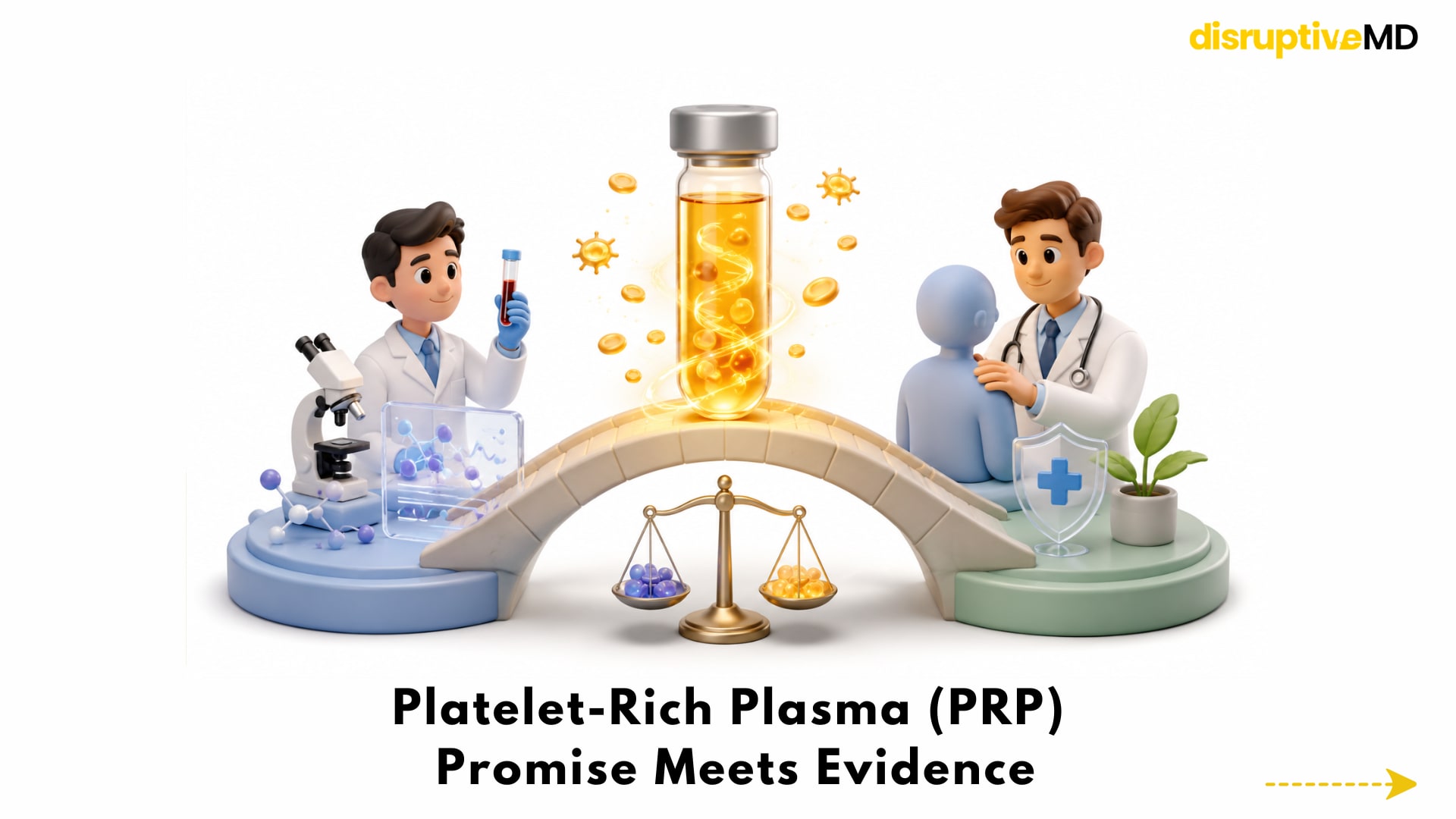
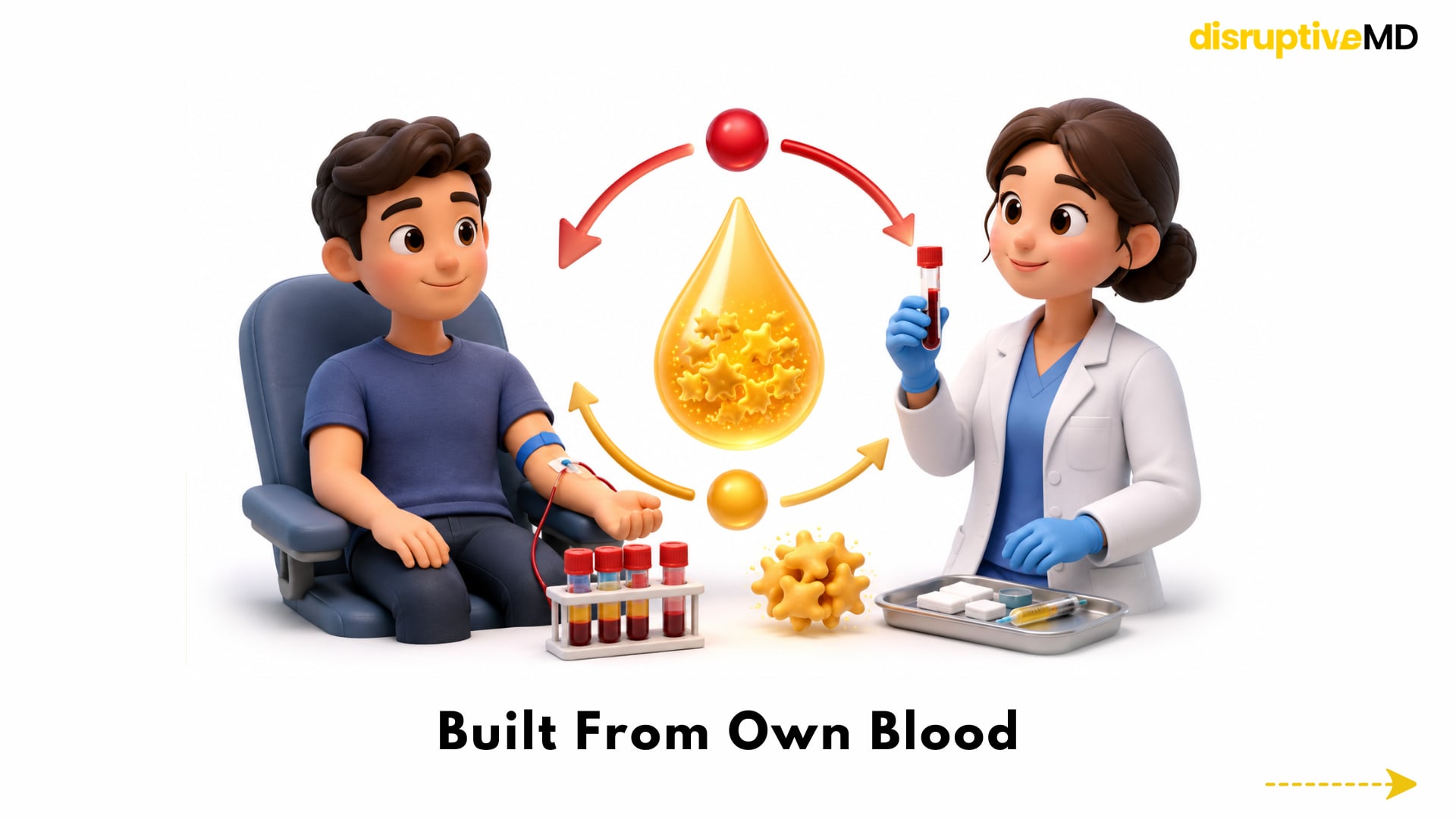
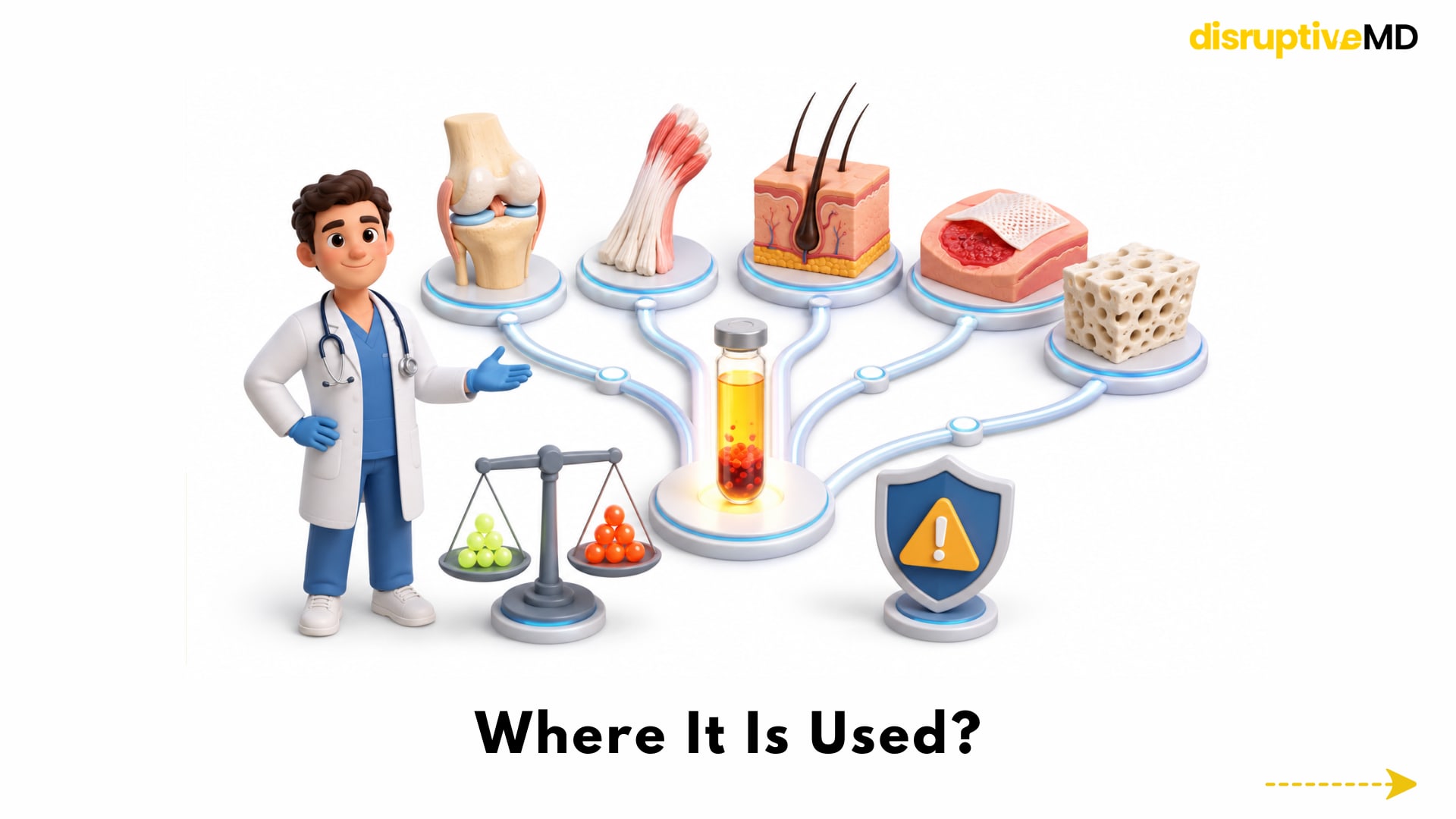

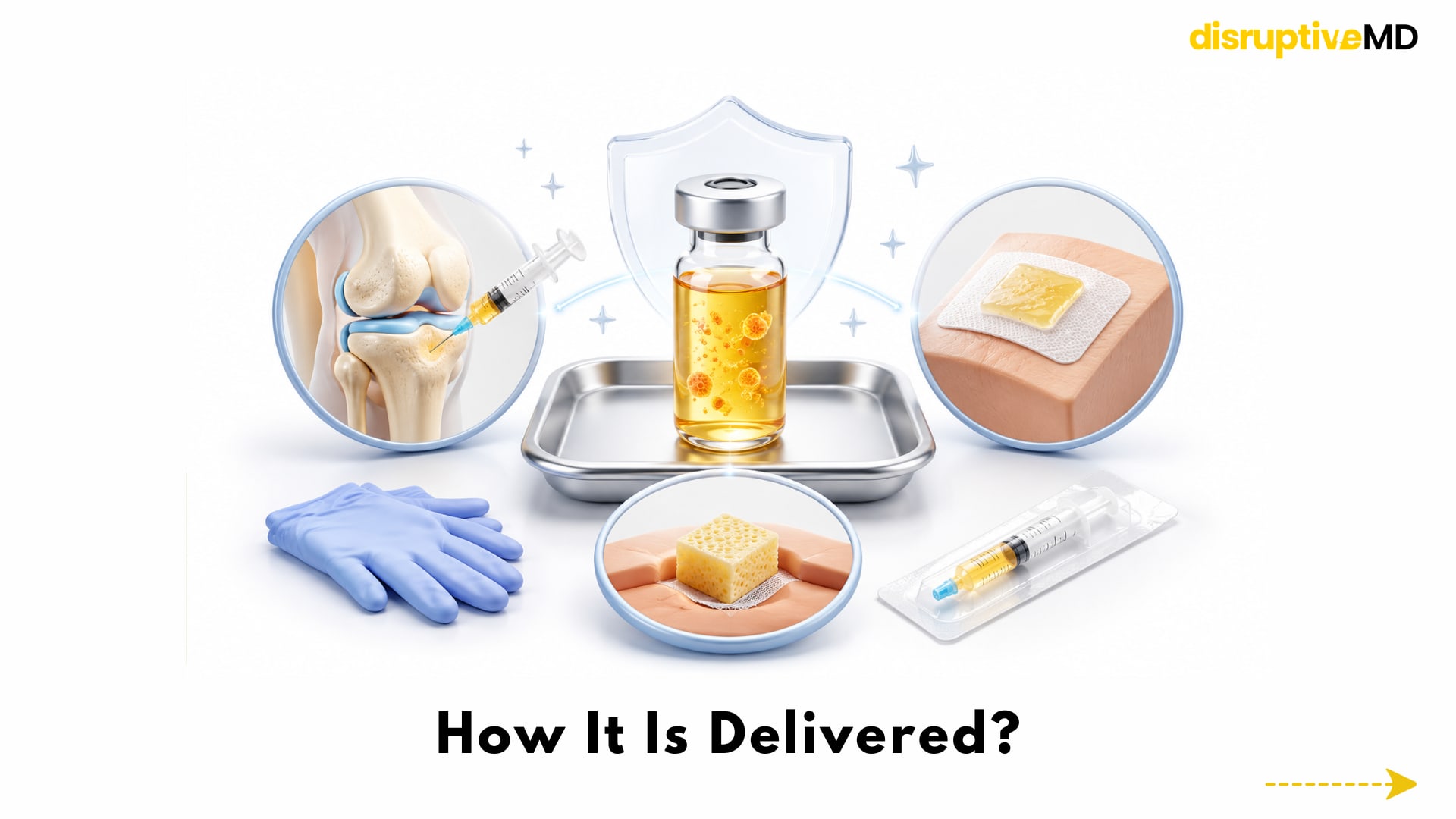



- A patient’s own blood becomes a targeted biologic treatment.
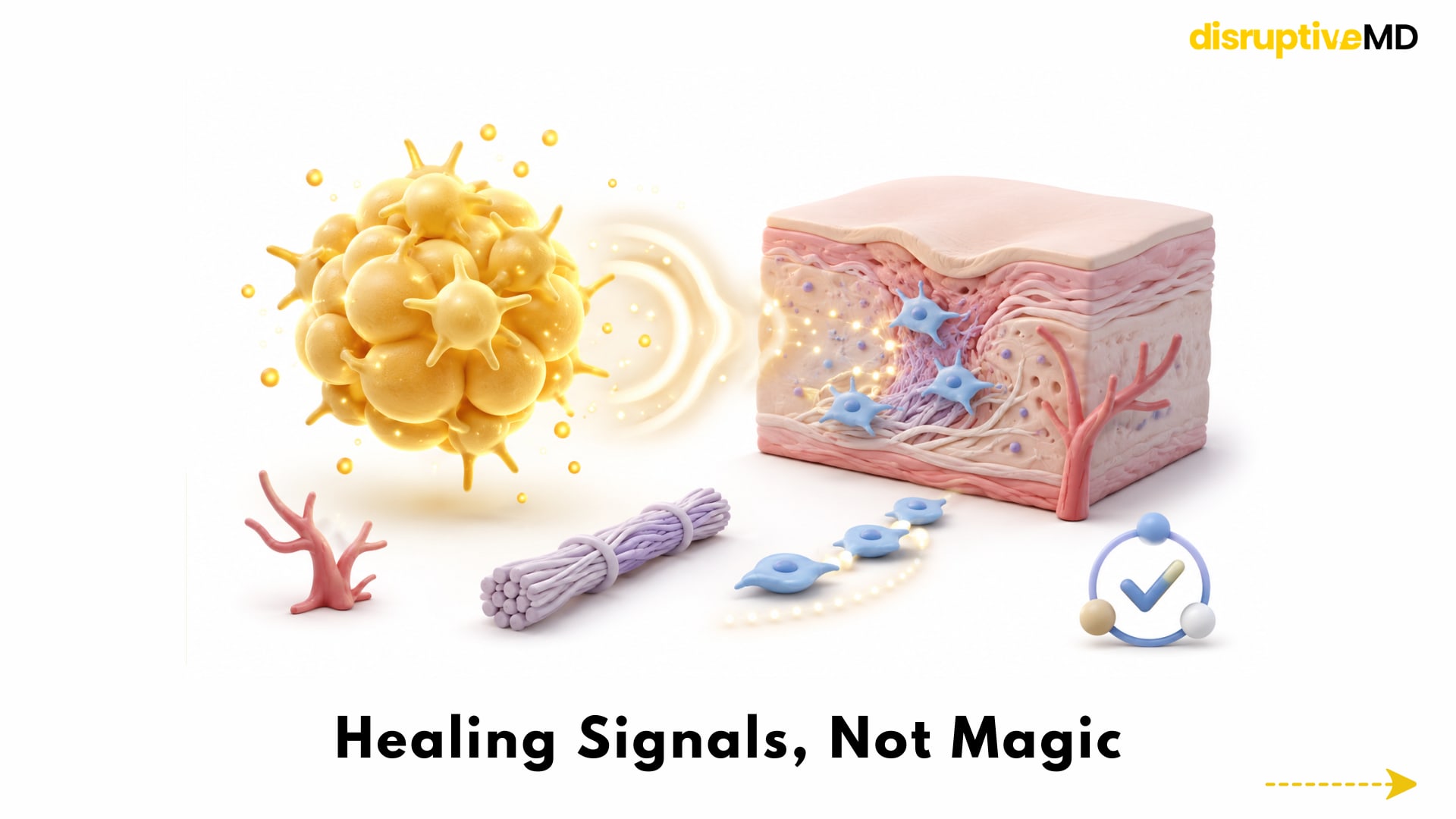
- Platelets carry healing signals, but evidence decides clinical value.
- Useful in selected areas, not a universal repair solution.
What Is Platelet-rich plasma (PRP)?
Platelet-rich plasma (PRP) is an autologous blood-derived therapy (a treatment made from a person’s own blood and returned to the same person). It contains plasma (the liquid part of blood) with a higher-than-usual concentration of platelets (small blood cells that help clotting and release healing signals). PRP is often described as a biologic therapy (a treatment based on living cells or biological substances) because it uses natural blood components rather than a traditional chemical drug. In musculoskeletal medicine, it is also called an orthobiologic (a biologic treatment used for bone, joint, tendon, or ligament conditions). The key point is that PRP is not a pill, supplement, vitamin, or hormone. It is a prepared blood product used mainly by injection, topical application, or surgical placement under medical supervision.
How Is It Derived or Made?
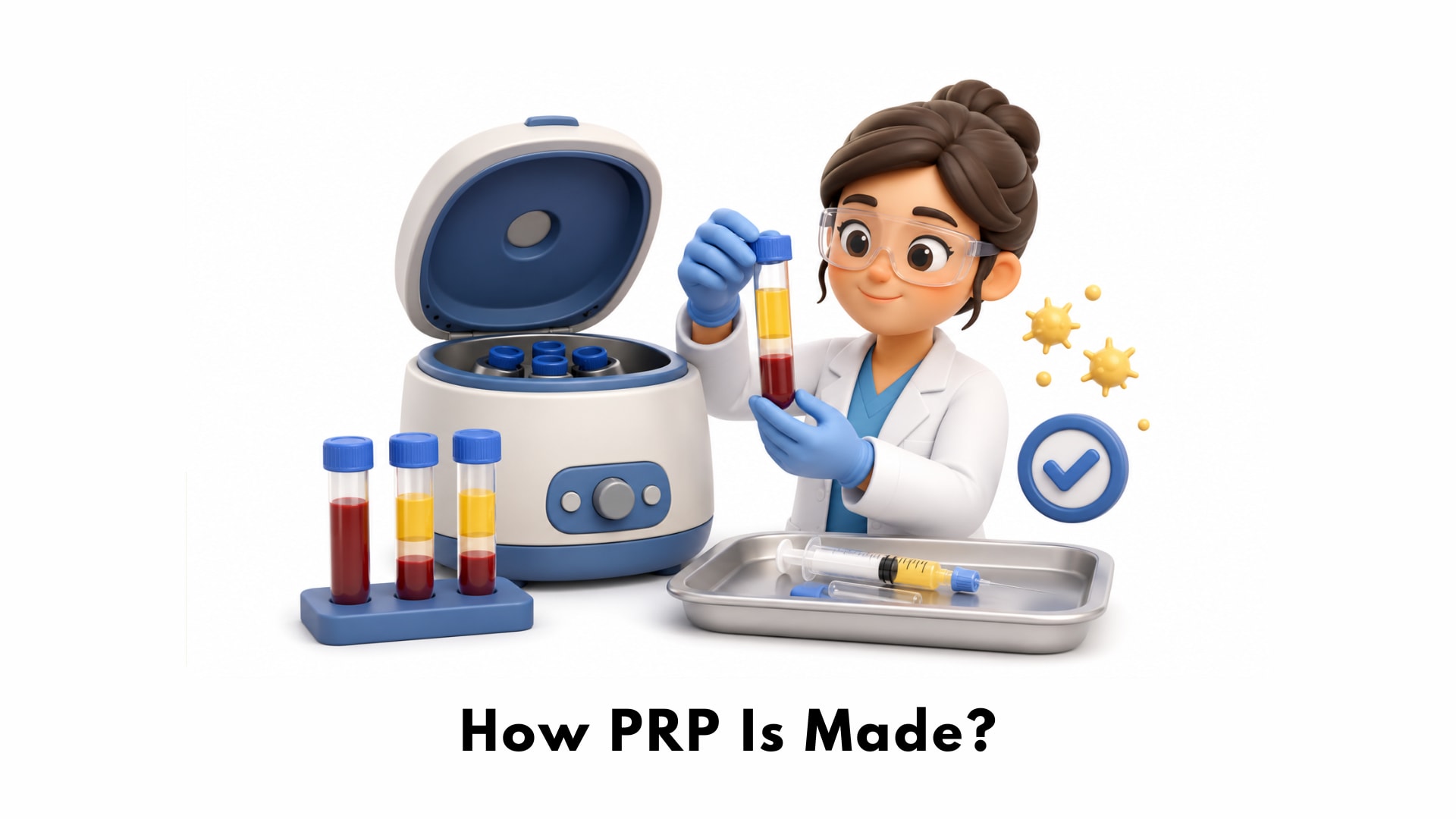
PRP is usually made from a small sample of the patient’s own blood. The blood is placed in a centrifuge (a machine that spins samples at high speed to separate them by density). This separates the blood into layers, including red blood cells, plasma, and platelet-containing portions. The platelet-rich portion is then collected. Depending on the system and protocol, the final preparation may contain different amounts of platelets, white blood cells, red blood cells, fibrin, and plasma proteins. This matters because not all PRP is the same. Leukocyte-rich PRP (PRP containing more white blood cells) may behave differently from leukocyte-poor PRP (PRP containing fewer white blood cells). Some preparations are also activated (treated to trigger platelet release of growth factors before use), while others are not. This variability is one of the biggest challenges in PRP research. Two studies may both say “PRP,” but the actual biological product may be different in platelet count, white blood cell content, activation method, and injection technique. Reviews of PRP preparation repeatedly identify lack of standardization as a major limitation.
How Does It Work?
The mechanism of action (how a treatment produces its effect) of PRP is based mainly on platelets. Platelets release growth factors (natural proteins that help cells communicate during healing) and cytokines (small signalling molecules that influence inflammation and immune responses). Important growth factors in PRP include platelet-derived growth factor, vascular endothelial growth factor, transforming growth factor beta, epidermal growth factor, fibroblast growth factor, and insulin-like growth factor. These signals may support angiogenesis (formation of new blood vessels), collagen synthesis (production of a structural protein important for tissue strength), cell migration (movement of repair cells into an injured area), and modulation of inflammation (changing the intensity or pattern of inflammatory activity). In simple terms, PRP does not “create new tissue” by magic. It tries to deliver a concentrated mix of the body’s own healing signals to a specific site. The intended goal is to improve the local repair environment. Whether that produces meaningful clinical benefit depends on the condition, tissue type, PRP formulation, technique, patient factors, and quality of evidence.
What Is It Used For?
PRP is studied and used in several areas, but the level of evidence differs by condition. Approved or cleared medical use: In some countries, certain PRP preparation devices are cleared or authorized to prepare autologous PRP from a patient’s blood. Some device indications involve preparing PRP to be mixed with bone graft material to improve handling during orthopaedic surgical use. This is not the same as saying PRP injections are approved as a treatment for every joint, tendon, hair, skin, or cosmetic condition. Common clinical uses: PRP is commonly used for knee osteoarthritis (joint wear-and-tear disease), selected chronic tendon problems, some sports medicine conditions, androgenetic alopecia (pattern hair loss related to genetic and hormonal factors), and certain wound-care situations. Evidence is strongest in selected musculoskeletal and dermatology areas, but it is still not uniform across all conditions. Research-stage or uncertain uses: PRP has been explored in rotator cuff surgery, ligament repair, meniscus healing, chronic wounds, dental procedures, facial aesthetics, sexual medicine, fertility-related uses, and other areas. Some studies are promising, while others show little or no clear benefit. Popular but unproven uses: Broad claims such as “anti-aging,” “complete cartilage regeneration,” “whole-body healing,” or guaranteed hair regrowth are not supported by strong evidence. These claims should be treated carefully.
Is It Approved for Human Use?
PRP is used in humans, but its approval status is often misunderstood. A major regulatory distinction is that PRP itself is a blood product made from the patient’s own blood. A U.S. regulatory document explains that PRP is blood taken from an individual and given back to the same individual as platelet-rich plasma; it is not classified as a human cell, tissue, or cellular/tissue-based product under that specific framework because it is a blood product. Some PRP preparation devices are cleared or authorized for specific preparation-related uses, such as producing autologous PRP for use with bone graft material. However, PRP as a treatment is not broadly approved for all common marketed uses, including many orthopaedic, cosmetic, and wellness claims. A major regulatory authority also states that regenerative medicine therapies have not been approved for several broad disease categories, including orthopaedic conditions such as osteoarthritis, tendonitis, back pain, hip pain, knee pain, neck pain, or shoulder pain. Approval can vary by country. Some regions regulate PRP as a blood-derived medicinal product, some regulate preparation devices, and some allow clinical use under medical practice rules. Readers should not assume that availability means approval for a specific condition.
How Is It Available or Used?
PRP is usually used in a medical, surgical, dental, dermatology, sports medicine, pain medicine, or rehabilitation setting. It is not consumed orally. It is not eaten, drunk, inhaled, or taken as a supplement. Common routes include injection into or around a target tissue, such as a joint, tendon, scalp, or soft tissue area. In wound care, PRP may be applied as a gel or topical biologic dressing. In surgery, it may be placed at a surgical site or mixed with graft material depending on the clinical context. Medical supervision is required because PRP involves blood collection, processing, sterile handling, and administration by needle, topical application, or surgical placement. These steps carry safety responsibilities. Poor infection control can turn a low-risk procedure into a serious risk.
Useful Effects and Possible Benefits
The main possible benefit of PRP is local biological support for healing or symptom improvement. In selected knee osteoarthritis studies, PRP has been associated with improvements in pain and function compared with some control treatments, although results vary and studies differ in preparation methods. A 2023 systematic review and meta-analysis of randomized controlled trials found that PRP improved function and pain outcomes in several osteoarthritis groups, with stronger findings for some joints than others. It also reported that leukocyte-poor PRP appeared more effective than leukocyte-rich PRP for pain in osteoarthritis, but the authors noted important limitations. In androgenetic alopecia, PRP may increase hair density in some patients. A systematic review and meta-analysis of randomized controlled trials found improved hair density at 3 and 6 months compared with placebo, but the trials were small. Another review found that available studies were highly heterogeneous and affected by publication bias, meaning positive results may be more likely to appear in the literature than negative results. In chronic wounds, especially diabetic foot ulcers, evidence suggests PRP may help some wounds heal, but older high-quality reviews rated the evidence as low quality and called for larger, better-designed trials. The safest summary is this: PRP may help in selected conditions, but the benefit depends strongly on the indication, preparation quality, technique, and patient selection.
Side Effects, Risks, and Harmful Effects
Because PRP is usually made from a person’s own blood, the risk of immune rejection is lower than with many donor-derived products. But “autologous” does not mean risk-free. Common side effects include temporary pain, soreness, swelling, bruising, stiffness, or discomfort at the injection site. In osteoarthritis trials, most reported adverse effects were mild and temporary, such as injection-site pain and swelling. Some studies reported dizziness, headache, nausea, sweating, or temporary worsening of pain. Serious risks are uncommon but possible. These include infection, bleeding, nerve or tissue injury, inflammatory reactions, allergic reactions to additives, nodules, and complications related to the procedure site. A 2024 review of adverse events noted reports of postoperative infections, inflammation, allergic reactions, blindness, and nodule formation, while also emphasizing that many adverse-event reports are case reports and causality is sometimes uncertain. A major safety concern is contamination during blood handling. PRP cannot be sterilized like a manufactured drug after preparation, so sterile technique matters at every step. A public-health investigation reported likely HIV transmission linked to PRP microneedling procedures at an unlicensed facility that did not follow proper infection-control practices. This does not mean PRP normally transmits HIV; it shows why licensed settings, sterile equipment, and proper blood handling are essential.
Evidence in Support
The strongest supportive evidence for PRP is not universal, but condition-specific. For knee osteoarthritis, multiple randomized controlled trials and meta-analyses suggest that PRP can reduce pain and improve function in some patients, especially in mild-to-moderate disease. A randomized controlled trial is a study where participants are assigned to different groups to compare treatments more fairly. A meta-analysis is a study that combines results from multiple studies to estimate the overall effect. Recent guidance in rehabilitation medicine also supports considering PRP for selected patients with mild-to-moderate knee osteoarthritis who remain symptomatic despite conservative care, while recognizing the need for standardization. For chronic tendon problems, educational and clinical summaries describe PRP as having more supportive evidence in selected chronic tendon injuries than in many acute ligament or muscle injuries. However, the evidence differs by tendon and by protocol. For androgenetic alopecia, small randomized trials and meta-analyses suggest PRP may improve hair density over months. Still, the studies are often small, protocols differ, and long-term durability is not fully clear. For diabetic foot ulcers and some chronic wounds, PRP may improve healing in selected cases, but older systematic review evidence rated certainty as low and emphasized the need for larger trials.
Evidence Against or Current Doubts
The main doubts about PRP are not only about whether it works, but also about what exact PRP product is being used. First, PRP is not standardized. Different centrifuge systems, blood volumes, spin speeds, platelet concentrations, white blood cell content, activation methods, and injection protocols can produce different biological products. This makes studies hard to compare. Second, guidelines do not all agree. A rheumatology guideline strongly recommended against PRP for knee and hip osteoarthritis, partly because of variability and uncertainty. In contrast, other orthopaedic and rehabilitation sources describe possible benefit in selected knee osteoarthritis patients. This disagreement shows that evidence interpretation depends on outcome measures, study quality, clinical priorities, and tolerance for uncertainty. Third, many studies are small, short-term, or heterogeneous. Heterogeneous (highly varied) studies make it hard to know whether the treatment effect comes from PRP itself, the injection process, rehabilitation, patient selection, or other factors. Fourth, some marketed uses go far beyond the evidence. PRP is sometimes advertised for broad rejuvenation, sexual health, fertility, neurological conditions, or whole-body healing without strong clinical proof. Such claims should be separated from carefully studied medical indications.
Key Takeaways
The main medical term to remember is autologous biologic therapy, which means a treatment made from the patient’s own biological material. PRP is made from a person’s own blood, processed to concentrate platelets, and then used locally. The main science concept is growth-factor signalling — cell communication through proteins that influence repair, blood vessel formation, inflammation, and tissue remodelling. PRP is interesting because it tries to concentrate natural healing signals, but biology alone does not prove clinical benefit. The main evidence concept is standardization, which means making preparation and treatment methods consistent enough to compare results. PRP research is difficult because “PRP” can mean different products in different studies. The main regulatory lesson is that device clearance, clinical availability, and treatment approval are not the same thing. A preparation device may be authorized for a specific purpose, while PRP may still not be approved as a treatment for many conditions. The main safety lesson is that blood handling requires strict infection control. A treatment made from a patient’s own blood still carries procedural risks if prepared or delivered poorly.
Current Limitations
PRP has several practical limitations. The first limitation is variability. Different PRP systems can produce different platelet and white blood cell concentrations. This makes outcomes less predictable. The second limitation is evidence quality. Some areas, such as knee osteoarthritis and androgenetic alopecia, have supportive human studies, but many other uses remain uncertain or weakly supported. The third limitation is regulation. Approval status varies by region, and a treatment being available does not mean it is approved for a specific disease. The fourth limitation is access and cost. PRP may not be covered by insurance or public health systems in many regions because the evidence and approval status are not uniform. The fifth limitation is misuse. PRP can be overmarketed with exaggerated claims, especially in cosmetic, wellness, and sports recovery settings.
Future Outlook
Future research may clarify which PRP formulations work best for specific conditions. Larger trials are needed to compare leukocyte-rich and leukocyte-poor PRP, platelet concentration, activation methods, number of sessions, imaging guidance, rehabilitation combinations, and long-term outcomes. The next step is likely to be more personalized PRP research. Instead of asking “Does PRP work?” researchers may ask, “Which PRP preparation works for which patient, for which condition, at which stage, using which technique?” If proven safe and effective in specific settings, PRP may become better standardized and more evidence-based. Wider use will depend on stronger trials, clearer regulation, better reporting standards, and responsible clinical practice.
Conclusion
Platelet-rich plasma therapy is a biologic treatment made from a person’s own blood. It concentrates platelets, which release growth factors and signalling molecules involved in healing and inflammation control. PRP may be useful in selected conditions such as mild-to-moderate knee osteoarthritis, some chronic tendon problems, androgenetic alopecia, and certain wound-care situations. But it is not a universal repair treatment. Its effectiveness depends on the condition, preparation method, technique, and quality of evidence. PRP is used in humans, but it is not broadly approved as a treatment for every condition where it is marketed. Some preparation devices are cleared for specific uses, but that should not be confused with approval of PRP injections for all orthopaedic, cosmetic, or wellness claims. The responsible way to understand PRP is neither to dismiss it nor overhype it. It is a biologically plausible therapy with real areas of promise, real limitations, and a strong need for standardization, safety, and better evidence.
Educational Disclaimer
This article is for educational purposes only and is not a substitute for professional medical advice, diagnosis, or treatment. Readers should not start, stop, consume, inject, or use any treatment, supplement, medicine, device, or health technology without guidance from a qualified healthcare professional.
References
- “Complexity of Platelet-Rich Plasma: Mechanism of Action, Growth Factor Utilization and Variation in Preparation.” DOI: 10.1177/26348535241277625.
- “Questions and Answers Regarding the End of the Compliance and Enforcement Policy for Certain Human Cells, Tissues, or Cellular or Tissue-Based Products.” Regulatory document.
- “2024 Biological Device Application Approvals.” Regulatory device approval records for PRP preparation systems.
- “Important Patient and Consumer Information About Regenerative Medicine Therapies.” Regulatory patient-safety document.
- “Platelet-Rich Plasma (PRP).” Professional orthopaedic educational review.
- Xiong Y, Gong C, Peng X, et al. (2023) Efficacy and safety of platelet-rich plasma injections for the treatment of osteoarthritis: a systematic review and meta-analysis of randomized controlled trials. Front. Med. 10:1204144. doi: 10.3389/fmed.2023.1204144.
- Kolasinski SL, Neogi T, Hochberg MC, et al. 2019 American College of Rheumatology/Arthritis Foundation Guideline for the Management of Osteoarthritis of the Hand, Hip, and Knee. Arthritis Care Res (Hoboken). 2020 Feb;72(2):149-162. doi: 10.1002/acr.24131. Epub 2020 Jan 6. Erratum in: Arthritis Care Res (Hoboken). 2021 May;73(5):764. doi: 10.1002/acr.24615. PMID: 31908149; PMCID: PMC11488261.
- Zhang X, Ji Y, Zhou M, et al. Platelet-Rich Plasma for Androgenetic Alopecia: A Systematic Review and Meta-Analysis of Randomized Controlled Trials. J Cutan Med Surg. 2023 Sep-Oct;27(5):504-508. doi: 10.1177/12034754231191461. Epub 2023 Aug 2. PMID: 37533146.
- “Is autologous platelet-rich plasma capable of increasing hair density in patients with androgenic alopecia? A systematic review and meta-analysis of randomized clinical trials.” DOI: 10.1016/j.abd.2024.01.002.
- Martinez-Zapata MJ, Martí-Carvajal AJ, Solà I, et al.. Autologous platelet-rich plasma for treating chronic wounds. Cochrane Database of Systematic Reviews 2016, Issue 5. Art. No.: CD006899. DOI: 10.1002/14651858.CD006899.pub3.
- Arita A, Tobita M. Adverse events related to platelet-rich plasma therapy and future issues to be resolved. Regen Ther. 2024 Jul 20;26:496-501. doi: 10.1016/j.reth.2024.07.004. PMID: 39100535; PMCID: PMC11295534.
- Stadelman-Behar AM, Gehre MN, Atallah L, et al. Investigation of Presumptive HIV Transmission Associated with Receipt of Platelet-Rich Plasma Microneedling Facials at a Spa Among Former Spa Clients — New Mexico, 2018–2023. MMWR Morb Mortal Wkly Rep 2024;73:372–376. DOI: http://dx.doi.org/10.15585/mmwr.mm7316a3.