
Introduction
Injury prevention is shifting from simple screening tests to predictive injury prevention, a digital-health method that analyses data to anticipate when an athlete, worker or physically active person may be entering a higher-risk period before an incident. Artificial intelligence cannot promise that injuries will disappear. Injuries are impacted by training load, tiredness, previous injury, biomechanics, contact events, sleep, recovery, surroundings and chance. The more practical concern is whether artificial intelligence can aid clinicians, coaches, physiotherapists and health systems to detect risk patterns early enough to change training, recovery, technique or workload before tissue breakdown occurs.
Artificial intelligence (AI) is the development of computer systems that can analyse patterns of data and make predictions or recommendations. The most prevalent branch in injury prevention is machine learning, where an algorithm learns associations between factors such as running distance, sprint load, jump landing mechanics, sleep quality, soreness, past injury, and later injury incidence. This is important because many sports and occupational injuries are not instantaneous, one-factor events; they are the result of biological tissue being subjected to mechanical stress beyond its present capacity to withstand.
Why Injury Prediction Is So Difficult
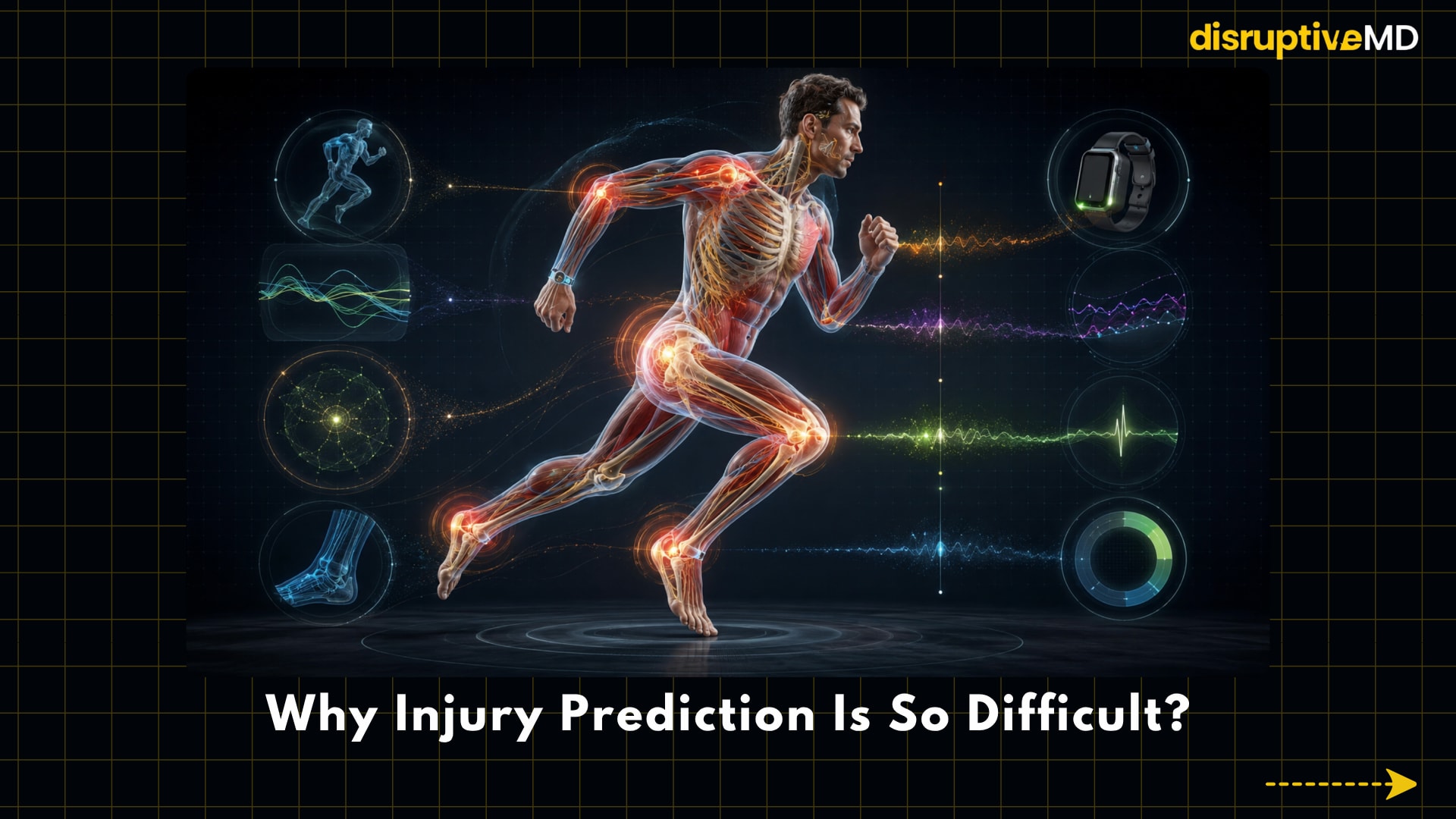
Sports and musculoskeletal injuries are complicated in that they are rarely the consequence of a single identifiable cause but rather a combination of risk factors. Injury history, strength, movement control, weariness, playing surface, match congestion, recovery and unexpected changes in training load can all impact hamstring strain, ankle sprain, tendon flare-up or anterior cruciate ligament injury. This is why contemporary sports-injury research increasingly portrays injuries as complex systems, i.e., injury risk is not a function of one anomalous test result but a network of interacting elements.
The standard way to screen for injury has been to look at one risk characteristic: poor balance, low strength, asymmetry, or an irregular movement pattern. These metrics can still be valuable, but they very rarely tell the whole injury narrative. For example, one test of vertical leap may indicate a lack of power, but it does not necessarily tell us if an athlete is under-recovered, overexposed to high-speed running, psychologically stressed or returning too soon from an earlier injury. This is crucial, since avoiding injury is not about identifying one “dangerous number,” it is about understanding how multiple signals change together over time.
The definition of the injury itself is a big difficulty in clinical and athletic practice. Some studies include solely time-loss injuries (defined as injuries that impede participation in training or competition for at least 1 day) but others include medical attention injuries, self-reported pain, imaging-confirmed injuries or illness.
The International Olympic Committee has highlighted the importance of standardised injury and sickness surveillance since varied classifications make research difficult to compare. This is important because an AI model taught to anticipate “any pain episode” can act much differently than one trained to predict a hamstring strain that produces two weeks of lost competition.
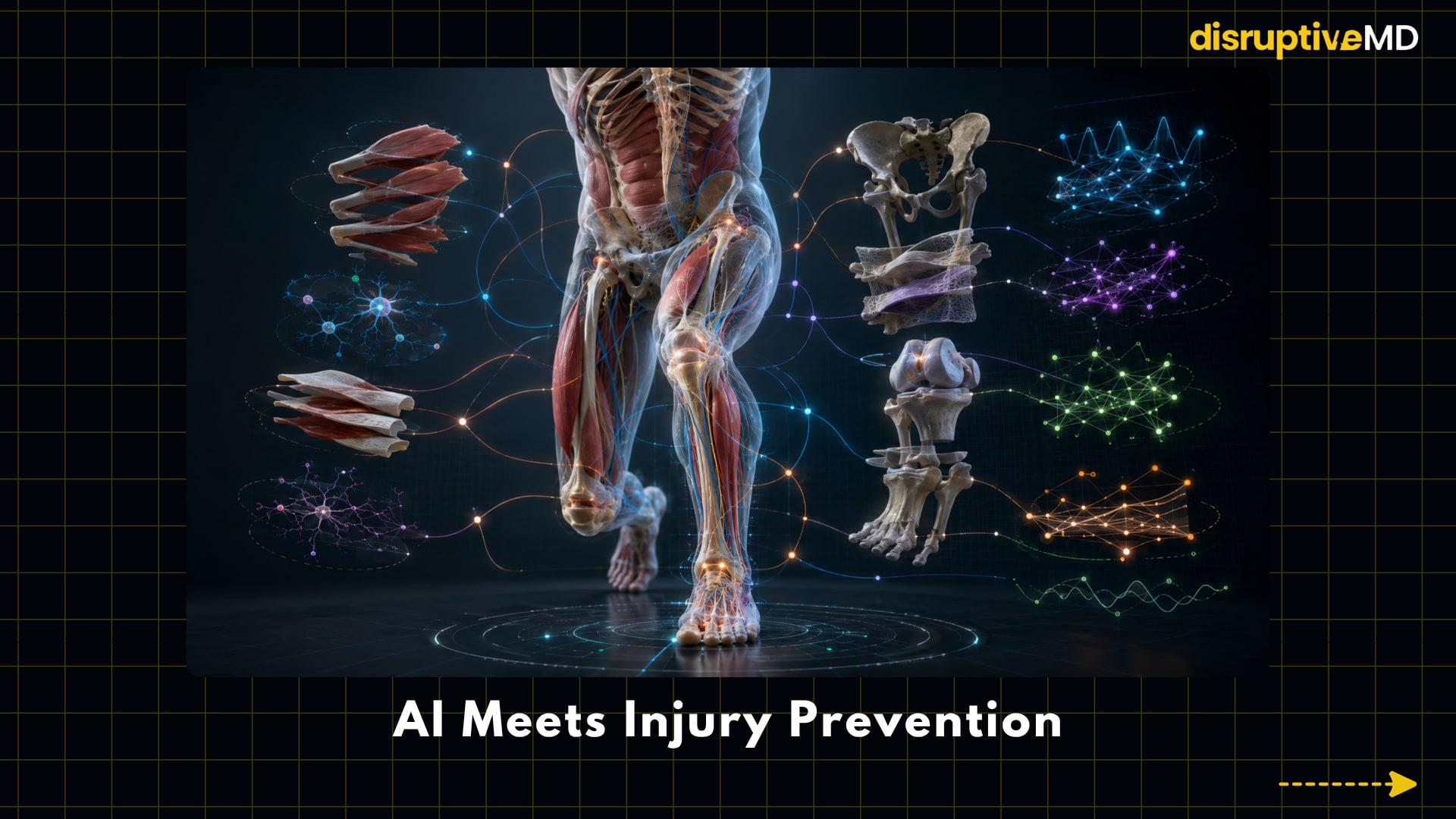
- Injury prevention is shifting from simple screening tests to predictive injury prevention.
- Artificial intelligence cannot promise that injuries will disappear.
- AI can aid clinicians, coaches, physiotherapists and health systems to detect risk patterns early enough.
How AI Transforms Athlete Data into Risk Signals
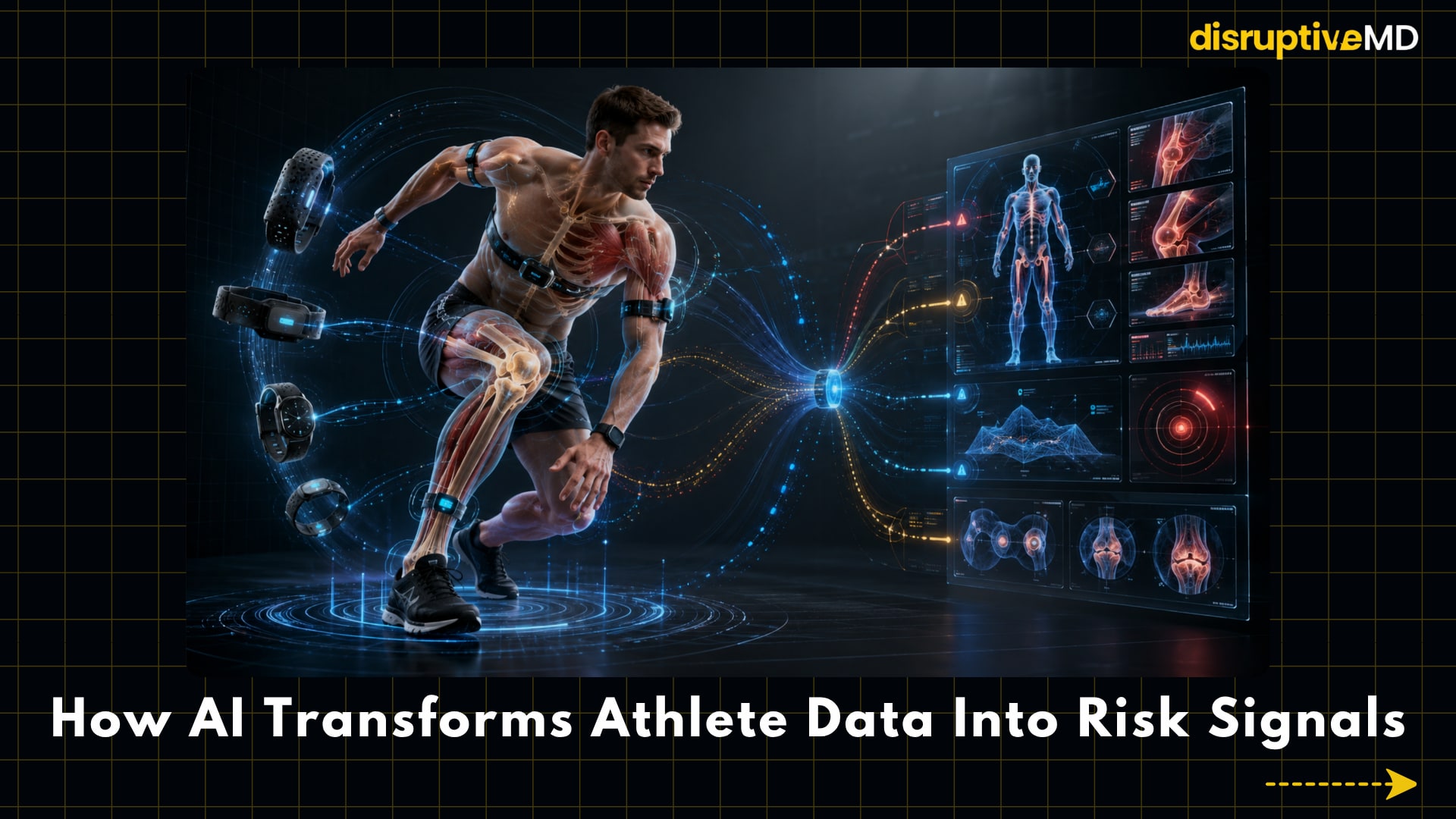
Predictive injury-prevention systems often incorporate wearable sensor data, clinical history and subjective recovery information in a machine-learning model. Wearable sensors can be in the form of global positioning systems to estimate running distance and speed, inertial measurement units to capture acceleration, deceleration and body movement, heart rate monitors to reflect cardiovascular load, and force plates to measure how the body produces and absorbs force when jumping or landing. These data streams are important because doctors and performance teams cannot accurately see every minor change in workload, fatigue, and neuromuscular performance by observation alone.
One typical input is external load, describing the physical work produced by the body (total distance, sprint distance, accelerations, decelerations, or leap count). Another input is internal load, which is how the body responds to that work (e.g., heart rate, rating of perceived effort, soreness, sleep quality, or wellbeing ratings). AI may then use these signals to find trends that may be difficult for humans to understand manually, such as a player who has had an increase in sprint exposure, but a decrease in sleep quality and neuromuscular output. Why this matters: Injuries are best prevented with prompt adjustments, not with post-injury analysis.
The machine-learning models employed in this sector include random forest, extreme gradient boosting, support vector machines, decision trees, neural network and logistic regression.
Tree-based approaches like random forest and extreme gradient boosting work by partitioning data into numerous decision pathways to find combinations of attributes tied to the risk of harm. Neural networks are models based on layered processing of information. They are able to find complicated patterns when there is enough data. These methods are important because they can represent non-linear connections where injury risk does not necessarily increase in a simple straight line as effort increases.
In practice, the output of an AI injury-risk model should be used for decision support, not as a command. A system may classify an athlete as low, moderate or high risk, or it may predict a probability of injury occurring during a specific time span. The question that is useful clinically is not just, “Will this person get hurt?” but rather, “Is there a modifiable pattern of risk that we can do something about today?” This is important because the optimum application of AI is not to replace physicians, physiotherapists or coaches, but to allow them to identify sooner when load, fatigue, recovery and movement quality are drifting in a dangerous direction.
Evidence and Real-World Meaning
The scientific basis is growing, but not yet robust enough to say that AI can reliably prevent injuries before they happen.” A comprehensive review of AI in team sports (2019) contained 58 studies, 6,456 individuals, 11 AI approaches and 12 team sports. Most participants were male and most were professional athletes, hence the data was directed towards high-performance sport rather than the general population. The research concluded that AI approaches were increasingly employed for injury-risk assessment and performance prediction but also advocated for further prospective examination to prove real-world predictive performance.
A systematic review in 2021 on sport injury prediction showed that machine-learning technologies can contribute to identifying players at increased injury risk and to pointing out crucial risk variables. This is meaningful, as AI can be used not just for prediction, but also to determine which variables are of practical value in a particular sport or context. However, identifying an athlete at high risk in a dataset does not necessarily translate to establishing that an AI‐guided intervention can reduce actual injury rates. This difference matters because healthcare value is driven by improved outcomes, not just model correctness.
In a 2025 scoping review with evidence synthesis in the British Journal of Sports Medicine, it was reported that random forest and extreme gradient boosting often had the highest statistical performance for injury-risk prediction and logistic regression was better than machine-learning methods in some studies. The analysis also pointed out that there were just a few studies reporting very high area under the curve values above 0.9 and even these findings had dubious therapeutic relevance. The area under the curve (AUC) is a measure of performance that describes how well a model separates people who later have an event from people who do not; a high AUC can look impressive, but it may still be clinically weak if the prediction window is too broad, the injury definition is vague, or the model cannot guide a specific prevention action.
Real world evidence offers hope and caution. A 2025 study on football, employing GPS-derived external-load data of 25 professional players over 1 season, identified decelerations as the variable with the greatest predictive performance of all the examined variables (AUC = 0.91; recall = 87.5%; precision = 58.3%; accuracy = 94.7%). Recall is the proportion of true injury instances that the model accurately identifies. Precision is the fraction of positive risk warnings that are truly right. This is important as a system with high recall, but poor precision would identify many at-risk instances but also generate false alarms, which can lead to wasteful training restriction if doctors do not analyse the information properly.
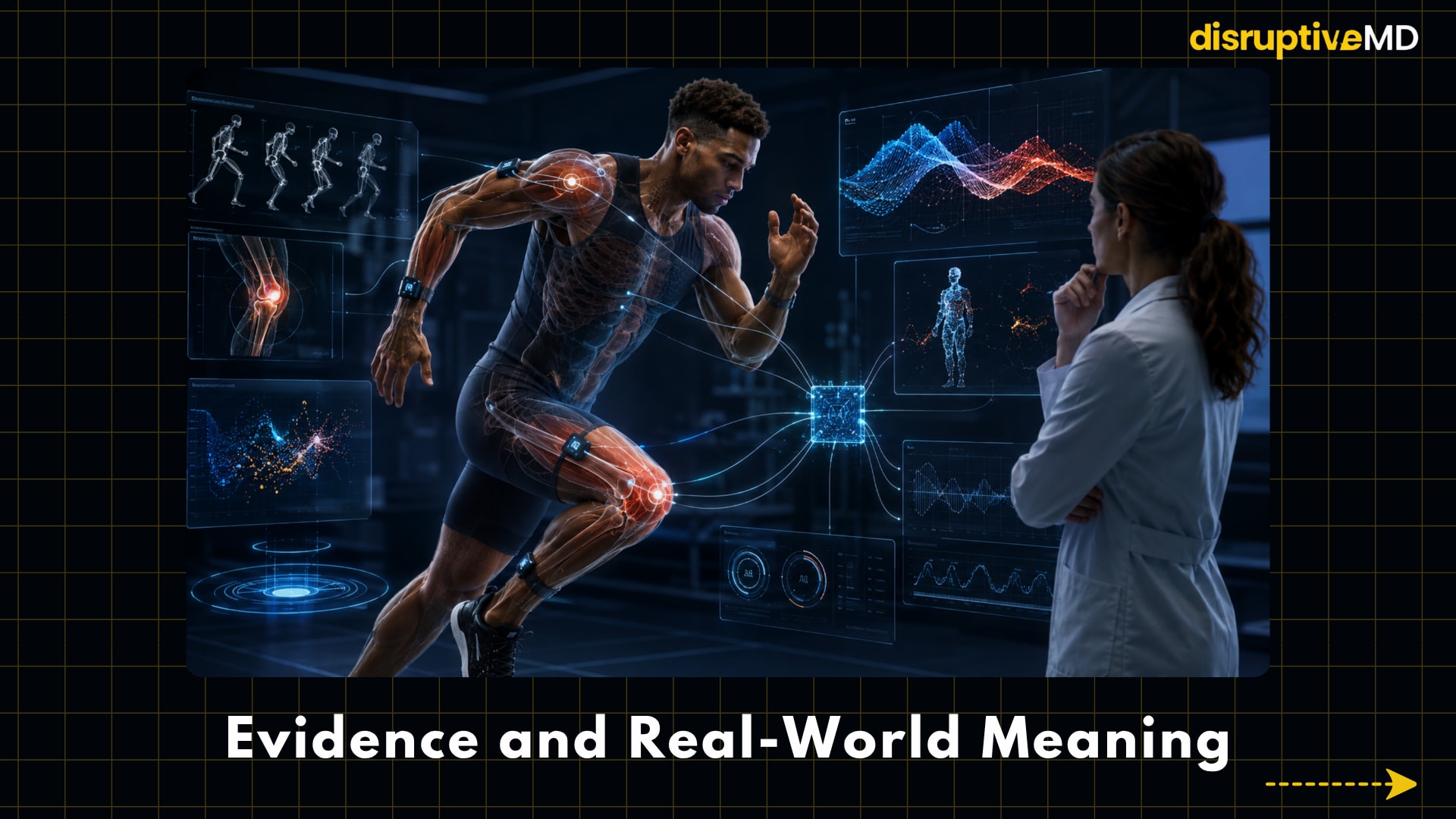
Recent reviews of AI and wearable technologies in sport describe a consistent direction; wearable systems can collect high-frequency physiological, biomechanical, and behavioural data while AI can help interpret those data for workload management, recovery monitoring, return to play decisions and injury-risk estimation. The real-world implication is that predictive injury prevention is most beneficial when it supports a human-in-the-loop model, where doctors and performance staff employ algorithmic signals in combination with examination, athlete history, sport context and clinical judgement. It important because injury prevention is not only a mathematical problem but a clinical decision in a dynamic human system.
Limitations, Risks, and Unanswered Questions
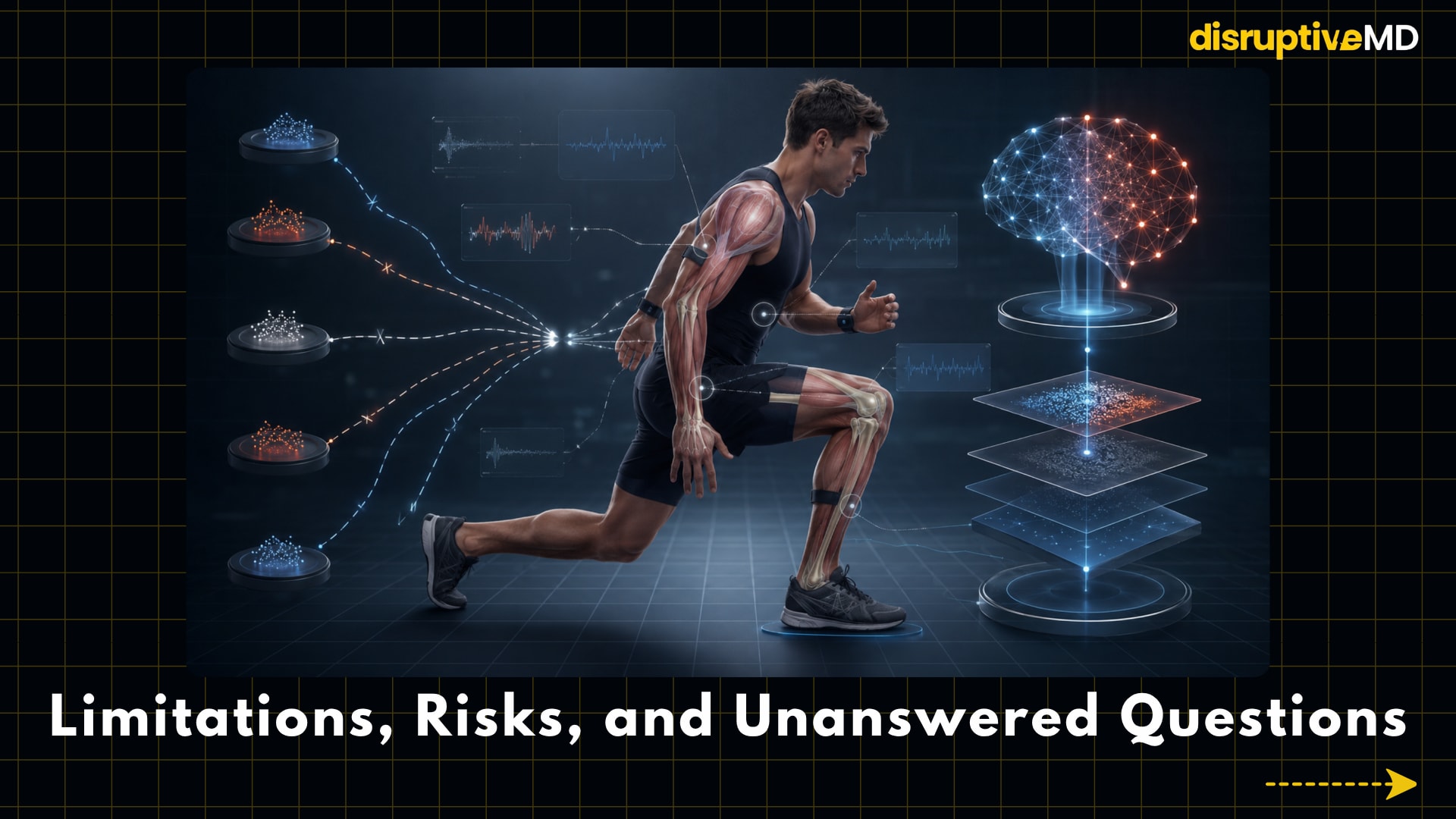
The main drawback is that many AI injury models are built on tiny, narrow, or very particular datasets. Elite teams may get precise data every day, yet they tend to have small squads and very few injuries. This creates a class imbalance problem. Class imbalance denotes the great excess of days with no injury over days with injury. This makes it easier for a model to look right by mostly predicting “no injury.” This is important because a model can look statistically good yet still fail to identify the rare occurrences that physicians are most concerned about.
External validation is still a big hurdle. External validation is when you test a model with a fresh group of people, different team, season, sport, clinic or population to check if it still works well. Otherwise, an algorithm may only learn the habits, equipment, schedule, and method of documenting injuries of one setting, not a pattern of injury risk that can be generalized. This is important as a model trained on professional male football players may not be properly generalized to adolescent athletes, female athletes, recreational runners, military recruits, or patients in rehabilitation.
Poor quality data also damages clinical trust. Wearable sensors may also create missing data, noisy data, device-to-device variation, and inconsistent measurements if placement, calibration, sample frequency, or collection processes are not consistent. Subjective indicators like discomfort, stress, and sleep quality can contribute essential context, but require honest and regular reporting. This is important, because AI does not cure bad data, but can amplify bad data into confident looking but false predictions.
Prejudice is another big concern. Many published datasets are biased towards male, adult, elite and professional athletes and under-represent female athletes, youth athletes, elderly individuals, recreational populations and those with diverse body types or access to care. Algorithmic bias means that the model may perform better for the group it was trained on, and worse for underrepresented groups. This is important as predictive injury prevention should not increase health and performance inequities by just providing the most accurate tools to already well-resourced communities.
There are also practical risks. If a team puts too much faith in a risk score, athletes may be pulled from training or competition unnecessarily. If a team throws out a risk score because it causes too many false alarms, the system could become irrelevant. Injury-risk prediction can be a tool for data collection but also can become surveillance rather than healthcare help without clear consent, privacy protections, and control. This is important because AI in sports medicine must safeguard athlete autonomy, confidentiality and clinical safety, not only performance availability.
Another open issue is the regulatory status. Many existing AI injury-risk solutions are employed as wellness, performance, or decision-support systems rather than as technically certified diagnostic medical devices. It depends on the product, the country, what the product is used for, and whether the system is making medical claims. This is important because doctors and health systems should separate research models, performance dashboards, rehabilitation support tools, and regulated medical devices before considering any forecast to be clinically actionable.
Conclusion
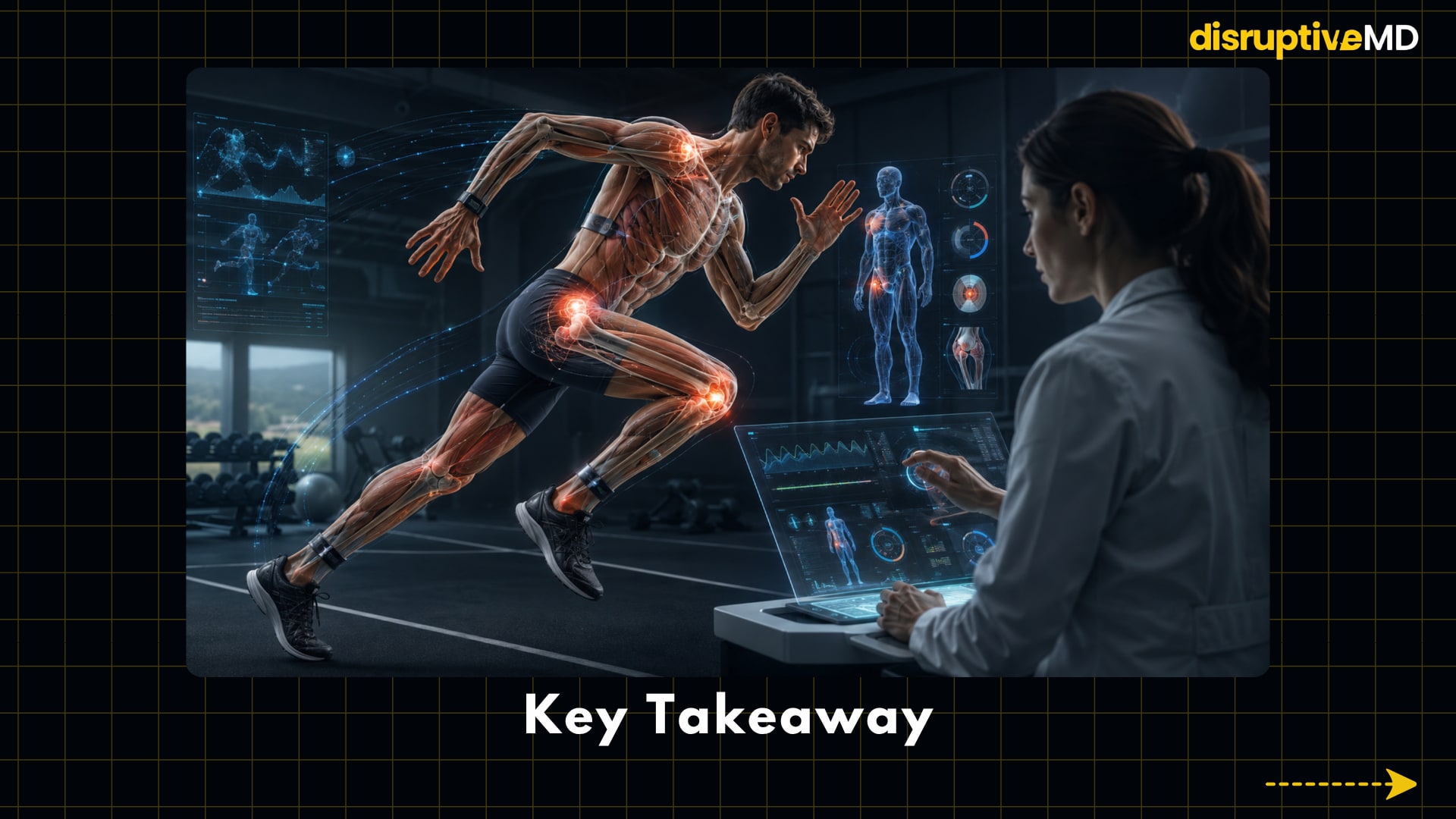
AI will not “stop” injuries in the absolute sense; injury risk is biological, behavioural, environmental and sometimes unanticipated. Its more actual value is early identification of danger trends. When high quality data are collected consistently, machine-learning models may be useful to identify periods of increased susceptibility, promote workload modification, lead recovery conversations and support return-to-play decisions.
Predictable injury prevention’s future will depend less on bold assertions and more on rigorous evaluation. The most useful systems will likely integrate wearable sensors, clinical examination, athlete-reported recovery, prior injury history, and explainable algorithms that explain why a risk signal was flagged. The goal is not to replace human judgment, but to make prevention more immediate, tailored and evidence-informed for patients, athletes, clinicians, researchers and health systems.
Predictive injury prevention could thus be considered as an emerging subject of decision support. It is promising as it can spot trends that human observers may overlook, but it is limited because prediction is not prevention. The next stage is not just to develop better models, but to show that AI-guided decisions can reduce injury in real clinical and sporting settings in a safe, equitable and cost-effective way.
Evidence Rating Mixed or limited evidence. The field is supported by systematic reviews, scoping reviews, observational studies and sport-specific model-development studies, but the evidence is limited by heterogeneous injury definitions, small datasets, class imbalance, limited external validation and few studies that demonstrate that AI-guided interventions reduce actual injury rates. Evidence for decision assistance is encouraging, but not strong enough to say that AI can reliably avoid accidents before they happen. Educational Disclaimer This article is for educational purposes only and is not a substitute for professional medical advice, diagnosis, treatment, rehabilitation planning, or return-to-sport decision-making. Individuals with pain, injury, reduced function, or training-related concerns should consult qualified healthcare professionals.
References
- Bahr R, Clarsen B, Derman W, et al. International Olympic Committee consensus statement: methods for recording and reporting epidemiological data on injury and illness in sport 2020. British Journal of Sports Medicine. 2020;54(7):372–389. doi:10.1136/bjsports-2019-101969
- Bittencourt NFN, Meeuwisse WH, Mendonça LD, Nettel-Aguirre A, Ocarino JM, Fonseca ST. Complex systems approach for sports injuries: moving from risk factor identification to injury pattern recognition—narrative review and new concept. British Journal of Sports Medicine. 2016;50(21):1309–1314. doi:10.1136/bjsports-2015-095850
- Claudino JG, Capanema DO, de Souza TV, Serrão JC, Pereira ACM, Nassis GP. Current approaches to the use of artificial intelligence for injury risk assessment and performance prediction in team sports: a systematic review. Sports Medicine – Open. 2019;5(1):28. doi:10.1186/s40798-019-0202-3
- Van Eetvelde H, Mendonça LD, Ley C, Seil R, Tischer T. Machine learning methods in sport injury prediction and prevention: a systematic review. Journal of Experimental Orthopaedics. 2021;8(1):27. doi:10.1186/s40634-021-00346-x
- Leckey C, Van Dyk N, Doherty C, Lawlor A, Delahunt E. Machine learning approaches to injury risk prediction in sport: a scoping review with evidence synthesis. British Journal of Sports Medicine. 2025;59(7):491–500. doi:10.1136/bjsports-2024-108576
- Saberisani RS, Barati AH, Zarei M, Santos P, Gorouhi A, Ardigò LP, Nobari H. Prediction of football injuries using GPS-based data in Iranian professional football players: a machine learning approach. Frontiers in Sports and Active Living. 2025;7:1425180. doi:10.3389/fspor.2025.1425180
- Dehbane OD, Ouahabi S, El Filali S, et al. Systematic review of different approaches for performance enhancement in elite sport. Frontiers in Artificial Intelligence. 2026;9:1781958. doi:10.3389/frai.2026.1781958
- Alkasasbeh WJ, Amawi AT, Grivas GV, Orhan BE, Alawamleh T. Artificial intelligence and wearables in sport: performance, injury risk, and wellbeing. Frontiers in Artificial Intelligence. 2026;9:1838507. doi:10.3389/frai.2026.1838507
- Collins GS, Moons KGM, Dhiman P, et al. TRIPOD+AI statement: updated guidance for reporting clinical prediction models that use regression or machine learning methods. BMJ. 2024;385:e078378. doi:10.1136/bmj-2023-078378
- Moons KGM, Damen JAAG, Kaul T, et al. PROBAST+AI: an updated quality, risk of bias, and applicability assessment tool for prediction models using regression or artificial intelligence methods. BMJ. 2025;388:e082505. doi:10.1136/bmj-2024-082505
- Vasey B, Nagendran M, Campbell B, et al. Reporting guideline for the early-stage clinical evaluation of decision support systems driven by artificial intelligence: DECIDE-AI. Nature Medicine. 2022;28(5):924–933. doi:10.1038/s41591-022-01772-9