
What if disease could be treated by sending precise electrical signals through the body’s own nerves?
Medicine has traditionally treated disease by changing chemistry.
Antibiotics attack microorganisms. Anti-inflammatory drugs alter immune pathways. Painkillers change the transmission or perception of pain. Hormones replace missing biological signals.
Bioelectronic medicine introduces another possibility:
What if we could treat disease by changing the signals travelling through the body’s electrical communication networks?
The goal is not to replace every tablet, injection or operation. It is to add a new therapeutic layer - one that uses precisely targeted stimulation to influence nerves, muscles, organs and biological pathways.
The next prescription may include not only a molecule, but a signal.
- Every thought, sensation and voluntary movement depends on electrical activity.
- Autonomic nerves help regulate breathing, blood pressure, digestion, bladder function and metabolism.
- The therapeutic target is not simply an organ. It is the signal controlling that organ.
THE BODY IS ALREADY AN ELECTRICAL NETWORK
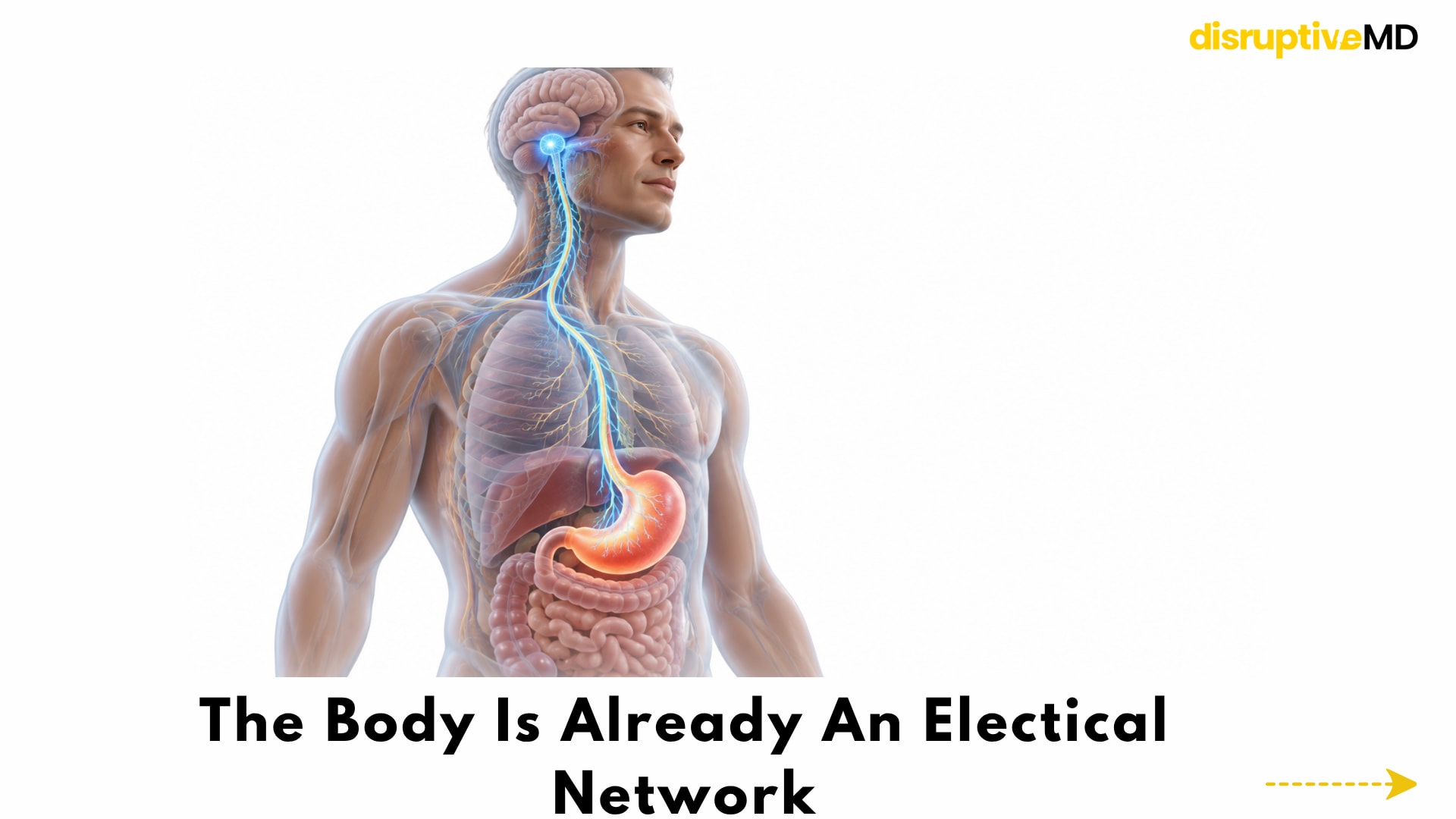
Every thought, sensation and voluntary movement depends on electrical activity.
Nerve cells communicate through rapid changes in voltage. Muscles contract when electrical signals arrive. The heart generates its own organised electrical rhythm. Autonomic nerves help regulate breathing, blood pressure, digestion, bladder function and metabolism.
The immune system does not behave exactly like a nerve or muscle, but it is connected to the nervous system through neuroimmune pathways. Neural signals can influence immune-cell behaviour, inflammatory responses and cytokine production.
This means that the body is not controlled by chemistry alone.
It operates through an interconnected language of:
- Electrical activity
- Neurotransmitters
- Hormones
- Immune signals
- Mechanical feedback
- Organ-to-brain communication
Bioelectronic medicine attempts to enter this conversation.
Instead of distributing a drug throughout the body, it may stimulate a specific nerve, interrupt an abnormal circuit or activate a muscle at a precisely chosen moment.
The therapeutic target is not simply an organ.
It is the signal controlling that organ.
WHAT EXACTLY IS BIOELECTRONIC MEDICINE?
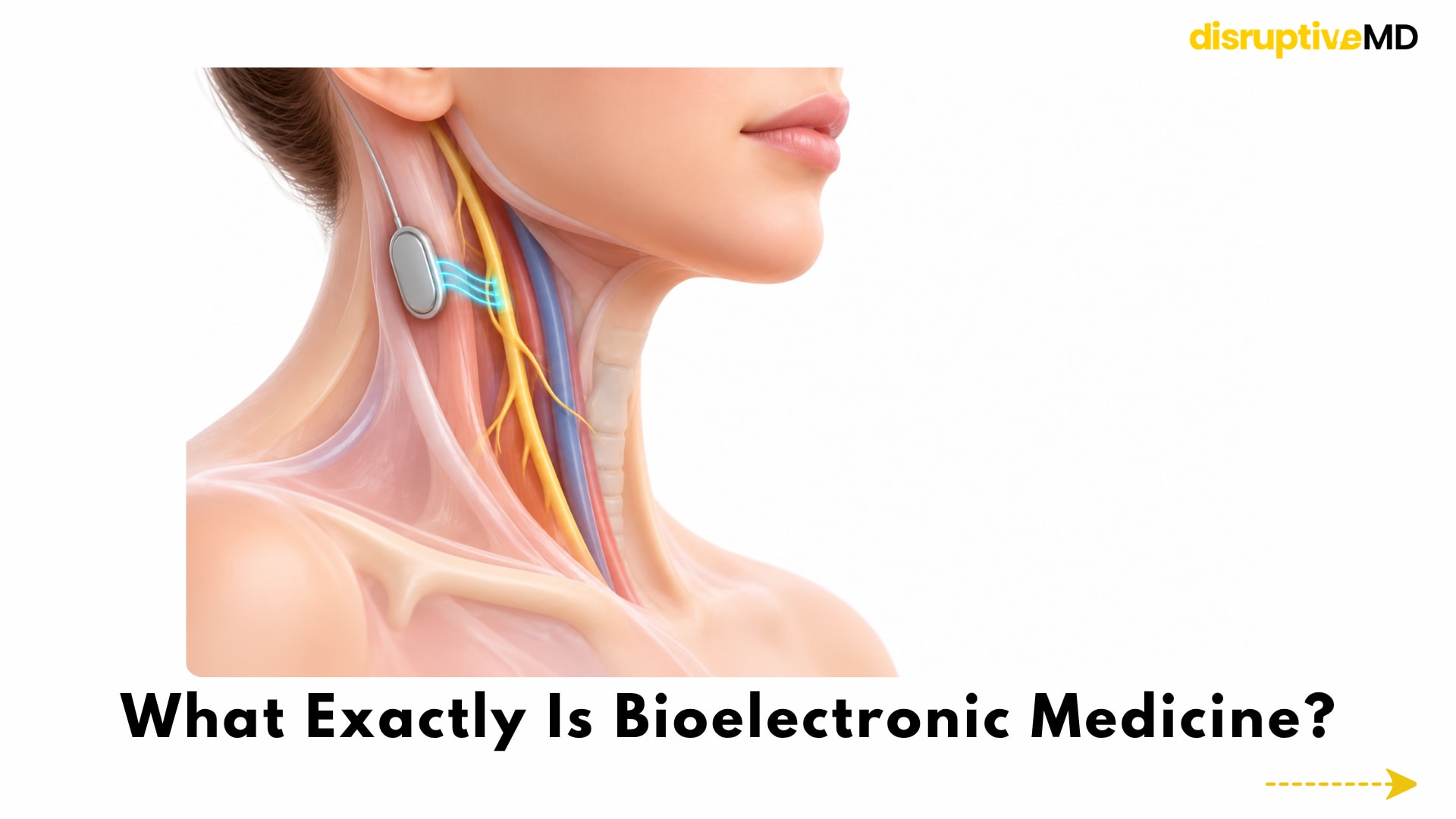
Bioelectronic medicine uses devices to record, stimulate or modify biological signalling.
Electrical stimulation can directly activate or inhibit neural tissue. Magnetic stimulation creates electrical currents inside the nervous system without inserting an electrode. Focused ultrasound uses acoustic energy not electricity itself to influence excitable tissue and is therefore better understood as part of the wider neuromodulation field.
The unifying idea is circuit-based treatment.
A bioelectronic therapy may involve:
- An implanted electrode around a nerve
- A brain or spinal-cord stimulator
- A wearable stimulation patch
- A surface electrode activating a muscle
- A magnetic coil influencing a brain circuit
- A focused-ultrasound beam targeting deeper neural tissue
- A sensor that detects abnormal activity
- An algorithm that adjusts stimulation in real time
However, “electricity” is not one universal treatment.
The biological response depends on the nerve or circuit targeted, stimulation frequency, pulse width, intensity, timing, electrode position and direction of current.
In bioelectronic medicine:
The nerve is the target.
The waveform is the dose.
The timing is part of the treatment.
THE VAGUS NERVE: A HIGHWAY BETWEEN BRAIN AND BODY
The vagus nerve is one of the most important targets in bioelectronic medicine.
It carries signals between the brain and organs including the heart, lungs and gastrointestinal system. Its branches participate in autonomic control, sensory signalling and communication between the nervous and immune systems.
Implanted vagus-nerve stimulation is already used in selected neurological and psychiatric conditions. Paired stimulation can also be delivered during rehabilitation movements to support upper-limb recovery after chronic ischaemic stroke.
Researchers have also investigated vagus-nerve stimulation for:
- Inflammatory diseases
- Autonomic dysfunction
- Gastrointestinal disorders
- Heart failure
- Pain
- Rehabilitation
- Metabolic conditions
But the vagus nerve is not a simple “on–off switch.” It contains different types of fibres carrying signals in different directions. Stimulating the wrong fibres or stimulating with the wrong pattern can produce unwanted effects.
The future therefore depends on selective targeting: activating the therapeutic circuit without unnecessarily activating everything nearby.
THE INFLAMMATORY REFLEX
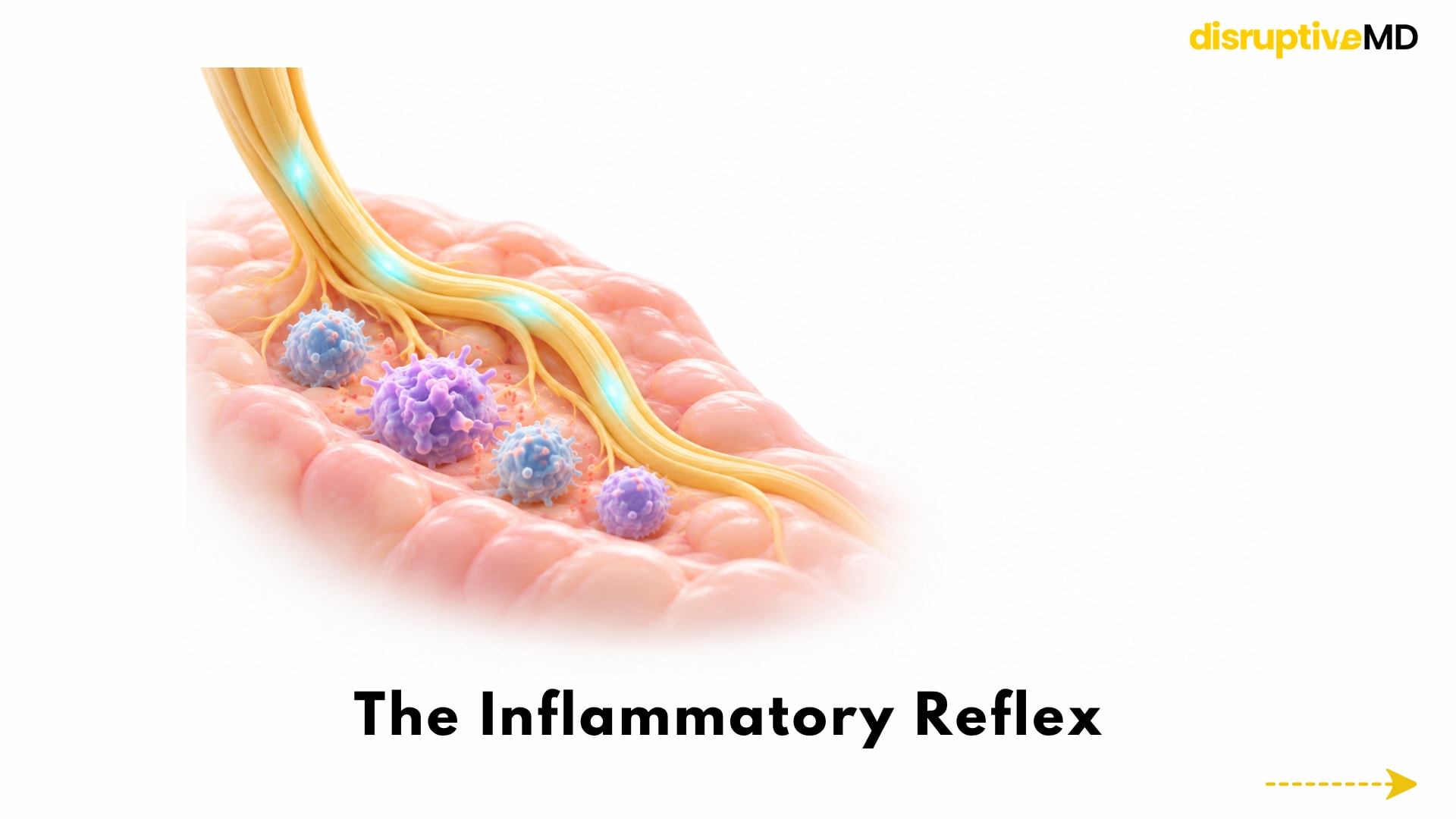
One of the most important ideas in bioelectronic medicine is the inflammatory reflex.
This is a nerve-mediated pathway through which the nervous system can sense and influence immune activity. Vagal signalling can alter inflammatory pathways and affect the production of cytokines.
That leads to a powerful therapeutic question:
Could inflammation be regulated by stimulating the nerve circuit involved in controlling it?
Early studies investigated this approach in rheumatoid arthritis and inflammatory bowel disease. Then the field crossed an important clinical threshold.
In July 2025, an implanted vagus-nerve stimulator received US regulatory approval for selected adults with moderately to severely active rheumatoid arthritis who had experienced an inadequate response, loss of response or intolerance to one or more advanced immune-modifying treatments. The pivotal sham-controlled trial involved 242 patients and met its primary efficacy endpoint.
This does not mean electricity has replaced autoimmune medication.
It means targeted neuroimmune modulation has become a real treatment pathway for a specific patient population.
Studies in Crohn’s disease and other inflammatory conditions remain smaller or earlier-stage. They are scientifically important, but they should not yet be interpreted as proof that one nerve stimulator can control every inflammatory disease.
The present reality is more precise:
Neural immune regulation is clinically real but it remains disease-specific, device-specific and patient-specific.
FROM OPEN-LOOP TO CLOSED-LOOP MEDICINE
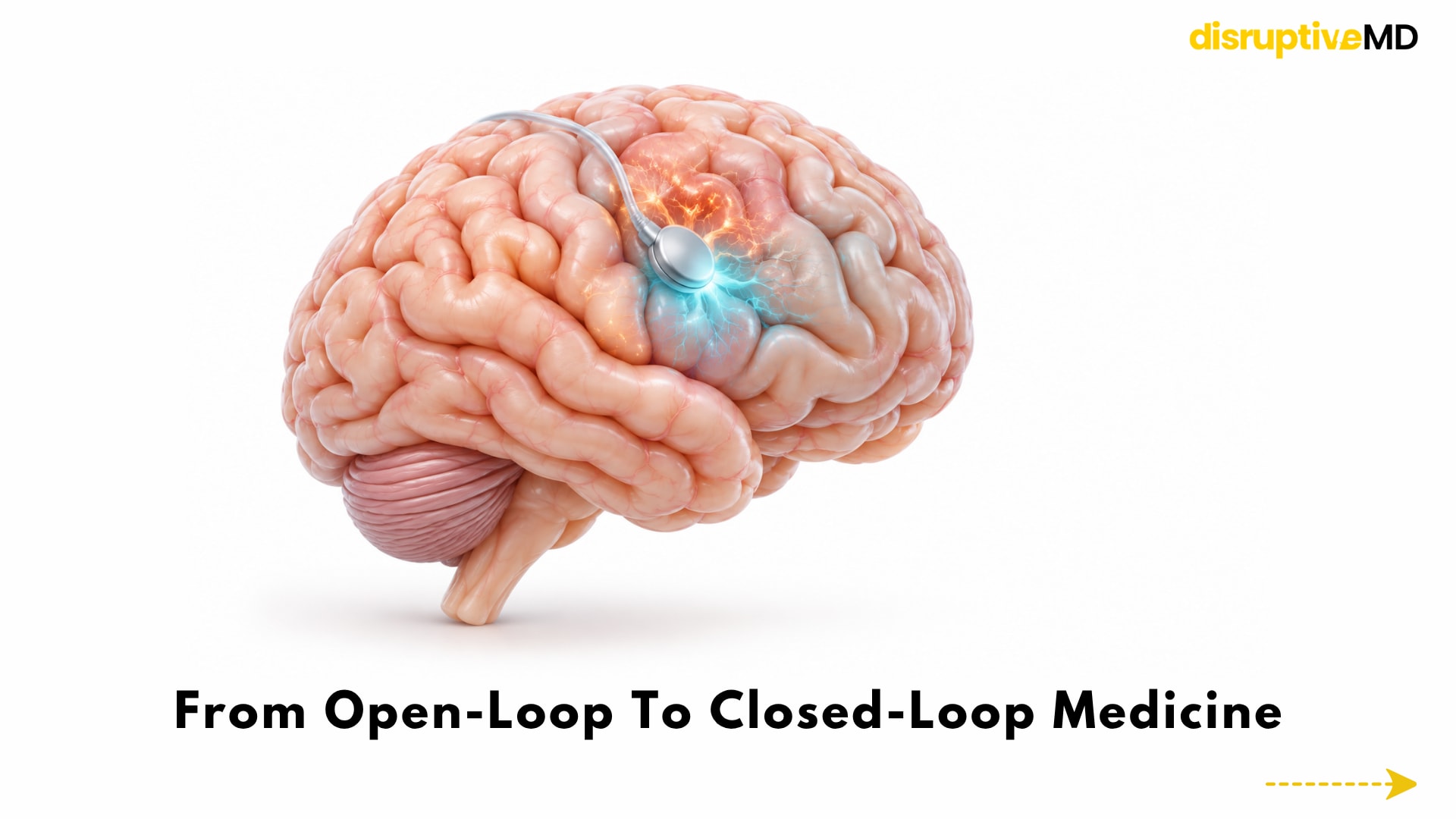
Many traditional stimulators operate in an open loop. A clinician programmes the device, and it delivers a predetermined pattern.
Closed-loop systems add feedback.
They can:
- sense a biological signal
- recognise a relevant change
- deliver or modify stimulation
- measure the response
- continue adjusting treatment
This is the difference between a device that continuously sends electricity and one that responds to the patient’s changing physiology.
Examples already exist:
Abnormal brain activity detected → targeted stimulation delivered.
Responsive brain stimulation is used in selected people with drug-resistant focal epilepsy. Long-term prospective data demonstrate that this is a genuine clinical therapy—not merely a laboratory concept.
Changing Parkinsonian brain signal detected → deep-brain stimulation adjusted.
Adaptive deep-brain stimulation can alter output using recorded neural activity. In 2025, an adaptive programming feature entered approved clinical use for selected people with Parkinson’s disease.
Spinal-cord response measured → stimulation intensity corrected.
Some closed-loop spinal-cord stimulation systems measure evoked neural responses and adjust stimulation to maintain more consistent activation during movement or changes in posture.
The futuristic extension would be:
Inflammatory signal detected → autonomic nerve stimulated.
That fully autonomous immune-control system is not yet routine care. Reliable inflammatory biomarkers, selective nerve interfaces and safe control algorithms still need further development.
DEEP-BRAIN AND SPINAL-CORD STIMULATION
Deep-brain stimulation already demonstrates that electrical therapy can change symptoms produced by abnormal neural circuits.
It is used in selected people with conditions such as Parkinson’s disease, tremor and dystonia. Electrodes placed in carefully chosen brain regions deliver stimulation that alters activity across connected networks.
It does not remove the underlying disease.
It changes how the dysfunctional circuit behaves.
The same principle is being investigated across neurological and psychiatric conditions, although the strength of evidence varies substantially by indication.
Spinal-cord stimulation is used for selected chronic pain conditions. Rather than simply “numbing” the body, it changes the processing and transmission of pain-related signals.
Newer systems aim to improve:
- Anatomical targeting
- Waveform design
- Feedback control
- Consistency during movement
- Individual programming
- Measurement of neural response
Pain is an attractive target for bioelectronic medicine because it is fundamentally connected to neural signalling. But chronic pain is not one electrical problem. It can involve peripheral nerve injury, spinal sensitisation, inflammation, altered brain networks and psychological or social factors.
A stimulator can be valuable for an appropriately selected patient without becoming a universal answer to pain.
ELECTRICITY CONNECTED DIRECTLY TO FUNCTION
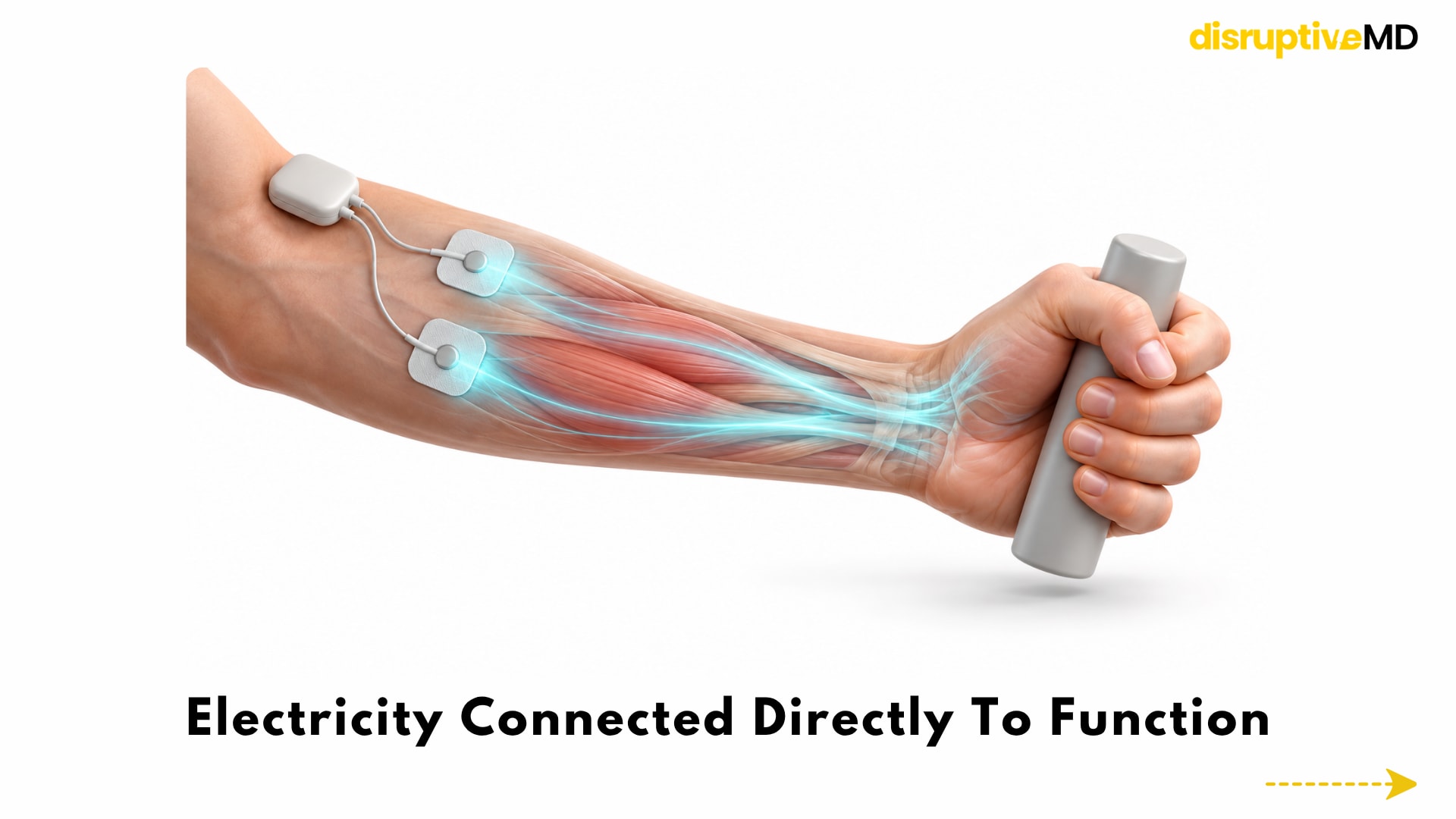
Functional electrical stimulation, or FES, uses electrical pulses to activate nerves and muscles during a meaningful task.
The goal is not simply to make a muscle twitch.
It is to help produce function, such as:
- Lifting the foot during walking
- Opening or closing the hand
- Supporting grasp
- Assisting cycling
- Improving gait training
- Activating muscles weakened after neurological injury
This makes FES particularly relevant to stroke rehabilitation, spinal-cord injury, foot drop and selected forms of paralysis or weakness.
Neuromuscular electrical stimulation can also support muscle activation during postoperative rehabilitation. For example, it may help address impaired quadriceps activation after knee surgery when used alongside a structured rehabilitation programme.
The crucial word is alongside.
Electrical stimulation does not replace movement practice, progressive loading, motor learning or skilled rehabilitation. Its value comes from pairing stimulation with the correct task at the correct time.
That is one of the most exciting principles in modern rehabilitation:
The signal is not only producing movement it may help the nervous system relearn movement.
NON-INVASIVE NEUROMODULATION
Bioelectronic treatment does not always require an implant.
Transcranial magnetic stimulation uses rapidly changing magnetic fields to induce electrical activity in targeted areas of the brain. It is an established treatment option for selected patients with depression, while other neurological and psychiatric applications continue to be investigated.
Other non-invasive approaches include:
- Transcutaneous vagus-nerve stimulation
- Transcranial electrical stimulation
- Transcutaneous electrical nerve stimulation
- External peripheral-nerve stimulation
- Wearable neuromuscular stimulators
- Focused-ultrasound neuromodulation
Focused ultrasound is especially intriguing because acoustic energy may reach deeper targets without an implanted electrode. However, low-intensity ultrasound neuromodulation remains an emerging clinical technology. Its stimulation parameters, mechanisms, reproducibility and long-term effects require further study. It should not be confused with clinically established focused-ultrasound procedures that deliberately ablate tissue.
The non-invasive future sounds simple: target a deep circuit without surgery.
The engineering reality is harder. Skin, bone, tissue depth, anatomical variation and movement can all change how much energy reaches the target.
Avoiding an incision does not automatically guarantee precise dosing.
BIOELECTRONIC GUT AND BLADDER MEDICINE
The gastrointestinal system contains an extensive neural network and maintains constant two-way communication with the brain, autonomic nerves and immune system.
Electrical and neural stimulation approaches are already used or investigated for:
- Severe nausea and vomiting associated with selected motility Disorders
- Gastroparesis
- Faecal incontinence
- Overactive bladder
- Urinary retention
- Inflammatory bowel disease
- Appetite and metabolic regulation
Sacral and tibial neuromodulation are established treatment options for selected bladder and bowel disorders. Gastric electrical stimulation is used in carefully selected patients, although its effects and supporting evidence depend on the clinical problem being treated.
Vagus-nerve stimulation for inflammatory bowel disease remains far less established. Small clinical studies are encouraging, but they do not yet justify treating it as a routine replacement for medical therapy.
The gut is not controlled by a single wire. Future systems will need to distinguish between sensory signals, motility circuits, inflammatory pathways and brain–gut communication.
BIOELECTRONIC ORTHOPAEDICS
Electricity is also relevant to orthopaedics, sports medicine and postoperative rehabilitation.
Current or emerging applications include:
- Electrical bone-growth stimulation
- Neuromuscular stimulation after surgery
- Pain modulation
- Functional muscle activation
- Peripheral-nerve stimulation
- Nerve-regeneration research
- Electroactive scaffolds
- Implant monitoring
- Sensor-guided rehabilitation
Electrical bone stimulation is already used as an adjunct in selected cases, including some delayed unions, nonunions and spinal-fusion settings. However, effectiveness depends on the indication, device and patient—not simply the presence of an electrical field.
The more futuristic concepts include scaffolds that generate electrical signals during movement, implants that monitor healing and systems that modify stimulation according to loading or tissue response.
Electrical support for tendon repair, nerve regeneration and fully intelligent orthopaedic implants remains largely experimental. A device that activates muscle during rehabilitation is clinically different from one claimed to regenerate a damaged tendon.
That distinction must remain clear.
AI-CONTROLLED STIMULATION
Artificial intelligence could help bioelectronic systems decide:
- When stimulation is needed
- Which signal represents disease activity
- How strongly to stimulate
- Which waveform to use
- Whether treatment is working
- When the response is fading
- When adverse effects may be developing
A future device might combine neural recordings, movement sensors, heart-rate patterns, sleep data, symptoms and treatment history to create a personalised stimulation strategy.
But closed-loop does not automatically mean AI.
Many current closed-loop systems use predetermined rules and thresholds. More advanced machine-learning systems remain under development and require validation across different patients and clinical environments.
The risks are not only technical. Algorithms can misclassify signals, physiological biomarkers can drift, devices can respond to noise and large volumes of intimate neural data create privacy and cybersecurity concerns.
AI may help personalise the electrical dose.
It should not independently decide what disease a patient has or replace clinical judgement.
WHAT IS REAL TODAY?
Bioelectronic medicine is already present in clinical care through:
- Cardiac pacemakers and rhythm-control devices
- Cochlear implants
- Deep-brain stimulation
- Responsive stimulation for selected forms of epilepsy
- Spinal-cord and peripheral-nerve stimulation
- Vagus-nerve stimulation for selected neurological conditions
- Vagus-nerve stimulation paired with stroke rehabilitation
- Vagus-nerve stimulation for a selected rheumatoid-arthritis population
- Functional and neuromuscular electrical stimulation
- Sacral and tibial neuromodulation
- Transcranial magnetic stimulation
- Selected electrical bone-growth stimulators
These technologies differ enormously in their targets, evidence, invasiveness and intended outcomes.
Their shared lesson is simple:
Therapeutic signalling is already real.
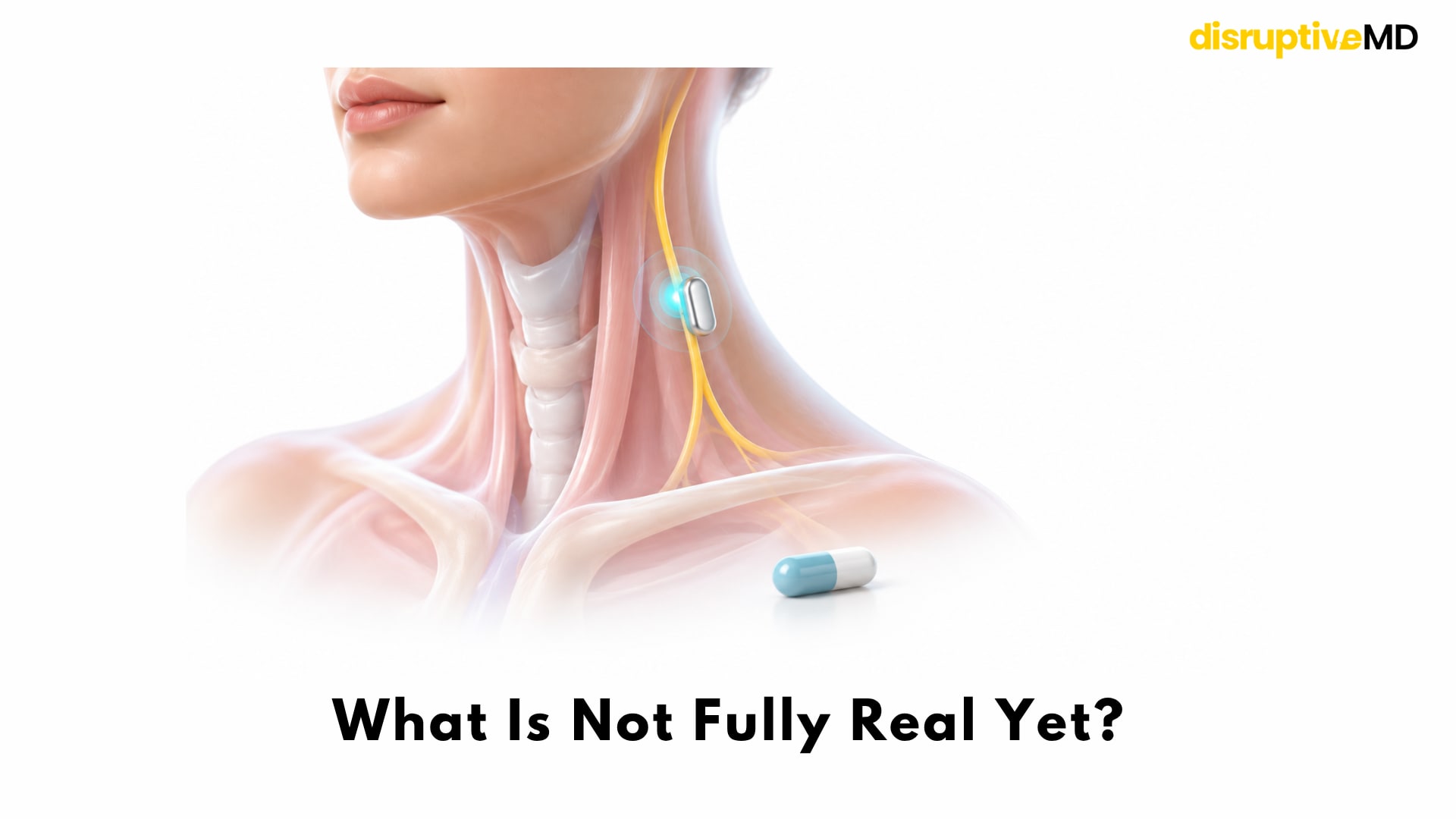
WHAT IS NOT FULLY REAL YET?
Bioelectronic medicine does not currently mean:
- Electricity replacing all medicines
- One device treating every disease
- Routine autonomous control of inflammation or metabolism
- Perfect nerve targeting without unwanted effects
- Universal closed-loop treatment for chronic pain
- Routine non-invasive stimulation of any deep-brain circuit
- AI independently programming every implant
- Electrical stimulation reliably regenerating every tendon, nerve or bone
- Devices replacing diagnosis, rehabilitation or clinical care
Implanted systems can involve surgical complications, infection, bleeding, lead movement, hardware failure, battery replacement and stimulation-related adverse effects.
Non-invasive stimulation also has limitations. Targeting may be less precise, treatment effects can vary and apparently similar devices may deliver very different energy patterns.
In bioelectronic medicine, the question is never simply:
“Does electricity work?”
The correct questions are:
Which signal? Which target? Which patient? Which waveform? At what time? And compared with what alternative?
THE BIGGER PICTURE: NOT ANTI-DRUG MEDICINE
Bioelectronic medicine is not a rejection of pharmacology.
Drugs can reach molecular targets that electrical stimulation cannot. Surgery can repair structures that neuromodulation cannot rebuild. Rehabilitation provides repetition, loading and learning that a device cannot replace.
The future is more likely to combine:
- Drugs for molecular control
- Surgery for structural treatment
- Rehabilitation for functional recovery
- Implants for precise sensing and stimulation
- Wearables for continuous monitoring
- AI for pattern recognition and personalisation
The most important shift is not from medicine to machines.
It is from treating the body only as chemistry to treating it as chemistry, structure and information.
KEY TAKEAWAY
Bioelectronic medicine is already treating selected disorders by modifying the signals carried through nerves, muscles and neural circuits.
Its future lies in making stimulation more selective, responsive and personalised, especially through better sensors, closed-loop control, non-invasive targeting and carefully governed AI.
It will not eliminate medicines.
But for some diseases, the next treatment may work by correcting an abnormal biological conversation rather than adding another chemical to it.
FACT BASE
- Bioelectronic medicine uses targeted stimulation to influence neural or physiological processes. Its effect depends on the anatomical target and stimulation parameters, not electricity alone.
- The inflammatory reflex provides a scientifically supported pathway through which neural signalling can influence cytokine production and immune activity.
- Vagus-nerve stimulation has progressed from small rheumatoid-arthritis studies to a pivotal randomized trial and a 2025 US regulatory approval for a defined treatment-resistant population. This is targeted neuroimmune treatment—not proof that all autoimmune medication can be replaced.
- Responsive stimulation is already clinically established in selected neurological and pain applications. Brain-responsive stimulation for focal epilepsy has prospective long-term outcome data, while closed-loop spinal-cord systems can adjust treatment using measured neural responses.
- Adaptive deep-brain stimulation recently moved from small feasibility studies into approved clinical use for selected Parkinson’s disease patients, but it is not yet the default form of DBS everywhere.
- Functional electrical stimulation can produce purposeful movement and support rehabilitation after neurological injury. It complements rather than replaces task-specific therapy.
- Transcranial magnetic stimulation is clinically established for selected indications. Transcranial electrical stimulation, transcutaneous vagus stimulation and focused-ultrasound neuromodulation have more variable or emerging evidence depending on the application.
- Sacral, tibial and gastric stimulation demonstrate that bioelectronic treatment extends beyond the brain and spinal cord, although patient selection and indication-specific evidence remain essential.
- Electrical stimulation has genuine musculoskeletal applications, particularly in rehabilitation and selected bone-healing situations. Claims involving tendon regeneration, autonomous healing implants or universal tissue repair remain experimental.
- AI may improve signal detection and stimulation programming, but clinical validation, interpretability, privacy, cybersecurity and human oversight remain necessary.
REFERENCES
- Famm K, Litt B, Tracey KJ, Boyden ES, Slaoui M. A jump-start for electroceuticals. Nature. 2013;496:159–161. https://doi.org/10.1038/496159a
- Tracey KJ. The inflammatory reflex. Nature. 2002;420:853–859. https://doi.org/10.1038/nature01321
- Koopman FA, et al. Vagus nerve stimulation inhibits cytokine production and attenuates disease severity in rheumatoid arthritis. Proceedings of the National Academy of Sciences. 2016;113:8284–8289. https://doi.org/10.1073/pnas.1605635113
- Genovese MC, et al. Safety and efficacy of neurostimulation with a miniaturised vagus nerve stimulation device in patients with multidrug-refractory rheumatoid arthritis. The Lancet Rheumatology. 2020;2:e527–e538. https://doi.org/10.1016/S2665-9913(20)30172-7
- Tesser JRP, Crowley AR, Box EJ, et al. Vagus nerve-mediated neuroimmune modulation for rheumatoid arthritis: a pivotal randomized controlled trial. Nature Medicine. 2026;32:369–378. https://doi.org/10.1038/s41591-025-04114-7
- Premarket approval record: vagus-nerve stimulator for rheumatoid arthritis. Decision date: 30 July 2025.
- Dawson J, et al. Vagus nerve stimulation paired with rehabilitation for upper-limb motor function after ischaemic stroke: a randomised, blinded, pivotal device trial. The Lancet. 2021;397:1545–1553. https://doi.org/10.1016/S0140-6736(21)00475-X
- Nair DR, et al. Nine-year prospective efficacy and safety of brain-responsive neurostimulation for focal epilepsy. Neurology. 2020;95:e1244–e1256. https://doi.org/10.1212/WNL.0000000000010154
- Oehrn CR, et al. Chronic adaptive deep-brain stimulation versus conventional stimulation in Parkinson’s disease: a blinded randomized feasibility trial. Nature Medicine. 2024. https://doi.org/10.1038/s41591-024-03196-z
- Premarket approval supplement: adaptive deep-brain stimulation programming feature. Decision date: 20 February 2025.
- Mekhail N, Levy RM, Deer TR, et al. Long-term safety and efficacy of closed-loop spinal-cord stimulation to treat chronic back and leg pain: a double-blind, randomised controlled trial. The Lancet Neurology.2020;19:123–134. https://doi.org/10.1016/S1474-4422(19)30414-4
- Marquez-Chin C, Popovic MR. Functional electrical stimulation therapy for restoration of motor function after spinal-cord injury and stroke: a review. Biomedical Engineering Online. 2020;19:34. https://doi.org/10.1186/s12938-020-00773-4
- Trapp NT, et al. Consensus review and considerations on transcranial magnetic stimulation to treat depression. Clinical Neurophysiology. 2025;170:206–233. https://doi.org/10.1016/j.clinph.2024.12.015
- Shi Y, Wu W. Advances in transcranial focused-ultrasound neuromodulation for mental disorders. Progress in Neuro-Psychopharmacology and Biological Psychiatry. 2025;136:111244. https://doi.org/10.1016/j.pnpbp.2024.111244
- D’Haens G, et al. Neuroimmune modulation through vagus-nerve stimulation reduces inflammatory activity in Crohn’s disease patients: a prospective open-label study. Journal of Crohn’s and Colitis. 2023;17:1897–1909. https://doi.org/10.1093/ecco-jcc/jjad151
- Desprez C, et al. Gastric and sacral electrical stimulation for motility disorders—a clinical perspective.Neurogastroenterology & Motility. 2025;37:e14884. https://doi.org/10.1111/nmo.14884
- Amundsen CL, et al. Sacral and implantable tibial neuromodulation for the management of overactive bladder: a systematic review and meta-analysis. Advances in Therapy. 2025;42:10–35. https://doi.org/10.1007/s12325-024-03019-0
- Sun J, et al. Accelerated bone healing via electrical stimulation. Advanced Science. 2025;12:e2404190. https://doi.org/10.1002/advs.202404190
- Johnson MI, et al. Efficacy and safety of transcutaneous electrical nerve stimulation for acute and chronic pain in adults: a systematic review and meta-analysis of 381 studies. BMJ Open. 2022;12:e051073. https://doi.org/10.1136/bmjopen-2021-051073
- Lerman I, Bu Y, Singh R, et al. Next-generation bioelectronic medicine: making the case for non-invasive closed-loop autonomic neuromodulation. Bioelectronic Medicine. 2025;11:1. https://doi.org/10.1186/s42234-024-00163-4
- Zanos S. Closed-loop neuromodulation in physiological and translational research. Cold Spring Harbor Perspectives in Medicine. 2019;9:a034314. https://doi.org/10.1101/cshperspect.a034314
- Ervin B, et al. Artificial intelligence and machine learning in neuromodulation for epilepsy. Journal of Clinical Neurophysiology. 2025;42:493–504. https://doi.org/10.1097/WNP.0000000000001186