
Intoduction
For most of medical history, ageing has been treated as an unavoidable background process. Doctors manage high blood pressure, diabetes, cancer, dementia, osteoporosis and heart disease as separate conditions, usually after each has become clinically visible.
Longevity medicine proposes a different question: what if medicine could intervene earlier, before multiple age-related diseases emerge?
This does not mean treating ageing as a cosmetic problem or promising immortality. It means studying the shared biological processes that gradually reduce the body’s ability to repair damage, regulate metabolism, maintain muscle, protect the brain and recover from stress. These processes influence the risk of cardiovascular disease, cancer, neurodegeneration, frailty, sarcopenia and metabolic decline.
The objective is not simply a longer lifespan. It is a longer healthspan—the period of life during which a person remains physically capable, cognitively sharp, metabolically healthy and independent. That shift, from extending years to preserving function, is turning longevity medicine into one of the most ambitious areas of modern healthcare.
Ageing Is Becoming a Medical Target
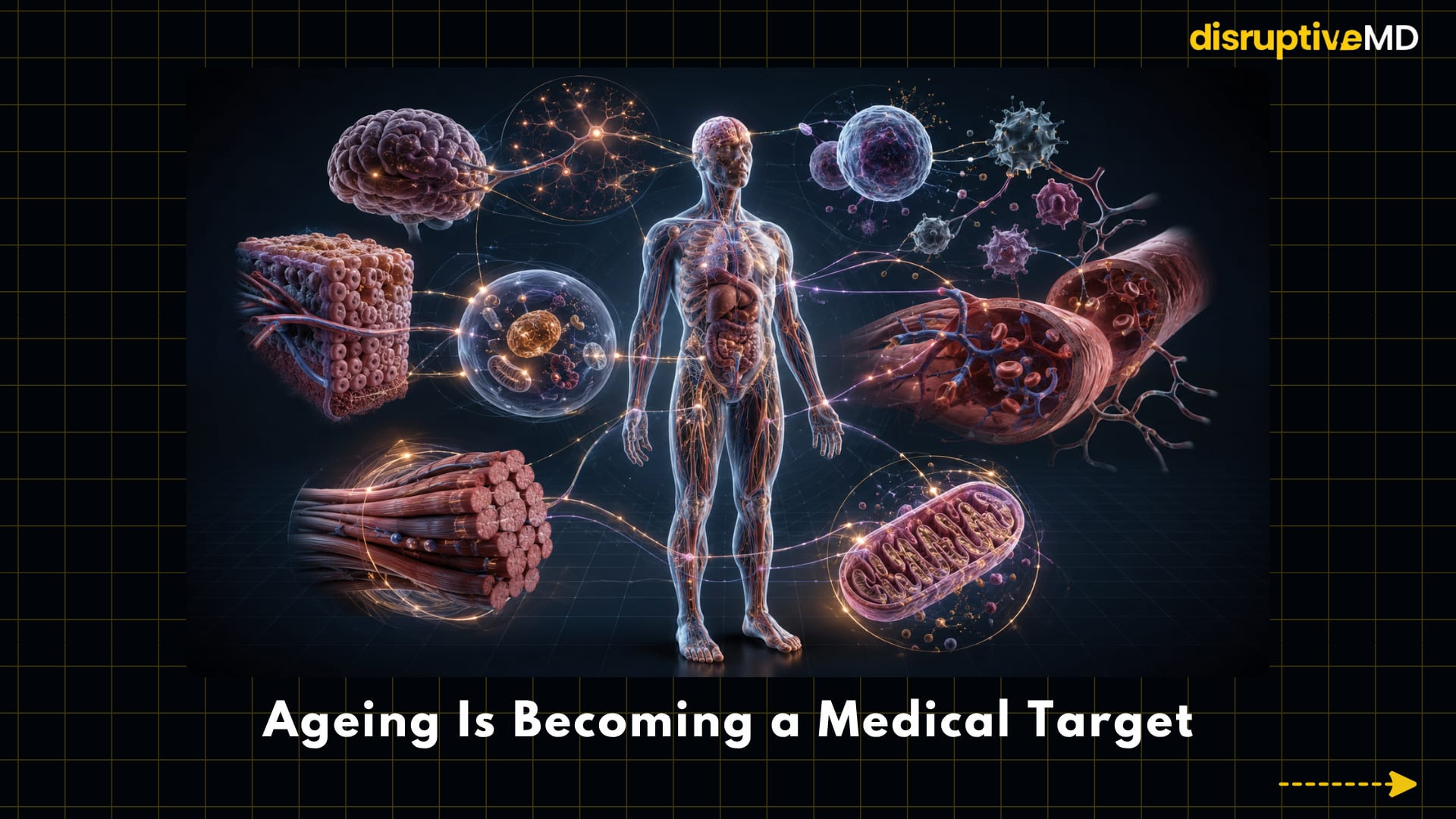
Ageing is not caused by one defective gene, one hormone or one failing organ. It develops through interconnected changes across cells, tissues and biological systems.
Researchers commonly describe these changes through the hallmarks of ageing, a framework that includes genomic instability, telomere shortening, epigenetic alterations, impaired protein maintenance, defective cellular recycling, disturbed nutrient sensing, mitochondrial dysfunction, cellular senescence, stem-cell exhaustion, chronic inflammation and disrupted communication between cells.
These mechanisms do not operate independently. Damaged mitochondria can increase cellular stress. Cellular stress can promote inflammation. Inflammation can impair stem-cell function. Reduced stem-cell activity then weakens tissue repair.
This helps explain why ageing can appear simultaneously in multiple forms: slower recovery, reduced muscle power, poorer glucose control, vascular stiffness, weaker immunity and declining cognitive resilience.
Longevity medicine attempts to identify these changes before they develop into several separate diseases. This emerging approach is often called geroscience, i.e. the study of how the biology of ageing influences multiple chronic conditions at the same time.
The futuristic possibility is that a therapy aimed at one fundamental ageing mechanism could eventually delay several diseases rather than treating only one diagnosis. However, this remains a scientific goal rather than an established clinical reality.

- Ageing is not caused by one defective gene, one hormone or one failing organ.
- It develops through interconnected changes across cells, tissues and biological systems.
- Longevity medicine attempts to identify these changes before they develop into several separate diseases.
Chronological Age Is Not the Same as Biological Age
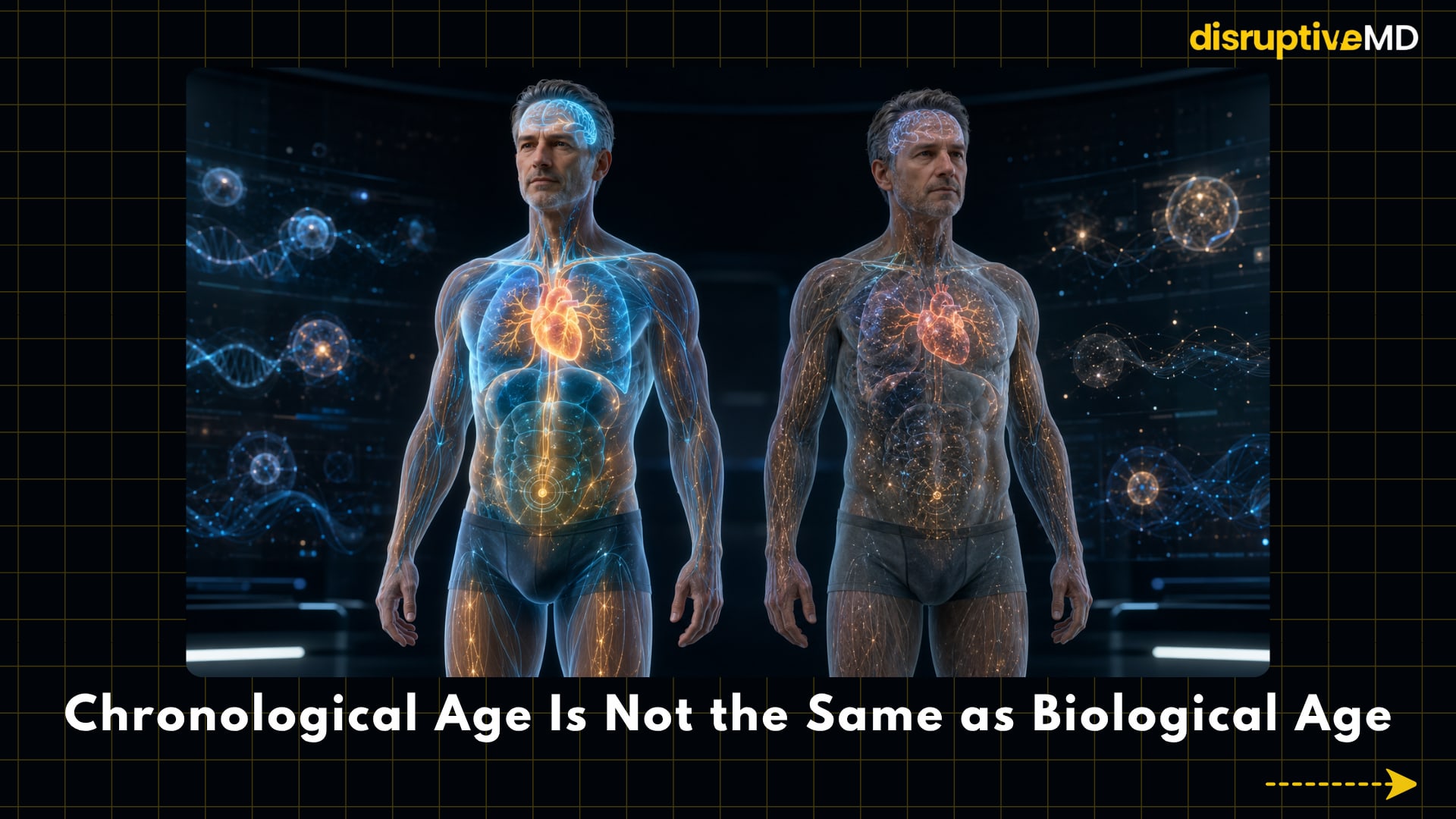
Chronological age is the number of years since birth. Biological age is more complex. It attempts to describe how rapidly or slowly cells, organs and physiological systems appear to be ageing.
Two people may both be 60 years old, yet one may have preserved strength, healthy blood vessels, good metabolic control and strong cognitive performance, while the other may already show frailty, insulin resistance and reduced cardiovascular capacity. Their chronological age is identical, but their functional and biological states are different.
Biological age is not currently one universally agreed measurement. It may be estimated using combinations of:
-
DNA methylation patterns
-
Blood proteins and metabolites
-
Inflammatory markers
-
Immune-cell characteristics
-
Organ function
-
Physical performance
-
Body composition
-
Cardiovascular fitness
-
Wearable-derived movement and sleep data
Research also suggests that different organs can age at different rates. Plasma-protein patterns, for example, have been used experimentally to estimate organ-specific ageing in the heart, brain, kidneys, liver and other tissues.
This raises an important possibility: future longevity assessments may not produce one overall age. They may show that one person has relatively preserved cardiovascular function but accelerated metabolic or neurological ageing.
That could make prevention more targeted. It also creates a major challenge because a measurement that predicts risk is not automatically accurate enough to guide treatment for an individual patient.
Epigenetic Clocks: Reading the Marks Above Our Genes
One of the best-known attempts to measure biological ageing is the epigenetic clock.
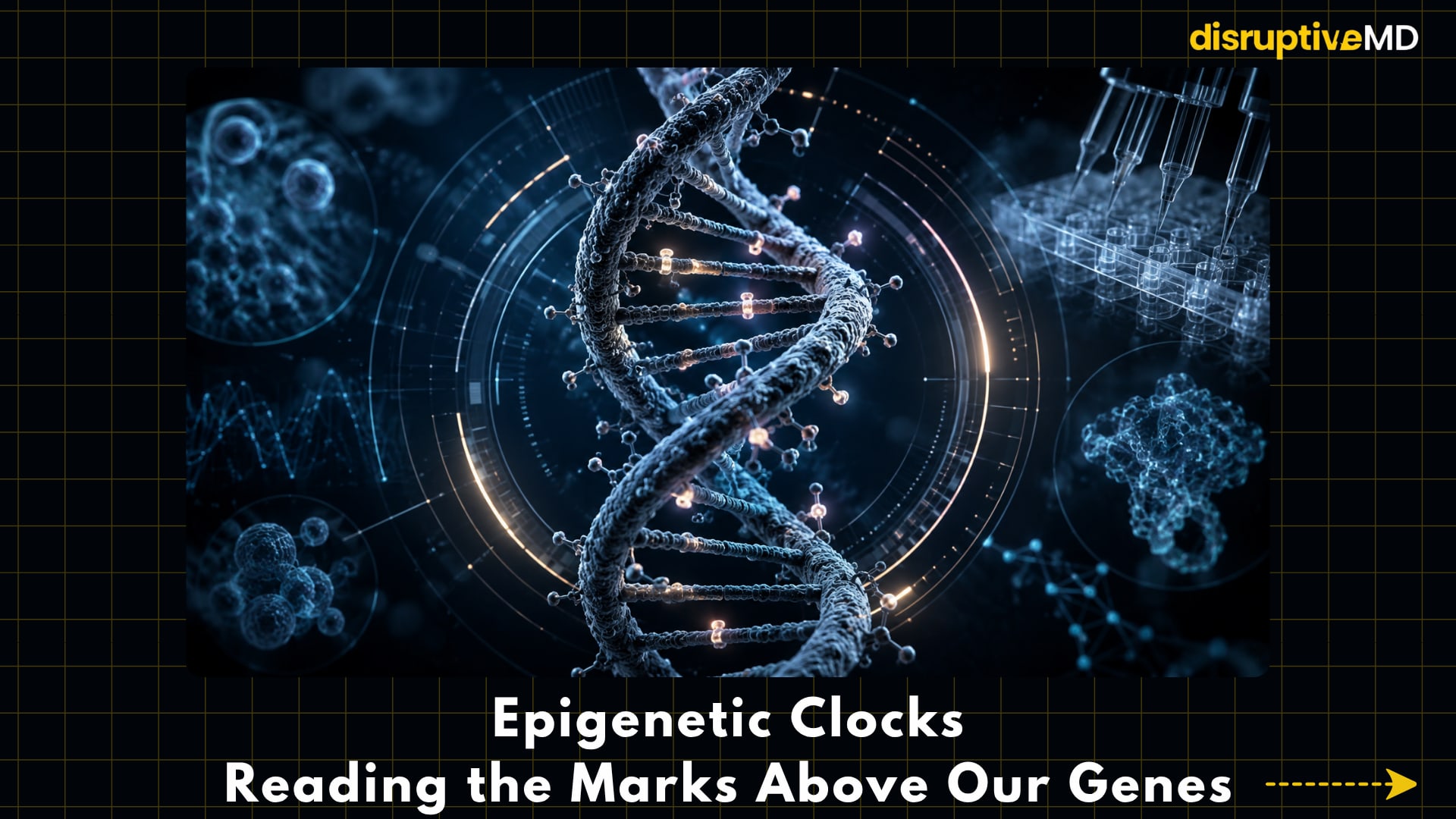
Epigenetics refers to chemical modifications that influence how genes are activated without changing the underlying DNA sequence. One important modification is DNA methylation, in which small chemical groups attach to specific parts of DNA.
Patterns of DNA methylation change with age. By analysing hundreds or thousands of these sites, researchers can build mathematical models that estimate chronological age, disease risk, mortality risk or the apparent pace of ageing.
Some epigenetic clocks have shown associations with cardiovascular disease, cancer, cognitive decline, frailty and all-cause mortality. Newer clocks are increasingly designed to measure physiological function or the rate of ageing rather than simply predicting a person’s date of birth.
But an epigenetic clock is not a medical diagnosis. Different clocks may provide different results from the same person. Results can also vary according to the tissue sampled, laboratory method, population used to train the model and health outcome the clock was designed to predict.
Most importantly, making a clock score “younger” does not automatically prove that a person has become healthier or will live longer. A valid longevity biomarker must do more than change after an intervention; it must reliably reflect meaningful improvements in function, disease risk or survival.
Epigenetic clocks are therefore powerful research tools, but their routine use for prescribing anti-ageing treatments remains premature.
Senolytics and the Search for “Zombie Cells”
Cells do not always die when they become damaged. Some enter a state called cellular senescence, in which they permanently stop dividing but remain metabolically active.
Senescence is not entirely harmful. It can help suppress tumours, support wound healing and prevent severely damaged cells from reproducing.
The problem develops when senescent cells persist and accumulate. These cells can release inflammatory molecules, enzymes and growth signals collectively described as the senescence-associated secretory phenotype. This chemical environment may damage nearby tissues, disturb immune function and contribute to fibrosis, metabolic dysfunction and impaired regeneration.
Because senescent cells remain alive but no longer perform their original role normally, they are sometimes described as “zombie cells.”
Senolytics are experimental drugs designed to selectively eliminate certain senescent cells. In animal studies, removing these cells has improved several age-related conditions. Early human studies have tested senolytic combinations in small groups with diseases associated with high senescent-cell burden, including pulmonary fibrosis and diabetic kidney disease.
These studies helped show that targeting senescence in humans may be biologically possible. They did not prove that senolytics reverse whole-body ageing, prevent disease in healthy people or extend human lifespan.
Senescent cells also differ between tissues, and some remain physiologically useful. A drug that removes the wrong cells, reaches the wrong organ or suppresses beneficial senescence could cause harm.
The future is therefore likely to involve precision senolytics that identify particular senescent-cell types, target specific tissues and are given intermittently rather than continuously.
For now, self-treatment with prescription drugs or unregulated supplements marketed as senolytics is not supported by sufficient clinical proof.
Mitochondria: More Than the Cell’s Power Supply
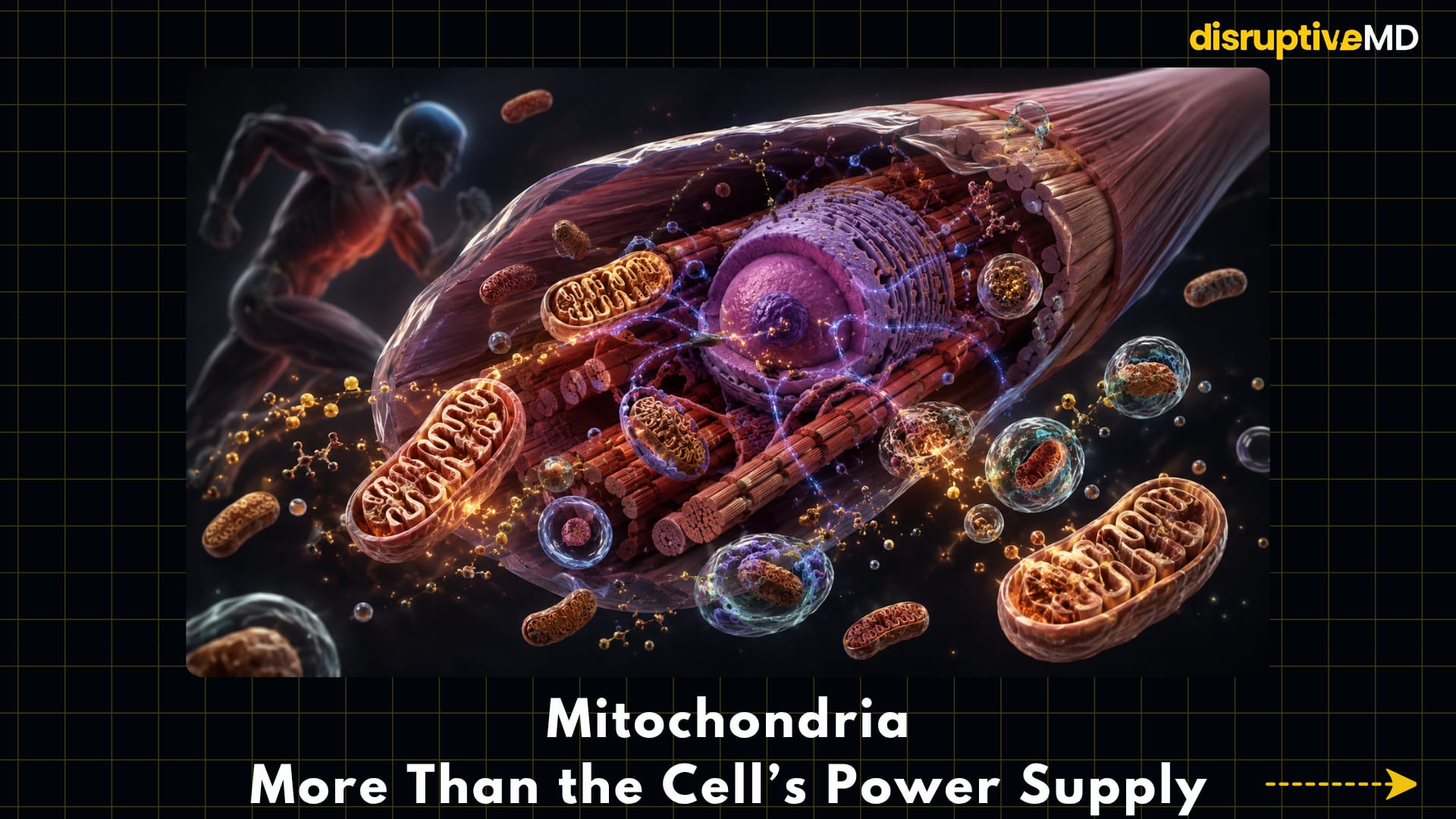
Mitochondria are commonly described as the powerhouses of cells because they produce adenosine triphosphate, or ATP, the molecule used to power many cellular processes.
Their role in ageing extends far beyond energy production.
Mitochondria help regulate inflammation, cell death, oxidative stress, calcium balance and communication between the nucleus and the rest of the cell. When they become damaged, the body normally removes them through a recycling process called mitophagy.
With ageing, mitochondrial quality control can become less efficient. Damaged mitochondria may accumulate, energy production can become less adaptable, and tissues with high energy requirements, such as the brain, heart and skeletal muscle, may lose functional reserve.
The goal is not simply to create more mitochondria. Healthy ageing requires mitochondria that can adapt to changing energy demands, communicate effectively and be removed when they are no longer functioning correctly.
Exercise remains one of the most reliable human interventions for supporting this system. Research in older adults shows that lifelong and structured exercise can preserve mitochondrial volume, connectivity and oxidative capacity in skeletal muscle.
This is an important reminder that one of the most advanced targets in longevity science is already influenced by an accessible biological stimulus: physical activity.
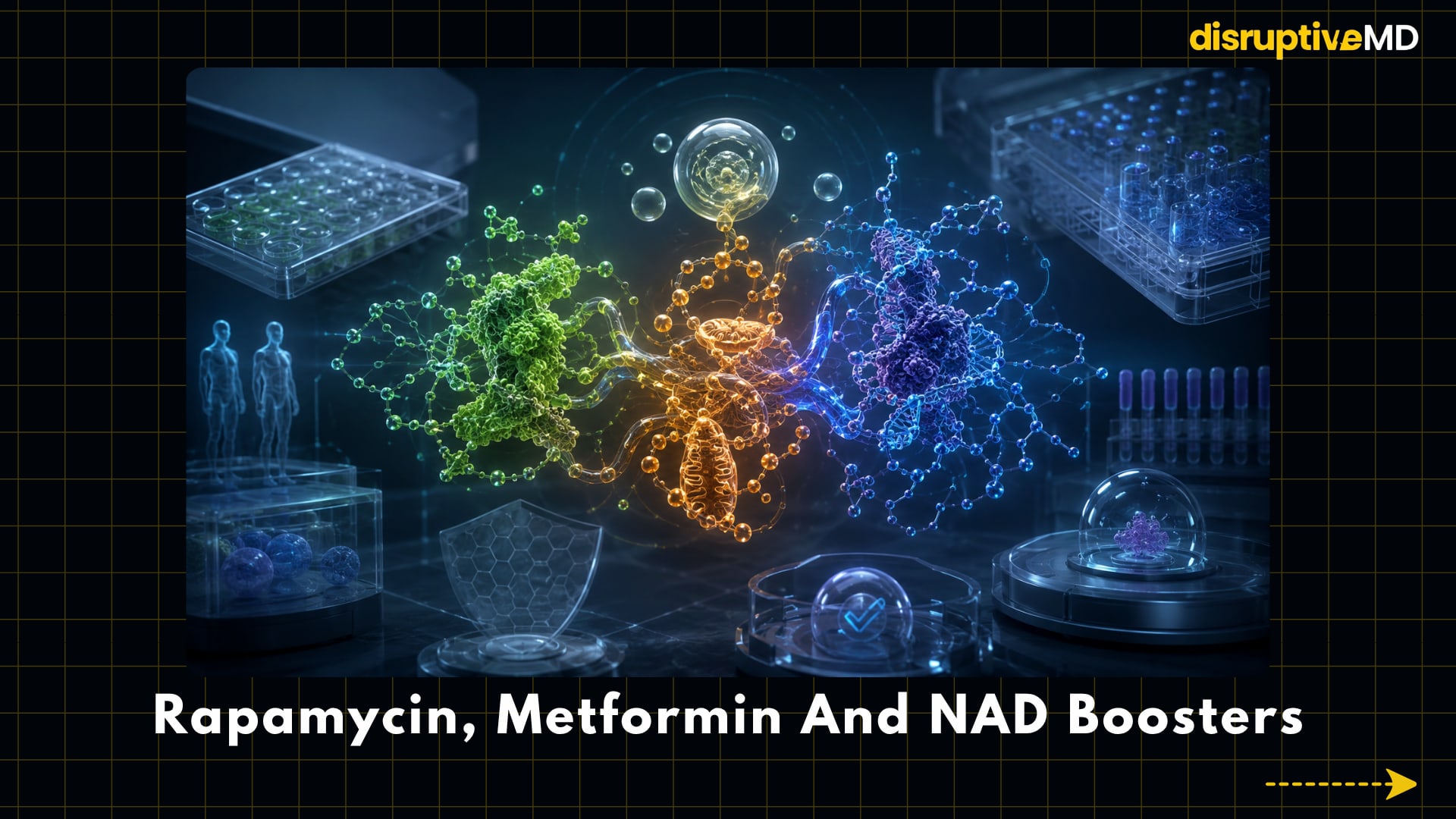
Rapamycin, Metformin and NAD Boosters: Promising Biology, Unfinished Proof
Several existing drugs and supplements have become associated with longevity because they influence nutrient sensing, metabolism or cellular repair. Their biological rationale is interesting, but their ability to extend healthy human lifespan has not been established.
Rapamycin and the mTOR Pathway
Rapamycin influences a nutrient-sensing pathway called mechanistic target of rapamycin, or mTOR.
When nutrients and growth signals are abundant, mTOR supports protein production, cell growth and reproduction. When mTOR activity is reduced, cells may shift resources toward maintenance, stress resistance and recycling.
Rapamycin and related compounds have extended lifespan in several animal models. Small human studies using mTOR inhibitors have also reported changes in immune responses among older adults.
However, mTOR is essential for immunity, wound healing, metabolism and muscle adaptation. Excessive inhibition can produce mouth ulcers, metabolic disturbance, infection risk, blood abnormalities and other adverse effects.
The appropriate dose, treatment schedule, target population and long-term risk-benefit balance for healthy longevity remain unknown. Rapamycin is therefore a research candidate, and not a routine anti-ageing medication.
Metformin and Metabolic Ageing
Metformin is widely used to treat type 2 diabetes. It improves glucose regulation and influences mitochondrial metabolism, insulin signalling and cellular energy sensing.
Observational studies in people with diabetes helped generate interest in its possible effects on age-related disease. Small mechanistic studies have also examined whether metformin can modify biological pathways connected to ageing.
But benefits observed in people with diabetes cannot automatically be transferred to healthy individuals. Metformin may also interfere with some beneficial adaptations to aerobic exercise in certain people, showing that a drug considered protective in one context can be counterproductive in another.
Whether metformin can delay multiple age-related diseases in people without diabetes remains unresolved.
NAD Boosters
Nicotinamide adenine dinucleotide, or NAD, is required for energy metabolism, DNA repair and enzymes involved in cellular stress responses.
Supplements containing NAD precursors, such as nicotinamide riboside and nicotinamide mononucleotide, can increase NAD-related metabolites in human blood. This confirms biological absorption, but raising a blood marker is not the same as improving healthspan.
In a randomized study involving older adults with mild cognitive impairment, nicotinamide riboside increased blood NAD levels but did not improve cognition during the study period.
Longer trials are needed to determine whether NAD supplementation meaningfully improves physical performance, organ function, disease risk or survival. Product purity, dose and long-term safety also require careful evaluation.
The essential distinction is between** biological activity** and clinical benefit. A compound can change a pathway without producing an outcome that matters to patients.
Muscle May Be the Most Practical Organ of Longevity
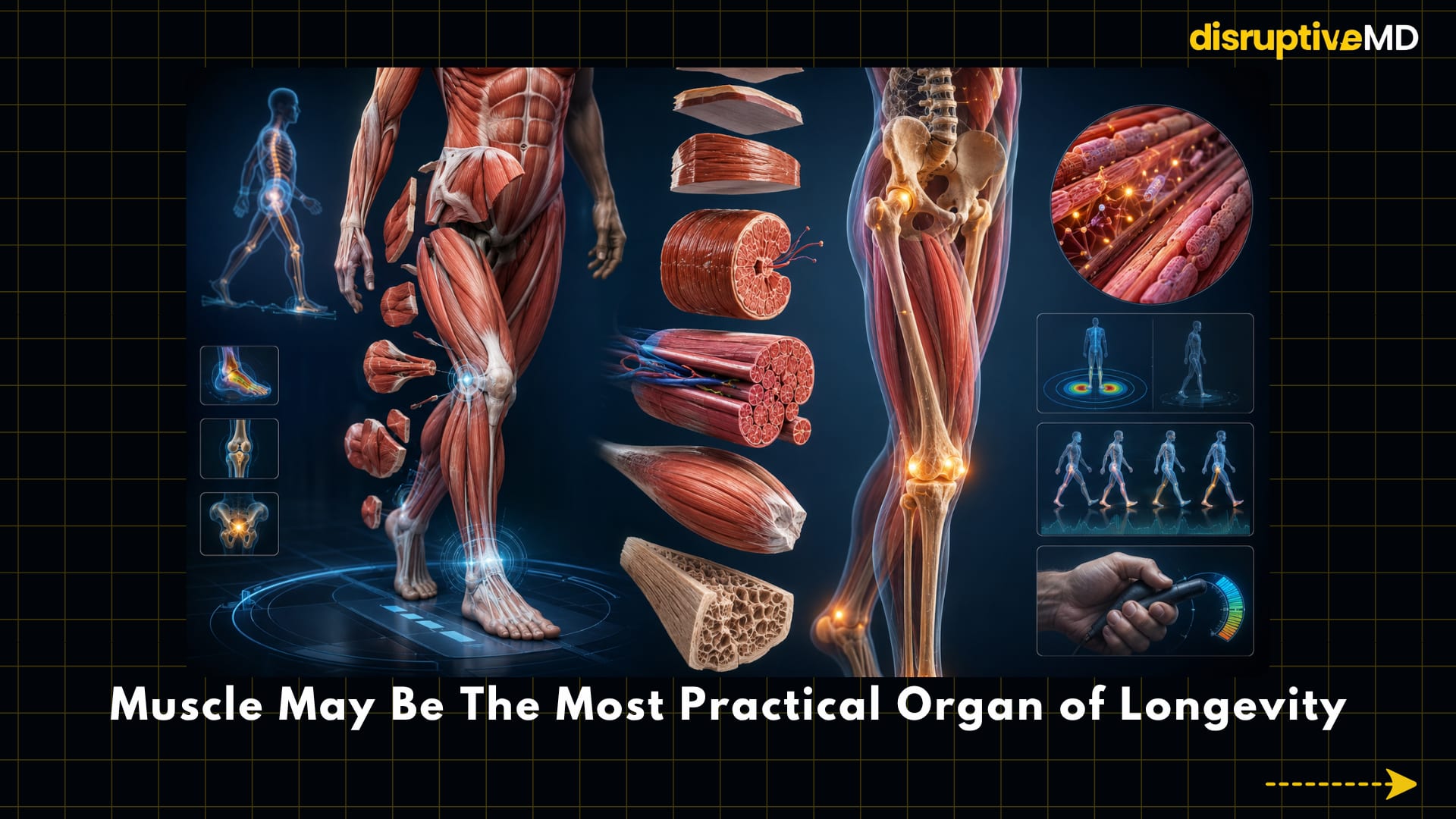
Muscle is often treated as a fitness or appearance issue. In longevity medicine, it is increasingly recognised as a metabolic and functional organ.
Skeletal muscle absorbs glucose, stores amino acids, supports bone loading, stabilises joints and releases signalling molecules known as myokines. It also provides the force required for walking, climbing stairs, recovering from illness and avoiding falls.
Age-related loss of muscle mass and function is called sarcopenia. Its consequences extend beyond weakness. Reduced muscle reserve can make infections, surgery, hospitalisation and periods of bed rest more difficult to survive and recover from.
Muscle strength is consistently associated with mortality and functional independence, although this association does not mean strength alone determines lifespan. It acts as a visible indicator of several underlying systems, including neurological function, energy metabolism, nutrition and physical activity.
Resistance training can improve strength and muscle size even in very old adults. Aerobic training supports mitochondrial function and cardiorespiratory capacity. Power training, I.e. the ability to produce force quickly, may be particularly important for preventing falls and responding to sudden physical demands.
This makes muscle one of the most clinically useful longevity targets available today.
Unlike experimental age-reversal therapies, strength and physical capacity can already be measured, trained and monitored. A practical longevity assessment may therefore include grip strength, walking speed, balance, lower-body power, lean mass and the ability to perform ordinary tasks, and not simply body weight.
VO₂ Max and the Size of the Body’s Engine
VO₂ max is the maximum amount of oxygen the body can use during intense exercise. It reflects the combined performance of the lungs, heart, blood vessels, circulation, mitochondria and skeletal muscle.
It can be understood as the size and efficiency of the body’s aerobic engine.
Higher cardiorespiratory fitness is strongly associated with lower cardiovascular and all-cause mortality. However, VO₂ max should not be interpreted as a guarantee of longevity. It is one important measure of physiological reserve.
A person with greater reserve is generally better equipped to tolerate stress, including infection, surgery, heat exposure and temporary inactivity.
Wearable devices can estimate aerobic fitness, but formal cardiopulmonary exercise testing remains more accurate. For clinical longevity programmes, the important question is not whether everyone reaches an elite athletic score. It is whether cardiorespiratory capacity is preserved or improving relative to age, health status and baseline function.
AI-Designed Longevity Drugs
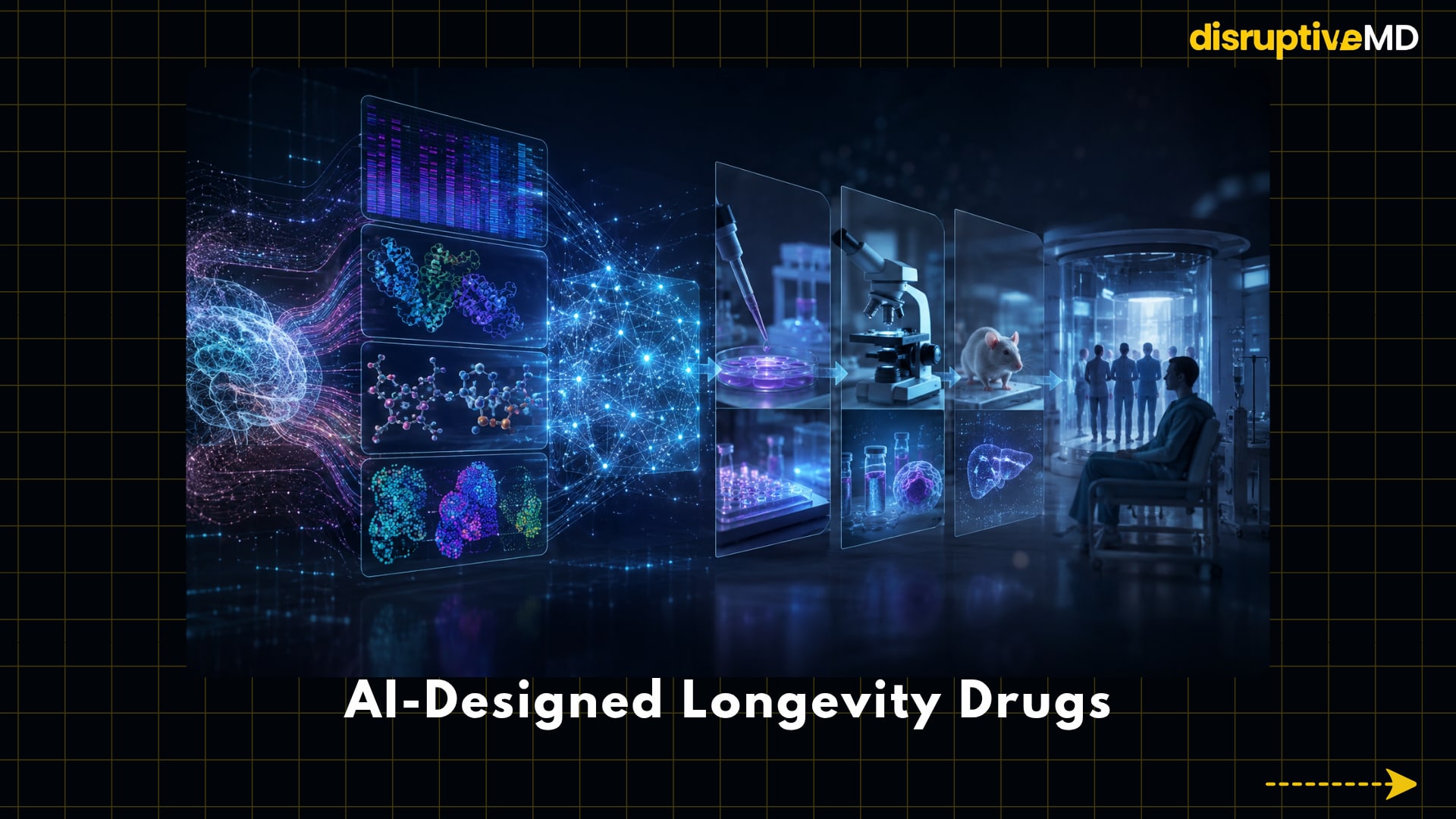
Traditional drug discovery is slow because researchers must identify a biological target, screen large numbers of molecules, test toxicity and move through several stages of clinical research. Artificial intelligence may accelerate the earliest parts of this process.
Machine-learning systems can analyse gene expression, proteins, chemical structures and single-cell data to search for patterns that humans might miss. They can help identify ageing-related targets, predict how molecules may bind to them and prioritise compounds for laboratory testing.
In one study, machine learning was used to screen chemical libraries for potential senolytics. Several predicted compounds were then shown to kill senescent cells in human cell cultures.
This is an important demonstration of AI-assisted discovery, but it remains an early step. A molecule that works in cultured cells may fail in animals or humans because of toxicity, metabolism, poor tissue penetration or unexpected biological effects.
AI can shorten the search for candidates. It cannot remove the need for pharmacology, toxicology and properly controlled clinical trials. Future systems may go further by designing drugs for specific ageing mechanisms, matching treatments to biomarker profiles and predicting which organ is most likely to benefit. But the final measure of success will remain human health, and not computational novelty.
Wearables and the Rise of Continuous Longevity Monitoring
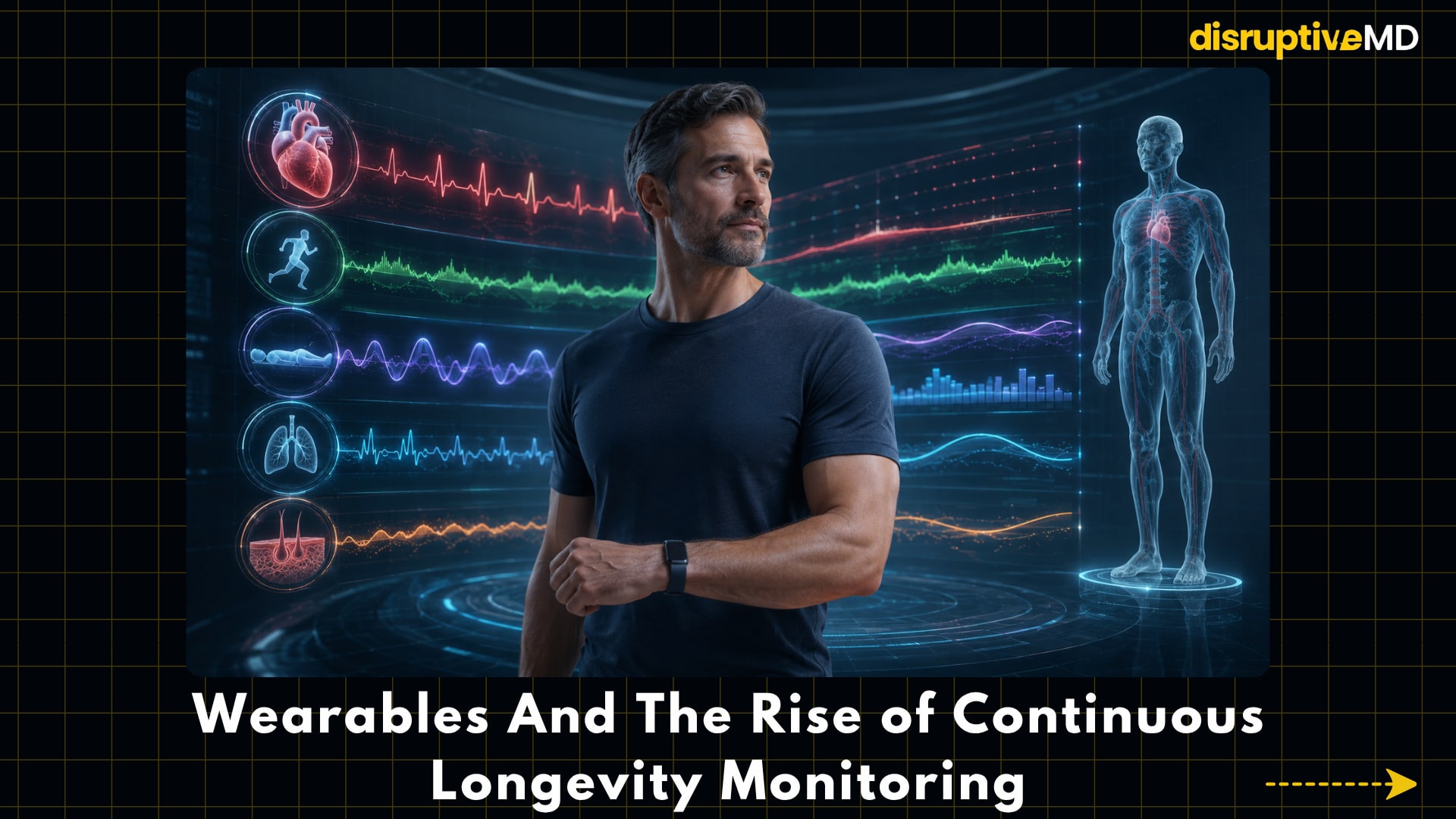
Traditional medicine measures health at isolated moments: a clinic visit, blood test or annual physical examination. Wearables can collect information continuously.
Modern sensors may track heart rate, rhythm, movement, sleep timing, respiratory patterns, skin temperature, oxygen saturation, gait and exercise recovery. Continuous glucose monitors can also reveal individual glucose responses, although their value in people without diabetes is still being studied.
The most useful feature of a wearable may not be the absolute number it produces. It may be its ability to recognise a meaningful change from the person’s own baseline.
A decline in walking speed, disturbed sleep, rising resting heart rate or reduced activity may appear before a person recognises illness or functional deterioration. Research is increasingly exploring gait, sleep and cardiovascular signals as digital biomarkers of brain health, frailty and ageing.
However, continuous data can also create continuous anxiety.
Consumer devices vary in accuracy. Heart-rate variability is influenced by sleep, stress, exercise, illness and measurement conditions. Sleep-stage estimates are not equivalent to a clinical sleep study. Readiness and recovery scores are proprietary calculations, not diagnoses. Longevity monitoring should therefore focus on validated trends that can influence a decision, not collecting the maximum possible amount of data.
The future may involve combining wearable signals with blood biomarkers, medical imaging, genomic information and clinical history to build a continuously updated health model. Achieving this responsibly will require data security, transparent algorithms and protection against biased recommendations.
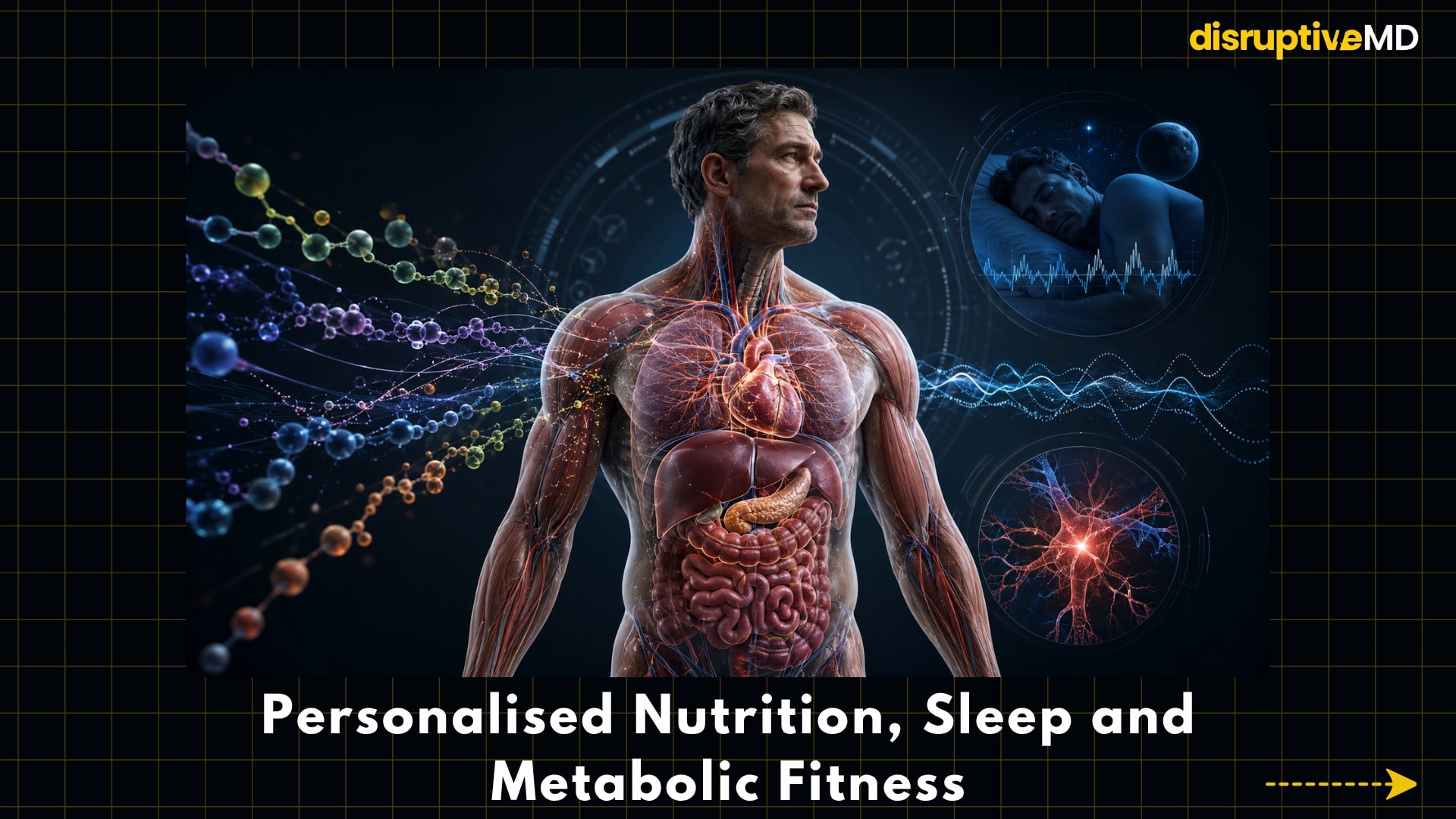
Personalised Nutrition, Sleep and Metabolic Fitness
Personalised longevity medicine is sometimes presented as a complex programme of genetic tests, supplements and experimental treatments.
In reality, precision begins with understanding which established risk factors matter most for a particular person.
For one individual, the main priority may be high blood pressure. For another, it may be visceral fat, sleep apnoea, loss of muscle, smoking, abnormal cholesterol, poor aerobic capacity or strong familial cancer risk.
Nutrition should therefore be adapted to metabolic health, activity, medical conditions, culture and the need to maintain muscle. The goal is not to identify one universal “longevity diet,” but to support healthy body composition, adequate protein and micronutrient intake, fibre-rich foods and sustainable energy balance.
Sleep is equally important because it influences glucose regulation, appetite, immune function, cardiovascular stress, cognition and physical recovery. A longevity strategy should not simply record sleep duration. It should identify insomnia, irregular sleep timing, breathing disorders and behaviours that repeatedly disrupt recovery.
Metabolic fitness includes more than a normal fasting glucose result. Blood pressure, waist circumference, lipid profile, glucose regulation, liver health, physical activity and body composition together provide a broader view of how effectively the body manages and stores energy.
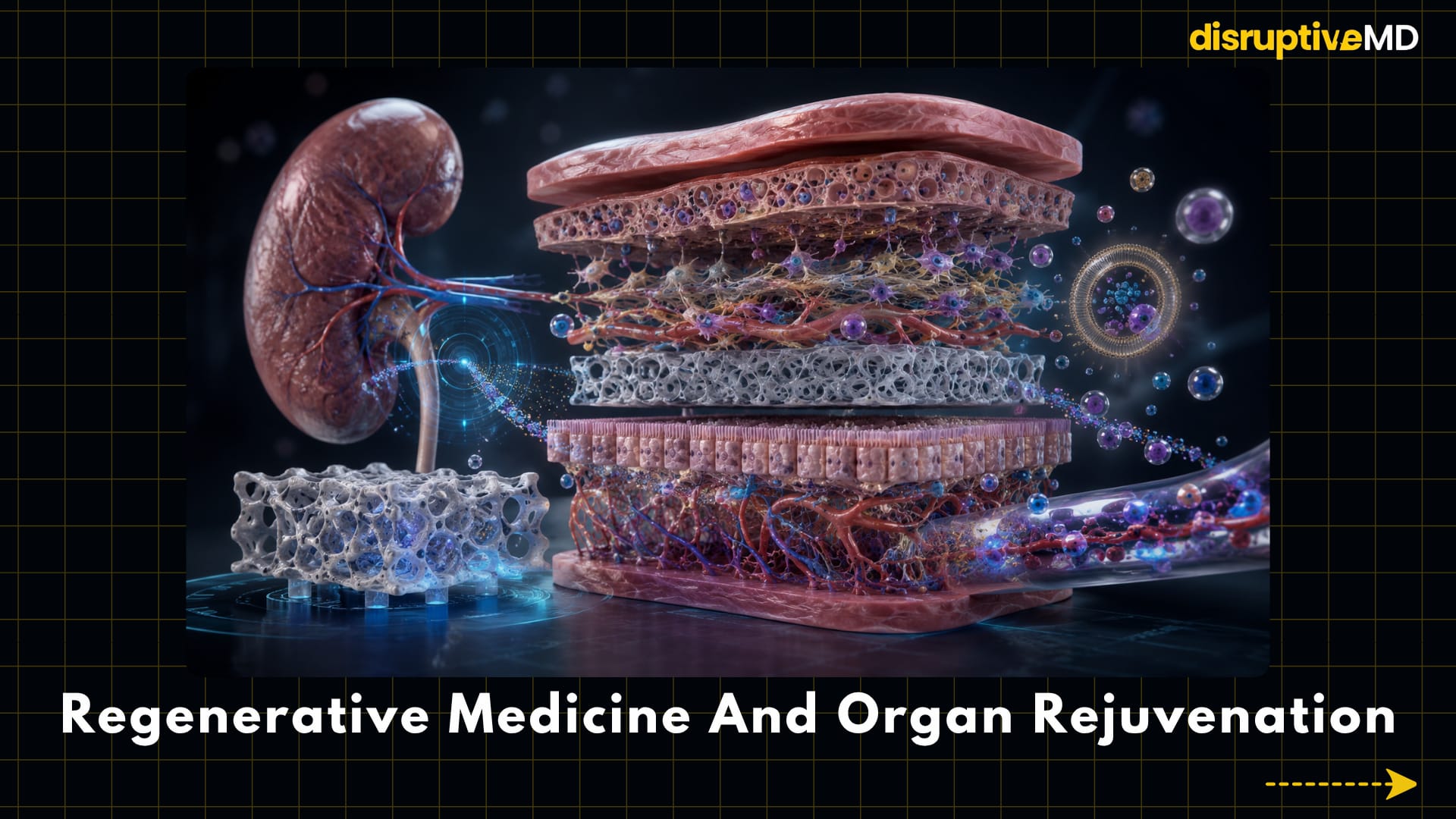
Regenerative Medicine and Organ Rejuvenation
The most futuristic branch of longevity medicine aims not only to slow damage, but to restore younger biological function.
Regenerative strategies being investigated include stem-cell therapies, engineered tissues, extracellular vesicles, organ-specific gene delivery and methods for restoring aged stem-cell environments.
One of the most ambitious approaches is partial cellular reprogramming.
Full reprogramming can return an adult cell to a pluripotent state, meaning it loses its specialised identity and becomes capable of developing into many cell types. Partial reprogramming attempts to activate some of the same molecular pathways only briefly, and enough to reset aspects of cellular ageing without erasing the cell’s identity.
Experiments in cells and animals have reported changes in epigenetic markers, tissue repair and age-related function after controlled reprogramming. More recent preclinical research has explored local delivery to aged or damaged tissues, including cartilage.
The risks are substantial. Excessive reprogramming could cause cells to lose their identity, grow abnormally or form tumours. Delivering reprogramming factors safely to the correct tissue is another major challenge.
Other approaches attempt to rejuvenate organs outside the body before transplantation, improve the environment surrounding aged stem cells or use circulating proteins and vesicles to support tissue repair.
These technologies could eventually produce organ-specific rejuvenation rather than whole-body treatment. A damaged joint, ageing immune system or failing organ might receive a targeted intervention while the rest of the body remains untouched.
For now, most whole-body rejuvenation claims extend far beyond what has been demonstrated in humans.
Fact Base: What Longevity Medicine Can and Cannot Claim
What is established
Ageing involves interconnected biological changes rather than one single mechanism. Physical activity, cardiorespiratory fitness, muscle strength, metabolic control, healthy sleep and conventional disease prevention are strongly connected to better function and lower disease risk.
Strength and aerobic capacity can improve even later in life. Managing blood pressure, cholesterol, diabetes, smoking, obesity, sleep disorders and recommended cancer screening remains more clinically important than pursuing an unvalidated biological-age score.
What is promising
Epigenetic clocks, organ-age biomarkers, proteomics and digital biomarkers may improve the early detection of biological decline. Senolytics, mTOR-modifying drugs, metabolic medicines and NAD-related therapies have enough biological rationale to justify continued clinical research.
AI can accelerate target identification and molecule screening. Wearables may help detect changes in function before a routine clinic visit.
These technologies are promising because they can measure or influence ageing biology—not because they have already been shown to extend healthy human lifespan.
What remains experimental
There is no single validated test that gives a definitive biological age for an individual. A younger biomarker score does not prove that ageing has been reversed.
Senolytics have not been established as preventive treatment for healthy people. Rapamycin, metformin and NAD boosters have not been proven to extend lifespan in healthy humans. Partial cellular reprogramming, systemic organ rejuvenation and most stem-cell-based anti-ageing treatments remain preclinical or early-stage.
AI-designed compounds must still pass conventional laboratory testing and human trials.
None of these experimental strategies should be treated as a substitute for evidence-based preventive healthcare.
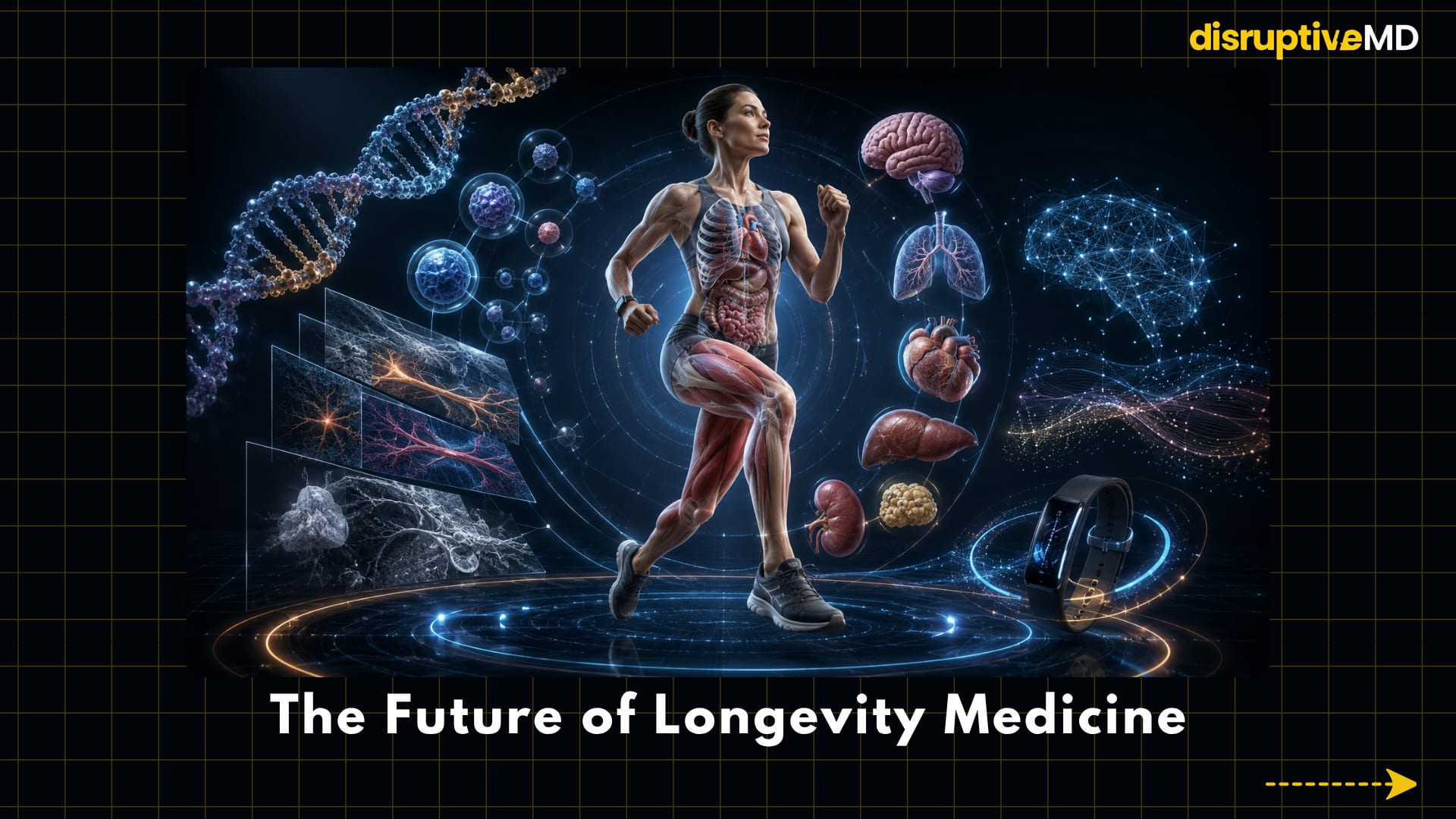
The Future of Longevity Medicine
The first generation of longevity medicine is likely to be less dramatic than popular anti-ageing claims suggest.
It may begin with better measurement: identifying loss of strength, metabolic dysfunction, abnormal sleep, cardiovascular decline or accelerated organ ageing earlier than conventional care does.
The next stage may involve targeted interventions chosen according to the biological mechanism most active in a particular person. One patient may need improved mitochondrial capacity and muscle reserve. Another may benefit from treatments aimed at inflammation, immune ageing or cellular senescence, provided such therapies prove safe and effective.
Eventually, medicine may be able to combine molecular clocks, organ-specific biomarkers, wearable data, medical imaging and AI into a dynamic model of ageing. That model could help clinicians distinguish normal variation from genuine biological decline and test whether an intervention is preserving function.
But longevity medicine will only mature if it measures outcomes that matter: fewer years with disability, later development of chronic disease, preserved cognition, stronger physical function and greater independence.
The science of staying younger for longer is not ultimately about appearing younger or chasing one laboratory number. It is about preserving the body’s ability to adapt, repair, move, think and recover. That is the real meaning of healthspan, and the real promise longevity medicine must prove.
References
-
López-Otín C, Blasco MA, Partridge L, Serrano M, Kroemer G. “Hallmarks of Aging: An Expanding Universe.” Cell. 2023;186(2):243–278. DOI: https://doi.org/10.1016/j.cell.2022.11.001.
-
Oh HSH, Rutledge J, Nachun D, et al. “Organ Aging Signatures in the Plasma Proteome Track Health and Disease.” Nature. 2023;624:164–172. DOI: https://doi.org/10.1038/s41586-023-06802-1.
-
Marioni RE, Shah S, McRae AF, et al. “DNA Methylation Age of Blood Predicts All-Cause Mortality in Later Life.” Genome Biology. 2015;16:25. DOI: https://doi.org/10.1186/s13059-015-0584-6.
-
Perna L, Zhang Y, Mons U, et al. “Epigenetic Age Acceleration Predicts Cancer, Cardiovascular, and All-Cause Mortality in a German Case Cohort.” Clinical Epigenetics. 2016;8:64. DOI: https://doi.org/10.1186/s13148-016-0228-z.
-
Justice JN, Nambiar AM, Tchkonia T, et al. “Senolytics in Idiopathic Pulmonary Fibrosis: Results From a First-in-Human, Open-Label Pilot Study.” EBioMedicine. 2019;40:554–563. DOI: https://doi.org/10.1016/j.ebiom.2018.12.052.
-
Hickson LTJ, Langhi Prata LGP, Bobart SA, et al. “Senolytics Decrease Senescent Cells in Humans: Preliminary Report From a Clinical Trial of Dasatinib Plus Quercetin in Individuals With Diabetic Kidney Disease.” EBioMedicine. 2019;47:446–456. DOI: https://doi.org/10.1016/j.ebiom.2019.08.069.
-
Ringholm S, Gudiksen A, Halling JF, et al. “Impact of Aging and Lifelong Exercise Training on Mitochondrial Function and Network Connectivity in Human Skeletal Muscle.” The Journals of Gerontology: Series A. 2023;78(3):373–383. DOI: https://doi.org/10.1093/gerona/glac164.
-
Mannick JB, Del Giudice G, Lattanzi M, et al. “mTOR Inhibition Improves Immune Function in the Elderly.” Science Translational Medicine. 2014;6(268):268ra179. DOI: https://doi.org/10.1126/scitranslmed.3009892.
-
Metformin in Longevity Study — MILES. ClinicalTrials.gov Identifier: NCT02432287. ClinicalTrials.gov: https://clinicaltrials.gov/study/NCT02432287.
-
Konopka AR, Laurin JL, Schoenberg HM, et al. “Metformin Inhibits Mitochondrial Adaptations to Aerobic Exercise Training in Older Adults.” Aging Cell. 2019;18(1):e12880. DOI: https://doi.org/10.1111/acel.12880.
-
Orr ME, Kotkowski E, Ramirez P, et al. “A Randomized Placebo-Controlled Trial of Nicotinamide Riboside in Older Adults With Mild Cognitive Impairment.” GeroScience. 2024;46(1):665–682. DOI: https://doi.org/10.1007/s11357-023-00999-9.
-
García-Hermoso A, Cavero-Redondo I, Ramírez-Vélez R, et al. “Muscular Strength as a Predictor of All-Cause Mortality in an Apparently Healthy Population: A Systematic Review and Meta-Analysis of Data From Approximately 2 Million Men and Women.” Archives of Physical Medicine and Rehabilitation. 2018;99(10):2100–2113.e5. DOI: https://doi.org/10.1016/j.apmr.2018.01.008.
-
Smer-Barreto V, Quintanilla A, Elliott RJR, et al. “Discovery of Senolytics Using Machine Learning.” Nature Communications. 2023;14:3445. DOI: https://doi.org/10.1038/s41467-023-39120-1.
-
Matias I, Haas M, Daza EJ, et al. “Digital Biomarkers for Brain Health: Passive and Continuous Assessment From Wearable Sensors.” npj Digital Medicine. 2026;9:197. DOI: https://doi.org/10.1038/s41746-026-02340-y.
-
Ocampo A, Reddy P, Martinez-Redondo P, et al. “In Vivo Amelioration of Age-Associated Hallmarks by Partial Reprogramming.” Cell. 2016;167(7):1719–1733.e12. DOI: https://doi.org/10.1016/j.cell.2016.11.052.
-
Liu YW, Zou JT, Gong JS, et al. “Local Delivery of OSK Factors Enables Partial Cellular Reprogramming to Mitigate Osteoarthritis and Cartilage Fibrosis.” Experimental & Molecular Medicine. 2026;58:782–797. DOI: https://doi.org/10.1038/s12276-026-01662-x.