
Introduction
Cardiac surgery is changing as the clinical problem is huge and technically challenging: cardiovascular illnesses are still the number one killer in the world, with a predicted 19.8 million deaths in 2022, or almost 32% of all fatalities globally. There are still many patients who need treatments for coronary artery disease, valve disease, severe heart failure, congenital heart disease, and transplantation, but the key question is no longer whether an operation can be done. The new question is how to repair, replace, sustain, or protect the heart with less physiologic stress, better patient selection, and more durable effects.
Many of the most disruptive innovations in cardiac surgery are not “new operations.” Some are catheter-based procedures that obviate the need for open surgery; some are robotic or minimally invasive surgical approaches; some are mechanical pumps that support a failing heart; and some are digital or transplant technologies that alter planning and organ availability. What they have in common is that cardiac care is shifting from a single operating room event to a multidisciplinary “heart team” model in which surgeons, interventional cardiologists, anaesthesiologists, imaging specialists, intensivists, perfusionists and data scientists decide which intervention provides the best balance of survival, recovery, durability and individual patient risk. The importance of the Heart Team, Heart Valve Centres, sophisticated imaging and patient-centred decision-making are explicitly emphasised in the 2025 ESC/EACTS valvular heart disease guidelines.
Why Cardiac Surgery Needed Disruption
Traditional cardiac surgery has saved millions of lives, but it usually requires good access to the chest, careful control of blood flow and in many procedures the use of the cardiopulmonary bypass, a heart-lung machine that temporarily takes over circulation and oxygenation while the heart is repaired. This procedure is still the mainstay for sophisticated coronary artery bypass grafting, valve repair, aortic surgery, congenital heart reconstruction and transplantation, but can be challenging for elderly patients, frail patients, patients with kidney disease and patients with numerous concurrent disorders. This concerns since today’s cardiovascular patients are often living longer with more complex disease. The ideal operation is not always the largest operation; it is the intervention that meets the clinical aim with the safest lifelong strategy. Innovation is needed for aortic stenosis, mitral regurgitation, severe heart failure and donor-heart shortage. Aortic stenosis is narrowing of the aortic valve, which limits blood flow out of the heart. Mitral regurgitation is backward leakage through the mitral valve, which can exacerbate breathlessness and heart failure. Advanced heart failure is when the heart cannot pump enough blood despite guideline-directed medical therapy. Donor-heart shortage is when many patients who could benefit from transplantation may not receive an organ in time. These difficulties cannot be treated by surgical expertise alone. They need better technology, better imaging, better perioperative support, better evidence and more equal methods for access.
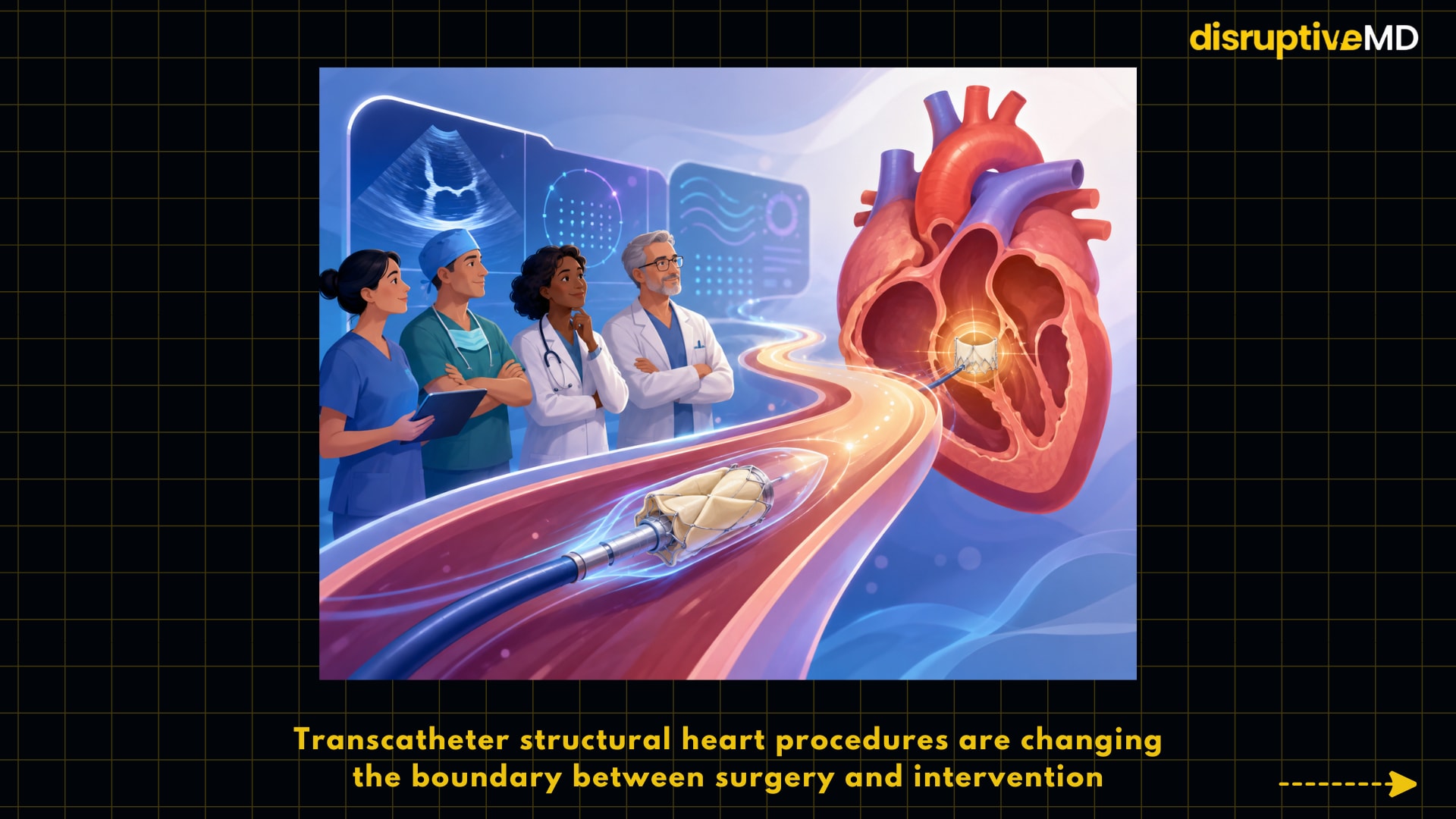
- Transcatheter aortic valve replacement, or TAVR, delivers a collapsible valve through a catheter, often through the femoral artery, instead of opening the chest.
- Transcatheter edge-to-edge repair, or TEER, can clip part of the mitral valve leaflets together to reduce mitral regurgitation in selected patients.
- These procedures do not replace cardiac surgery; they help heart teams choose the safest and most durable pathway for each patient.
What the Top 5 Innovations Do
1. Transcatheter structural heart procedures are changing the boundary between surgery and intervention
Transcatheter aortic valve replacement, or TAVR, is a treatment for severe aortic stenosis that delivers a collapsible replacement valve using a catheter, usually through the femoral artery in the groin, instead of opening the chest to perform surgical aortic valve replacement. In selected situations of mitral regurgitation, transcatheter edge-to-edge repair (TEER) is a procedure that clips together part of the mitral valve leaflets, reducing regurgitant volume. These techniques don’t replace surgery. They only make the decision between catheter-based treatment and surgical repair or replacement more exact. This is important because some patients previously thought too high-risk for open surgery can now get valve treatment, but many younger or anatomically complicated patients still need lasting surgical repair. Five-year outcomes from low-risk TAVR trials show similar results to surgery in carefully selected patients, and mitral TEER has shown lower heart failure hospitalizations and lower all-cause mortality in selected patients with secondary mitral regurgitation who were still symptomatic on medical therapy.
2. Robotic and minimally invasive cardiac surgery are reducing surgical trauma without removing surgical judgment
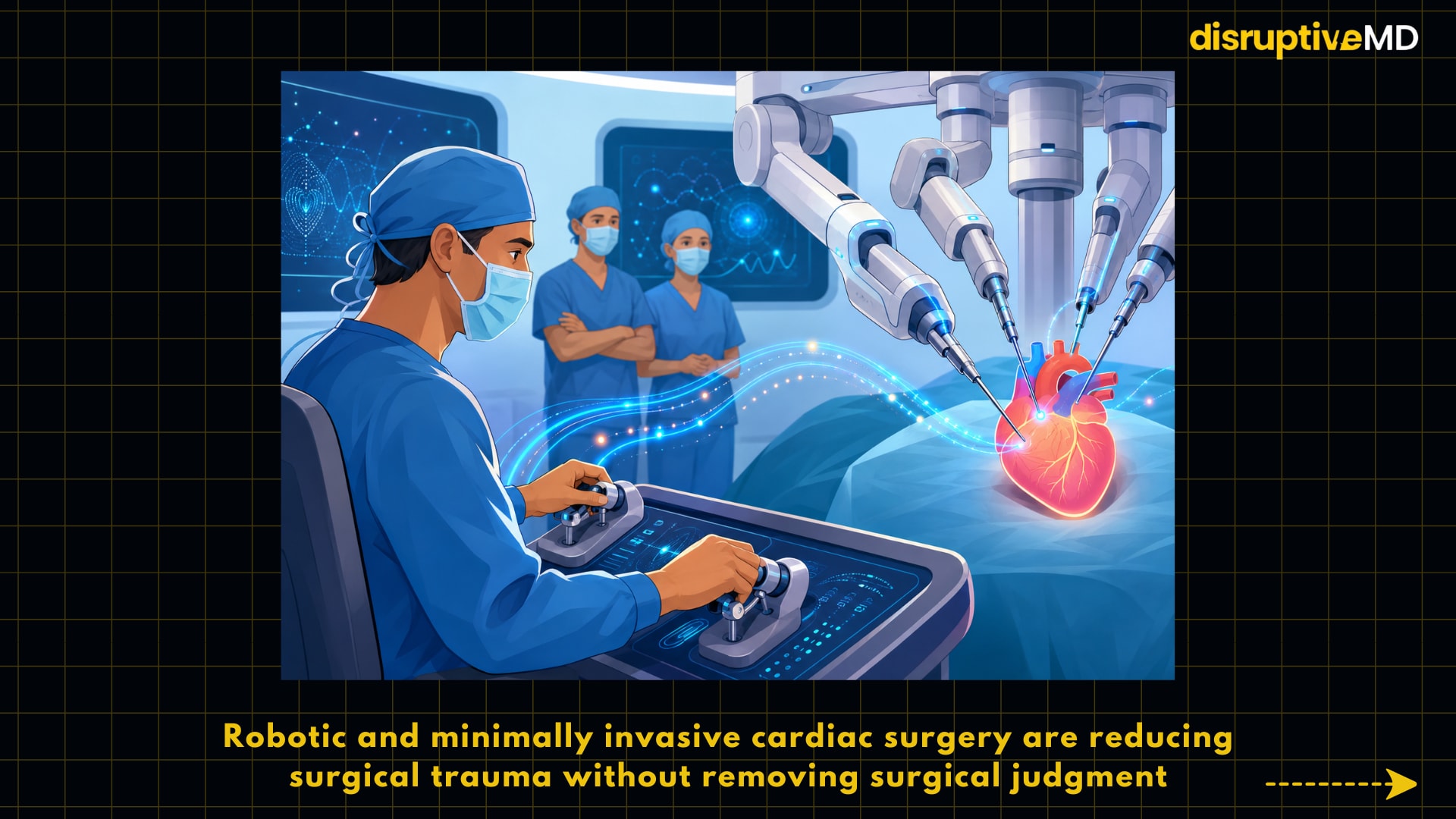
Instead of a full median sternotomy, the usual incision down the middle of the breastbone, minimally invasive cardiac surgery employs smaller incisions such a right mini-thoracotomy or partial sternotomy. Robotic cardiac surgery uses computer-controlled instruments to permit the surgeon to operate through small ports with high-definition imaging and wristed instrument movement inside the chest. The word “robotic” can be deceptive because the robot doesn’t work automatically; the surgeon controls the apparatus. This is important as selected patients undergoing mitral valve repair, atrial septal defect closure or coronary bypass via minimally invasive or robotic approaches may have less postoperative pain, shorter recovery and better cosmetic results but these benefits are highly dependent on surgical expertise, team experience, and careful patient selection. Current evaluations report positive results for minimally invasive mitral valve repair but recognize persistent controversy over comparing data and execution.
3. Mechanical circulatory support is turning some heart failure and surgical shock cases into treatable bridges
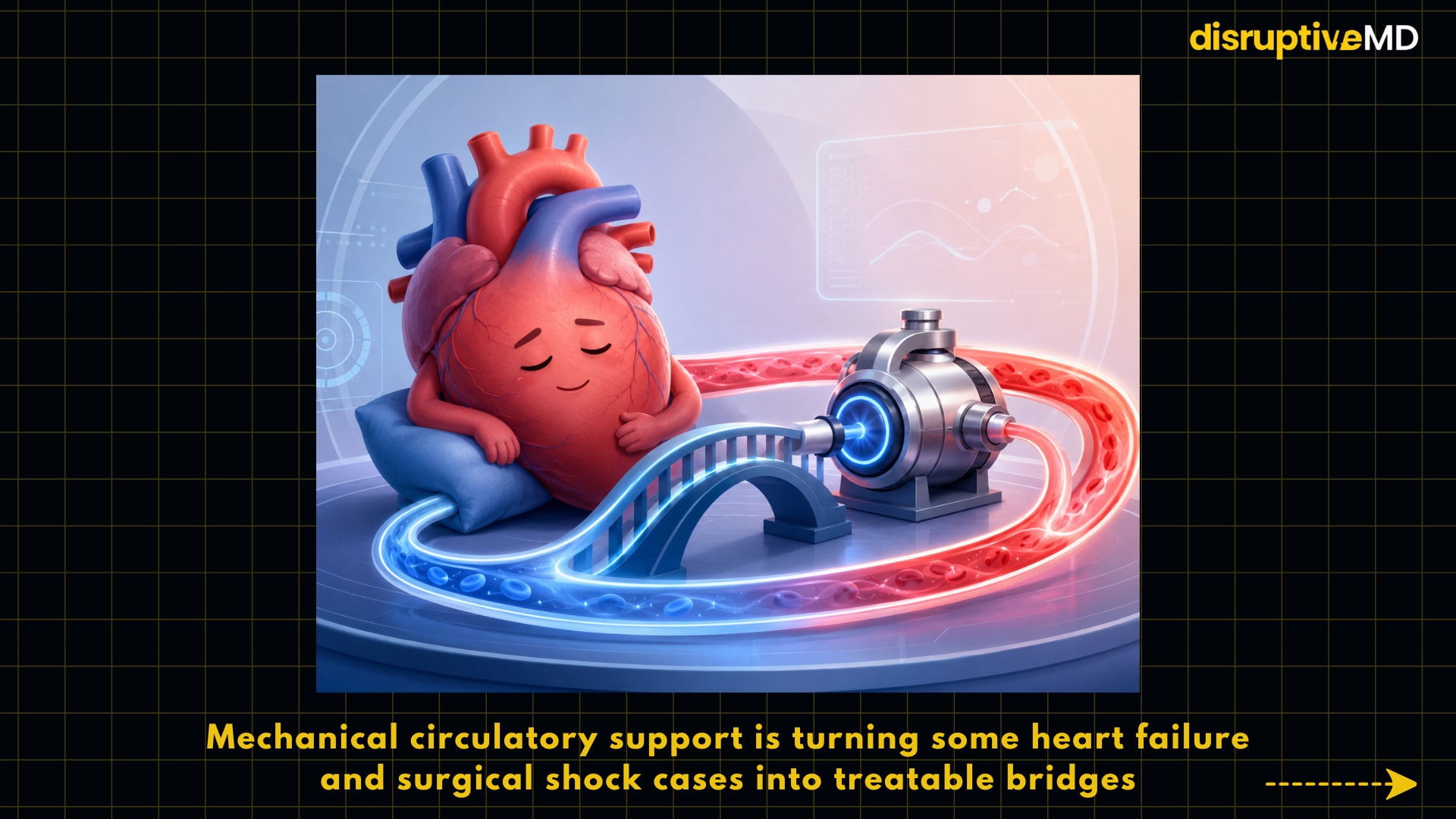
Mechanical circulatory support means devices that help transport blood when the heart is unable to pump enough blood itself. A left ventricular assist device, or LVAD, is a surgically implanted pump that helps the left ventricle, the heart’s primary pumping chamber; it can be used as a bridge to transplant, a bridge to recovery in specific circumstances, or as destination therapy when transplant is not an option. VA-ECMO (venoarterial extracorporeal membrane oxygenation) is a temporary extracorporeal device that takes blood from the body, oxygenates it outside the body and returns it to the arterial system, supporting both circulation and delivery of oxygen in severe cardiogenic shock. This is significant because current cardiac surgery has more rescue and support measures for patients who had few options in the past after postcardiotomy shock, acute heart failure, or failure to wean from cardiopulmonary bypass. The 2022 AHA/ACC/HFSA guideline recommends durable LVAD installation in selected patients with advanced heart failure to improve functional status, quality of life, and survival, while the ELSO advice offers consensus recommendations for adult VA-ECMO use.
4. Ex-vivo heart perfusion and DCD transplantation are expanding the donor-heart pool
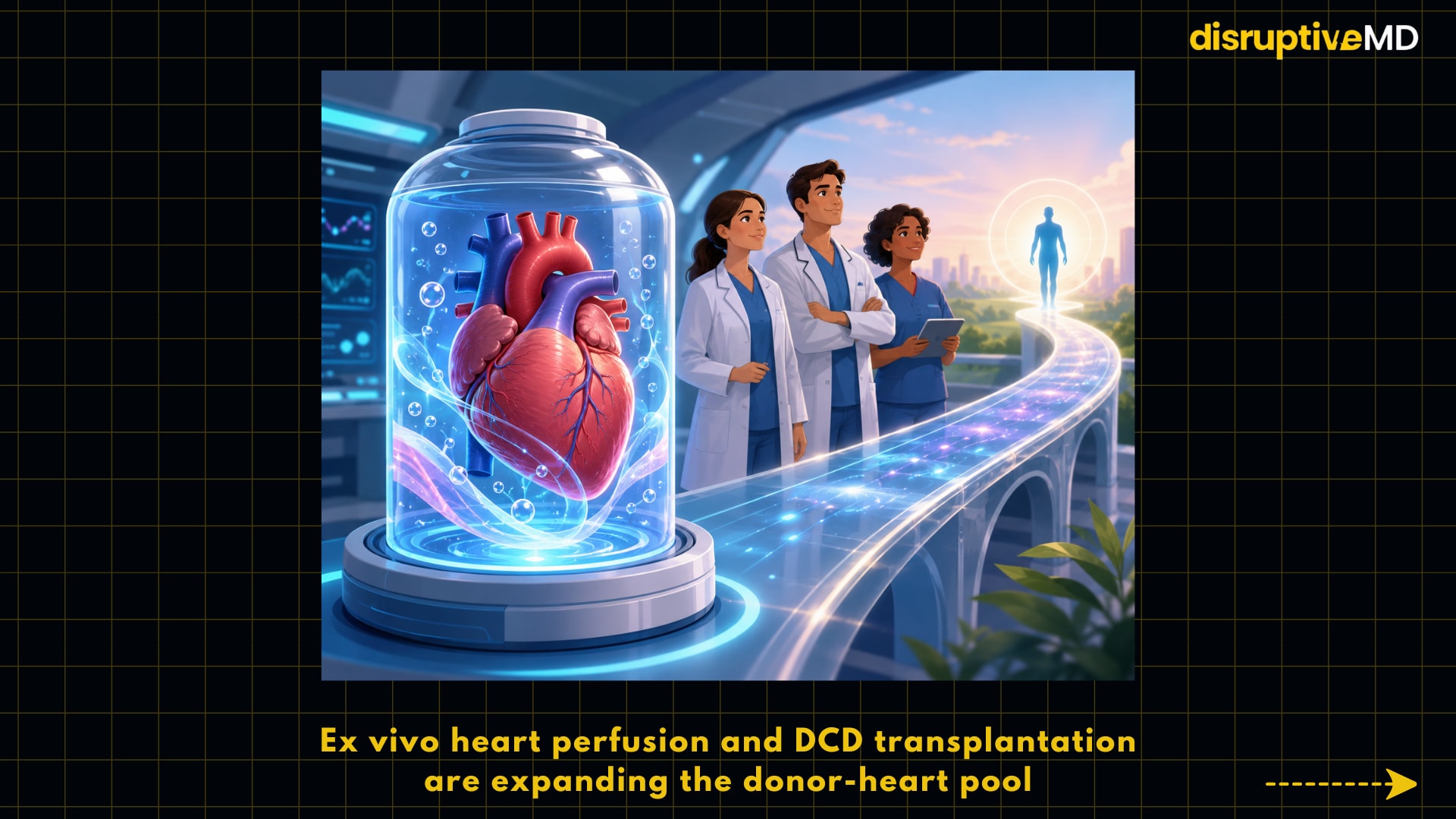
Ex-vivo cardiac perfusion is keeping a donor heart alive outside the body by providing oxygen, nutrition and regulated flow, rather than just cold storage. Donation after circulatory death, DCD, is taking organs from people who have died from the irreversible cessation of circulatory and respiratory function, as opposed to the more typical donation after brain death. These techniques are disruptive because they seek to increase the number of usable donor hearts and enable clinicians to evaluate function before implantation. The FDA said the Organ Care System Heart is a portable system that warms a donor heart and supplies oxygen and nutrients. The indication was expanded to include DCD donor hearts, and the 6-month survival was 94 of 100 DCD-heart recipients preserved with the system versus 91 of 100 recipients of donation-after-brain-death hearts preserved with standard cold storage in the evaluated study population, according to the FDA summary.
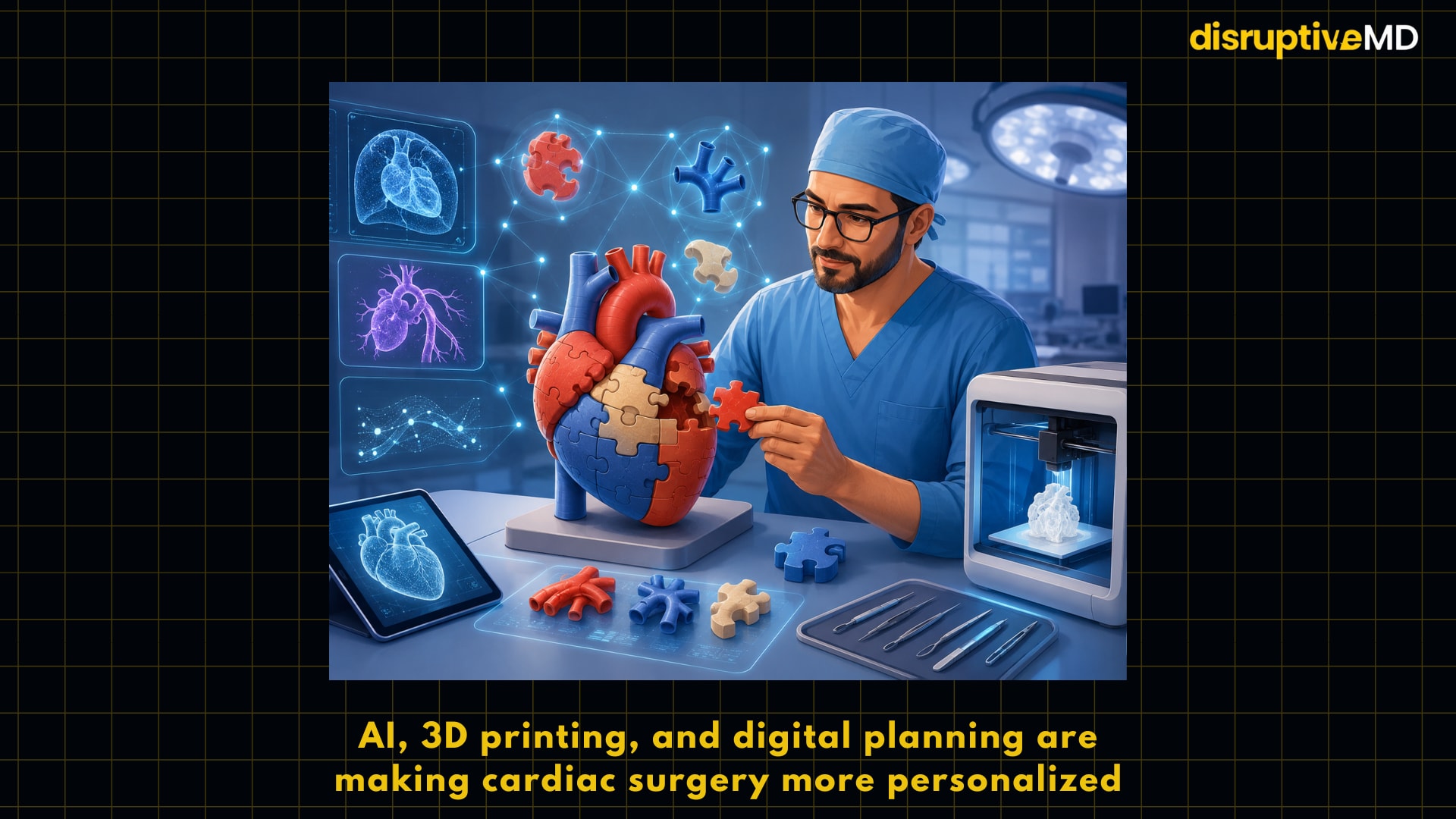
5. AI, 3D printing, and digital planning are making cardiac surgery more personalized
Artificial intelligence in cardiac surgery typically refers to machine-learning models that analyse clinical, imaging, surgical, and postoperative data to estimate risks such as mortality, renal injury, prolonged ventilation, or problems. 3D printing takes CT, MRI or echocardiography data and turns it into real heart models to help surgeons visualize intricate anatomy prior to entering the operating room. These tools are disruptive because they take planning from generic risk scores and flat visuals to patient-specific simulation and decision support. A 2024 systematic review of AI in cardiac surgery identified 81 studies and found that AI is mainly used for complication prediction, preoperative risk assessment, stratification and prognostication but more studies are needed to confirm the accuracy and safety before it can be used routinely in the clinic. In 2024, a comprehensive review and meta-analysis of 3D printing in congenital heart disease found that 3D models impacted surgical decisions in 35 of 75 cases, demonstrating practical planning benefit in anatomically challenging surgery, while evidence of long-term outcomes remains lacking.
Evidence and Real-World Meaning
Of these innovations, the most compelling evidence is with certain transcatheter valve techniques, durable LVAD therapy, and DCD heart transplantation with machine perfusion. Five-year TAVR data now support similar outcomes as surgical aortic valve replacement in low-risk severe aortic stenosis in appropriately selected patients, but lifetime planning is still important as a 70-year-old and a 90-year-old patient have very different needs in terms of valve durability, coronary access and the possibility of future reintervention. The COAPT five-year follow-up demonstrated the benefit of TEER over guideline-directed medical therapy alone in a particular population: patients with heart failure and moderate-to-severe or severe secondary mitral regurgitation who remained symptomatic despite optimized treatment. This is important because transcatheter valve therapy is not “less invasive surgery,” but rather a new treatment pathway that is optimum when anatomy, symptoms, ventricular function, life expectancy and surgical risk all align.
Robotic and minimally invasive cardiac surgery have good technical momentum, but the quality of evidence is more variable. The real-world value is most evident in high-volume projects when staff have mastered the learning curve and are able to replicate quality repairs with smaller access. The primary goal in mitral valve disease is not only minor incision but durable mitral valve repair that provides freedom from recurrent regurgitation, avoids unnecessary replacement when repair is feasible, and does not compromise safety. Minimally invasive mitral repair has excellent results, although comparative effectiveness is still debated in current reviews and the approach should be considered as an advanced surgical platform rather than an automatic upgrade for all patients.
Mechanical circulatory support has shifted the paradigm of “inoperable” or “too unstable” for chosen patients, although benefit is dependent on timing, patient selection, and management of complications. In the MOMENTUM 3 randomized trial follow-up, the fully magnetically levitated centrifugal-flow LVAD had superior long-term results compared with an older axial-flow LVAD with five-year data showing enhanced survival free of debilitating stroke or reoperation for pump replacement. This is clinically important because severe heart failure can become a surgically treated chronic condition rather than a terminal diagnosis. However, patients still face infection risk, bleeding, stroke, driveline care, anticoagulation, and major lifestyle adjustments.
Ex vivo perfusion and DCD transplantation are tackling one of the most difficult problems in cardiac surgery, namely the lack of eligible donor hearts. A randomized trial published in the New England Journal of Medicine found that six-month post-transplant survival with a reanimated and assessed DCD donor heart was noninferior to survival after transplantation with a donation-after-brain-death donor heart, supporting DCD transplantation as a viable expansion strategy. The FDA’s DCD indication for portable heart perfusion also indicated that 88 out of 100 DCD hearts preserved with the system were used for transplantation in the study population. This matters, because transplant innovation is not just about improving the surgical procedure. It can also boost the number of patients who make it to surgery in the first place.
AI and 3D planning have the most uneven evidence yet it’s clear to comprehend the real-world possibilities. In cardiac surgery, the difference is typically millimetres, whether it be the size of an annulus, the angle of a coronary artery, the relationship of a ventricular septal defect to a valve or the distance from a calcified aorta to a clamp site. AI could help to spot risk patterns that traditional scoring systems miss and 3D models could help teams rehearse anatomy ahead of complex congenital or structural operations. The primary challenge is that improved prediction does not necessarily result in better results. Models need external validation, testing for bias, integration into workflow, and evidence that physicians acting on the model’s output genuinely enhance patient care.
Limitations, Risks, and Unanswered Questions
Questions remain regarding lifelong management of transcatheter structural heart treatment. TAVR can be very beneficial in chosen patients, however younger people may require several decades of valve function, future coronary access and probable repeat intervention. Important problems are paravalvular leak (blood leaking around, rather than through, the replacement valve), conduction disturbance requiring a permanent pacemaker, and the difficulty of removing or repairing a failed transcatheter valve later in life. Surgical valve replacement and surgical mitral repair consequently remain integral, particularly in individuals with anatomy, age, valve pathology or requirement for combined operations that make surgery the most lasting approach.
Robotic and minimally invasive surgery can increase recovery in chosen patients, but it can also add new barriers. Programs need expensive equipment, specific training, coordinated anaesthetic and perfusion teams, and sufficient case volume to sustain proficiency. A small incision is irrelevant if it prolongs bypass, affects the quality of repair or limits safety in the event of unexpected bleeding. Why does this matter? The best ethical use of minimally invasive heart surgery is not to sell smaller scars but to give equal or better clinical results with less patient burden.
Mechanical circulatory assistance can restore circulation, but it can potentially introduce major difficulties. VA-ECMO and interim support can be life-saving in cardiogenic shock but require anticoagulation, vascular access, limb monitoring, infection control, neurological surveillance and a clear plan for recovery, durable LVAD, transplant or withdrawal of support when recovery is not possible. LVAD therapy improves survival and function in selected patients with severe heart failure but also develops chronic device reliance and requires robust patient education and follow-up infrastructure. This is important as mechanical support is not a one device decision it is a long term care pathway.
DCD transplantation and ex vivo perfusion create therapeutic, practical, and ethical problems. Programs must be highly transparent in how they define death, consent, organ assessment, warm ischemia time, procurement workflow, and post-transplant monitoring. Normothermic perfusion can enhance usable donor hearts. But access may not be uniform, as the systems require expense, logistics, skilled crews, and regulatory control. This is vital because public faith in donation is as important as technological accomplishment. Transplant expansion must not lose ethical clarity while increasing organ availability.
AI and 3D planning still hampered by validation, bias, expense, workflow friction AI models trained on one hospital population may not perform well on another population if the patient demographics, surgical techniques, data quality, or postoperative care routes differ. Three-dimensional printing can assist with complex congenital or structural issues but image segmentation, printing time, material expense and specialized interpretation are required. This is important because digital technologies should augment rather than replace clinical judgment, and health systems require evidence that these tools improve decision making, decrease complications, or reduce costs before widespread implementation.
Conclusion
The major disruptive breakthroughs in cardiac surgery are changing the field in many ways. Transcatheter valve operations are changing who needs open surgery and who can be treated via blood vessels. Robotic and minimally invasive approaches are minimizing the physical stress of certain surgeries without compromising the importance of quality of surgical repair. With the advent of mechanical circulatory support, options for advanced heart failure and perioperative rescue are expanding. Ex vivo perfusion and DCD transplantation are increasing the number of donor hearts. AI, 3D printing and digital planning are making decision-making more individualized, while evidence of their impact is yet early.
The realistic future of cardiac surgery is not a world where open surgery goes away. It’s a world in which cardiac surgeons work inside a broader precision system: they choose the proper patient, they follow the least damaging effective path, they plan better using imaging, they maintain the circulation when needed, they measure outcomes with integrity. The most crucial promise for patients and health systems is not novelty itself. It is safer access to appropriate therapy, more durable decisions, better matching between the condition, the technology and the one getting care.
Evidence Rating
Mixed or limited evidence. The overall evaluation of the evidence is mixed, as the five inventions are at varying levels of development. TAVR, specific TEER indications, durable LVAD therapy, and DCD heart transplantation with machine perfusion are all in specified populations with clinical trial evidence and regulatory or guideline supported use. Robotic/minimally invasive cardiac surgery is backed by favourable observational and review data but remains dependent on centre competency and patient selection. The potential of AI and 3D printing is exciting, especially for risk prediction and planning of complex anatomy, but more external validation, implementation studies and verification of improved patient outcomes are still needed.
Educational Disclaimer
The information in this article is for educational purposes only and is not a substitute for professional medical advice, diagnosis, or treatment. Clinical decisions regarding cardiac surgery, catheter-based intervention, mechanical circulatory support or transplantation should be made by trained doctors based on patient-specific evaluation.
References
- World Health Organization. Cardiovascular diseases fact sheet, updated July 31, 2025.
- Fabien Praz, Michael A Borger, Jonas Lanz, Mateo Marin-Cuartas, Ana Abreu, Marianna Adamo, Nina Ajmone Marsan, Fabio Barili, Nikolaos Bonaros, Bernard Cosyns, Ruggero De Paulis, Habib Gamra, Marjan Jahangiri, Anders Jeppsson, Robert J M Klautz, Benoit Mores, Esther Pérez-David, Janine Pöss, Bernard D Prendergast, Bianca Rocca, Xavier Rossello, Mikio Suzuki, Holger Thiele, Christophe Michel Tribouilloy, Wojtek Wojakowski, ESC/EACTS Scientific Document Group , 2025 ESC/EACTS Guidelines for the management of valvular heart disease: Developed by the task force for the management of valvular heart disease of the European Society of Cardiology (ESC) and the European Association for Cardio-Thoracic Surgery (EACTS), European Heart Journal, Volume 46, Issue 44, 21 November 2025, Pages 4635–4736, https://doi.org/10.1093/eurheartj/ehaf194. Prabhjot Hundal, Zaid Abood, Viviana Zlochiver, David Boulware, Mohamed Osman, Renuka Jain, Suhail Allaqaband, Tanvir Bajwa, A. Jamil Tajik, M. Fuad Jan, Clinical outcomes following transcatheter aortic valve replacement in patients with concordant versus discordant aortic stenosis, American Heart Journal Plus: Cardiology Research and Practice, 67, (100802), (2026). https://doi.org/10.1016/j.ahjo.2026.100802.
- Forrest, J, Yakubov, S, Deeb, G. et al. 5-Year Outcomes After Transcatheter or Surgical Aortic Valve Replacement in Low-Risk Patients With Aortic Stenosis. JACC. 2025 Apr, 85 (15) 1523–1532. https://doi.org/10.1016/j.jacc.2025.03.004.
- Roberto Lorusso, Matteo Matteucci, Daniele Ronco, Giulio Massimi, Susanna Price, Martin Czerny, Rodrigo Estévez-Loureiro, Matthias Siepe, Gianluca Pontone, Christian Hassager, Ovidiu Chioncel, Marco Zuin, Constantinos H Davos, Marianna Adamo, Finn Gustafsson, George Giannakoulas, Nicolas Amabile, Alessandro Sionis, Matthias Thielmann, Steffen Erhard Petersen, Bernard Cosyns, Kurt Huber, Mariya Tokmakova, Davide Pacini, Frederikus A Klok, Francesco Saia, Ana Abreu, Michael Grimm, Marc J Claeys, Ana García-Álvarez, Bernhard Gerber, Carlos A Mestres, Stephan Rosenkranz, Stamatis Adamopoulos, Nikolaos Bonaros, Ventricular free-wall rupture, ventricular pseudoaneurysm, and papillary muscle rupture complicating acute myocardial infarction, European Heart Journal, (2026). https://doi.org/10.1093/eurheartj/ehag164.
- Alsheebani S, Goubran D, de Varennes B, Chan V. Contemporary Review of Minimally Invasive Mitral Valve Surgery: Current Considerations and Innovations. J Cardiovasc Dev Dis. 2024 Dec 14;11(12):404. doi: 10.3390/jcdd11120404. PMID: 39728294; PMCID: PMC11677698.
- Mehra MR, Goldstein DJ, Cleveland JC, Cowger JA, Hall S, Salerno CT, Naka Y, Horstmanshof D, Chuang J, Wang A, Uriel N. Five-Year Outcomes in Patients With Fully Magnetically Levitated vs Axial-Flow Left Ventricular Assist Devices in the MOMENTUM 3 Randomized Trial. JAMA. 2022 Sep 27;328(12):1233-1242. doi: 10.1001/jama.2022.16197. PMID: 36074476; PMCID: PMC9459909.
- AHA/ACC/HFSA. 2022 Guideline for the Management of Heart Failure, mechanical circulatory support recommendations.
- LLorusso R, Shekar K, MacLaren G, Schmidt M, Pellegrino V, Meyns B, Haft J, Vercaemst L, Pappalardo F, Bermudez C, Belohlavek J, Hou X, Boeken U, Castillo R, Donker DW, Abrams D, Ranucci M, Hryniewicz K, Chavez I, Chen YS, Salazar L, Whitman G. ELSO Interim Guidelines for Venoarterial Extracorporeal Membrane Oxygenation in Adult Cardiac Patients. ASAIO J. 2021 Aug 1;67(8):827-844. doi: 10.1097/MAT.0000000000001510. Erratum in: ASAIO J. 2022 Jul 1;68(7):e133. doi: 10.1097/MAT.0000000000001725. PMID: 34339398.
- U.S. FDA. Organ Care System Heart System approval summary for DCD donor-heart preservation.
- Samantha N. Machinski, Yeahwa Hong, Umar Nasim, Ander Dorken‐Gallastegi, Nidhi Iyanna, Brian E. Woolley, Gavin W. Hickey, Mary E. Keebler, Laura Seese, Edward T. Horn, David J. Kaczorowski, Conventional Cardiac Surgery in Donation After Circulatory Death Heart Transplantation: A United Network for Organ Sharing Registry Analysis, Clinical Transplantation, 40, 5, (2026). https://doi.org/10.1111/ctr.70569.
- Sulague RM, Beloy FJ, Medina JR, Mortalla ED, Cartojano TD, Macapagal S, Kpodonu J. Artificial intelligence in cardiac surgery: A systematic review. World J Surg. 2024 Sep;48(9):2073-2089. doi: 10.1002/wjs.12265. Epub 2024 Jul 17. PMID: 39019775.
- YAHIRO, Davi Shunji; CRUZ, Mariana de Paula; RIBEIRO, Brenda Ficheira Coelho; TEIXEIRA, Luiza Meireles; OLIVEIRA, Maria Fernanda Ribeiro Mendes de; SOUZA, Aurea Lúcia Alves de Azevedo Grippa de; TORBEY, Ana Flávia Malheiros; SILVEIRA, Juliana Serafim da; MESQUITA, Claudio Tinoco. Impact of 3D Printing on Cardiac Surgery in Congenital Heart Diseases: A Systematic Review and Meta-Analysis. Arq. Bras. Cardiol., v. 121, n. 12, e20240430, Nov. 2024.