
Introduction
The stethoscope is evolving from a merely acoustic equipment into a computerized diagnostic assistance. For more than two centuries professionals have listened to internal body sounds using auscultation to detect cardiac murmurs, irregular rhythms, wheezing, crackles and other indications that may suggest disease. The restriction is that the sound interpretation is very dependent on human hearing, experience, room noise, patient body habitus and time constraint in busy clinics. This is important as cardiovascular disease is still the leading cause of mortality globally with a projected 19.8 million deaths in 2022, and early detection can allow treatment before preventable complications emerge. The smart stethoscope doesn’t only amplify heart and lung sounds, it turns them into data that can be analysed. A digital stethoscope translates bodily sounds into electronic signals, and artificial intelligence algorithms can identify patterns too faint, fleeting or irregular for the human ear alone. The aim is not to replace the bedside physician but to make a rapid physical examination a more objective screening event that can guide further testing such as electrocardiography, echocardiography or specialist evaluation.
From Listening to Measuring: Why Traditional Auscultation Has Limits
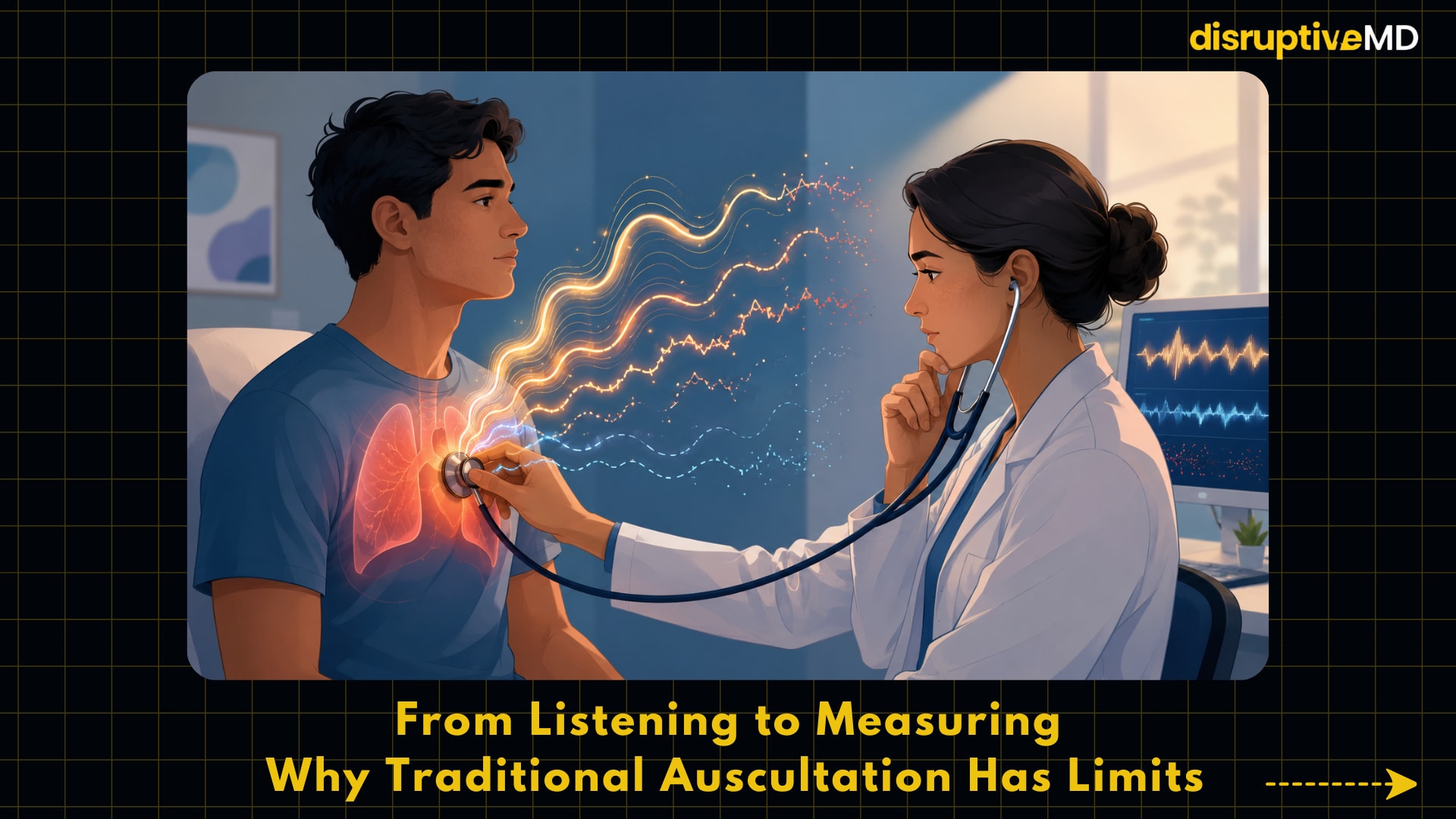
Auscultation is still valuable since there is true physiologic information embedded in the sounds of the heart and lung. A cardiac murmur is an additional sound made by turbulent blood flow; it is usually associated with a constricted, leaky or structurally faulty valve. Wheeze. A high-pitched whistling sound made when breathing through restricted airways. It is frequent in asthma or chronic obstructive pulmonary disease. Crackles are short, cracking lung sounds heard when small airways open when fluid is present. These phrases are important because they link the sound to function. However, the same sound may be interpreted differently by various doctors, especially when the sound is faint or intermittent. This is especially significant in heart disease when symptoms might be unclear. Heart failure occurs when the heart cannot pump or fill properly to meet the body’s needs and patients may have dyspnea, weariness, edema or impaired exercise tolerance. Atrial fibrillation is an abnormal heart rhythm that may increase stroke risk but might be intermittent or cause few symptoms. Valvular heart disease is any abnormality of the opening or closing of one or more of the heart valves. Clinically relevant disease may be asymptomatic until the heart has already adapted or enlarged. A 2026 primary-care investigation of valvular disease found that traditional auscultation missed more cases than did AI-augmented auscultation; this underscores why reliance on the untrained ear alone may overlook disease that warrants additional evaluation.
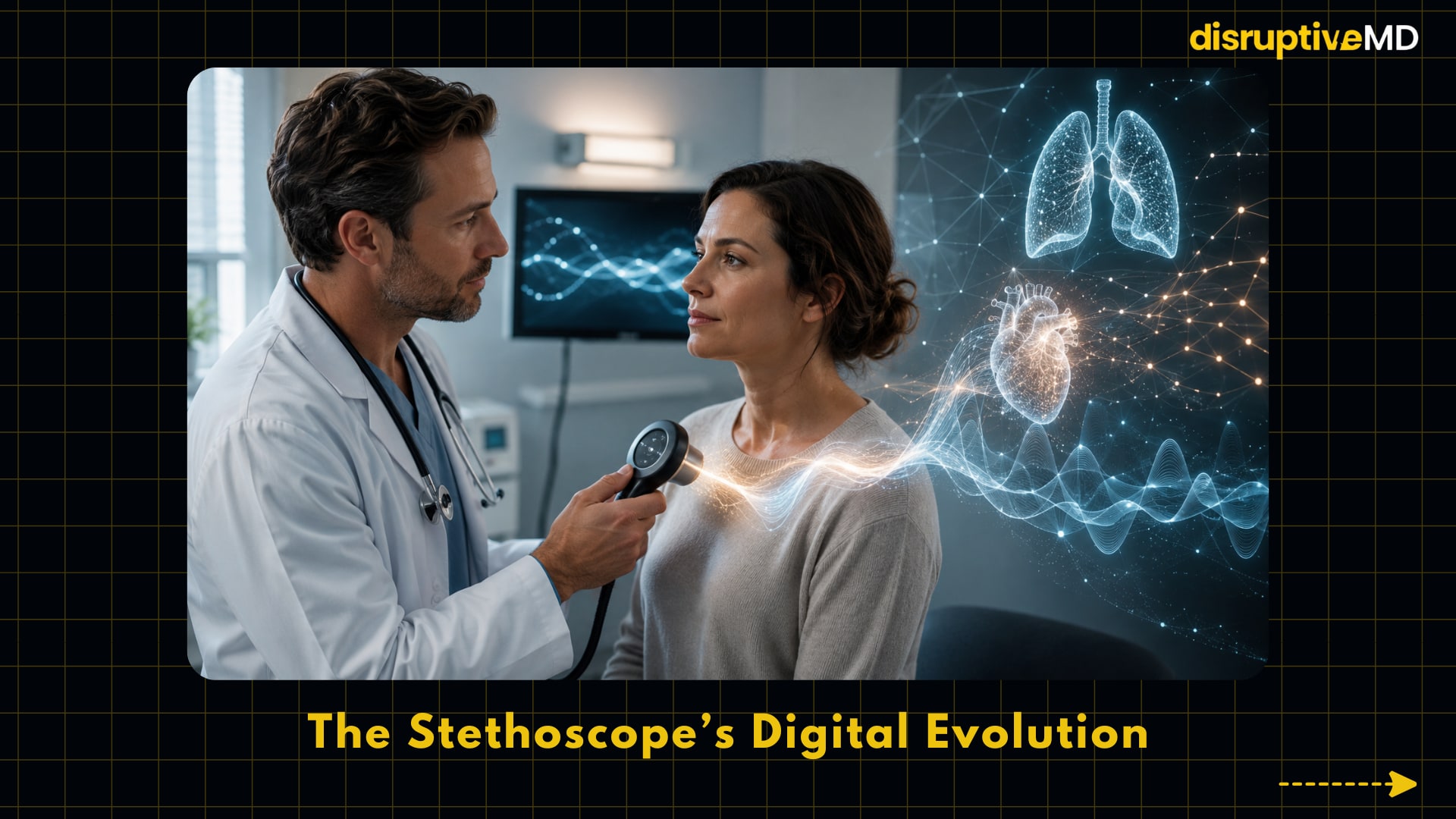
- The stethoscope is evolving from a simple acoustic tool into a digital diagnostic assistant.
- AI-enabled stethoscopes can convert heart and lung sounds into analysable data.
- The goal is not to replace physicians, but to make bedside examination more objective and useful for screening.
How an Intelligent Stethoscope Works
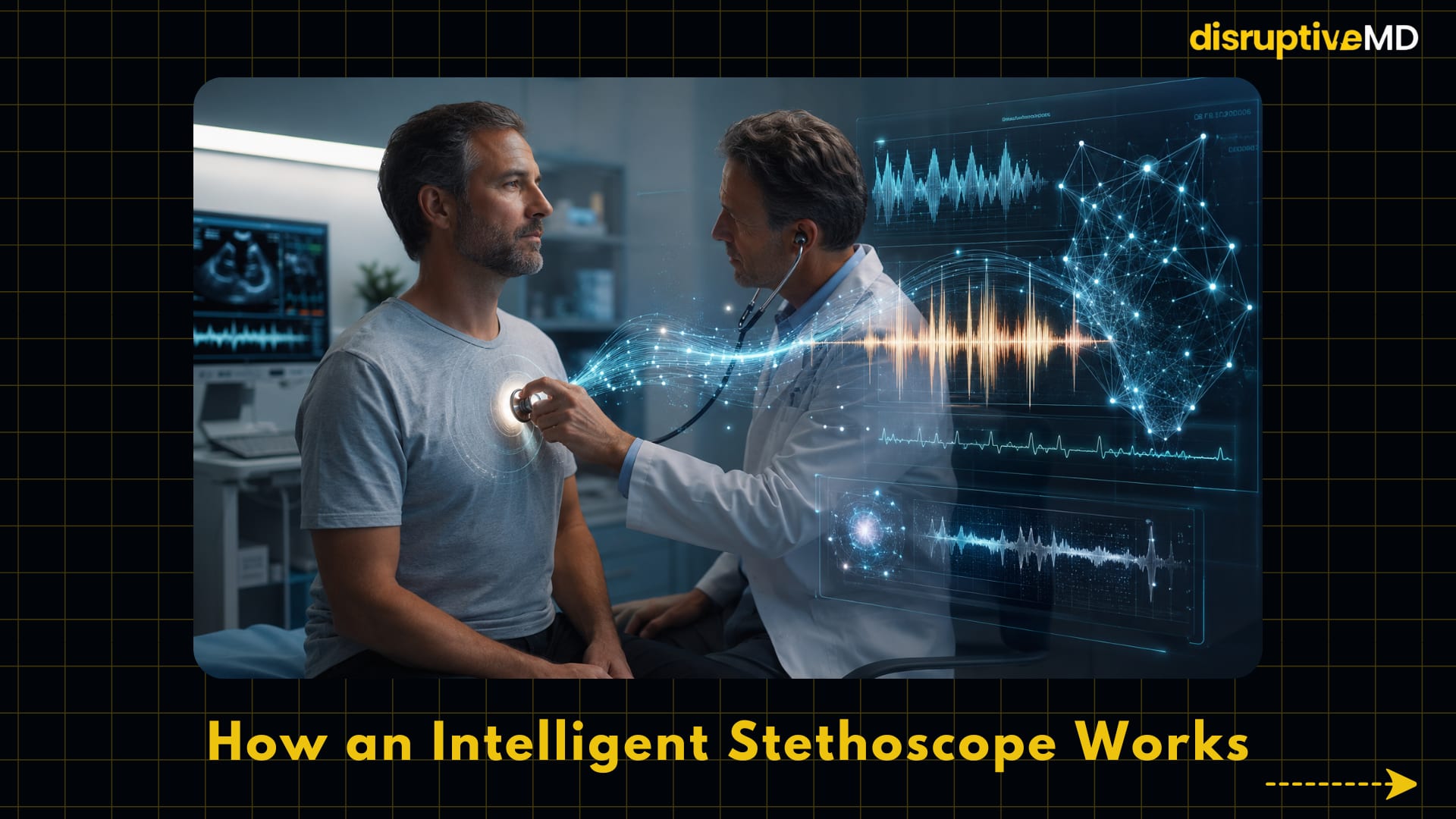
Some devices combine phonocardiography and single-lead electrocardiography in an intelligent stethoscope. A phonocardiogram is a computerized recording of heart sounds . An electrocardiogram , or ECG , captures the electrical activity of the heart . If both are caught within a brief check, the program may analyse mechanical data from the valves and blood flow and electrical rhythm signals. The AI-enabled stethoscope used in the UK primary care TRICORDER implementation experiment captured 15 s of single-lead ECG and phonocardiogram data and produced binary predictions for lower left ventricular ejection fraction, atrial fibrillation and valvular heart disease. The primary cardiac aim is generally left ventricular ejection fraction, or LVEF, the proportion of blood ejected from the heart’s main pumping chamber with each beat. A low LVEF can indicate systolic heart failure, which means the heart muscle is not contracting strongly enough. One FDA-cleared low-ejection-fraction tool analyses ECG and heart-sound recordings to help clinicians identify adults at risk of LVEF of 40% or less, but the FDA document states that the output is intended to assist clinical judgment, not diagnosis, and is not a replacement for monitoring or confirmatory testing. These devices’ “intelligence” really derives from machine learning, a technique in which the software learns statistical patterns from labeled examples, rather than just following pre-defined instructions. Heart-sound analysis systems generally employ convolutional neural networks, a type of model that is commonly used for pattern recognition, to categorize acoustic waveforms that may be indicative of murmurs or structural heart disease. The practical usefulness in the real world is that a doctor in a primary-care room might be prompted to refer for echocardiography, rather than relying on whether a murmur can be clearly heard in a short session.
Evidence and Real-World Meaning
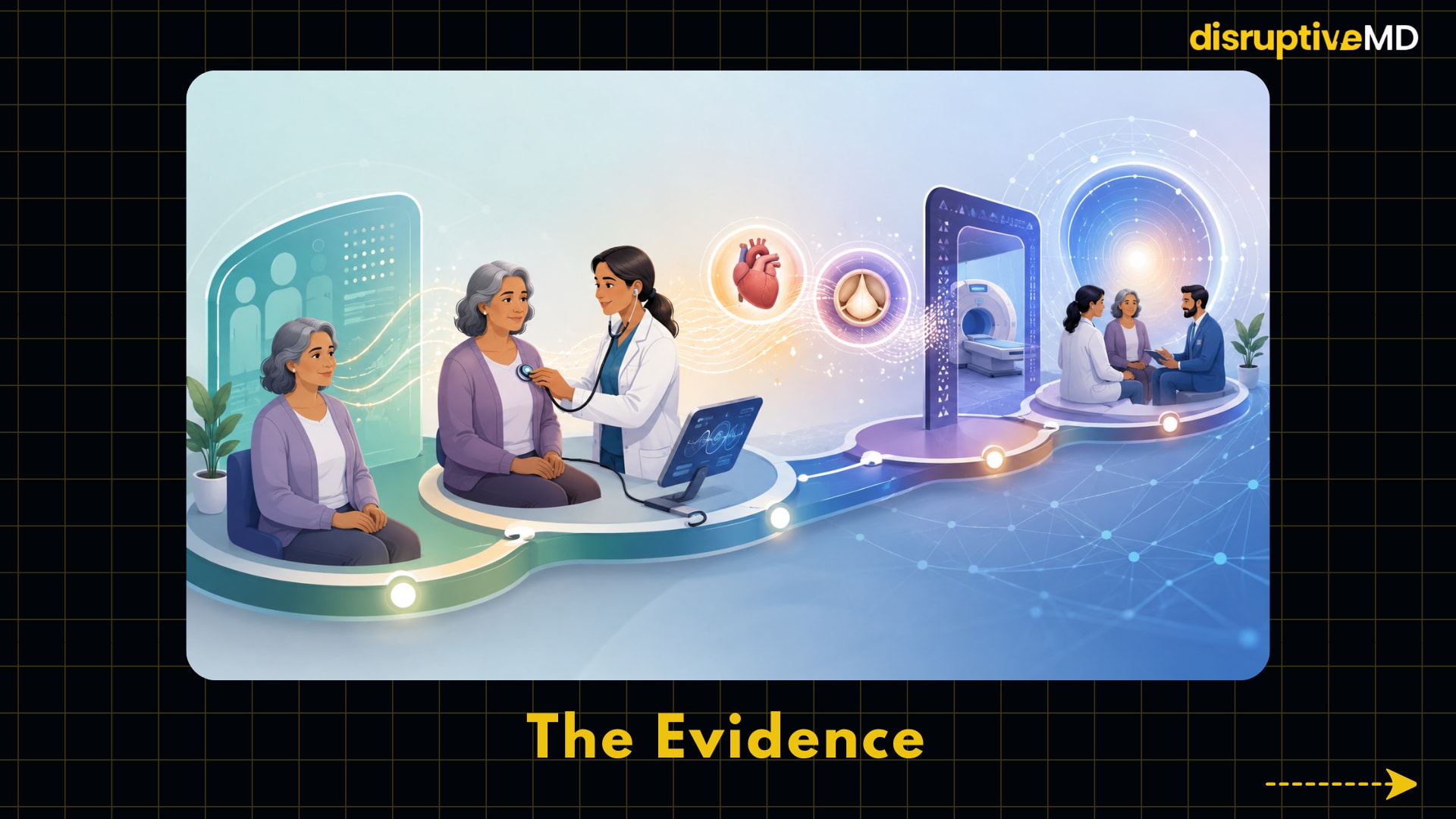
The greatest promise is in cardiovascular screening, particularly low ejection fraction, atrial fibrillation, and valvular disease. The FDA-cleared low-ejection-fraction tool was validated using paired ECG, heart-sound recordings, and echocardiograms from 3,456 distinct adults, with the primary performance analysis showing a sensitivity of 74.7% and a specificity of 77.5% for detection of LVEF of 40% or less. Sensitivity is the proportion of real cases that are detected while specificity is the proportion of those without the condition that are accurately recognized as negative. These data justify their use as a screening aid, but they also indicate why confirmatory echo is still needed. The UK TRICORDER trial, a cluster-randomised implementation study spanning 205 primary-care practices, provided a substantial real-world test. Intervention practices reported 12,725 AI-stethoscope tests among more than 1.5 million registered patients, but the intention-to-treat analysis failed to show a statistically significant increase in total heart-failure identification after 12 months. The bottom line is a tool can be technically successful but not affect outcomes if it is not used regularly by physicians or does not fit seamlessly into electronic records and clinic workflow. The same UK study also showed that when the gadget was actually utilized, there was a higher diagnosis of significant cardiac problems. Patients examined with the AI stethoscope had significantly higher detection rates, including nearly twice as many new heart-failure cases and three times as many detections of irregular heart rhythms compared with patients who were not examined with the device, the NIHR Imperial Biomedical Research Centre reported. That’s important because the question is not just how accurate the algorithm is, but how well it can be implemented in regular health systems to actually enhance care. There is also emerging evidence in maternal cardiovascular care. A pragmatic randomized trial in Nigeria randomized 1,232 pregnant and postpartum women, of whom 1,195 completed baseline evaluation. Using AI-guided screening with a digital stethoscope, left ventricular systolic dysfunction was diagnosed in 24 of 587 participants as compared with 12 of 608 participants who received usual treatment (odds ratio, 2.12). Left ventricular systolic dysfunction (LVSD) means the main pumping chamber of the heart isn't contracting well. During the peripartum period, this can be pregnancy-related cardiomyopathy, which can be dangerous but curable. In a 2026 prospective research of 357 primary-care patients age 50 years or older, AI-enhanced digital auscultation was compared to traditional auscultation for valvular heart disease. The AI-augmented technique demonstrated higher sensitivity for audible moderate-to-severe valvular illness (92.3% vs 46.2%) but lower specificity (86.9% vs 95.6%). It detected 12 previously undiscovered moderate-or-worse valvular instances compared to 6 detected by standard auscultation. This is clinically relevant as missed valve disease could lead to delayed echocardiography and treatment. However, the poorer specificity also means more false positives and potentially more referrals. The lung-sound evidence is promising but not yet ready for regular diagnosis. In 2025, a systematic review and meta-analysis of pediatric lung-sound AI included 41 papers and reported pooled sensitivity of 0.902 and specificity of 0.955 for wheeze identification, and pooled sensitivity of 0.907 and specificity of 0.877 for aberrant lung-sound detection. The authors, however, noted a significant variability in datasets, labeling procedures and external validation. This is important because an AI model that performs well in one hospital, age group, or recording situation may not perform well in a noisy clinic, rural setting, or a child with overlapping respiratory issues.
Limitations, Risks, and Unanswered Questions
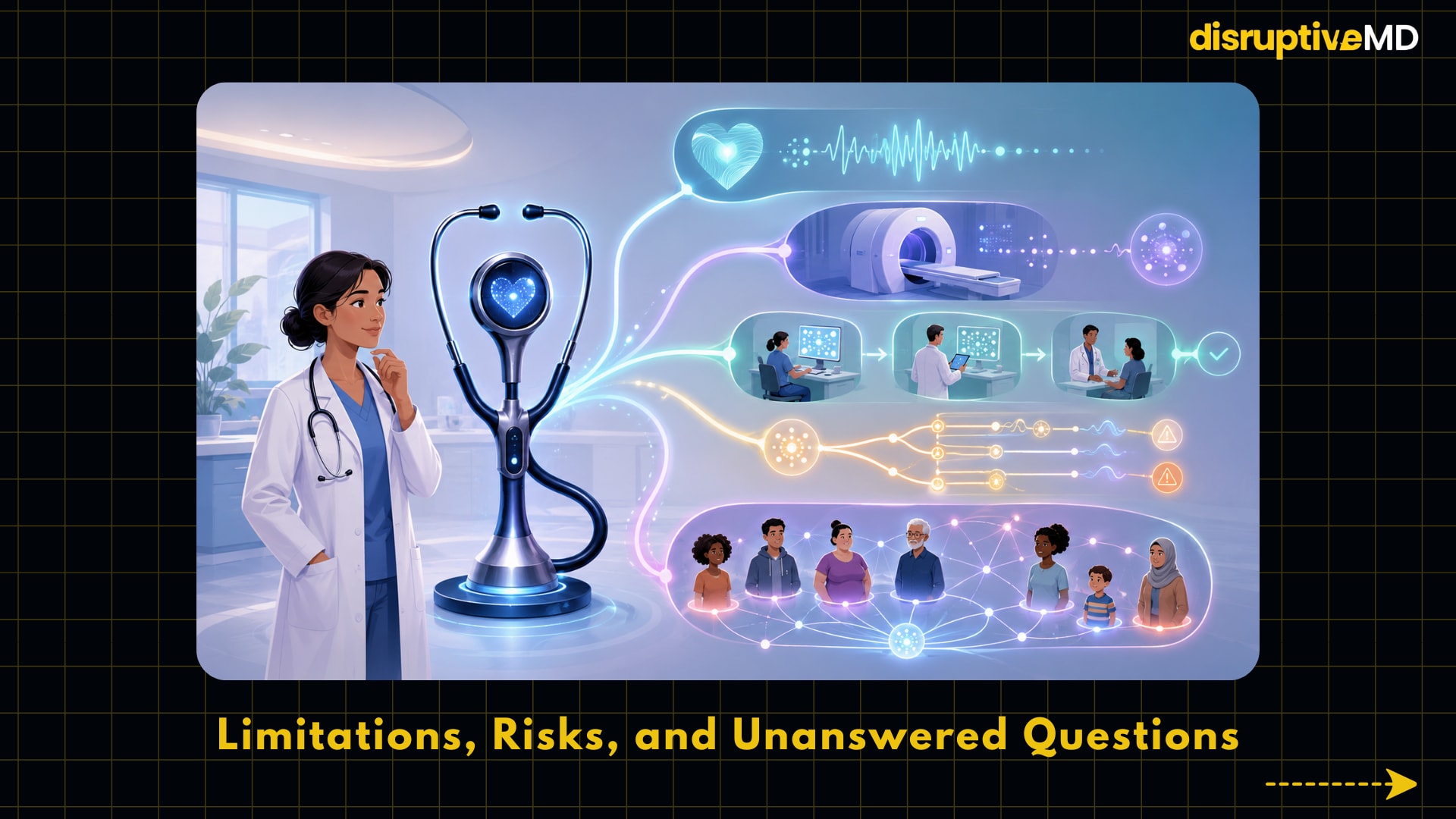
The first limitation is that AI auscultation is a screening assistance tool, not a final diagnostic. If the test is positive for low ejection fraction, further assessment is usually required, most typically an echocardiography study, which use ultrasound to assess heart structure and function. A negative test does not rule out disease completely in a high-risk patient. The FDA's phrasing for the low-ejection-fraction tool is clear: it is meant to aid doctors, not substitute for clinical judgment, diagnosis, monitoring, or confirmatory tests. The second constraint is false positive. Higher sensitivity in screening for valvular disease was associated with reduced specificity, leading to more patients without clinically proven disease being referred for echocardiography. This may be appropriate if the target disease is urgent and treatable, but can also raise cost, waiting lines, patient concern and unneeded downstream testing. Health systems consequently need to understand not just if AI detects more disease, but if it improves outcomes such as earlier treatment, fewer hospital admissions, higher survival or more efficient use of expert resources. The final limitation is the workflow. When broadly used in the TRICORDER study, total heart-failure diagnosis was not significantly increased in intention-to-treat analysis, however device performance when used was promising. This means that training, professional trust, time pressure, remuneration, electronic health record integration and local referral routes can be as crucial as algorithm design. An intelligent stethoscope has to be fast enough, reliable enough, and easy enough to be part of the examination and not an extra chore in the clinical practice. Fourth restriction is generalizability and equality. AI models learn from the populations and the recording settings they are developed on. However, if training data underrepresent particular age groups, skin tones, body sizes, pregnant stages, comorbidities, or low-resource locations, performance may vary in such groups. The Nigeria cardiomyopathy trial is notable in that it investigated AI-guided screening in a demographic and context with a high risk of peripartum cardiomyopathy, but more research is needed in more geographies, languages, clinic types, and device operators. A final restriction is the residual technological and biological complexity in lung-sound AI. Algorithms generally can classify wheezes more easily than crackles, although crackles are often short, nuanced, and inconsistently labeled. In a 2024 breath-sound investigation, both clinicians and an AI model were better at identifying wheezing than crackles, and the researchers concluded that crackles are still unreliable for medical decision-making without further study. This is important because respiratory AI should not produce misleading confidence from a noisy and fluctuating signal.
Conclusion
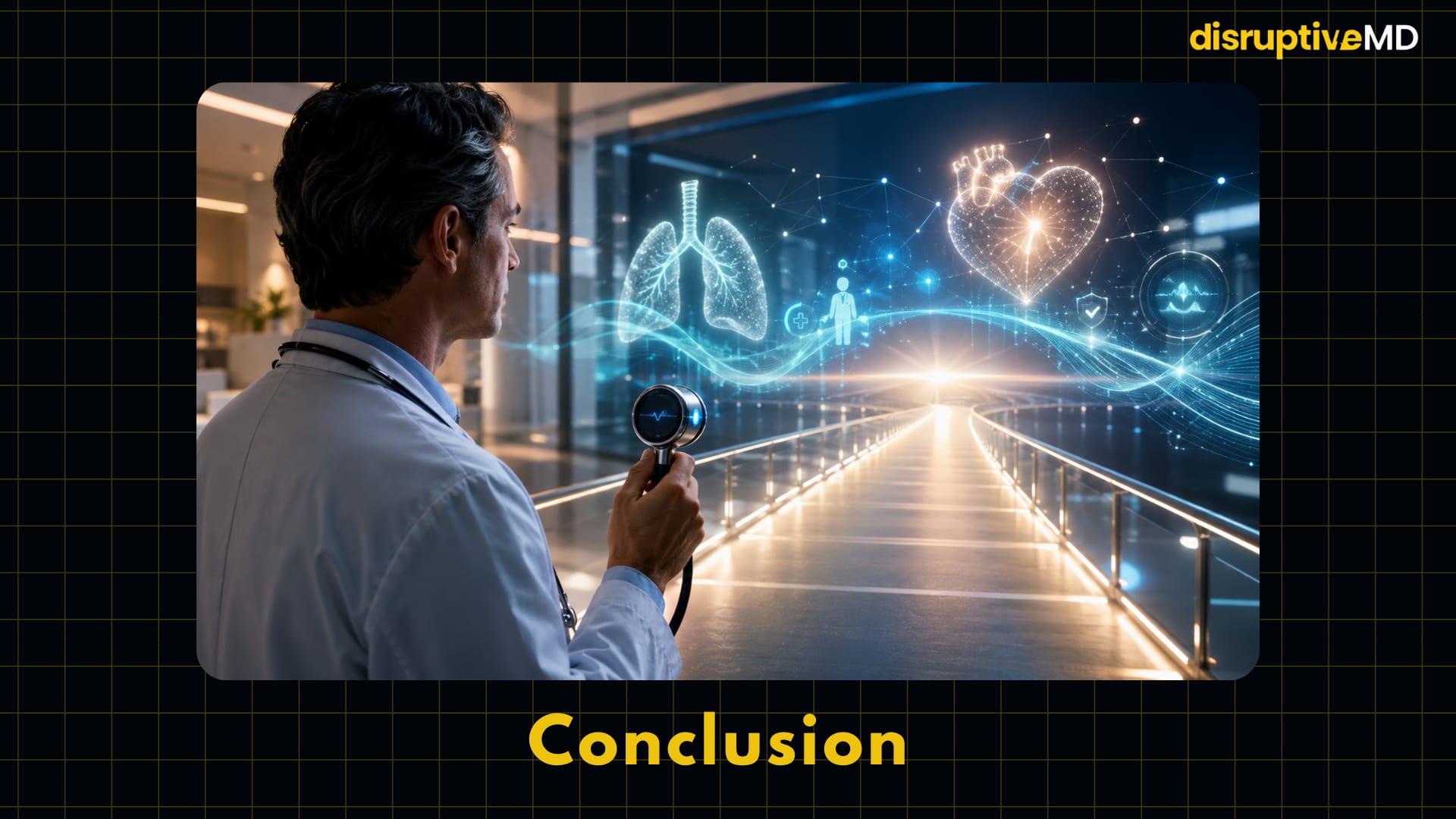
The intelligent stethoscope is a natural evolution of bedside medicine, a familiar tool turned into a sensor, a recorder and a screening help. The most likely current use is not autonomous diagnosis but AI-assisted identification of frequent, clinically important, and often ignored disorders in regular treatment, particularly low ejection fraction, atrial fibrillation, and valvular heart disease. The device could be especially useful in primary care, maternal health, remote clinics and systems with limited specialist access. How AI will affect health systems in the future will depend less on whether it can discern patterns in heart and lung sounds and more on whether health systems can use such patterns ethically. Intelligent auscultation requires validation in varied patient populations, integration into clinical workflow, correlation with confirmatory tests, and monitoring for false positives, false negatives, and inequity. The stethoscope is not becoming a physician. It’s becoming a more quantifiable gateway to diagnosis.
Evidence Rating
Mixed or limited evidence. Some AI-stethoscope algorithms have regulatory clearance and clinical validation for a specific cardiovascular screening usage, and multiple studies have shown enhanced detection when utilized appropriately. The data for real-world application is inconsistent, the impacts on long-term results are ambiguous, and lung-sound AI still need more external validation and clinical trial proof.
Educational Disclaimer
This article is for informational purposes only and does not constitute professional medical advice, diagnosis or treatment. Clinical choices should be made by qualified healthcare experts based on the whole clinical context, including relevant confirmatory testing.
References
- World Health Organization. Cardiovascular diseases (CVDs) fact sheet, updated July 2025.
- U.S. Food and Drug Administration. 510(k) Summary K233409: Eko Low Ejection Fraction Tool (ELEFT), March 2024.
- Kelshiker MA, Bächtiger P, Petri CF, et al. Triple cardiovascular disease detection with an artificial intelligence-enabled stethoscope (TRICORDER) in the UK: a cluster-randomised controlled implementation trial. The Lancet, 2026.
- NIHR Imperial Biomedical Research Centre. AI-enabled stethoscopes help diagnose heart conditions in GP surgeries, 2026.
- Adedinsewo, D.A., Morales-Lara, A.C., Afolabi, B.B. et al. Artificial intelligence guided screening for cardiomyopathies in an obstetric population: a pragmatic randomized clinical trial. Nat Med 30, 2897–2906 (2024). https://doi.org/10.1038/s41591-024-03243-9.
- Moshe Rancier, Igor Israel, Vimalson Monickam, Caroline Currie, Ben Verschoore, Emileigh Lastowski, Douglas W Van Pelt, John Prince, Rosalie V McDonough, Artificial-intelligence-enabled digital stethoscope improves point-of-care screening for moderate-to-severe valvular heart disease, European Heart Journal - Digital Health, Volume 7, Issue 2, March 2026, ztag003, https://doi.org/10.1093/ehjdh/ztag003.
- Park J, Park S, Moon J, Kim K, Suh D, Artificial Intelligence Models for Pediatric Lung Sound Analysis: Systematic Review and Meta-Analysis, J Med Internet Res 2025;27:e66491, URL: https://www.jmir.org/2025/1/e66491, DOI: 10.2196/66491.
- Huang, CH., Chen, CH., Tzeng, JT. et al. The unreliability of crackles: insights from a breath sound study using physicians and artificial intelligence. npj Prim. Care Respir. Med. 34, 28 (2024). https://doi.org/10.1038/s41533-024-00392-9.