
Introduction
Bariatric surgery was once explained in a very simple way: make the stomach smaller, eat less food, lose weight. That explanation is not wrong, but it is incomplete. Today, the more accurate term is metabolic and bariatric surgery, because these operations do more than reduce stomach size. They can change how food travels through the gut, how hunger signals are produced, how insulin works, and how the body handles energy. This is why the field has moved from “fat loss surgery” to something more interesting: metabolic reprogramming. In plain language, metabolic reprogramming means changing the body’s internal signals that control appetite, blood sugar, digestion, and fat storage. The surgery does not magically reset the body, but in selected patients it can strongly influence the biological systems behind obesity and type 2 diabetes. Major guidelines now recognize metabolic and bariatric surgery as an evidence-based treatment for obesity and obesity-related metabolic disease.
The Old Problem: Obesity Is Not Just About Stomach Size
Obesity is not simply a problem of eating too much food. It is a chronic metabolic condition involving appetite hormones, insulin resistance, fat-cell biology, inflammation, sleep, genetics, environment, and brain reward pathways. Insulin resistance means the body’s cells do not respond normally to insulin, the hormone that helps move sugar from the blood into cells. When insulin resistance worsens, the risk of type 2 diabetes, fatty liver disease, high blood pressure, and heart disease can rise. This matters because surgery works best when it is understood as part of long-term disease care, not as a shortcut. The digestive system is not only a food pipe; it is also a hormone-producing organ. The stomach and intestines send chemical messages to the brain, pancreas, liver, and fat tissue. Bariatric procedures change those messages by changing the route, speed, and volume of food moving through the gut.

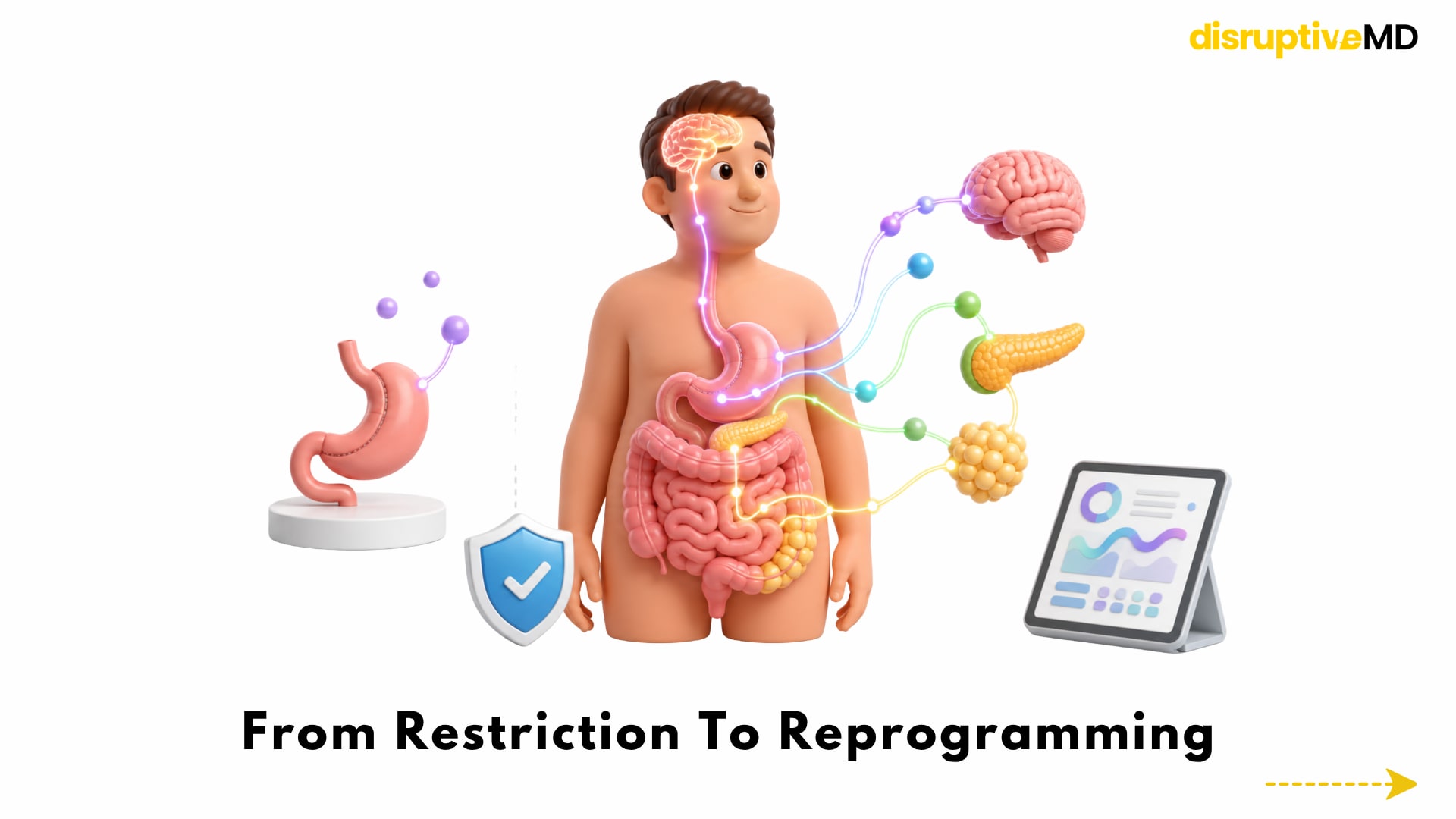
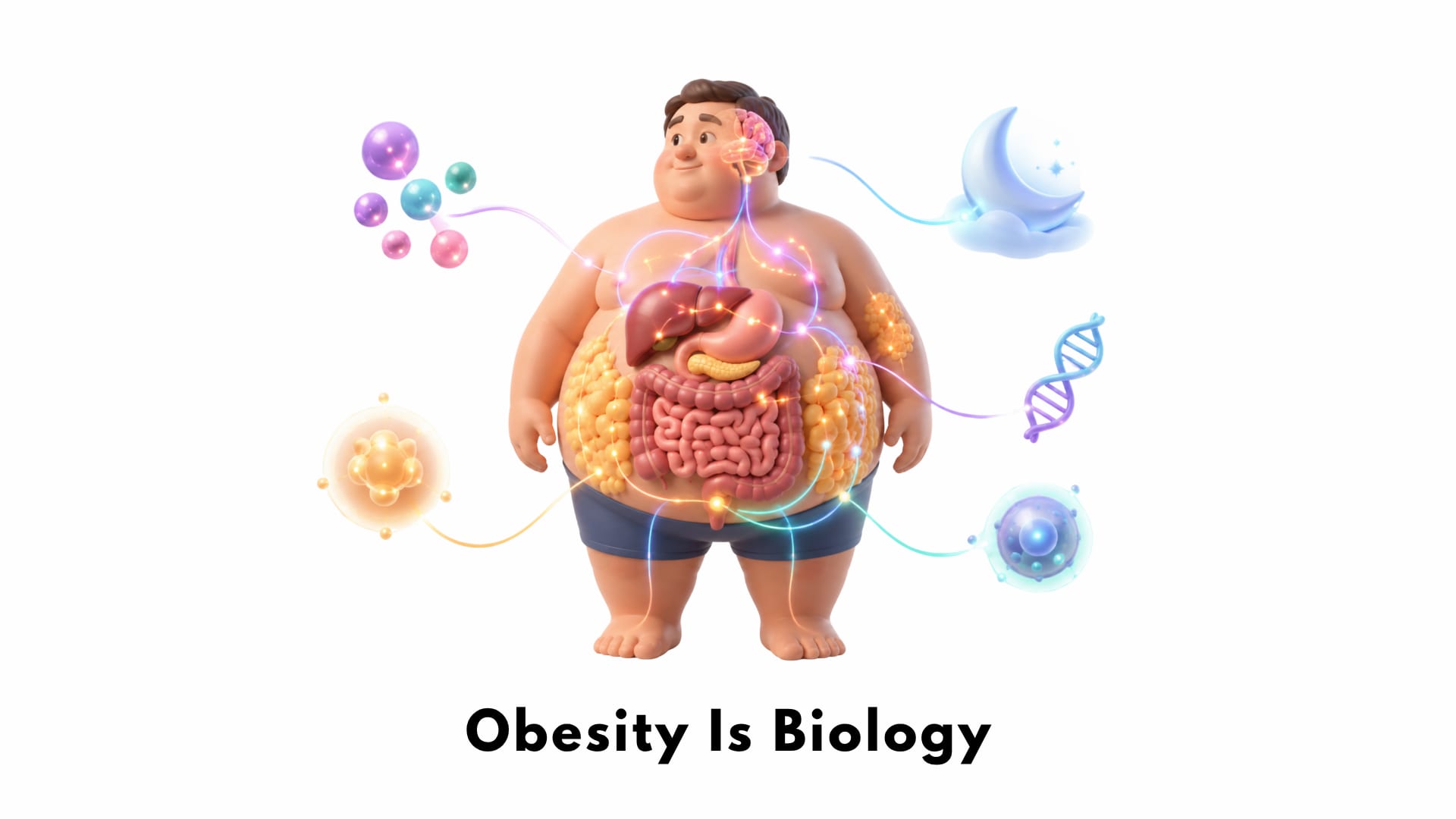
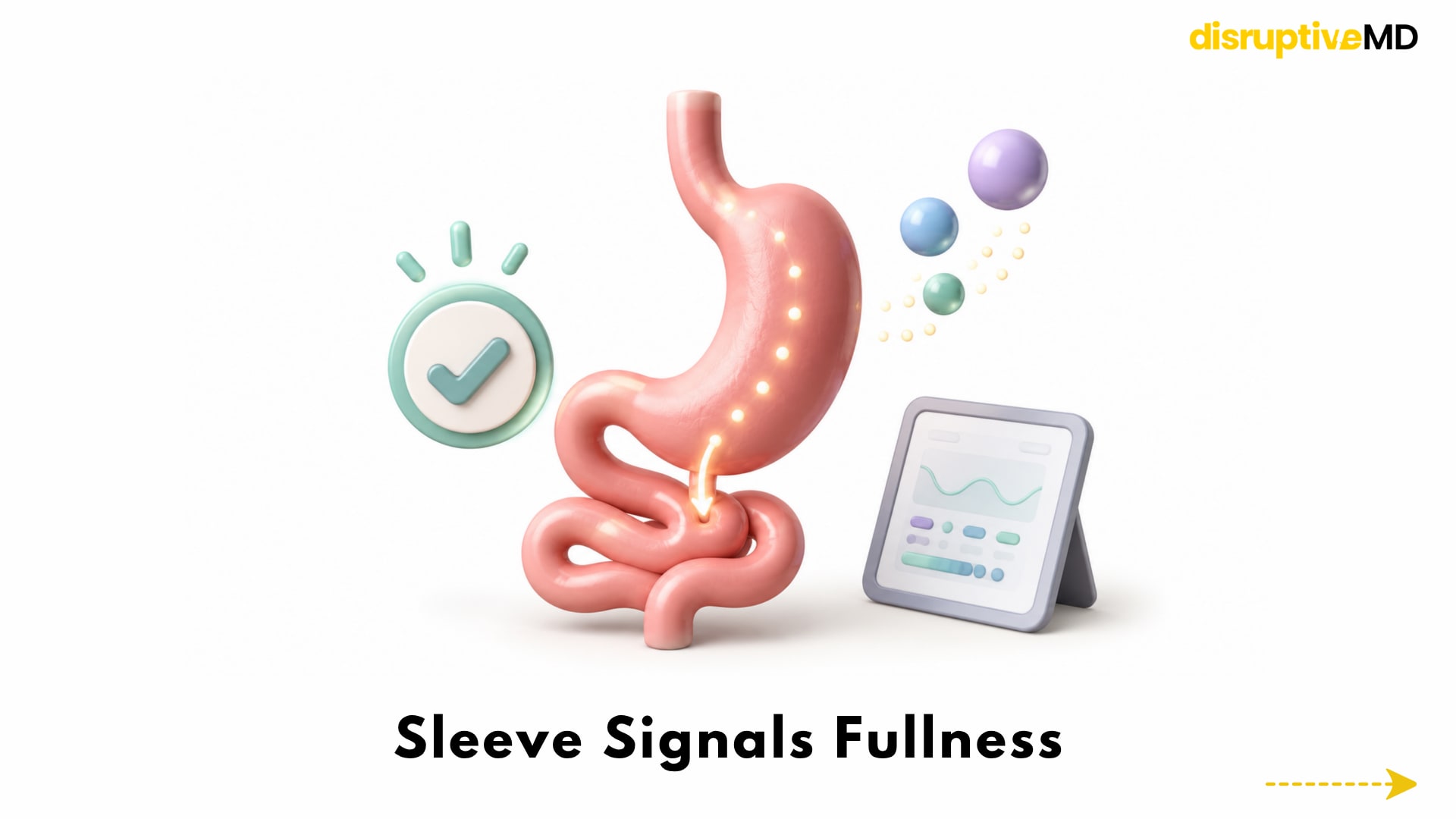
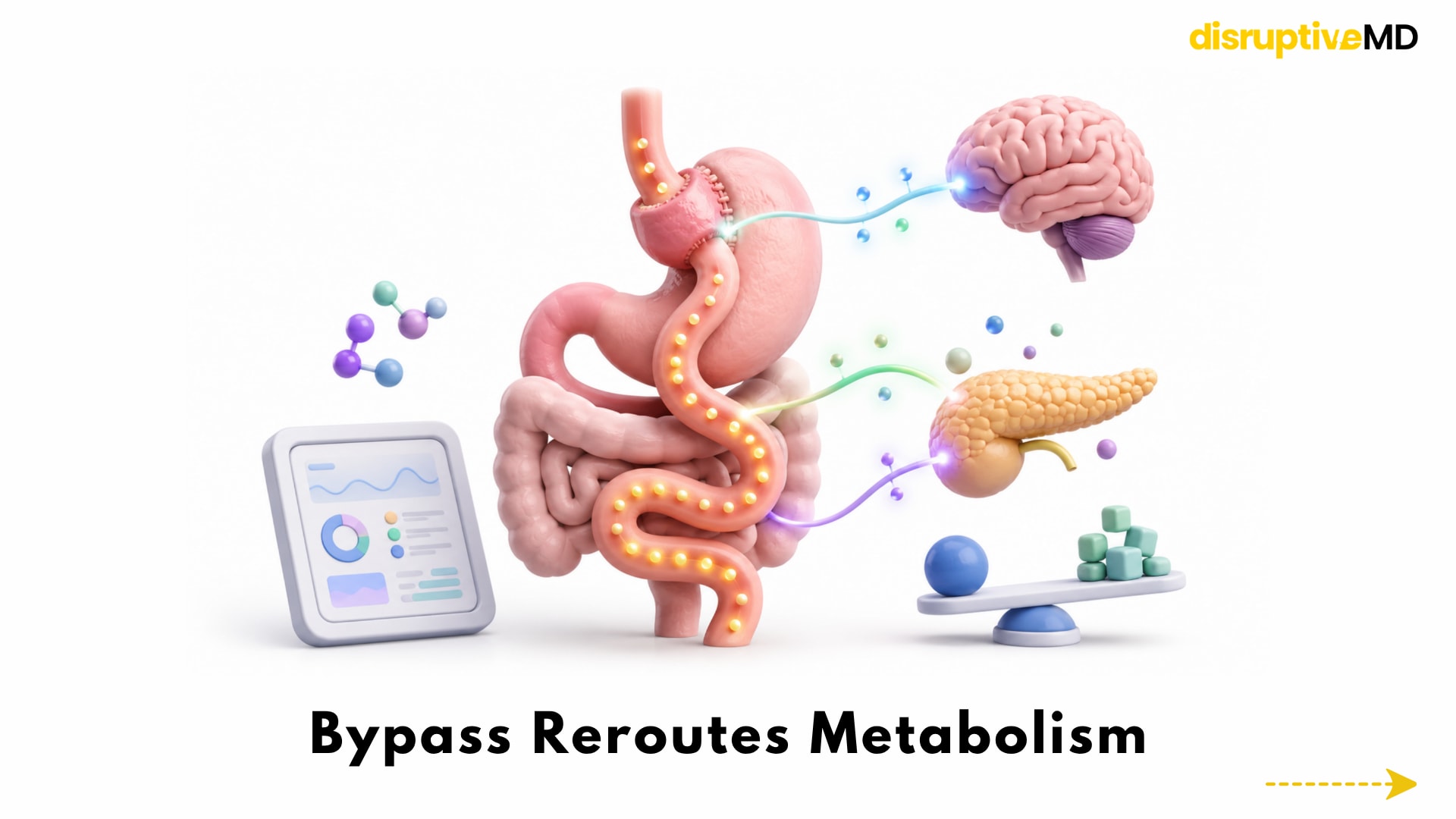


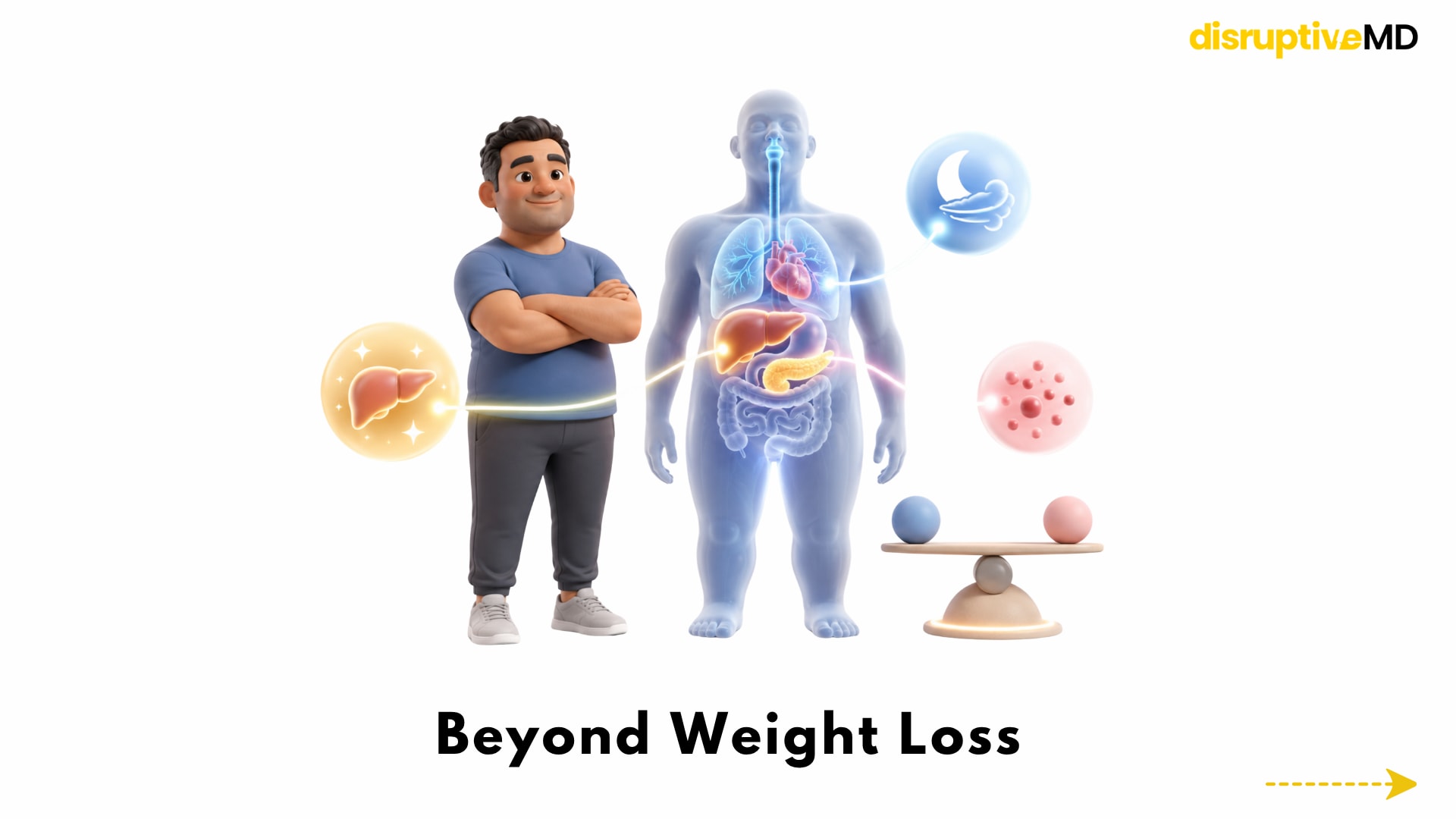


- Modern procedures target hunger, digestion, blood sugar, and metabolism.
- The gut becomes a therapeutic pathway, not just a smaller stomach.
- Bariatric care is shifting from weight loss to metabolic disease treatment.
The Procedures: How Surgery Changes the Body’s Metabolic Route
1. Sleeve Gastrectomy: Turning the Stomach Into a Smaller Signaling Tube
Sleeve gastrectomy is one of the most common bariatric operations. In this procedure, surgeons remove a large curved portion of the stomach and leave behind a narrow tube-shaped stomach, often described as a “sleeve.” This smaller stomach holds less food, but the bigger metabolic idea is that the operation also changes hunger and fullness signals. The removed part of the stomach includes an area involved in producing ghrelin, commonly called a hunger hormone because it helps stimulate appetite. After sleeve gastrectomy, many patients feel full earlier and may experience reduced hunger, although the response is not identical for everyone. Food still follows the normal path from the stomach into the small intestine, so the procedure is simpler than a bypass, but it still requires lifelong nutritional care and follow-up. The NIDDK lists gastric sleeve among the most commonly performed weight-loss operations. This matters because sleeve gastrectomy shows that bariatric surgery is not just plumbing. It is also signaling. The operation changes the shape of the stomach, but its real clinical impact comes from how that new stomach communicates with the rest of the body.
2. Roux-en-Y Gastric Bypass: Rerouting Food to Change Metabolism
Roux-en-Y gastric bypass is a procedure where surgeons create a small stomach pouch and connect it directly to a lower part of the small intestine. Food bypasses most of the stomach and the first part of the small intestine. The word “bypass” simply means that food takes a new route. This new route changes how quickly nutrients reach certain parts of the intestine. That can affect gut hormones such as GLP-1, or glucagon-like peptide-1, which helps increase insulin release after meals and supports fullness. This is one reason gastric bypass can improve blood sugar control in some patients with type 2 diabetes, sometimes before major weight loss has occurred. In clinical practice, gastric bypass is often considered when strong metabolic improvement is needed, especially in patients with obesity and type 2 diabetes. It may also be preferred in some patients with severe acid reflux, although procedure choice depends on the individual. The key point is that gastric bypass does not only reduce food intake; it changes the conversation between the gut, pancreas, liver, and brain.
3. Biliopancreatic Diversion With Duodenal Switch: The Stronger, More Demanding Procedure
Biliopancreatic diversion with duodenal switch, often shortened to BPD/DS or “duodenal switch,” is a more complex operation. It combines a sleeve-like stomach reduction with a major rerouting of the small intestine. Food bypasses a large portion of the intestine, which reduces calorie and nutrient absorption. This procedure can produce powerful weight-loss and metabolic effects, but it also carries a higher responsibility for long-term monitoring. Because absorption is reduced, patients face a greater risk of vitamin, mineral, and protein deficiencies. That means lifelong supplementation, regular blood tests, and close medical supervision are essential. The duodenal switch is important because it shows the trade-off at the heart of bariatric surgery: stronger metabolic effects may come with greater nutritional risk. Mayo Clinic describes the procedure as a two-part operation that makes the stomach smaller and reconnects parts of the small intestine to reduce absorption.
4. Adjustable Gastric Band: The Older Mechanical Approach
Adjustable gastric banding uses a band placed around the upper stomach to create a small pouch. The idea is mainly mechanical: the pouch fills quickly, so the person feels full after eating less. Unlike sleeve gastrectomy or gastric bypass, it does not remove part of the stomach or reroute the intestine. This procedure is now less commonly used in many places because it usually produces less weight loss than sleeve or bypass and can require later removal or revision. The band also does less to change the deeper gut-hormone pathways that make modern bariatric surgery metabolically interesting. NIDDK notes that adjustable gastric band surgery is less commonly performed than gastric sleeve or gastric bypass in the United States. The gastric band is useful to understand historically. It represents the older “restriction-only” model of bariatric surgery, while newer thinking focuses more on metabolic signaling, gut hormones, and long-term disease modification.
5. Endoscopic Sleeve Gastroplasty: The Less Invasive Frontier
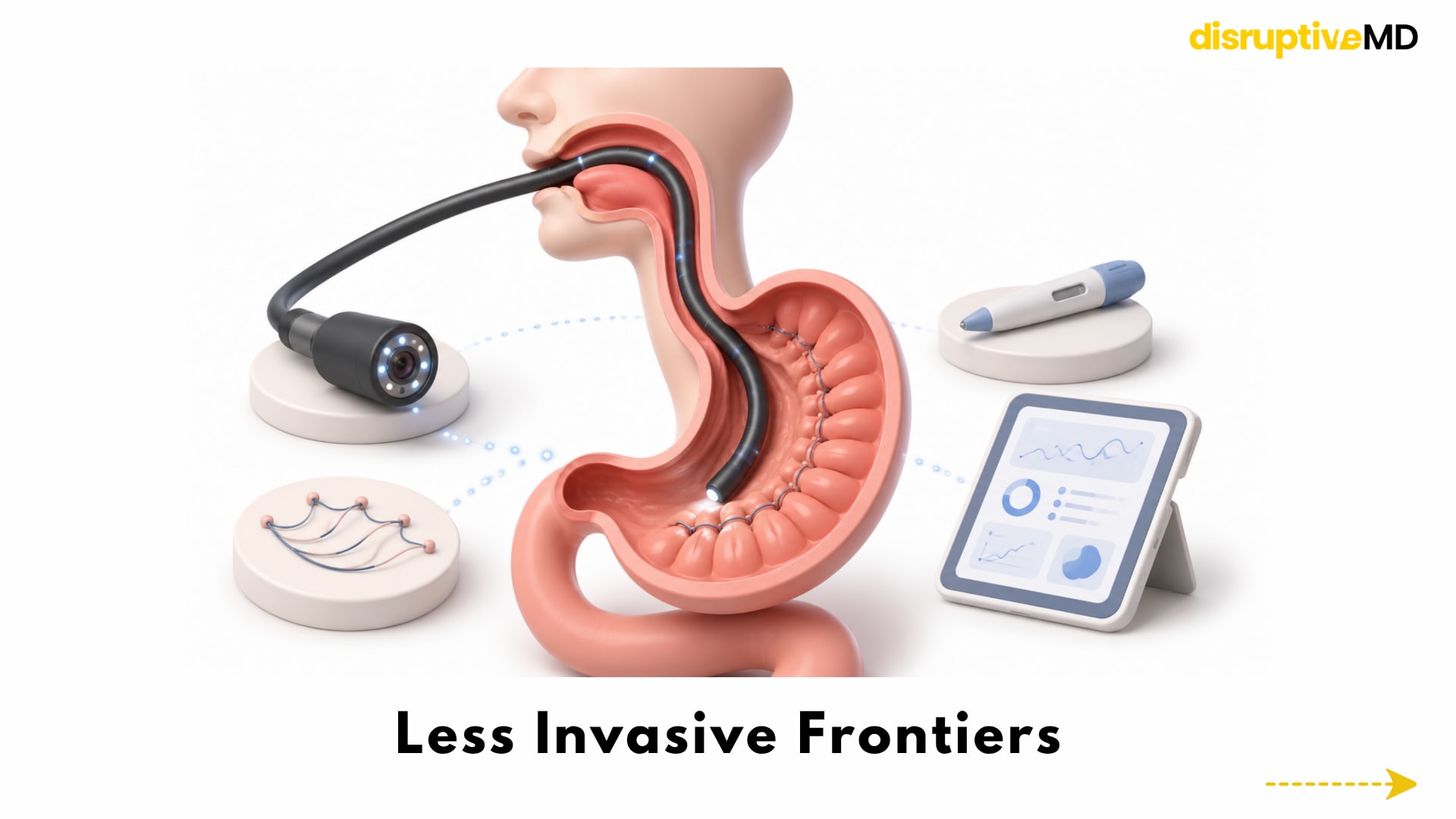
Endoscopic sleeve gastroplasty, or ESG, is not traditional surgery because it does not involve external cuts. Instead, an endoscope, a flexible tube with a camera and tools, is passed through the mouth into the stomach. The stomach is then stitched from the inside to make it smaller. ESG is part of a growing field called endoscopic bariatric and metabolic therapy, which aims to treat obesity using less invasive techniques. It may be an option for some patients who do not qualify for, or do not want, traditional bariatric surgery. However, it is generally expected to produce more moderate weight loss than major operations such as sleeve gastrectomy or gastric bypass, and long-term data are still developing. Mayo Clinic describes ESG as a newer minimally invasive procedure with no external cuts, performed by placing sutures inside the stomach. This matters because the future of obesity treatment may not be one single pathway. Some patients may need surgery, some may need medication, some may need endoscopic therapy, and many will need combinations of medical, nutritional, behavioral, and digital follow-up care.
Evidence and Real-World Meaning
The strongest evidence supports established procedures such as sleeve gastrectomy and Roux-en-Y gastric bypass. These operations are widely used, guideline-supported, and studied for obesity-related conditions such as type 2 diabetes, sleep apnea, high blood pressure, fatty liver disease, and cardiovascular risk. The American Diabetes Association includes metabolic surgery as one of the treatment options for selected people with obesity and type 2 diabetes. In real-world healthcare, the most important shift is not only weight reduction. The more important shift is that surgery can improve the biological drivers of disease. When blood sugar improves, when sleep apnea becomes less severe, when liver fat decreases, or when blood pressure becomes easier to control, the benefit extends beyond appearance or body weight. Still, surgery is not a cure for everyone. Some patients regain weight. Some diabetes cases return after initial remission. Some develop reflux, nutritional deficiencies, or gastrointestinal symptoms. This is why bariatric surgery should be seen as a long-term treatment plan, not a one-day procedure.
Limitations, Risks, and Unanswered Questions
The biggest limitation of bariatric surgery is that the operation starts the treatment; it does not finish it. Patients need lifelong follow-up for nutrition, vitamins, minerals, mental health, weight changes, and metabolic health. Micronutrient deficiency means the body has low levels of important nutrients such as iron, vitamin B12, calcium, vitamin D, or folate. This can happen because patients eat less, absorb less, or do not take supplements consistently. Different procedures also carry different risks. Sleeve gastrectomy may worsen acid reflux in some patients. Gastric bypass can cause dumping syndrome, where food moves too quickly into the intestine and causes symptoms such as sweating, nausea, weakness, or diarrhea. Duodenal switch can cause stronger nutritional problems because it reduces absorption more dramatically. These risks do not mean the procedures are unsafe for everyone, but they do mean careful patient selection is essential. The unanswered question is how bariatric surgery should fit into the new era of obesity medicine. GLP-1-based drugs, dual-hormone medicines, digital health tools, endoscopic procedures, and AI-based risk prediction are all changing the field. The future may involve matching the right patient to the right combination of surgery, medication, nutrition, behavioral care, and long-term monitoring. Conclusion Bariatric Surgery 2.0 is about understanding the gut as a metabolic control system. Sleeve gastrectomy changes the stomach’s size and hunger signals. Gastric bypass changes the route of food and the hormonal response to meals. Duodenal switch creates stronger metabolic effects but demands stricter nutritional follow-up. Endoscopic procedures offer a less invasive direction for selected patients. The future of bariatric care will not be only about losing weight. It will be about treating obesity as a chronic metabolic disease and using the digestive system as a therapeutic target. The promise is real, but it works best when surgery is combined with careful selection, skilled teams, long-term follow-up, and realistic expectations.
Evidence Rating
Guideline-supported. Established metabolic and bariatric procedures such as sleeve gastrectomy and Roux-en-Y gastric bypass are supported by professional guidelines and clinical evidence. Newer approaches such as endoscopic sleeve gastroplasty are promising but still require longer-term follow-up and careful patient selection.
Educational Disclaimer
This article is for educational purposes only and is not a substitute for professional medical advice, diagnosis, or treatment. Patients should consult qualified healthcare professionals before making decisions about obesity treatment, diabetes care, or bariatric surgery.
References
- Dan Eisenberg, Scott A. Shikora, Edo Aarts, et al.,2022 American Society for Metabolic and Bariatric Surgery (ASMBS) and International Federation for the Surgery of Obesity and Metabolic Disorders (IFSO): Indications for Metabolic and Bariatric Surgery, Surgery for Obesity and Related Diseases, Volume 18, Issue 12, 2022, Pages 1345-1356, ISSN 1550-7289, https://doi.org/10.1016/j.soard.2022.08.013.
- National Institute of Diabetes and Digestive and Kidney Diseases. Types of Weight-loss Surgery.
- American Diabetes Association Professional Practice Committee for Diabetes*; 8. Obesity and Weight Management for the Prevention and Treatment of Diabetes: Standards of Care in Diabetes–2026. Diabetes Care 1 January 2026; 49 (Supplement_1): S166–S182. https://doi.org/10.2337/dc26-S008.
- Mayo Clinic. Biliopancreatic Diversion With Duodenal Switch.
- Mayo Clinic. Endoscopic Sleeve Gastroplasty.